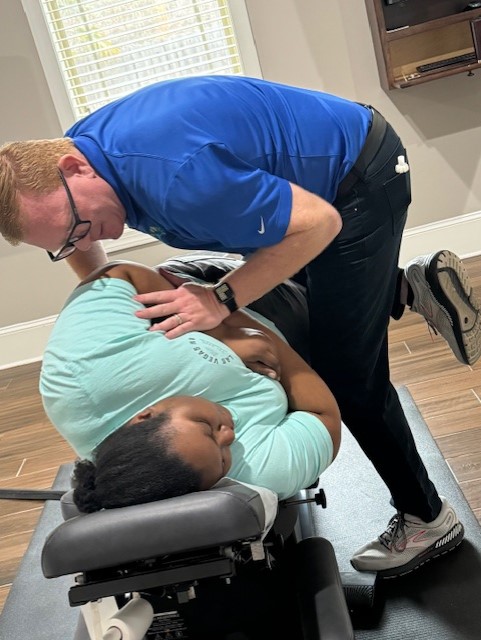

As a local chiropractor, I want to share an important message with all active individuals: back pain doesn't have to be an inevitable part of your sports life. Many people believe that discomfort comes with the territory of being involved in physical activities, but understanding the root causes can make all the difference. Issues such as muscle strains, poor posture, and even emotional stress can contribute to back pain, and recognizing these factors is the first step toward effective relief.
Incorporating proper warm-up routines and strengthening exercises into your training can significantly lower your risk of injury. However, if you find that pain persists despite these efforts, it may be time to explore additional options. Chiropractic care offers targeted therapies that can help address the underlying issues contributing to your discomfort. Seeking professional help is crucial when you're facing ongoing pain, as a chiropractor can provide personalized treatment plans to promote healing and restore your body's balance.
Remember, there are natural ways to manage and overcome sports-related back pain, and I'm here to guide you on that journey to lasting relief. Don't let pain sideline you—let's work together to keep you active and healthy!
Understanding Back Pain Causes
As a local chiropractor, I want to help you understand the various causes of back pain and how natural healing can play a pivotal role in your recovery. Your back is an intricate structure, composed of muscles, ligaments, tendons, and bones, all of which can be affected by a range of issues.
One of the most common culprits of back pain is muscle strain. This often occurs when individuals lift heavy objects or make sudden movements. If you've pushed yourself too hard during a workout or an activity, you might notice some soreness or tightness in your back. It's essential to listen to your body and ensure you're using proper techniques when engaging in physical activities.
Another key factor to consider is posture. Many people spend extended periods sitting or standing without maintaining proper alignment, which can lead to discomfort and pain. This might happen if you're slouching at a desk or hunching over during sports.
I encourage you to be mindful of your posture; even small adjustments can make a significant difference in preventing pain.
Injuries can also be a source of ongoing back pain. Whether it's an acute injury from an accident or a chronic condition, these issues can lead to complications like herniated discs, which can put pressure on nerves and cause shooting pain or numbness.
Additionally, degenerative conditions such as arthritis can gradually wear down your spine, leading to stiffness and discomfort.
It's also essential to recognize the impact of emotional stress on your physical health. Anxiety and tension can result in muscle tightness, further exacerbating back pain. By understanding how these factors interplay in your life, you can address the root causes rather than just the symptoms.
As your chiropractor, I'm here to guide you through effective, natural healing methods. By taking proactive steps now, you can pave the way for a healthier and more comfortable future.
Together, we can develop a personalized plan to alleviate your pain and enhance your overall well-being.
Common Sports Injuries Explained
As your local chiropractor, I want to help you understand the common back injuries that can occur when you're active in sports.
It's crucial to recognize issues like strains, sprains, and herniated discs, as understanding their causes can empower you to prevent further discomfort.
Let's take a closer look at these injuries, their origins, and how natural healing methods can support your recovery and overall well-being.
Types of Back Injuries
As a local chiropractor, I want to help you understand the various back injuries that can affect your daily life and athletic performance. Back injuries can occur due to the physical demands placed on your body, and it's important to be aware of the different types so you can address them effectively.
One common injury is a sprain. This occurs when the ligaments, which are the tissues that connect your bones, either stretch or tear. Sprains often result from sudden movements or awkward landings.
Another type of injury you might encounter is a strain, which involves the muscles or tendons. If you exert yourself too much during physical activity, such as sprinting or lifting improperly, you could end up with a painful strain.
A more complex issue is a herniated disc. This happens when the soft material within a spinal disc bulges out, potentially pressing on nearby nerves. This can cause severe pain, numbness, or weakness in your legs, making it crucial to seek care if you suspect this injury.
Muscle spasms are also a concern. These involuntary contractions can lead to significant discomfort, often occurring after intense workouts or inadequate stretching.
Lastly, stress fractures, which are tiny cracks in the vertebrae, may develop over time due to repetitive impact, resulting in chronic pain.
By understanding these types of back injuries, you can take proactive steps towards managing your pain and preventing future issues. Chiropractic care focuses on natural healing and can play an important role in your recovery.
Causes of Sports Pain
As a local chiropractor dedicated to helping you understand the importance of spinal health, it's essential to recognize the different types of back injuries and how they relate to the broader causes of sports pain.
Engaging in sports can be incredibly rewarding, but it's vital to acknowledge that various factors can lead to discomfort and injuries. These factors often arise from physical demands placed on your body, improper techniques, or even environmental conditions.
Here are three common causes of sports pain that I want you to be aware of:
- Overuse: When you participate in activities that involve repetitive motions, such as running or swimming, you may inadvertently strain your muscles and ligaments. This can lead to inflammation and pain, which are signs that your body may need some care and attention to recover properly.
- Poor Technique: Utilizing improper form during exercises or sports can place unnecessary stress on your back. For instance, lifting weights without the correct posture can't only worsen existing conditions but may also lead to new injuries. As your chiropractor, I can help you learn proper techniques to minimize these risks.
- Inadequate Warm-Up: Neglecting to warm up before engaging in physical activities can leave your muscles unprepared for the demands ahead. This oversight increases the likelihood of strains and sprains, especially in high-impact sports. A proper warm-up is essential for ensuring that your body is ready to perform safely.
By understanding these common causes of sports pain, you can take proactive steps towards maintaining your health and preventing injuries.
Chiropractic care can play a significant role in enhancing your athletic performance and promoting natural healing. Let's work together to keep you active and pain-free!
Importance of Proper Warm-Up
As a local chiropractor, I want to emphasize the significance of a proper warm-up before engaging in any physical activity, whether it's on the field or the court.
Incorporating dynamic stretching and specific exercises into your routine can greatly prepare your body, helping to minimize the risk of back pain and injuries.
It's essential to recognize that both the timing and duration of your warm-up are critical factors in enhancing its effectiveness.
By taking these steps, you not only improve your performance but also support your overall health and well-being.
Benefits of Dynamic Stretching
As a local chiropractor, I'm passionate about educating my patients on the importance of preparing your body for physical activities, and one effective method is through dynamic stretching. This technique not only enhances your flexibility but also plays a crucial role in reducing the risk of injuries.
By integrating dynamic stretches into your warm-up routine, you can improve your overall performance and ensure your muscles and joints are primed for action.
Let me share three key benefits of dynamic stretching that I often discuss with my patients:
- Increased Blood Flow: Dynamic stretching elevates your heart rate and boosts blood circulation, ensuring that more oxygen reaches your muscles. This increased oxygen supply enhances your energy levels and prepares your body for the demands of any sport or physical activity.
- Improved Range of Motion: Engaging in dynamic stretching involves active movements that help lengthen your muscles. This enhanced range of motion allows you to perform better, whether you're running, jumping, or engaging in any sport-specific movements, ultimately leading to better results in your activities.
- Enhanced Coordination and Balance: Many dynamic stretches incorporate multi-directional movements, which can significantly improve your coordination. This not only enhances your athletic performance but also helps to prevent injuries by ensuring that your body operates as a cohesive unit.
Incorporating dynamic stretching into your warm-up routine is a simple yet effective way to elevate your performance and safeguard your body.
If you have questions about how to integrate these stretches into your routine or about other aspects of natural healing, feel free to reach out during your next visit!
Key Warm-Up Exercises
As a local chiropractor, I want to emphasize the importance of a proper warm-up before engaging in any physical activity. Not only does it prepare your body, but it also plays a crucial role in preventing injuries. When you perform key warm-up exercises, you increase blood flow to your muscles, enhance flexibility, and improve your overall performance.
Begin with dynamic stretches, such as arm circles and leg swings. These movements are essential for loosening up your joints and muscles and mimicking the actions of your sport. They effectively get your body ready for what lies ahead, whether you're playing a game or hitting the gym.
Next, focus on movements that engage your core and back, like torso twists and cat-cow stretches. These exercises activate the muscles that support your spine, which is vital for reducing the risk of back pain during various activities.
Incorporating bodyweight exercises, such as squats and lunges, also helps engage your lower body effectively, promoting better stability and strength.
Lastly, make sure to include sport-specific drills that gradually increase in intensity. For instance, if you're gearing up for basketball, light dribbling or shooting can help condition your body and mind for the game.
Timing and Duration Matters
As a local chiropractor, I want to emphasize the crucial role that proper timing and duration of your warm-up play in enhancing your performance and preventing injuries. Many people overlook this essential step before engaging in physical activity, but it can make a world of difference in your overall well-being.
Here's why it's important to focus on timing and duration during your warm-up:
- Increased Blood Flow: A well-structured warm-up gradually elevates your heart rate, promoting blood circulation to your muscles. This is vital in minimizing the risk of strains and sprains, which can lead to discomfort and injury.
- Improved Flexibility: Allocating sufficient time to dynamic stretches and mobility exercises can significantly enhance your range of motion. This flexibility is crucial for executing movements effectively, which in turn helps to lower your chances of injury.
- Mental Preparation: Warming up isn't just about the physical aspect; it's also a mental exercise. Use this time to clear your mind, set goals, and mentally prepare for the challenges ahead. This mental readiness can positively impact your performance.
I recommend aiming for at least 10-15 minutes of warm-up. Avoid rushing through this phase, and pay attention to how your body feels.
Remember, the right timing and duration for your warm-up can set the foundation for optimal performance while helping to prevent issues like back pain. Incorporating a thorough warm-up into your routine won't only enhance your sport experience but also contribute to your overall health.
As your chiropractor, I encourage you to prioritize this practice and observe the positive changes in your physical activities and well-being.
Strengthening Core Muscles
Strengthening your core muscles is essential for preventing and alleviating sports-related back pain, and as a local chiropractor, I want to emphasize how crucial this is for your overall well-being. Your core is much more than just your abdominal muscles; it also includes the muscles in your back, hips, and pelvis. A strong core provides vital stability and support for your spine, which can significantly reduce your risk of injury during physical activities.
To effectively strengthen your core, I recommend focusing on exercises that engage multiple muscle groups. One excellent exercise to start with is the plank. Begin by holding a plank position for 30 seconds to a minute, and as your strength improves, gradually increase the duration. You might also want to incorporate side planks, which specifically target your obliques—muscles that are essential for maintaining balance and stability.
Another effective exercise is the bridge. To perform this, lie on your back with your knees bent and feet flat on the ground. Lift your hips toward the ceiling, squeezing your glutes at the top, and hold for a few seconds before lowering back down. This movement activates your lower back and glute muscles, which enhances your overall core strength.
Additionally, don't overlook rotational exercises like Russian twists. To do this, sit on the floor with your knees bent and lean back slightly. Hold a weight or medicine ball, and twist your torso from side to side. This motion not only strengthens your obliques but also improves your functional strength, which is critical for sports performance.
I advise incorporating these exercises into your routine, aiming for two to three sessions a week. By dedicating time to core strength, you can't only reduce back pain but also enhance your athletic performance.
Stretching Techniques for Relief
As a local chiropractor dedicated to promoting natural healing and wellness, I want to share some effective stretching techniques that can significantly alleviate sports-related back pain. Stretching isn't just about increasing flexibility; it plays a crucial role in relieving tension in your back muscles and enhancing overall mobility.
Here are three essential stretching techniques that I recommend for my patients:
1. Cat-Cow Stretch
Begin on all fours with your wrists aligned under your shoulders and your knees beneath your hips. As you inhale, arch your back, allowing your belly to drop while lifting your head (this is the Cow position). On the exhale, round your spine and tuck your chin to your chest (the Cat position). Flow through this movement for 5-10 breaths. This exercise can help improve spinal flexibility and relieve tension in your back.
2. Child's Pose
Kneel on the floor, then sit back on your heels and extend your arms forward on the ground. Allow your forehead to rest gently on the floor, feeling a soothing stretch in your lower back. Maintain this position for 30 seconds to 1 minute while focusing on deep, calming breaths. This pose is excellent for releasing built-up stress and tension in your back.
3. Standing Forward Bend
Stand up straight, then hinge at your hips to fold forward, allowing a slight bend in your knees. Let your arms hang down or grasp opposite elbows. As you do this, feel the stretch along your spine and hamstrings. Hold this position for 30 seconds, breathing deeply and letting your upper body relax. This stretch can help relieve tension and improve posture.
Incorporating these stretches into your daily routine can greatly enhance your flexibility and comfort, making it much easier to engage in your favorite sports activities.
Posture and Body Mechanics
As a local chiropractor, I want to emphasize the importance of good posture in preventing sports-related back pain and ensuring your spine remains healthy. Many individuals may not realize how vital body mechanics are when they engage in physical activities. Proper alignment and movement can significantly impact how effectively you perform and how much strain is placed on your back.
To cultivate good posture, it starts with being mindful of your body alignment. When you're standing, aim to keep your feet shoulder-width apart, distribute your weight evenly across both feet, and engage your core muscles. This simple practice helps stabilize your spine.
When you sit, ensure your back is straight, your shoulders are relaxed, and that your knees are bent at a 90-degree angle with your feet flat on the ground.
As you participate in sports or any physical activity, pay close attention to your body mechanics. Remember to lift with your legs instead of your back. Bend your knees and keep any objects close to your body; this technique significantly reduces the pressure on your spinal column.
Also, while running or jumping, strive to maintain a neutral spine. This means keeping your pelvis level and avoiding excessive arching or rounding of your back.
Integrating good posture and proper body mechanics into your daily activities can have a substantial impact on minimizing back pain. It's essential to be consistent with this practice. Regularly check your posture, whether you're active or at rest, and you'll create a solid foundation that supports your athletic pursuits while protecting your spine.
As your chiropractor, I encourage you to adopt these habits; they're key to not only enhancing your performance but also promoting overall spinal health.
Recovery Strategies and Tools
As a local chiropractor, I want to emphasize that even with proper posture and body mechanics, back pain can affect anyone, including athletes. This is why effective recovery strategies and tools are essential for maintaining optimal performance and overall well-being.
By incorporating these natural healing techniques, you can alleviate discomfort and minimize the risk of future injuries.
Here are three vital strategies I encourage you to consider:
1. Stretching and Strengthening: It's important to regularly include stretching exercises in your routine to enhance flexibility and relieve tightness in your back muscles.
I recommend focusing on dynamic stretches before your workouts to prepare your body, and then incorporating static stretches afterward to aid in recovery. Additionally, strengthening your core is crucial. A strong core provides essential support to your spine, helping to alleviate strain and prevent injuries.
2. Foam Rolling: Foam rolling is a fantastic tool for self-myofascial release, which can significantly benefit your recovery process.
By using a foam roller, you can target and release tension in tight muscles throughout your back, hips, and legs. This practice not only improves blood flow but also enhances your overall mobility, allowing you to feel more comfortable and perform better in your activities.
3. Cold and Heat Therapy: Implementing cold and heat therapy can provide immediate relief from discomfort.
Ice packs are effective in reducing inflammation, especially after intense training sessions, while heat pads can help relax tight muscles and enhance circulation. I encourage you to experiment with both therapies to determine which method best suits your body's needs.
Incorporating these strategies into your routine can lead to a more effective recovery process, allowing you to stay active and pain-free.
If you have any questions about these techniques or would like personalized guidance, feel free to reach out to my office for more information.
When to Seek Professional Help
As a local chiropractor, I want to help you understand when it's time to seek professional help for sports-related back pain. If you find that your pain is persistent and doesn't improve with rest or home remedies, it's important to reach out to a healthcare professional like myself. Ignoring these signs can lead to more serious complications in the future.
Pay close attention to the nature of your pain. If you experience severe discomfort or if the pain radiates down your legs, this is a clear signal to seek assistance. Such symptoms may indicate nerve involvement, which requires prompt evaluation.
Furthermore, if you notice any changes in bowel or bladder control, it's crucial to contact a healthcare professional immediately, as this could be a sign of a serious condition known as cauda equina syndrome.
If your back pain is preventing you from engaging in your regular activities—whether that's daily tasks or your favorite workouts—it's wise to get a professional opinion. As a chiropractor, I can assess your situation and recommend a natural healing approach tailored to your needs.
Additionally, if you've recently sustained an injury and your pain worsens or doesn't improve within a few days, don't hesitate to reach out for help.
Lastly, consider your overall health. If you have existing medical conditions, such as osteoporosis or a history of back issues, it's best to consult with a healthcare professional sooner rather than later.
Taking proactive steps can make a significant difference in your recovery and help you return to the sports you love without long-term consequences. Remember, chiropractic care focuses on natural healing and can often provide relief and support for your body's recovery journey.
Preventative Measures for Athletes
As a local chiropractor dedicated to promoting natural healing and overall wellness, I want to emphasize the importance of incorporating preventative measures into your training routine to help reduce the risk of sports-related back pain.
By taking proactive steps, you can strengthen your back, improve flexibility, and enhance your athletic performance. Here are three essential strategies I recommend for maintaining a healthy back:
1. Strengthen your core: A strong core is the foundation of a healthy spine and plays a crucial role in maintaining proper posture during physical activities.
I encourage you to include exercises such as planks, bridges, and targeted abdominal workouts in your routine to build core strength. This will provide better support for your spine and help prevent injuries.
2. Prioritize flexibility: Improving your flexibility is vital for enhancing your range of motion and preventing muscle tightness that can lead to discomfort and pain.
I suggest incorporating dynamic stretches before your workouts to prepare your muscles and static stretches afterward to promote recovery. Focus on stretching your back, hips, and legs to ensure balanced flexibility across your body.
3. Practice proper lifting techniques: Whether you're lifting weights at the gym or handling sports equipment, it's essential to use the correct form to protect your back.
Remember to bend your knees and keep your back straight when lifting. Avoid twisting your torso while carrying heavy objects, as this can put unnecessary strain on your spine.
By incorporating these strategies into your routine, you can significantly reduce your risk of back pain and enjoy a healthier, more active lifestyle.
If you have any questions or would like personalized guidance, don't hesitate to reach out—I'm here to help you on your journey to wellness!
Conclusion
As a local chiropractor, I want to help you understand how to find relief from sports-related back pain by recognizing its underlying causes and implementing natural healing strategies. It all starts with proper warm-up routines, which are crucial in preparing your body for physical activity. Strengthening your core muscles is essential too, as they provide support and stability to your spine. Additionally, maintaining good posture during your activities can significantly reduce the strain on your back.
I also encourage you to incorporate dynamic stretching and recovery techniques into your routine. These practices not only help keep your back healthy but also promote overall flexibility and mobility. Remember, if you experience persistent pain, it's important to seek professional assistance. Chiropractic care can provide you with tailored treatments that address your specific needs. By following these steps, you can alleviate discomfort, enhance your athletic performance, and improve your overall well-being naturally.