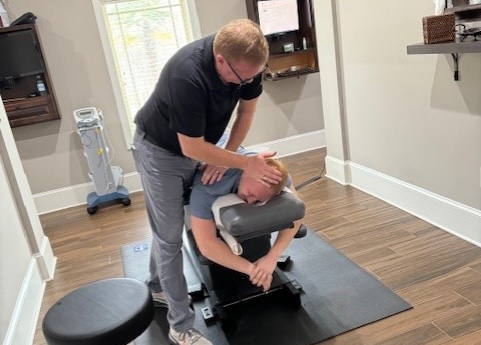

If you've ever experienced that persistent discomfort in your upper back, rest assured, you're not alone. Many individuals grapple with this issue, often without fully understanding what might be causing it. As a local chiropractor, I want to help you uncover the factors contributing to your pain by examining aspects like your posture, daily habits, and even your stress levels.
It's essential to recognize that the solutions you may be relying on—like stretching or simply adjusting your chair—might not be addressing the root cause of your discomfort. Alleviating upper back pain goes beyond these temporary fixes. Through chiropractic care, we can explore holistic approaches tailored to your specific needs, promoting natural healing and long-lasting relief.
Let's delve into some key insights and techniques that could significantly enhance your journey toward comfort and well-being. Your path to relief may be closer than you think!
Understanding Upper Back Pain
As a local chiropractor, I want to help you understand upper back pain and its implications for your overall health. When you experience discomfort in your upper back, it often signals that something isn't quite right in your body. This pain can take different forms—be it a sharp sensation, a dull ache, or even muscle stiffness. Recognizing the nature of your pain is crucial for finding effective relief.
Your upper back, known as the thoracic spine, is home to essential structures such as muscles, ligaments, and vertebrae that work together to support your posture and enable movement. Engaging in repetitive activities or maintaining poor posture can put unnecessary strain on these structures. Over time, this stress can lead to inflammation and pain, making even simple daily tasks feel daunting.
It's important to observe when and how your pain manifests. Does it worsen after long hours of sitting at a desk, or does it flare up during physical activities? Identifying these patterns can help you pinpoint potential triggers. You might also notice that your pain can fluctuate with changes in your activity level or even emotional stress, as tension can physically manifest in your body.
Furthermore, lifestyle factors play a significant role in how you feel. A lack of exercise, insufficient sleep, and dietary choices can all contribute to discomfort in your upper back. By acknowledging these influences, you can take proactive steps to address and alleviate your pain.
At our chiropractic practice, we believe in empowering you with knowledge about your body. By understanding the specific details of your upper back pain, you can seek appropriate treatments and make necessary adjustments in your life. This journey towards relief will pave the way for a healthier, more comfortable lifestyle.
If you're ready to explore natural healing options, we're here to guide you every step of the way.
Common Causes of Discomfort
As a local chiropractor, I want to help you understand the various triggers behind upper back pain so you can take effective action toward relief. Recognizing the root causes of your discomfort is essential, as it allows us to address the issues rather than just mask the symptoms.
Here are some common culprits to consider:
- Poor ergonomics: Many of us spend long hours hunched over computers or slouched on the couch, which can lead to significant strain on your upper back. It's crucial to evaluate your workstation setup and ensure that it promotes good posture.
- Muscle strain: Activities like lifting heavy objects, sudden movements, or repetitive motions can overwork the muscles in your upper back. Pay attention to how you lift and engage in physical activities to prevent unnecessary strain.
- Stress and tension: Emotional stress often translates into physical symptoms, including tightness and discomfort in the upper back. It's important to recognize that mental well-being plays a significant role in your physical health.
- Inactivity: A sedentary lifestyle can weaken the muscles in your upper back, making them more susceptible to injury. Incorporating regular movement and exercise can help strengthen these areas and promote overall wellness.
By understanding these common causes, you can take proactive steps toward improving your upper back health.
If you're experiencing discomfort, don't hesitate to reach out. Together, we can create a personalized plan to address your specific needs and enhance your natural healing process.
Importance of Good Posture
As a local chiropractor, I want to emphasize the importance of good posture for maintaining a healthy upper back and preventing discomfort. Many people underestimate how much proper alignment impacts their overall well-being. When you sit or stand with correct posture, your spine can effectively support your body's weight, reducing unnecessary strain on your muscles and ligaments. This not only helps to alleviate any existing pain but can also prevent future issues from developing.
You may not be aware, but your body positioning plays a crucial role in how your upper back feels. For example, when you slouch or lean forward, you're placing additional pressure on your spine, which can lead to muscle fatigue and discomfort over time. By consciously correcting your posture, you can alleviate the burden on vulnerable areas and promote better spinal health.
To practice good posture, begin by ensuring that your head is aligned with your shoulders and that your ears are in line with your hips. Whether you're sitting at your desk, standing, or walking, remember to keep your shoulders relaxed and avoid tensing up.
If you tend to sit for extended periods, I encourage you to take short breaks to stretch and readjust your position. Incorporating ergonomic furniture into your workspace can also make a significant difference. A chair with proper lumbar support encourages you to maintain good posture while you work.
By prioritizing your posture, you're not just addressing discomfort; you're investing in a healthier lifestyle overall. Remember, small adjustments can lead to significant improvements in how your upper back feels.
Effective Stretching Techniques
As a local chiropractor, I want to emphasize that maintaining good posture is just the start of promoting a healthy upper back. One of the key components of chiropractic care and natural healing is incorporating effective stretching techniques into your daily routine.
These stretches can help alleviate tension and enhance flexibility, which is vital for overall spinal health. Here are some stretches that I recommend to my patients:
- Cat-Cow Stretch: Start on your hands and knees. This dynamic movement involves alternating between arching your back like a cat and gently lowering it down like a cow. This stretch helps to mobilize your spine and improve its flexibility.
- Child's Pose: Kneel on the floor and sit back on your heels, extending your arms forward on the ground. This position helps to lengthen your spine and provides a soothing stretch that relaxes the upper back.
- Thoracic Rotation: While sitting in a chair with your feet flat on the ground, place your right hand on the back of the chair. Gently twist your torso to the right, allowing for a gentle stretch along your spine. Remember to repeat this on the left side as well. This movement promotes mobility in your thoracic spine, which is often neglected.
- Doorway Stretch: Stand in an open doorway and place your arms on the frame. Lean forward slowly to stretch your chest and shoulders. This stretch can significantly relieve tightness in your upper back, which is common in individuals who sit for prolonged periods.
Incorporating these stretches into your daily regimen can greatly support your chiropractic care and help you achieve a healthier spine.
Strengthening Exercises for Relief
As your local chiropractor, I want to share some valuable insights on how to effectively relieve upper back pain. A key aspect of this involves focusing on strengthening exercises that promote core stability and improve your posture.
These exercises can play a significant role in your recovery and long-term health. In addition to strengthening, incorporating upper back stretching techniques into your routine is crucial.
These stretches help to alleviate tension and enhance flexibility. By combining these practices, you can build resilience in your upper back and significantly reduce discomfort.
Core Stability Exercises
As a local chiropractor, I want to emphasize the importance of building a strong core for alleviating upper back pain. A stable core provides vital support for your spine, helping to distribute loads evenly and reduce strain on the upper back.
Here are some effective core stability exercises that I recommend incorporating into your routine:
- Planks: This exercise involves holding a plank position for 30 seconds to a minute. Ensure your body remains in a straight line, which engages your core muscles effectively.
- Dead Bugs: Start by lying on your back with your legs raised and arms extended towards the ceiling. Alternate extending opposite limbs while keeping your core engaged throughout the movement.
- Bird-Dogs: Begin on all fours, then extend one arm forward while simultaneously extending the opposite leg back. Switch sides while maintaining your balance to enhance core stability.
- Side Planks: Lie on your side and lift your body off the ground, holding this position to strengthen your obliques, which are crucial for overall core stability.
Incorporating these exercises into your weekly routine can significantly improve your core strength, leading to better posture and a reduction in upper back discomfort.
Remember, consistency is key! As your core strengthens, you may experience relief from tension in your upper back, allowing you to engage in daily activities with greater ease and comfort.
If you have any questions about these exercises or how they relate to chiropractic care, feel free to ask during your next visit!
Upper Back Stretching
As a chiropractor, I want to emphasize that strengthening your core is just one aspect of addressing upper back pain.
It's equally important to incorporate upper back stretching into your routine to enhance flexibility and relieve tension. By integrating effective stretches into your daily activities, you can significantly reduce discomfort and improve your overall mobility.
Let's start with a foundational stretch known as the cat-cow stretch. Position yourself on your hands and knees. As you arch your back upwards, tuck your chin toward your chest. Then, gently dip your back down while lifting your head and tailbone. This dynamic motion is excellent for loosening tight muscles that may contribute to upper back pain.
Next, consider trying the thread-the-needle stretch. While on all fours, slide your right arm under your left arm and allow your shoulder and cheek to rest on the floor. This stretch effectively targets the upper back and shoulders, providing a deeper release of tension.
Another beneficial stretch is the doorway stretch. Stand in a doorway, place your arms against the door frame, and lean forward gently. You should feel a delightful stretch across your chest and upper back.
For optimal results, hold each stretch for 15-30 seconds and repeat them a few times throughout the day. This practice can be incredibly effective in easing tension and pain in your upper back.
Posture Improvement Techniques
As a local chiropractor, I want to share some insights about the importance of good posture and how it plays a vital role in your overall health.
Good posture isn't just about sitting up straight; it involves engaging the right muscles to support your spine effectively. Many patients report experiencing upper back pain, and I often recommend strengthening exercises to improve posture and alleviate discomfort.
Here are some essential techniques that can make a significant difference:
- Wall Angels: This exercise is simple yet effective. Stand against a wall with your arms raised, and slowly slide them up and down while keeping your back flat against the wall. This movement strengthens the shoulder and upper back muscles, which are crucial for proper alignment.
- Planks: Holding a plank position is fantastic for engaging your core. This exercise not only stabilizes your spine but also strengthens your overall posture, which can help mitigate pain and discomfort.
- Scapular Retraction: Whether you're sitting or standing, practice pulling your shoulder blades back and down, holding the position for a few seconds. This exercise targets the muscles that keep your shoulders aligned, promoting better posture.
- Thoracic Extensions: If you have a chair with a backrest, sit comfortably and place your hands behind your head. Gently arch your upper back over the backrest, which opens up your chest and helps relieve tension in the upper back area.
Incorporating these exercises into your daily routine can lead to significant improvements in your posture and overall well-being.
Consistency is key, and over time, you may find that your upper back pain diminishes as your posture improves. As your chiropractor, I'm here to support you on your journey to better health through natural healing practices.
Stress Management Strategies
As a chiropractor, I often see patients who experience upper back pain that's significantly influenced by stress. It's important to understand that stress can cause your muscles to tighten, particularly in the upper back, leading to discomfort and pain. One of the first steps I recommend to my patients is to identify their stressors.
Take a moment to write down what's on your mind; simply acknowledging these stressors can be a powerful way to lighten your emotional load.
Incorporating relaxation techniques into your daily routine can greatly assist in managing stress levels. For instance, deep breathing exercises can be incredibly beneficial. I suggest setting aside a few minutes each day to engage in deep, slow breaths. This practice not only helps reduce muscle tension but also promotes overall relaxation throughout your body.
Another effective method is progressive muscle relaxation, where you intentionally tense and then relax different muscle groups, allowing built-up stress to dissipate.
Physical activity is also a key component in managing stress and, as a result, can help alleviate upper back pain. Regular exercise triggers the release of endorphins, which are natural pain relievers and mood enhancers. I recommend finding an activity that you enjoy—be it walking, yoga, or dancing—because even short episodes of movement can make a significant difference in your stress levels.
Mindfulness and meditation are additional powerful tools I encourage my patients to explore. Dedicating just a few minutes each day to focus on the present moment and observe your thoughts without judgment can help cultivate a sense of calm and clarity.
Finally, the importance of social support can't be overstated. Connecting with friends and family provides emotional outlets and fosters a sense of belonging, both of which are essential for reducing stress.
Ergonomic Adjustments at Work
As a local chiropractor, I want to emphasize the importance of making ergonomic adjustments in your workplace to alleviate upper back pain and enhance your overall well-being.
A workspace designed to support your body's natural posture can significantly improve your ability to concentrate and maintain productivity throughout your day. Here are some essential adjustments I recommend for your workspace:
- Chair Height: It's crucial to adjust your chair so that your feet rest flat on the floor, with your knees forming a 90-degree angle. This alignment not only helps distribute your weight evenly but also alleviates unnecessary pressure on your back.
- Desk Setup: Position your computer monitor at eye level. This prevents straining your neck and encourages a more natural alignment of your spine. Ideally, the top of the screen should be just below your eye level and approximately an arm's length away to keep your back in a neutral position.
- Keyboard and Mouse Position: Ensure that your keyboard and mouse are within easy reach, allowing your elbows to stay close to your body at a 90-degree angle. This minimizes strain on your arms and shoulders, promoting better posture and reducing discomfort.
- Regular Breaks: I recommend setting a timer to remind you to take short breaks every hour. During these breaks, stand up, stretch, or take a brief walk. This practice helps keep your muscles active and reduces tension that can build up from prolonged sitting.
By incorporating these ergonomic adjustments, you can create a healthier work environment that supports your spine and overall health.
Heat and Cold Therapy
As your local chiropractor, I want to share some valuable insights about managing upper back pain through heat and cold therapy. These natural methods can be incredibly effective in reducing discomfort and supporting your healing process.
Let's start with heat therapy. By increasing blood flow to the affected area, heat helps to relax tight muscles and alleviate stiffness. You might consider using a warm compress, a heating pad, or enjoying a soothing warm shower.
Just remember to keep the heat at a comfortable level to avoid burns. Heat therapy is especially beneficial for chronic pain or muscle tension, making it a great option after a long day of work or stress.
Conversely, cold therapy is excellent for numbing pain and minimizing inflammation. You can easily apply a cold pack or a bag of ice wrapped in a cloth to the affected area. Aim for about 15-20 minutes of application at a time.
Cold therapy is particularly effective after activities that might aggravate your upper back pain, like lifting heavy objects or sitting for extended periods.
By understanding how to use these therapies effectively, you can take an active role in managing your upper back pain and enhancing your overall well-being.
If you have any questions or need personalized advice, feel free to reach out or schedule an appointment. Your path to natural healing is just a conversation away!
When to Seek Professional Help
As a local chiropractor, I want to help you understand when it's important to seek professional assistance for upper back pain. While many people can manage their discomfort at home, there are specific signs that indicate it may be time to consult a healthcare professional like myself. Ignoring these signs can lead to prolonged discomfort or even more serious issues.
Here are some key indicators you shouldn't overlook:
- Persistent Pain: If your upper back pain sticks around for more than a few weeks, even with self-care measures, it's a good idea to get a professional opinion. Chiropractic care can provide relief and address the underlying causes.
- Radiating Symptoms: Experiencing pain that travels down your arms or legs, or feeling numbness and tingling, could indicate nerve involvement. These symptoms suggest that it's important to seek an expert's evaluation to prevent further complications.
- Limited Mobility: If you find it difficult to perform daily activities or notice a significant decrease in your range of motion, these are red flags that should prompt a consultation. Chiropractic adjustments can help restore mobility and function.
- Accompanied Symptoms: If your back pain comes with unexplained weight loss, fever, or issues with bowel or bladder control, it's crucial to seek medical help immediately. These symptoms may require urgent attention.
Don't hesitate to reach out to me or another healthcare provider if you're experiencing any of these symptoms.
Through chiropractic care, we can identify the underlying cause of your pain and recommend appropriate treatments such as spinal adjustments, therapeutic exercises, or lifestyle modifications.
Conclusion
As a local chiropractor, I want to help you understand the underlying causes of your upper back pain and guide you towards effective, natural solutions for lasting relief. It's essential to recognize the importance of maintaining good posture in your daily activities, as well as incorporating stretching and strengthening exercises into your routine. Managing stress is also crucial, as it can contribute to muscle tension and discomfort.
In addition to these lifestyle adjustments, making ergonomic changes to your workspace can significantly impact your comfort levels. Utilizing heat or cold therapy can provide immediate relief, but remember, if your pain continues to linger, seeking professional chiropractic care can offer personalized treatment options tailored to your needs.
By taking these proactive steps, you'll be on your way to enjoying a more comfortable, pain-free life. Remember, natural healing and wellness are within your reach, and I'm here to support you on this journey.