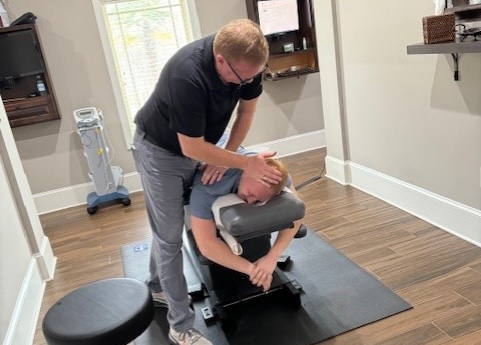

Your posture plays a crucial role in managing back pain, often more than you might think. When you maintain proper alignment, you can significantly reduce stress on your spine and the surrounding muscles. It’s not just about how you sit or stand; there’s a deeper connection between your posture and overall back health.
As a local chiropractor, I want to share how improving your posture can lead to better spinal health and help relieve pain naturally. Here are a few key factors to consider:
- Alignment Awareness: Being mindful of your posture throughout the day can make a big difference. Whether you’re sitting at a desk or standing in line, keeping your spine aligned helps distribute weight evenly, preventing unnecessary strain.
- Strengthen Your Core: A strong core supports your spine and helps maintain good posture. Incorporate simple exercises into your routine, like planks or bridges, to build strength in your abdominal muscles.
- Ergonomic Setup: If you work at a desk, ensure your workspace is ergonomically friendly. Your chair should support your lower back, and your screen should be at eye level. Small adjustments can lead to significant improvements in your posture.
- Stretch Regularly: Tight muscles can pull your spine out of alignment. Regular stretching can help alleviate tension and improve flexibility. Simple stretches like reaching for your toes or gentle backbends can be very beneficial.
- Chiropractic Care: Regular visits to a chiropractor can help correct misalignments and improve your posture. Chiropractic adjustments not only relieve pain but also promote overall wellness by ensuring your spine is functioning optimally.
By focusing on these aspects of posture and incorporating chiropractic care into your routine, you can take significant steps toward alleviating back pain and enhancing your overall health. Remember, small changes can lead to big results—so why not start today?
The Role of Alignment in Reducing Pain
When your body is properly aligned, you’re likely to experience less pain, especially in your back. Good alignment allows your spine to maintain its natural curves, which helps distribute weight evenly and reduces stress on your muscles and ligaments. This balance is essential for minimizing tension, a common source of discomfort.
You may not realize it, but even small adjustments to your posture can lead to significant improvements in how you feel. When you sit or stand with correct alignment, you’re less likely to strain your back during everyday activities. Simple tips like keeping your shoulders back, your feet flat on the ground, and your head in line with your spine can make a big difference.
Also, when lifting or reaching, remember to bend at your knees and keep the object close to your body to protect your spine.
Incorporating exercises that promote strength and flexibility is another great way to support alignment. As your muscles become stronger and more adaptable, maintaining proper posture will become easier. Activities like yoga or Pilates can be particularly beneficial in enhancing your body’s balance and flexibility.
Chiropractic care is an excellent option for achieving and maintaining proper alignment. Regular adjustments can help ensure that your spine is functioning optimally, reducing pain and promoting overall wellness.
How Sitting Posture Affects Back Health
Proper alignment is crucial not just when you’re standing or moving, but also when you’re sitting. Maintaining the natural curves of your spine while seated can significantly impact your back health.
When you slouch or lean forward, it places unnecessary strain on your back muscles and spinal discs, leading to discomfort and pain.
Here are some simple tips to help you sit properly and support your back health:
- Feet Flat on the Floor: Ensure your feet are flat on the ground. This helps stabilize your body and reduces pressure on your lower back.
- Knees at Hip Level: Your knees should be at the same level as your hips. This position promotes better alignment and helps in distributing your weight evenly.
- Back Support: Choose a chair that offers good lumbar support, or use a cushion to maintain the natural curve of your lower back. This can make a significant difference in your comfort level.
- Take Breaks: Remember to stand up, stretch, and walk around periodically. Staying seated for long periods can exacerbate back issues, so regular movement is essential.
Incorporating these practices into your daily routine can help prevent discomfort and promote better spinal health.
Additionally, consider visiting a chiropractor for a personalized assessment and treatment plan. Chiropractic care focuses on natural healing and optimal wellness, helping you achieve long-term relief from pain without the need for medications or surgeries.
Embrace a healthier lifestyle through proper posture and chiropractic support!
The Impact of Standing Posture on Spinal Support
Maintaining a strong standing posture is crucial for ensuring optimal spinal support and promoting overall health. As a chiropractor, I can tell you that when you stand correctly, you help your body distribute weight evenly, which reduces strain on your spine.
Here are four key benefits of good standing posture that can contribute to your well-being:
- Enhanced Alignment: Keeping your spine aligned properly is vital for preventing injuries and discomfort. Regular chiropractic adjustments can help maintain this alignment, allowing your body to function at its best.
- Improved Circulation: Good posture encourages effective blood flow, which is essential for delivering nutrients to your muscles and tissues. When your spine is in alignment, your body can operate more efficiently, leading to better overall health.
- Increased Stability: A solid stance improves your balance, which can help reduce the risk of falls and accidents. Practicing standing exercises and incorporating stability techniques can further enhance your posture and balance.
- Reduced Fatigue: Standing tall enables your muscles to work more efficiently, which can decrease fatigue and discomfort throughout the day. Regular chiropractic care can support your body’s natural ability to maintain this energy-efficient posture.
To improve your standing posture, consider these simple tips:
- Be mindful of your alignment: Keep your shoulders back and your head level.
- Engage your core: A strong core supports your spine and helps maintain good posture.
- Take breaks: If you stand for long periods, take short breaks to stretch and relieve tension in your muscles.
The Connection Between Posture and Muscle Tension
Posture is incredibly important when it comes to managing muscle tension and overall well-being. As a chiropractor, I often see how slouching or hunching over can lead to unnecessary strain on your muscles, causing discomfort and fatigue.
When your posture is poor, it compresses your muscles and joints, which can create tightness, especially in the neck, shoulders, and back. Many people don’t realize that sitting for long periods without proper alignment can lead to imbalances in the body, making muscle tension even worse.
Conversely, when you maintain a neutral spine, your muscles are able to relax and function properly. Good posture helps distribute weight evenly across your body, which reduces stress on specific muscle groups. This is where chiropractic care comes in. Regular adjustments can help align your spine, improving your posture and allowing your body to heal naturally.
Here are a few simple tips to help you maintain good posture throughout your day:
- Ergonomic Workspace: Ensure your chair and desk are set up to support a neutral spine. Your feet should be flat on the ground, and your computer screen should be at eye level.
- Take Breaks: If you’re sitting for extended periods, make it a habit to stand up and stretch every 30 minutes. Simple stretches can alleviate tension and keep your muscles relaxed.
- Mind Your Alignment: Be mindful of your posture when standing or walking. Keep your shoulders back, and engage your core to support your spine.
- Chiropractic Care: Consider visiting your chiropractor regularly. They can provide adjustments to improve your spinal alignment, which can significantly reduce muscle tension and enhance your overall well-being.
Taking these steps can make a big difference in how you feel day-to-day. Remember, your posture not only affects your muscle health but also your overall quality of life.
Strategies for Improving Posture to Alleviate Pain
Improving your posture is a vital step towards alleviating pain and discomfort that you might be experiencing. By making simple adjustments in your daily routine, you can significantly reduce strain on your back and enhance your overall well-being.
As a chiropractor, I believe that these strategies can lead to natural healing and help you achieve optimal health without relying on surgery or medications. Here are four effective strategies to improve your posture and support your spine:
- Be Mindful of Your Sitting Position: When sitting, keep your feet flat on the ground and ensure your back is straight against the chair. If you find yourself slouching, consider using a cushion or lumbar roll for extra support. Proper sitting mechanics protect your spine and help prevent discomfort.
- Strengthen Core Muscles: A strong core is essential for maintaining good posture. Engage in simple exercises that target your abdominal and back muscles, such as planks or bridges. These exercises not only support proper alignment but also promote a healthier spine, which is key to overall wellness.
- Adjust Your Workstation: Your workstation setup can significantly impact your posture. Make sure your computer screen is at eye level to avoid straining your neck. Additionally, invest in a chair that properly supports your lower back to help maintain the natural curve of your spine.
- Incorporate Regular Breaks: Remember to stand up, stretch, and move around every hour. Taking these breaks helps reduce stiffness and encourages better posture. Simple stretches can also help realign your spine and keep your body feeling good throughout the day.
By incorporating these strategies into your daily routine, you’ll not only improve your posture but also support your overall health and wellness.
Chiropractic care complements these practices by focusing on spinal alignment and natural healing, making it an excellent choice for those looking to achieve pain relief and enhance their quality of life.
Conclusion
Incorporating good posture into your daily routine can significantly alleviate back pain and is a key component of your journey to optimal health. When you prioritize proper alignment—whether sitting or standing—you help reduce unnecessary strain on your spine and muscles. Engaging your core muscles and remembering to take regular breaks to stretch can enhance your comfort even further.
As a chiropractor, I can tell you that small adjustments to your posture can lead to substantial relief over time. Simple tips like keeping your feet flat on the ground while sitting, aligning your ears with your shoulders, and using ergonomic furniture can make a world of difference.
Don’t underestimate the power of mindful posture; it’s an essential part of natural healing and wellness. By focusing on maintaining good posture and making chiropractic care a part of your routine, you can achieve a pain-free back and improve your overall health. Remember, chiropractic care is designed to support your body’s natural ability to heal and function at its best, helping you live a healthier, more active life!