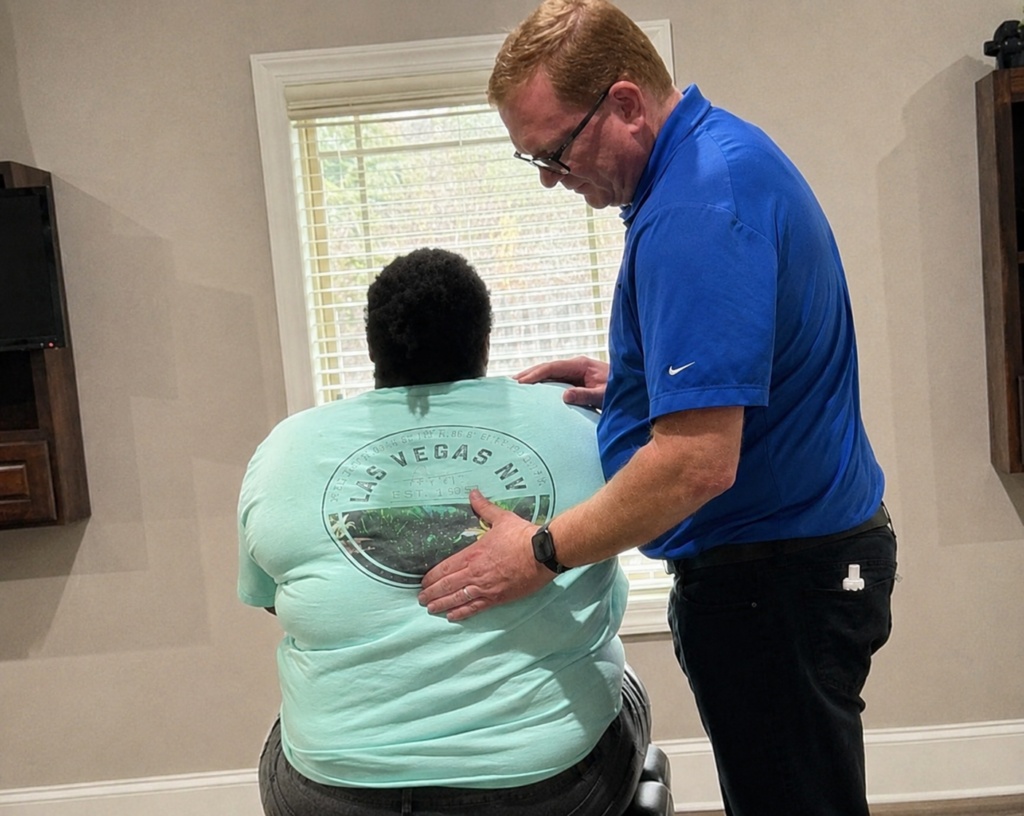

As a local chiropractor dedicated to promoting natural healing and overall wellness, I want to emphasize the importance of safe techniques for infants and toddlers in their daily care. Ensuring their well-being involves not just chiropractic adjustments but also creating a safe and nurturing environment.
For instance, when it comes to sleep practices, it's vital to lay your baby down on their back, which is a standard recommendation to reduce the risk of sleep-related issues. Additionally, using properly fitted car seats is crucial for their safety during travel.
However, safety extends beyond these basics. It's essential to childproof your home to prevent accidents and to be prepared for emergencies. Understanding how to create a safe space for your little ones can make a significant difference in their health and development.
As a chiropractor, I can also help parents understand the benefits of gentle spinal adjustments for infants and toddlers, which can support their growth and development. Embracing these safe techniques and natural healing approaches can contribute to a happier, healthier life for your child.
Safe Sleep Practices
As a local chiropractor dedicated to the well-being of families, I want to emphasize the importance of safe sleep practices for your baby. Just like proper spinal alignment is crucial for overall health, ensuring your baby sleeps safely is essential for their development and peace of mind for you as parents.
First and foremost, it's critical to place your baby on their back to sleep. This position significantly lowers the risk of Sudden Infant Death Syndrome (SIDS). While you may think that your baby appears more comfortable on their side or stomach, it's vital to prioritize their safety by adhering to the back-sleeping position.
Next, consider the sleep environment. Just as we recommend avoiding clutter that can disrupt spinal health, it's essential to keep your baby's crib or bassinet free from soft bedding, pillows, toys, and bumper pads. These items can create suffocation hazards, so use a firm mattress with a fitted sheet to ensure a safe sleeping space.
Room temperature is another crucial aspect. Overheating can elevate the risk of SIDS, so dress your baby in light sleep clothing and consider using a sleep sack instead of blankets. Your goal is to keep your baby cozy while preventing overheating, much like how we advise our patients to maintain a comfortable temperature during their chiropractic adjustments.
Additionally, research suggests that using a pacifier during naps and bedtime can help lower the risk of SIDS. Once breastfeeding is well-established, introducing a pacifier can be beneficial.
Lastly, creating a smoke-free environment is vital for your baby's safety, just as we encourage a toxin-free lifestyle for optimal health.
Childproofing Your Home
As a local chiropractor, I understand that ensuring the safety and well-being of your little ones extends beyond physical health; it also involves creating a secure environment in your home.
Just as we take steps to protect our bodies from injury, we must also childproof our spaces to prevent accidents that can lead to discomfort or distress for your infants and toddlers.
Identifying hazardous areas in your home is crucial, much like recognizing the signs of strain or misalignment in your body.
Implementing effective safety measures—such as securing heavy furniture, covering electrical outlets, and using safety gates—can help create a nurturing environment for your children to explore freely.
Let's delve into the key steps to ensure a safe and healthy atmosphere for your little ones, as it's just as important as maintaining their overall health through chiropractic care and natural healing practices.
Essential Safety Measures
As a local chiropractor, I understand the importance of creating a safe and nurturing environment for your little ones, especially as they grow and begin to explore their surroundings. Just as we prioritize physical health through chiropractic care, it's crucial to ensure that your home is a safe haven for infants and toddlers.
Start by securing heavy furniture, such as bookshelves and dressers, to the wall to prevent accidents. This is similar to how we align the spine to prevent injuries—stability is key. Use corner guards on sharp edges of furniture to minimize the risk of injury as your child learns to crawl and walk.
Installing safety gates at the top and bottom of stairs is another essential step. Just as we advise patients to take precautions to avoid strain or injury, these gates help restrict access to potentially dangerous areas. Ensure that these gates are sturdy and properly mounted for maximum safety.
It's also important to keep small items, choking hazards, and toxic substances, such as cleaning supplies and medications, out of reach or locked away in cabinets. This is akin to how we advise patients to avoid harmful substances and practices for optimal health.
Covering electrical outlets with safety plugs can help prevent electrical shocks, much like how we protect the nervous system through careful adjustments. Opt for non-toxic materials for toys and furniture to ensure your child can safely explore their environment.
Additionally, consider using window guards or stops to prevent falls, especially in multi-story homes. Regularly inspecting your home for potential dangers and adapting your safety measures as your child grows is just as important as maintaining your own health through regular chiropractic care.
Hazardous Areas to Address
As a local chiropractor, I believe that creating a safe and healthy home environment is crucial for your family, especially for young children. When it comes to childproofing, it's important to identify hazardous areas that can lead to both physical injuries and stress on the body.
Begin by examining your living room for furniture with sharp edges. These can't only cause cuts but also lead to falls that may affect spinal alignment. Installing corner guards can help soften these edges and protect your little ones.
Next, turn your attention to the kitchen. This space is rife with potential hazards, including hot surfaces, sharp utensils, and toxic cleaning supplies. To promote safety, secure kitchen cabinets with childproof locks, ensuring that harmful substances are kept out of reach. This not only protects your child but also reduces your stress as a parent.
Don't forget about the bathroom. This area often contains medications and cleaning products that should be stored securely. Always keep the toilet lid closed, and consider a toilet lock to prevent any drowning risks. A safe bathroom contributes to a more relaxed and healthy environment for the entire family.
Stairs can be a significant risk as well. Ensure you have sturdy gates at both the top and bottom to prevent falls, which can lead to misalignments and discomfort. Also, check your windows for accessible screens or cords, as these can pose choking hazards for curious toddlers.
Lastly, outdoor areas require careful attention. If you have a pool, proper fencing is essential for safety. Be cautious of garden tools and chemicals stored outside; these can't only be hazardous but can also create stress and tension for parents trying to maintain order.
Proper Car Seat Use
As a local chiropractor, I understand the importance of safety for your little ones, especially when it comes to car travel. Proper car seat use is crucial not only for their safety but also for their overall well-being.
It's essential that you install the car seat correctly and select one that's appropriate for your child's age and size.
Let's discuss some best practices for installation as well as the right types of seats that will support your growing child's spine and posture.
Keeping your child safe in the car is a step towards promoting their health and ensuring they develop properly.
Correct Installation Methods
As a chiropractor, I want to emphasize the importance of ensuring your child's car seat is installed correctly, as it not only promotes safety but also contributes to their overall well-being during travel.
Start by thoroughly reviewing the car seat manual along with your vehicle's owner manual. These resources provide vital instructions tailored to your specific car seat model and vehicle type.
It's crucial to install the car seat in the back seat, which is the safest location for young children. Once installed, check that the car seat is secure; it shouldn't budge more than an inch either side to side or front to back when you tug at the base.
Be sure to use either the seatbelt or the LATCH system, adhering closely to the provided instructions. If you opt for the seatbelt, ensure it's locked and that the belt path is free of twists and turns.
Next, make sure the harness straps are adjusted to fit snugly against your child's shoulders. The chest clip should rest at armpit level, and you should be able to fit only one finger between the straps and your child's chest, ensuring they're secure yet comfortable.
Finally, I encourage you to schedule a car seat inspection at a local safety event or seek out a certified technician. They can offer expert advice and confirm that everything is set up properly.
Age-Appropriate Seat Types
As a local chiropractor, I want to emphasize the importance of choosing the right car seat for your child, as it plays a crucial role in their safety and spinal health during every ride.
Understanding the age and weight requirements of car seats is essential to ensuring your little one is well-protected.
For infants, it's advisable to use a rear-facing car seat. This position provides optimal support for their delicate necks and developing spines, which is critical during their early growth stages.
Keep your infant in this configuration until they reach the maximum weight or height limit indicated by the manufacturer.
As your child grows, it's time to transition to a forward-facing car seat that includes a harness.
While many parents make this switch around the age of two, it's vital to adhere to the manufacturer's guidelines for the best safety practices.
Once your child exceeds the limits of the forward-facing seat, the next step is to use a booster seat.
This type of seat elevates your child, ensuring that the vehicle's seat belt fits correctly across their lap and shoulder, which is essential for their overall safety and proper alignment.
By prioritizing the right car seat for your child, you're not just ensuring their safety on the road but also supporting their spinal development and overall health.
Safe Feeding Techniques
Feeding your infant or toddler can be a delightful journey, and as a local chiropractor, I want to emphasize the importance of safe feeding techniques not only for your child's nutritional well-being but also for their overall health and development.
Ensuring that your little one is seated comfortably in a high chair or booster seat is crucial. Always use the safety harness to prevent slips or falls during mealtime, which can lead to unnecessary strain on their growing bodies.
When it comes to introducing solid foods, it's essential to wait until your baby is at least six months old and demonstrates readiness, such as being able to sit up with support and showing interest in food.
Start with easily digestible options like single-grain cereals or pureed fruits and vegetables. Gradually introducing new foods one at a time can help you identify any potential allergies and smooth the transition to solid foods, which is key to maintaining good digestive health.
As you feed your child, remain attentive and avoid distractions such as phones or television. This focus not only helps you watch for any signs of choking but also encourages a mindful eating experience.
Offer small, manageable bites and encourage your child to chew thoroughly; this practice aids in digestion and promotes healthy spinal alignment as they develop their motor skills.
Be cautious with the types of foods you offer; avoid hard, round, or sticky items that could pose choking hazards, such as whole grapes, nuts, or popcorn. Always supervise mealtime and be prepared to respond if your child shows signs of distress.
Finally, create a positive eating environment that fosters a love for healthy foods. Make mealtime enjoyable and allow your child to explore new tastes and textures at their own pace.
By doing so, you're not only promoting healthy eating habits but also supporting their overall physical health, which is essential for their growth and development.
As a chiropractor, I encourage you to consider how these practices contribute to your child's well-being and their future health.
Bathing Safety Tips
As a chiropractor specializing in holistic health, I understand that bath time can be an enjoyable and soothing ritual for both you and your child. However, ensuring safety during this time is paramount to avoid unnecessary stress or injury. Here are some chiropractic insights on how to create a safe bathing experience.
Before you begin, it's important to gather all your bathing supplies—soap, shampoo, washcloth, and towels—within arm's reach. This prevents you from having to leave your child unattended, which can lead to accidents.
Prior to filling the tub, check the water temperature to ensure it's comfortably warm, ideally around 100°F (37.8°C). You can use your wrist or elbow to gauge the warmth, as these areas are more sensitive to temperature. Remember, never leave your little one alone in the bath, even for a moment. If something requires your attention, bring your child with you.
Incorporating a non-slip mat into your bathing area can help reduce the risk of slips and falls, which can lead to misalignments and discomfort. For older infants who can sit up, a bath seat can be useful, but it's crucial not to rely on it as a substitute for supervision. Always keep one hand on your child to ensure their stability and safety.
When it comes to washing your child, start from the top and work your way down. This method not only prevents soap from irritating their eyes but also aligns with the principle of gentle care—a core aspect of chiropractic philosophy. Make sure to rinse thoroughly to avoid any skin irritation, which can impact your child's overall comfort and well-being.
After bath time, swiftly wrap your child in a towel to keep them warm as you transition to dressing. This moment of care can enhance their sense of security and comfort, aligning with principles of natural healing and overall wellness.
Preventing Choking Hazards
As a local chiropractor, I want to emphasize the importance of creating a safe environment for your little ones, especially when it comes to preventing choking hazards. During those early years of development, infants and toddlers are naturally curious and often explore their surroundings by putting objects in their mouths. To keep them safe, it's essential to be proactive about the items they can access.
First, let's talk about toys. It's crucial to ensure that all toys are age-appropriate and free from small parts that could pose a choking risk. Look for toys specifically labeled for infants and toddlers, and make it a habit to regularly inspect them for any signs of wear and tear. If a toy is broken or damaged, it's best to dispose of it immediately to avoid any potential hazards.
Next, consider the foods you introduce to your child. When starting solids, focus on soft, easily chewable options. For instance, cut fruits and vegetables into small, manageable pieces, and hold off on hard candies, nuts, and popcorn until your child is older. Always supervise mealtimes and encourage your little one to chew their food thoroughly to reduce the risk of choking.
Creating a safe environment also means eliminating small objects from your home that could be hazardous, such as coins, buttons, and small batteries. Regularly check your child's play area for any choking hazards, and remain vigilant about items that could be easily swallowed.
Lastly, as part of your overall wellness, it's important to educate yourself on basic first aid for choking. Knowing how to respond in an emergency can make a significant difference.
Supervision Guidelines
As a local chiropractor, I want to emphasize the importance of supervision, not just in the context of child safety, but also in relation to how we care for our bodies and well-being. Just as parents must keep a watchful eye on their little ones, it's crucial for you to stay mindful of your body and its needs as you navigate daily life.
Just like infants and toddlers explore their surroundings with curiosity, we must explore our own health and wellness. Being engaged and attentive to how your body feels is essential. Avoid distractions that can prevent you from noticing signs of discomfort or tension, such as spending too much time on your phone or sitting idle for extended periods.
Instead, focus on your posture and movements, and be ready to make adjustments if you feel discomfort. When it comes to physical activity, it's beneficial to stay close to your limits, especially if you're trying new exercises or using equipment that requires proper technique.
Pay attention to how your body interacts with different activities, as improper movements can lead to strain or injury. Always be cautious with activities that involve physical exertion, as even minor missteps can lead to significant issues.
Establishing healthy boundaries is also a key part of maintaining well-being. Learn to recognize which activities or postures may not serve your body well and understand why they can be detrimental. This awareness will help you cultivate a better understanding of your body as you continue to grow.
Remember, our attention spans may be short, especially in today's fast-paced world. Stay alert to any signs of discomfort or misalignment and be ready to make corrections or seek assistance when needed.
Poison Control Measures
As a local chiropractor dedicated to your family's well-being, it's crucial to understand the potential hazards that can lie within your home, including common household poisons.
While my focus is on natural healing and holistic health, ensuring a safe environment is a fundamental part of maintaining overall wellness.
I encourage you to develop a proactive plan for emergency responses and take preventive measures against poisoning incidents.
By educating yourself about potential toxins and implementing effective strategies to safeguard your home, you can contribute to a healthier, safer space for your loved ones.
Let's work together to explore these important steps in protecting your family from these dangers, all while promoting a lifestyle that embraces natural healing and wellness.
Common Household Poisons
As a local chiropractor, it's essential to ensure your home environment promotes health and safety, especially for infants and toddlers who are particularly vulnerable. Many common household items can pose serious risks, and it's important to be aware of them to prevent accidents and injuries.
Cleaning products, medications, and personal care items are often brightly colored and have appealing scents, which can attract curious little ones. To maintain a safe environment, I recommend storing all cleaning products, such as bleach and detergents, in a locked cabinet or out of reach on a high shelf.
Similarly, medications—both prescription and over-the-counter—should be kept in childproof containers and stored securely away from children. Even common vitamins can be harmful if ingested in large quantities.
Additionally, be mindful of houseplants in your home, as some popular varieties can be toxic if ingested. It's worth taking the time to identify any plants you have and ensuring they're safe for your little ones.
Small items like batteries and magnets can also pose choking hazards or lead to serious internal injuries, so they should be kept out of reach.
Educating yourself about the potential household poisons in your environment and taking proactive measures to secure them is crucial. Regularly reviewing safety practices and discussing them with everyone in your household will help prevent access to these hazardous substances.
By being vigilant and creating a safe space, you can promote a healthier and safer home for your family, which aligns with the principles of natural healing that we embrace in chiropractic care.
Let's work together to keep our little ones safe and healthy.
Emergency Response Steps
Accidents can occur even in environments that seem completely safe, and knowing how to respond effectively is essential. As a chiropractor, I want to emphasize the importance of being prepared, especially when it comes to the health of your little ones. If you suspect your infant or toddler has ingested something poisonous, it's crucial to stay calm and act quickly.
Start by assessing the situation—identify what was ingested and how much. Look for any symptoms such as vomiting, difficulty breathing, or unusual behavior. These signs can indicate the severity of the situation and will be important for medical professionals to know.
Next, you should reach out to Poison Control at 1-800-222-1222. This hotline operates 24/7 and provides valuable guidance tailored to your specific situation. Having the product's container available will help them give you the most accurate advice regarding the substance involved.
It's important to remember that you shouldn't induce vomiting unless specifically directed by a medical professional, as this can sometimes lead to more harm. If your child experiences severe symptoms like seizures or loss of consciousness, don't hesitate to call 911 immediately.
While you await assistance, do your best to keep your child calm and comfortable. Monitor their condition closely and be prepared to share updates with emergency responders. Taking swift action can significantly impact your child's health and recovery.
As your chiropractor, I encourage you to stay informed and have emergency numbers readily accessible. Natural healing and chiropractic care can play a vital role in your family's overall well-being, and being prepared for unexpected situations ensures that you're ready to handle anything that comes your way.
Prevention Strategies for Families
As a local chiropractor dedicated to promoting holistic health, it's essential to create a safe environment for your family, especially for your little ones. One fundamental step is to ensure that all household chemicals, medications, and cleaning supplies are securely stored out of reach or in locked cabinets.
Regularly checking labels and keeping items in their original containers is crucial, as this can help prevent accidental poisonings and maintain a safe home.
It's also important to educate yourself and your family about the potential dangers of common household products. Keep the Poison Control Center's number readily accessible, perhaps saved in your phone for quick access. If you ever suspect that your child has ingested something harmful, don't hesitate to reach out for guidance.
Another key aspect of family safety involves childproofing your home. Utilizing safety latches on cabinets and ensuring that hazardous items are out of sight can significantly reduce risks.
Always supervise your little ones during playtime, particularly in high-risk areas like kitchens and bathrooms.
Finally, engage with your children about safety in a way that resonates with their age and understanding. Teaching them to recognize and avoid dangerous substances empowers them as they grow.
Safe Play Environment
As a local chiropractor dedicated to promoting overall well-being, I want to emphasize the importance of a safe play environment for children, particularly in relation to their physical health. While children are naturally curious and eager to explore, ensuring their play area is safe is crucial for their development and well-being.
When creating a designated play space, whether indoors or outdoors, it's vital to supervise your little ones closely. Ensure the area is free from sharp objects, small items that could be swallowed, or anything that might lead to trips or falls, as these accidents can lead to injuries that may affect their musculoskeletal health.
Consider incorporating soft mats or rugs to cushion falls during playtime. If you're setting up an outdoor space, be vigilant about potential hazards such as uneven ground or sharp branches that could cause injuries.
Choose age-appropriate toys that adhere to safety standards, and avoid those with small parts that pose choking risks for infants and toddlers. Encouraging safe and age-appropriate activities is essential.
Always supervise children, especially when they're using climbing structures or riding toys, to prevent accidents that could lead to misalignments or injuries. Promote games that encourage physical activity and social interaction, which not only enhance their physical health but also contribute positively to their emotional well-being.
Regularly inspect toys and play equipment for any signs of wear and tear. Discard broken toys immediately, and ensure that any outdoor play structures are well-maintained to minimize the risk of accidents.
Establishing rules for playtime can also be beneficial; teaching children to share and take turns fosters a positive environment and reduces potential conflicts that may lead to injuries.
Emergency Preparedness Essentials
As a local chiropractor, I want to emphasize the importance of not just physical health but also being prepared for emergencies in a way that aligns with natural healing principles.
Every family should have a solid emergency plan, especially when it comes to maintaining the well-being of your little ones. Start by creating a family emergency kit, which should include essentials like bottled water, non-perishable food, a flashlight, batteries, first-aid supplies, and any medications that your child may require.
Don't overlook the importance of comfort items, such as a favorite blanket or toy, which can help soothe them during stressful situations.
In addition to a physical kit, establishing a communication plan is vital. Ensure that every family member knows how to reach each other if you become separated. Designate a safe meeting spot either outside your home or within your neighborhood.
It's also beneficial to teach your child simple emergency numbers, such as 911, and practice what to do in various scenarios. Role-playing these situations can help them feel more at ease and prepared.
Regularly reviewing your emergency plan and kit is crucial. Just as we'd check the alignment of your spine, we need to check the expiration dates on food and medications, replacing items as necessary.
Staying informed about local emergencies, including severe weather or natural disasters, is essential, as is knowing your community's evacuation routes.
Lastly, I recommend considering a first-aid and CPR course, particularly one that focuses on care for infants and toddlers. Being knowledgeable and prepared to respond in a crisis can significantly impact your family's safety and well-being.
As we focus on natural healing and wellness, being prepared for emergencies is an extension of caring for your loved ones.
Conclusion
As a local chiropractor, I want to emphasize the importance of incorporating safe techniques for your infants and toddlers to promote their overall well-being. It's vital to create a secure environment, which includes safe sleep practices, childproofing your home, and ensuring that car seats are used properly.
When it comes to feeding, using safe techniques is crucial, and I encourage you to remain vigilant during bath time as well. Always supervise your little ones, and consider having poison control measures readily available. Having an emergency preparedness plan in place can give you peace of mind as a parent.
Chiropractic care can also play a role in your child's health. Gentle adjustments may help with their development and overall comfort, so it's worth exploring. Remember, a proactive approach to your child's safety and health makes all the difference! If you have any questions about how chiropractic care can support your family, feel free to reach out.