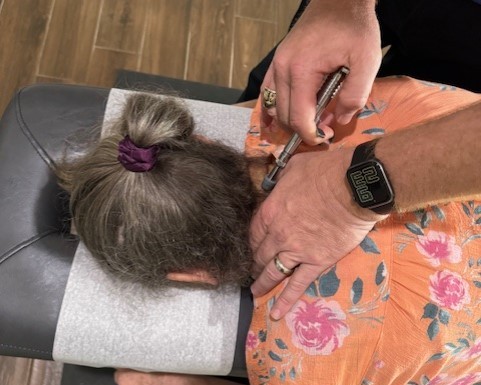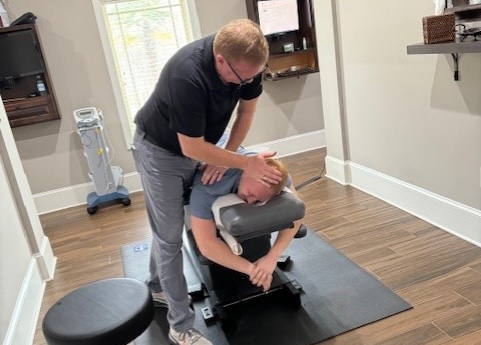

Chronic back pain can be a frustrating and debilitating condition that affects your daily life. As a chiropractor, I want to help you understand that this pain often stems from a mix of factors like poor posture, injuries, and even emotional stress. Recognizing these causes is crucial for finding effective ways to manage and alleviate your discomfort.
Chiropractic care is one of the best natural approaches to treating chronic back pain. By focusing on spinal alignment and function, we can help restore balance to your body, which is essential for pain relief and overall wellness. Through gentle adjustments and targeted therapies, chiropractic care can reduce inflammation, improve mobility, and promote your body’s natural healing processes.
In addition to chiropractic treatments, there are several simple lifestyle adjustments you can make to support your back health. Here are some tips:
- Practice Good Posture: Be mindful of how you sit and stand. Keeping your spine aligned can prevent unnecessary strain on your back muscles.
- Stay Active: Engage in regular physical activity, such as walking or stretching. Gentle exercises can strengthen your back and improve flexibility.
- Use Ergonomic Furniture: If you work at a desk, consider using an ergonomic chair and desk setup to support your posture.
- Manage Stress: Since emotional stress can contribute to muscle tension, incorporating relaxation techniques like deep breathing or yoga can be beneficial.
- Stay Hydrated: Drinking plenty of water helps keep your spinal discs hydrated and supports overall health.
By embracing these strategies alongside regular chiropractic care, you can take significant steps toward achieving optimal health and lasting relief from chronic back pain. Remember, the journey to wellness is a holistic one, and small changes can lead to big improvements in your quality of life.
Understanding Chronic Back Pain
When you’re experiencing chronic back pain, it’s crucial to understand the root causes and how they can impact your everyday life. This type of pain can linger for weeks or even months, making it challenging to complete daily tasks, work, or enjoy your favorite hobbies. You may find that specific movements trigger your pain or that it worsens when you sit or stand for long periods.
Understanding chronic back pain isn’t just about recognizing the symptoms; it’s also about realizing how it can affect your emotional well-being. Many people feel frustrated, anxious, or even depressed due to the limitations that chronic pain imposes. This is where chiropractic care shines as a natural and effective solution.
Chiropractic care focuses on the spine and how it interacts with the nervous system to promote overall health and wellness. By addressing misalignments in the spine, a chiropractor can help alleviate pain, improve mobility, and enhance your quality of life without the need for medications or surgery.
Here are some general tips to help manage your chronic back pain:
- Stay Active: Engaging in light exercises and stretches can help keep your spine flexible and strong. Consider activities like walking, swimming, or yoga, which can be gentle on your back.
- Practice Good Posture: Pay attention to your posture when sitting, standing, or lifting objects. Proper alignment can significantly reduce strain on your back.
- Use Heat and Cold Therapy: Applying a heating pad or cold pack to the affected area can provide relief. Heat relaxes muscles, while cold reduces inflammation.
- Stay Hydrated: Drinking plenty of water helps maintain the health of your spinal discs, which are essential for cushioning your vertebrae.
- Consider Chiropractic Adjustments: Regular visits to a chiropractor can help keep your spine aligned, relieve pain, and promote healing. Your chiropractor can also provide personalized advice tailored to your specific situation.
Common Causes of Chronic Back Pain
Chronic back pain can arise from a variety of factors, often working together to create a challenging situation for your overall well-being. One of the leading causes is poor posture. When you sit or stand incorrectly for long periods, you place undue stress on your spine and the muscles surrounding it, which can lead to persistent discomfort. Paying attention to your posture throughout the day is a simple yet effective way to help alleviate this strain.
Muscle imbalances can also contribute to back pain. For example, having weak core muscles or tight hamstrings can result in inadequate support for your spine, leading to discomfort. Incorporating strengthening exercises for your core and stretching routines for your hamstrings can help maintain a balanced and healthy back.
Degenerative conditions like arthritis can also play a role in chronic back pain by wearing down spinal structures over time. Regular chiropractic adjustments can help maintain spinal alignment and mobility, providing relief and supporting your body’s natural healing processes.
Don’t overlook the impact of stress and emotional well-being on your back health. When you’re stressed, your muscles tend to tighten, leading to discomfort. Engaging in relaxation techniques, such as deep breathing or gentle yoga, can help reduce stress and ease muscle tension.
Lastly, maintaining a healthy weight is crucial. Carrying excess weight increases the load on your back, making it more vulnerable to pain. Adopting a balanced diet and regular exercise can help you achieve and maintain a healthy weight, which is essential for a pain-free back.
Recognizing these causes is key to managing and treating your discomfort naturally. Chiropractic care is an excellent choice for addressing chronic back pain, as it focuses on restoring proper alignment and function of the spine to promote healing and overall wellness.
The Role of Injuries in Back Pain
Injuries significantly impact your experience with back pain, whether they occur suddenly or develop over time. It’s important to recognize that even a minor injury can lead to chronic conditions that may linger. By understanding how these injuries affect your back, you can make informed decisions about your health and wellness.
Chiropractic care is a fantastic option for addressing back pain caused by injuries. Chiropractors focus on the spine and its connection to overall health, utilizing natural healing techniques to promote recovery and wellness. By correcting misalignments and improving spinal function, chiropractic adjustments can help alleviate pain and restore mobility.
Here are some general tips for managing back pain and supporting your healing journey:
- Stay Active: Gentle movement and stretching can help keep your spine healthy. Activities like walking or yoga can be beneficial.
- Practice Good Posture: Be mindful of your posture when sitting and standing. Proper alignment helps reduce strain on your back.
- Use Ergonomic Support: If you work at a desk, invest in a chair that offers good lumbar support. This can help prevent additional strain on your back.
- Apply Heat or Cold: Using a heating pad or an ice pack can provide relief from back pain. Heat relaxes muscles, while cold reduces inflammation.
- Stay Hydrated: Drinking water is essential for maintaining the health of your spinal discs. Proper hydration can help keep your spine functioning optimally.
- Consult a Chiropractor: If you’re experiencing back pain, consider visiting a chiropractor. They can provide personalized care and guidance to help you achieve optimal health naturally.
By focusing on these strategies and considering chiropractic care, you can take proactive steps towards managing your back pain and enhancing your overall well-being.
Acute Injuries Impacting Back
Back pain is often thought to be a result of long-term issues, but many times, it can actually stem from acute injuries that occur suddenly. These injuries can bring on immediate discomfort, and understanding them is key to finding relief and preventing future issues.
Here are some common acute injuries that can affect your back, along with how chiropractic care can help:
- Sprains or strains: When you overstretch your muscles or ligaments, it can lead to significant pain. Chiropractic adjustments can help realign your spine and relieve tension in your muscles, promoting faster healing.
- Fractures: Falls or impacts may result in broken vertebrae. While chiropractors don’t treat fractures directly, they can support your recovery process by helping to maintain proper alignment and function as you heal.
- Herniated discs: Sudden movements can cause discs in your spine to bulge or rupture, leading to pain. Chiropractic care focuses on spinal adjustments that can help alleviate pressure on the affected discs and encourage healing without invasive procedures.
- Contusions: Bruises from trauma can cause inflammation and pain. Gentle chiropractic techniques can reduce inflammation and promote blood flow, speeding up recovery.
To support your back health, consider these tips:
- Maintain good posture: Whether sitting or standing, keeping your spine aligned can prevent strain.
- Stay active: Regular, low-impact exercise strengthens your back and improves flexibility.
- Use supportive furniture: Ensure your workspace is ergonomically designed to reduce stress on your spine.
- Stretch regularly: Incorporate gentle stretches into your routine to keep your muscles flexible and strong.
Chiropractic care is a natural approach to achieving optimal health and wellness. By addressing both acute injuries and ongoing back pain, you can find relief and enhance your overall quality of life.
Chronic Conditions From Trauma
When you experience trauma, even minor injuries can lead to long-lasting back pain if not properly addressed. Injuries like sprains, strains, or fractures can disrupt the natural alignment and function of your spine. Ignoring these injuries can lead to further complications over time, potentially resulting in chronic pain conditions such as herniated discs or osteoarthritis.
Your body may start to adapt to the pain by changing how you move, which can put extra strain on other areas and worsen the situation. That’s why it’s crucial to seek timely care when you experience any injury. Chiropractic care is a wonderful option for addressing these issues naturally. By focusing on spinal alignment and overall wellness, we can help you recover more effectively and prevent chronic conditions from developing.
In addition to chiropractic adjustments, consider incorporating some general tips into your routine to support your recovery:
- Stay Active: Gentle movement can help keep your body flexible and strong. Simple activities like walking or stretching can make a big difference.
- Practice Good Posture: Be mindful of your posture, whether sitting, standing, or lifting. Good posture helps maintain spinal alignment and can prevent further injury.
- Listen to Your Body: Pay attention to any discomfort or pain signals. If something doesn’t feel right, it’s important to address it early rather than letting it develop into a bigger issue.
- Stay Hydrated: Drinking plenty of water supports overall health and helps keep your spinal discs hydrated and functioning well.
- Prioritize Sleep: Quality sleep is essential for healing and recovery. Make sure your sleeping environment is comfortable and supportive for your spine.
By taking these steps and prioritizing chiropractic care, you can work towards a healthier, more active lifestyle while effectively managing and preventing chronic back pain.
Degenerative Conditions and Their Impact
Degenerative conditions, such as osteoarthritis and disc degeneration, can significantly affect your quality of life, often resulting in chronic back pain. As these conditions evolve, you may notice increased stiffness, limited mobility, and ongoing discomfort. Being aware of how they impact your body is crucial for managing your pain effectively.
Here are some key ways degenerative conditions can affect you:
- Joint Inflammation: Inflammation can lead to pain and restrict your movement. Chiropractic adjustments can help reduce inflammation and improve your joint function.
- Nerve Compression: When discs degenerate, they may press on nerves, resulting in radiating pain or numbness. Chiropractic care can alleviate this pressure and help restore proper nerve function.
- Reduced Strength: Weak muscles around the spine can make everyday activities more difficult. Chiropractic treatments often include exercises and stretches that can strengthen your back and improve your overall strength.
- Emotional Effects: Living with chronic pain can contribute to feelings of anxiety and depression. Engaging in regular chiropractic care not only addresses physical symptoms but can also promote a sense of well-being and emotional balance.
Recognizing these impacts empowers you to take charge of your health. Consider seeking chiropractic care to help manage your chronic back pain naturally and effectively.
Alongside your treatment, here are some general tips for maintaining a healthy spine:
- Stay Active: Gentle exercises like walking or swimming can keep your body moving without putting too much strain on your joints.
- Practice Good Posture: Being mindful of your posture while sitting, standing, and lifting can prevent additional strain on your spine.
- Incorporate Stretching: Regular stretching can improve flexibility and reduce stiffness.
- Listen to Your Body: Pay attention to what your body is telling you. If something feels off, consider consulting with your chiropractor.
Lifestyle Factors Contributing to Pain
Your daily habits play a vital role in managing chronic back pain, and as a chiropractor, I want to help you understand how you can improve your well-being naturally. If you find yourself leading a sedentary lifestyle or maintaining poor posture, these factors could be contributing to your discomfort. The good news is that recognizing these habits is the first step toward finding relief.
Here are some simple tips to help you get started on your journey to better health:
- Stay Active: Incorporate regular physical activity into your routine. Even short walks throughout the day can make a big difference in your spinal health and overall wellness. Aim for at least 30 minutes of movement most days of the week.
- Mind Your Posture: Pay attention to how you sit, stand, and move. Good posture helps reduce strain on your spine. When sitting, keep your feet flat on the floor, your back straight, and your shoulders relaxed.
- Ergonomic Workspaces: If you work at a desk, ensure your workspace is set up to support good posture. Use an ergonomic chair, position your computer screen at eye level, and take frequent breaks to stretch and move around.
- Strengthen Your Core: A strong core supports your spine and can help alleviate back pain. Incorporate exercises that target your abdominal and back muscles, such as planks and bridges, into your routine.
- Chiropractic Care: Regular visits to a chiropractor can help align your spine, reduce pain, and improve your overall health. Chiropractic adjustments are a natural way to promote healing, enhance mobility, and prevent future discomfort.
By making these adjustments to your lifestyle, you can take significant steps toward managing your back pain and achieving optimal health.
Sedentary Lifestyle Impacts
Many individuals lead hectic lives, but a sedentary lifestyle can significantly contribute to chronic back pain. When we sit for extended periods, our back muscles can weaken, flexibility diminishes, and overall spinal health suffers. This lack of movement can result in decreased strength and endurance, making us more susceptible to discomfort and pain.
Here are some key ways a sedentary lifestyle can impact your back:
- Muscle stiffness and tightness
- Reduced blood circulation
- Increased pressure on spinal discs
- Greater risk of weight gain
As a chiropractor, I emphasize the importance of staying active to combat these negative effects. Incorporating regular physical activity into your daily routine can be a game changer for your back health.
Here are some simple, actionable tips to help you get started:
- Take Frequent Breaks: Set a timer to remind yourself to stand up and move around every 30-60 minutes. A quick stretch or a short walk can work wonders.
- Incorporate Stretching: Simple stretches throughout the day can relieve tension and improve flexibility. Focus on stretches that target your back, neck, and hips.
- Practice Good Posture: Pay attention to your sitting posture. Ensure your back is straight, and your feet are flat on the ground. This can reduce strain on your spine.
- Stay Hydrated: Drinking plenty of water can improve circulation and support overall muscle function.
- Consider Chiropractic Care: Regular visits to a chiropractor can help maintain spinal alignment, relieve tension, and promote overall wellness. Chiropractic adjustments are a natural method to support your body’s healing processes.
By making small changes to your routine and prioritizing movement, you can significantly improve your back health and overall well-being.
Poor Posture Habits
Prolonged periods of inactivity can lead to poor posture, which often contributes to chronic back pain. When you slouch in your chair or hunch over your phone, your spine takes on an unnatural position, leading to increased stress on your muscles and ligaments. This misalignment can result in discomfort and pain over time.
As a chiropractor, I want to emphasize the importance of being mindful of your posture throughout the day. Here are some simple tips to help you improve your posture and maintain a healthy spine:
- Sit Up Straight: Make a conscious effort to sit up straight. Keep your shoulders back and your head aligned with your spine. This helps distribute weight evenly and reduces strain on your back.
- Engage Your Core: Strengthening your core muscles can provide additional support to your spine. Try engaging your abdominal muscles while sitting or standing to help maintain proper alignment.
- Ergonomic Workspace: Adjust your workspace to promote good posture. Ensure your chair supports your lower back, and keep your computer monitor at eye level to avoid leaning forward.
- Regular Breaks: Incorporate regular breaks into your day to stand up, stretch, and move around. This helps relieve tension and keeps your muscles active.
- Mind Your Phone Use: When using your phone, try to hold it at eye level rather than bending your neck down. This simple adjustment can significantly reduce strain on your neck and upper back.
By making these small changes, you can greatly improve your posture, enhance your overall well-being, and reduce your risk of chronic back pain.
The Importance of Posture
The Importance of Posture for Your Spinal Health
As a local chiropractor, I want to emphasize the crucial role that good posture plays in both preventing and alleviating chronic back pain. When your body is aligned correctly—whether you’re sitting or standing—you can significantly reduce the strain on your spine and surrounding muscles. This not only helps you avoid discomfort but also enhances your overall well-being.
Here are some key benefits of maintaining good posture:
- Spinal Alignment: Good posture keeps your spine in its natural alignment, which reduces pressure on your discs and joints. Proper alignment is essential for the health of your spine and can help prevent pain.
- Improved Circulation: When you maintain good posture, blood flows freely to your muscles, delivering the nutrients they need to function optimally. This can help reduce fatigue and improve your energy levels.
- Enhanced Balance and Stability: Proper alignment boosts your balance and stability, lowering the risk of falls and injuries. This is especially important as we age.
- Boosted Confidence: Good posture not only positively impacts your physical health but also enhances your confidence. Standing tall can make you feel more self-assured in social and professional situations.
Incorporating good posture into your daily routine goes beyond just sitting up straight; it involves being mindful of your body’s alignment throughout the day.
Here are some practical tips you can easily implement:
- Check Your Workspace: Ensure your desk and chair are set up to promote good posture. Your computer screen should be at eye level, and your feet should rest flat on the floor.
- Take Breaks: If you sit for long periods, stand up and stretch every 30 minutes. Simple stretches can relieve tension and reset your posture.
- Strengthen Your Core: A strong core supports your spine. Incorporate exercises like planks and bridges into your routine to strengthen these muscles.
- Wear Supportive Shoes: Choose footwear that provides good support to help maintain proper alignment when standing or walking.
- Practice Mindfulness: Regularly check in with your posture throughout the day. Small adjustments can lead to significant improvements in how you feel.
Prioritizing your posture is a vital step toward achieving a pain-free life.
Treatment Options: Medications
When it comes to managing chronic back pain, chiropractic care is often the best choice for achieving lasting relief and optimal health. Instead of relying on medications, which can sometimes mask the problem rather than address the root cause, chiropractic adjustments focus on restoring balance and function to your spine and nervous system.
While over-the-counter pain relievers may provide temporary relief, they don’t offer a long-term solution. Chiropractic care, on the other hand, aims to promote natural healing by correcting misalignments in the spine, reducing tension in your muscles, and improving your overall well-being.
Here are some general tips to help you manage your back pain naturally:
- Stay Active: Gentle exercises and stretches can keep your back muscles strong and flexible. Activities like walking, swimming, or yoga can be beneficial.
- Maintain Good Posture: Pay attention to your posture throughout the day. Sitting and standing up straight can help reduce strain on your back.
- Ergonomic Workspaces: If you spend long hours at a desk, consider an ergonomic chair and desk setup to support your spine.
- Stay Hydrated: Drinking plenty of water helps keep your spinal discs hydrated and healthy.
- Mind Your Sleep: A good mattress and sleeping position can significantly affect back health. Try to sleep on your side with a pillow between your knees for added support.
- Consult with a Chiropractor: Regular visits to a chiropractor can help keep your spine aligned and can provide personalized care tailored to your needs.
By choosing chiropractic care and incorporating these simple lifestyle changes, you can work towards a healthier, pain-free life.
Over-the-Counter Pain Relievers
Chronic back pain can often feel like a heavy burden, but there are natural ways to find relief that don’t involve medications. As a chiropractor, I believe that chiropractic care is one of the best approaches to achieving optimal health and alleviating pain. By focusing on the spine and nervous system, chiropractic adjustments can help restore proper alignment, reduce tension, and promote healing.
Instead of relying on over-the-counter pain relievers, consider these natural strategies to help manage your back pain:
- Chiropractic Adjustments: Regular visits to a chiropractor can help align your spine, improve mobility, and reduce pain. This holistic approach focuses on treating the root cause of your discomfort rather than just masking the symptoms.
- Exercise and Stretching: Gentle exercises and stretches can strengthen your back muscles and improve flexibility. Activities like yoga or pilates can also be beneficial in promoting spinal health.
- Good Posture: Maintaining correct posture throughout the day can significantly reduce strain on your back. Be mindful of how you sit, stand, and lift heavy objects.
- Heat and Cold Therapy: Applying a warm compress or ice pack to the affected area can help alleviate pain and reduce inflammation naturally.
- Mindfulness and Relaxation Techniques: Practices such as deep breathing, meditation, or even mindfulness can help manage stress, which can exacerbate pain.
Remember, every individual is unique, and it’s essential to find what works best for you.
If you’re struggling with chronic back pain, I encourage you to explore chiropractic care as a safe, effective, and natural way to achieve long-lasting relief and improved well-being. Taking steps towards a healthier lifestyle can lead you to a pain-free life!
Prescription Medications Overview
Chronic back pain can be a challenging condition to manage, but there are effective, natural ways to find relief. As a chiropractor, I believe that focusing on holistic approaches can often lead to better outcomes than relying solely on medications.
While some individuals may consider prescription medications if over-the-counter options aren’t providing enough relief, I encourage exploring chiropractic care as a first line of defense.
Chiropractic adjustments are designed to address the root causes of back pain by improving spinal alignment and mobility, which can alleviate discomfort and enhance overall function. Regular chiropractic visits can help reduce pain and inflammation naturally, often leading to long-term relief without the side effects associated with medications.
In addition to chiropractic care, there are several practical tips you can incorporate into your daily routine to support your back health:
- Stay Active: Engage in low-impact exercises like walking or swimming to strengthen your back muscles and improve flexibility.
- Practice Good Posture: Be mindful of your posture, especially when sitting for long periods. Use ergonomic chairs and take breaks to stretch regularly.
- Use Heat and Cold Therapy: Applying heat can help relax tight muscles, while cold packs can reduce inflammation. Alternating between the two can be beneficial.
- Maintain a Healthy Weight: Extra weight can put additional strain on your back, so maintaining a balanced diet and regular exercise can help support your spine.
- Stay Hydrated: Drinking plenty of water can help keep the discs in your spine hydrated, which is essential for their health.
- Consider Stress-Relief Techniques: Practices like yoga, meditation, or deep breathing can help reduce tension in your body, which may contribute to back pain.
By choosing chiropractic care and incorporating these healthy habits into your lifestyle, you can take significant steps towards managing chronic back pain naturally and effectively.
Always remember to consult with your chiropractor to develop a personalized plan that works best for your specific needs. Your journey to optimal health can begin today!
Alternative Medication Therapies
Exploring alternative medication therapies can be a great way to manage chronic back pain, and while there are various options out there, I want to emphasize the benefits of chiropractic care as a primary approach to achieving optimal health and wellness.
Chiropractic care focuses on the spine and nervous system, working to restore balance and proper function in your body, which can significantly alleviate pain and improve your overall well-being.
Here are some holistic strategies, including chiropractic care, that might benefit you:
- Chiropractic Adjustments: Regular adjustments can help align your spine, reduce nerve interference, and promote better movement. This not only eases back pain but also supports your body’s natural healing processes.
- Acupuncture: While I firmly believe in chiropractic care, acupuncture can be a complementary therapy. It involves inserting fine needles into specific points on the body to help relieve pain and promote relaxation.
- Herbal Remedies: Incorporating natural anti-inflammatories like turmeric and ginger into your diet can support overall health and may help with pain relief. Always check with a healthcare provider before starting any new supplement.
- Mindfulness and Meditation: Practicing mindfulness and meditation can be incredibly beneficial for managing pain. These techniques help reduce stress, which can exacerbate pain, and enhance your emotional resilience, making you better equipped to handle discomfort.
- Staying Active: Regular physical activity is crucial for a healthy spine. Simple exercises, stretching, and maintaining good posture can go a long way in preventing and alleviating back pain.
- Ergonomic Adjustments: Make sure your workspace is set up to support your spine. Use chairs that provide good lumbar support and take regular breaks to move around.
Remember, the best path to relief is a natural one that supports your body’s ability to heal itself.
If you’re considering alternative therapies, I encourage you to discuss these options with a qualified chiropractor who can guide you toward the best choices for your individual needs. Your journey to wellness begins with taking care of your spine!
Physical Therapy and Rehabilitation
When it comes to managing chronic back pain, chiropractic care can be a game-changer in your journey to recovery. Unlike other treatments that may rely on medications or invasive procedures, chiropractic focuses on natural healing and restoring the health of your spine, which plays a crucial role in your overall well-being.
A knowledgeable chiropractor will evaluate your condition and develop a customized treatment plan that addresses your specific needs. Through gentle adjustments, we can align your spine, alleviate pain, and improve your mobility. This hands-on approach not only targets the source of your discomfort but also helps strengthen the muscles that support your spine, reducing the risk of future injuries.
In addition to spinal adjustments, we often incorporate exercises that enhance your strength and flexibility. These exercises are designed to support your spine and improve your posture, making daily activities easier and more comfortable. Your chiropractor will guide you through these movements, ensuring that you’re practicing them safely and effectively.
It’s also important to learn proper body mechanics and ergonomic practices. By being mindful of how you lift, sit, and move, you can significantly decrease the strain on your back. Simple tips, like using your legs instead of your back for heavy lifting, can make a big difference in how you feel throughout the day.
Staying consistent with your chiropractic care is key to achieving lasting results. Regular visits help maintain spinal health and promote a sense of well-being.
Remember, chiropractic care isn’t just about relieving pain—it’s about empowering you to reclaim your life and engage in the activities you love once again.
If you’re ready to explore a natural path to healing, consider chiropractic care as your go-to option for pain relief and optimal health. Your journey to a healthier, pain-free life starts here!
Alternative Therapies for Relief
If you’re dealing with chronic back pain, you may be looking for ways to find relief without resorting to medications or surgeries. As a chiropractor, I believe that chiropractic care is one of the most effective ways to achieve optimal health and well-being. By focusing on the spine and its role in your overall health, we can help you find lasting relief.
Here are some alternative therapies to consider, with chiropractic care as the cornerstone of your approach:
- Chiropractic Care: This is the gold standard for managing back pain. Chiropractors perform spinal adjustments to restore proper alignment, which can alleviate pressure on nerves and reduce pain. Regular chiropractic visits can also help maintain your spinal health and prevent future issues.
- Acupuncture: While chiropractic care is my primary recommendation, acupuncture is another option to consider. This ancient practice uses thin needles to stimulate specific points on the body, which may help enhance the healing process and relieve pain.
- Massage Therapy: Incorporating therapeutic massage can complement your chiropractic treatment. It helps relax tight muscles, improve circulation, and enhance the effectiveness of spinal adjustments.
- Yoga: Gentle yoga exercises can be beneficial for your spine. The stretching and strengthening movements can improve flexibility, reduce muscle strain, and promote better posture—all of which support your chiropractic care.
In addition to these therapies, here are some general tips to help you manage back pain and promote a healthier lifestyle:
- Stay Active: Regular physical activity can strengthen your back muscles and improve flexibility. Aim for activities that you enjoy, such as walking, swimming, or cycling.
- Practice Good Posture: Be mindful of your posture when sitting, standing, and lifting. Proper alignment can reduce strain on your back.
- Ergonomic Adjustments: If you spend long hours at a desk, make sure your workstation is set up ergonomically to reduce stress on your spine.
- Listen to Your Body: If you feel discomfort during any activity, stop and rest. Pushing through pain can lead to further injury.
Remember, always consult with your healthcare provider before starting any new treatment.
But I wholeheartedly believe that chiropractic care should be your first step toward finding relief and achieving optimal health. Let’s work together to get you back to living your best life!
Lifestyle Changes for Prevention and Management
Incorporating healthy lifestyle changes can significantly enhance your back health and overall well-being. As a chiropractor, I want to emphasize that preventive measures are key to avoiding chronic back pain and achieving optimal health naturally.
First and foremost, maintaining a healthy weight is crucial. Extra pounds can add unnecessary strain to your back, so focusing on a balanced diet and regular physical activity is essential. Aim to engage in exercises that strengthen your core muscles, as these support your spine and play a vital role in back health.
Also, don’t overlook the importance of flexibility—consider incorporating stretching routines to enhance your mobility and prevent stiffness.
Posture is another important aspect of back care. When sitting for long periods, be mindful of your posture. Using ergonomic furniture can provide the necessary support your back needs, and positioning your computer screen at eye level can help prevent strain on your neck and spine.
When lifting objects, always remember to practice proper techniques: bend at your knees, keep the load close to your body, and avoid twisting your torso. These simple adjustments can help prevent injury and safeguard your spine.
Sleep quality is also paramount to maintaining spinal health. Invest in a good mattress that supports proper alignment during sleep, ensuring your spine stays in its natural position.
Finally, managing stress is critical as tension can lead to muscle tightness and discomfort. Techniques such as mindfulness, deep breathing, or gentle yoga can help alleviate stress and promote relaxation.
Conclusion
Chronic back pain can significantly disrupt your daily life, but understanding its causes is the first step toward finding lasting relief. Often, chronic back pain stems from injuries, degenerative conditions, and lifestyle factors. By recognizing these causes, you can take charge of your health and well-being.
One of the most effective ways to address chronic back pain is through chiropractic care. Chiropractors focus on spinal health and alignment, which can help alleviate pain and improve overall wellness. By using gentle adjustments and hands-on techniques, chiropractic care can restore proper function to your spine, reduce inflammation, and promote your body’s natural healing processes.
In addition to chiropractic adjustments, incorporating healthy habits into your daily routine is essential for preventing future discomfort. Here are some tips to consider:
- Stay Active: Regular physical activity strengthens your back muscles and improves flexibility. Aim for low-impact exercises like walking, swimming, or yoga.
- Practice Good Posture: Pay attention to your posture while sitting, standing, and lifting. Proper alignment can reduce strain on your back.
- Use Ergonomic Furniture: If you spend long hours at a desk, invest in an ergonomic chair that supports your spine and encourages good posture.
- Stretch Regularly: Incorporate stretching into your daily routine to maintain flexibility and reduce tension in your back muscles.
- Stay Hydrated: Drinking plenty of water supports spinal health by keeping the discs in your spine well-hydrated.
By focusing on these lifestyle changes and prioritizing chiropractic care, you can reclaim your life and work towards a pain-free future. Remember, natural healing is within reach, and with the right approach, optimal health is possible!