
Back pain can be a frustrating and limiting experience, but making some effective lifestyle changes can help you prevent it. As a chiropractor, I want to share how simple adjustments can lead to a healthier back and overall well-being.
First, regular exercise is key. Engaging in activities that strengthen your core muscles, such as yoga or pilates, can provide the support your spine needs. Aim for at least 30 minutes of physical activity most days of the week. Remember, consistency is crucial!
Maintaining a healthy weight is also vital. Extra weight can strain your back and increase your risk of pain. Focus on a balanced diet rich in whole foods, and if needed, consider speaking to a nutritionist for personalized advice.
Good posture is another essential aspect of spinal health. Be mindful of how you sit, stand, and move throughout the day. When working at a desk, ensure your chair supports your lower back, and keep your computer screen at eye level to avoid straining your neck.
The shoes you wear can significantly impact your back health as well. Choose supportive footwear that provides good arch support, and avoid high heels whenever possible.
Additionally, consider the way you lift objects. Always bend at your knees and keep the object close to your body to avoid unnecessary strain on your back.
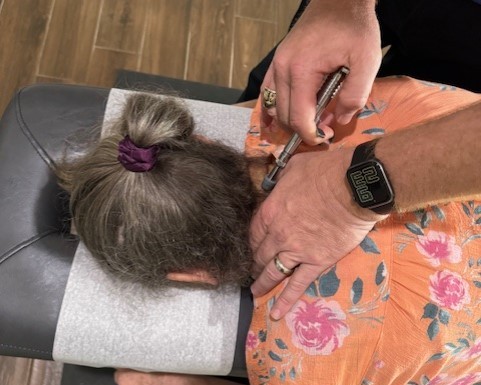
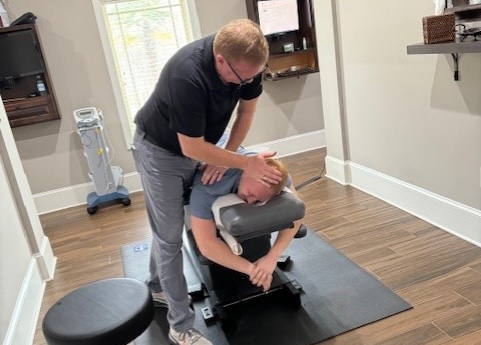
Creating an ergonomic workspace and incorporating these simple changes can greatly enhance your spinal health. Chiropractic care is a fantastic option for those looking to alleviate pain and improve overall wellness. Regular chiropractic adjustments can help keep your spine aligned and functioning optimally, supporting your journey to a pain-free life.
Remember, your spine is the foundation of your health. By prioritizing these lifestyle changes and seeking chiropractic care, you can take significant steps toward preventing back pain and achieving optimal wellness.
Understanding the Causes of Back Pain
While back pain might seem like a minor annoyance, understanding its root causes is essential for effective prevention and long-term relief. Many factors can contribute to back pain, such as poor posture, muscle strain, and issues with the spine.
If you find yourself spending long hours hunched over a desk or slumped on the couch, it’s no surprise your back might start to feel the strain. Weak core muscles can also lead to instability, putting extra stress on your spine.
Injuries can happen when lifting heavy objects incorrectly or making sudden movements, which can trigger pain. Additionally, lifestyle choices, such as obesity, can put additional pressure on your back. Emotional stress can also contribute to muscle tension and discomfort.
Recognizing these causes is the first step in taking proactive measures to address them.
Chiropractic care is a fantastic option for alleviating back pain and promoting overall wellness. By focusing on spinal health, chiropractors can help correct misalignments, improve posture, and enhance core strength, leading to a more stable and resilient back.
Regular chiropractic adjustments can relieve tension and help your body heal naturally.
Here are some simple tips to support your back health:
- Maintain Good Posture: Be mindful of your posture, especially when sitting for long periods. Use ergonomic furniture and take breaks to stretch and move.
- Strengthen Your Core: Incorporate exercises that strengthen your core muscles, as a strong core provides better support for your spine.
- Lift Properly: Always bend at your knees, not your back, when lifting heavy objects to avoid injury.
- Stay Active: Regular physical activity can help keep your back strong and flexible.
- Manage Stress: Practice relaxation techniques like deep breathing or yoga to help reduce emotional stress that can contribute to muscle tension.
By understanding and addressing the factors that contribute to back pain, and by choosing chiropractic care as a natural healing option, you can take significant steps toward achieving optimal health and wellness.
The Importance of Regular Exercise
Regular exercise is vital for maintaining a healthy spine and preventing back pain. As a chiropractor, I can’t emphasize enough how important it’s to strengthen the muscles that support your spine. Engaging in consistent physical activity not only enhances your flexibility and improves your posture but also boosts your overall strength.
These factors are crucial for a healthier back and can significantly reduce discomfort. Here are some practical exercises that can be easily integrated into your daily routine:
- Core Strengthening: Exercises like planks and bridges are excellent for building abdominal strength. A strong core stabilizes your spine and can help prevent back pain.
- Stretching: Incorporate simple stretches or yoga into your routine. These practices improve flexibility and help release tension in your back muscles, making you feel more relaxed and less prone to pain.
- Low-Impact Aerobics: Activities such as swimming or cycling are fantastic for increasing blood flow to your spine. This enhanced circulation promotes healing and contributes to a stronger back without putting undue strain on your body.
- Weight Training: Strengthening your back and legs with exercises like deadlifts and squats can be beneficial. Just remember to focus on proper form to avoid injury, and consider consulting with a chiropractor for personalized guidance.
In addition to these exercises, remember to listen to your body. If you experience pain while exercising, it’s a sign that something isn’t right.
Regular chiropractic adjustments can help keep your spine aligned and functioning optimally, providing natural relief and supporting your overall wellness journey. Prioritizing your spinal health through exercise and chiropractic care is one of the best ways to achieve long-lasting pain relief and enhance your quality of life.
Maintaining a Healthy Weight
Maintaining a healthy weight is crucial for keeping your back pain-free, as carrying extra weight can put unnecessary pressure on your spine. As a chiropractor, I want to emphasize the importance of proper nutrition in your journey towards overall health and spinal wellness.
By managing your weight, you can significantly improve your back health and enhance your quality of life.
Here are some practical tips to help you on your path to a healthier weight and a healthier back:
- Balanced Nutrition: Focus on incorporating a variety of whole foods into your diet, such as fruits, vegetables, lean proteins, and whole grains. These foods can provide essential nutrients that support your body and spine.
- Stay Hydrated: Drinking plenty of water is important for maintaining a healthy weight. It helps with digestion and can prevent overeating, as sometimes our bodies confuse thirst with hunger.
- Regular Exercise: Engaging in regular physical activity not only helps you manage your weight but also strengthens the muscles that support your spine. Activities like walking, swimming, or yoga can be particularly beneficial.
- Mindful Eating: Pay attention to your hunger cues and eat slowly. This can help you enjoy your meals more and prevent overeating, making it easier to maintain a healthy weight.
- Chiropractic Care: Regular visits to your chiropractor can help ensure your spine is aligned and functioning well. Chiropractic adjustments can alleviate pain and discomfort, making it easier for you to stay active and maintain a healthy weight.
Remember, every small step counts towards achieving a healthier weight and a pain-free back.
By prioritizing your health through nutrition and chiropractic care, you’re making a positive investment in your overall well-being.
If you have any questions or need guidance, don’t hesitate to reach out—I’m here to help you on your journey to optimal health!
Importance of Weight Management
Managing your weight is crucial for preventing back pain, as carrying excess weight can put added strain on your spine and the muscles that support it. When you maintain a healthy weight, you not only support your spine but also reduce your risk of injury.
Here are some important points to consider about weight management and its impact on spinal health:
- Reduced Pressure: Maintaining a healthy weight helps to lessen the pressure on your discs and joints, which can lead to better spinal alignment. This means that with less strain, your spine can function more effectively.
- Enhanced Mobility: Keeping your weight in check often improves your flexibility and overall mobility. This makes it easier for you to engage in physical activities, which are essential for spinal health. Regular movement is key, and chiropractic care can help keep your body moving freely.
- Better Posture: Achieving a balanced weight contributes significantly to maintaining proper posture. Good posture is vital for spinal health, and chiropractic adjustments can further enhance your posture by aligning your spine and improving your overall alignment.
- Lower Inflammation: When you manage your weight effectively, you can also help reduce inflammation in your body. Less inflammation means less pain and discomfort, making it easier to enjoy your daily activities. Chiropractic care complements this by promoting natural healing through spinal adjustments that encourage better circulation and reduce tension.
In addition to these benefits, here are some simple tips to help you manage your weight and support your spinal health:
- Stay Active: Incorporating regular exercise into your daily routine can help you maintain a healthy weight. Activities like walking, swimming, or yoga are excellent choices that also promote flexibility and strength.
- Eat Balanced Meals: Focus on a diet rich in fruits, vegetables, lean proteins, and whole grains. Proper nutrition plays a key role in managing weight and supporting overall health.
- Stay Hydrated: Drinking plenty of water can help control your appetite and keep your body functioning optimally.
- Seek Chiropractic Care: Regular visits to a chiropractor can help you maintain proper alignment and address any tension or discomfort in your body, making it easier to stay active and healthy.
By focusing on weight management and incorporating these tips into your lifestyle, you can significantly benefit your spinal health and overall well-being.
Nutrition for Spinal Health
Nutrition is vital for maintaining a healthy spine, especially when it comes to managing your weight. As a chiropractor, I understand how important a balanced diet is in supporting your overall health and spinal wellness. Eating whole foods like fruits, vegetables, lean proteins, and whole grains can help you achieve and maintain a healthy weight, which is key to reducing strain on your back.
When you nourish your body with nutrient-rich foods, you’re not just filling up; you’re providing essential vitamins and minerals that support strong bones and muscles. This, in turn, helps to stabilize your spine and improve your overall posture—an important factor in preventing pain and discomfort.
Remember to be mindful of portion sizes, and try to limit those processed foods that are high in sugar and unhealthy fats. Staying hydrated is also crucial for your spinal health, as proper hydration supports the health of your discs and reduces the risk of injury.
By focusing on these nutritional choices, you can effectively manage your weight and reduce stress on your back. This won’t only help you feel better but also enhance the benefits of chiropractic care. Together, a well-balanced diet and regular chiropractic adjustments can lead to a healthier, pain-free life.
Takeaway tips:
- Incorporate plenty of fruits and vegetables into your meals.
- Choose lean proteins and whole grains for sustained energy.
- Stay hydrated to keep your spine and discs healthy.
- Be mindful of portion sizes and limit processed foods.
Embracing these habits can lead to a stronger spine and improved overall wellness!
Practicing Good Posture
As a local chiropractor, I want to emphasize the importance of practicing good posture for your overall health and wellness. Maintaining proper alignment not only helps prevent back pain but also supports your spine and surrounding muscles, which is crucial for achieving optimal health.
Here are some simple tips to enhance your posture and promote natural healing:
- Sit Up Straight: Make a habit of keeping your back straight and shoulders relaxed. Ensure your feet are flat on the floor. This position helps maintain the natural curve of your spine.
- Choose Supportive Chairs: Opt for chairs that provide support for your lower back. A well-designed chair encourages an upright position, which can alleviate strain and tension.
- Balance Your Weight: When standing, try to distribute your weight evenly on both feet. Avoid leaning to one side, as this can lead to imbalances in your spine and discomfort over time.
- Align Your Head: Keep your head aligned directly over your shoulders. Be mindful of your posture, especially when using screens—try to avoid jutting your chin forward, which can place extra stress on your neck and upper back.
Incorporating these simple practices into your daily routine can help you maintain good posture and support your spine’s health.
Ergonomic Workspaces: Setting Up for Success
Creating an ergonomic workspace is essential for maintaining your health and wellness, especially when it comes to preventing back pain and ensuring spinal health. Start by focusing on your desk height and chair support features. Adjusting your desk to the right level allows your arms to rest comfortably, which helps prevent strain on your shoulders and neck.
A supportive chair is equally important; it should encourage good posture, keeping your spine aligned. These adjustments might seem simple, but they can have a profound impact on your overall well-being.
Remember, sitting for long periods can lead to discomfort and misalignment in your spine, which is where chiropractic care comes in. Regular chiropractic adjustments can help keep your spine healthy and aligned, providing relief from pain and promoting natural healing.
In addition to making ergonomic changes, consider taking breaks to stretch and move throughout your day. Simple exercises like neck rolls, shoulder shrugs, and back stretches can be incredibly helpful. They not only relieve tension but also encourage circulation, which is vital for spinal health.
Desk Height Optimization
The right desk height can significantly impact your spinal health and help prevent back pain during your workday. When your desk is set at the optimal height, it promotes better posture and reduces strain on your back, making it easier for you to maintain a healthy spine.
Here’s how to optimize your desk setup for your well-being:
- Elbow Angle: Aim to keep your elbows at a 90-degree angle while typing. This simple adjustment helps maintain a relaxed shoulder position, which is essential for preventing tension in your upper back.
- Wrist Position: Your wrists should float just above the keyboard, avoiding excessive bending. This positioning not only protects your wrists but also contributes to overall comfort while you work.
- Screen Level: Position the top of your monitor at or just below eye level. This alignment helps prevent neck strain, allowing your spine to remain in a neutral position and reducing the risk of discomfort.
- Leg Space: Ensure you have enough room to move your legs freely under the desk. This promotes healthy circulation and comfort, which are vital for maintaining a healthy spine throughout your workday.
By making these adjustments, you can create a more ergonomic workspace that supports your overall health.
Remember, chiropractic care is an excellent way to address pain relief and enhance your natural wellness. If you’re experiencing discomfort, consider visiting a chiropractor who can provide personalized care and guidance tailored to your needs.
Prioritizing your spinal health is key to living a healthier, pain-free life!
Chair Support Features
Choosing a chair with proper support features is essential for creating an ergonomic workspace that promotes comfort and helps prevent back pain. As a chiropractor, I emphasize the importance of spinal health and how a well-designed chair can contribute to your overall wellness.
Look for a chair that offers lumbar support, which is crucial for maintaining the natural curve of your spine. This support helps alleviate pressure on your lower back, reducing discomfort and promoting healthy posture.
An adjustable height feature is also vital; it allows you to position your feet flat on the floor, minimizing strain on your legs and back. Don’t overlook the significance of adjustable armrests, which can help keep your shoulders relaxed and prevent tension in your upper body.
A seat with ample padding will enhance comfort during long hours of sitting, making it easier for you to stay productive without the distraction of discomfort. Mobility is another key aspect to consider.
A chair that allows for easy movement enables you to shift positions throughout the day, which is beneficial for your spine and overall health.
Investing in a supportive chair is a step toward better spinal health and can significantly enhance your productivity. Remember, while good chair support is important, regular chiropractic care is the best way to ensure your spine remains healthy and free from pain.
Stretching and Flexibility Exercises
Incorporating stretching and flexibility exercises into your daily routine is a fantastic way to support your spine and reduce the risk of back pain. These exercises not only help maintain muscle elasticity and improve posture, but they also enhance your overall mobility.
By prioritizing your spine health through simple movements, you can experience significant benefits. Here are four effective stretches to include in your daily practice:
- Cat-Cow Stretch: This gentle yoga pose is perfect for warming up your spine. It helps relieve tension in your back and encourages better alignment, making it a great addition to your routine.
- Child’s Pose: This stretch is soothing for your lower back. It promotes relaxation and flexibility, allowing your body to unwind and alleviate any built-up tension.
- Hamstring Stretch: Tight hamstrings can contribute to back pain, so it’s important to stretch them regularly. By doing so, you can relieve stress on your lower back, which can be especially helpful if you sit for long periods.
- Hip Flexor Stretch: Loosening tight hip flexors not only improves your posture but also reduces strain on your back. This stretch can be a game-changer for those who spend a lot of time sitting.
By making these stretches a part of your daily routine, you’ll be taking proactive steps to keep your back healthy and pain-free.
Remember, chiropractic care is a fantastic way to complement these efforts, focusing on natural healing and wellness. Regular chiropractic adjustments can enhance your flexibility, improve your posture, and support your overall spinal health.
Prioritize your spine, and you’ll likely find that a little effort goes a long way in achieving optimal health and well-being.
Choosing the Right Footwear
Choosing the right footwear is crucial for maintaining a healthy spine and overall well-being. As a chiropractor, I understand how important it’s to select shoes that provide proper arch support, the correct heel height, and flexibility in materials. These elements can significantly influence your posture and comfort throughout the day, helping to prevent unnecessary strain on your back.
When looking for the perfect pair of shoes, consider these tips:
- Arch Support: Opt for shoes that have good arch support to help maintain the natural curve of your foot. This can reduce pressure on your spine and promote better alignment.
- Heel Height: Aim for a moderate heel height. Shoes that are too high can alter your posture, while those that are too flat may not provide adequate support. A heel height of around 1 to 2 inches is often ideal for maintaining balance and comfort.
- Flexibility: Look for shoes made from flexible materials that allow your feet to move naturally. This can enhance your walking mechanics and help reduce the risk of injuries.
- Fit: Ensure your shoes fit properly. Too tight or too loose can lead to discomfort and misalignment. Make sure there’s enough space for your toes to wiggle and that the heel is snug but not constricting.
- Regular Assessments: Just like regular chiropractic check-ups, it’s wise to evaluate your footwear periodically. As your body changes, so might your shoe needs.
Remember, the right footwear is just one piece of the puzzle for a healthy back. Regular chiropractic care can help you achieve optimal health by addressing any misalignments and ensuring your spine is functioning well.
Importance of Arch Support
As a chiropractor, I want to emphasize the importance of proper arch support in your footwear to maintain a healthy spine and prevent back pain. Your feet serve as the foundation of your body, and when they’re well-supported, it helps distribute your body weight evenly, minimizing strain on your back.
Here are some key points to consider when selecting shoes:
- Cushioned Insoles: Look for shoes that feature soft, supportive insoles designed to mold to the shape of your feet. This not only enhances comfort but also aids in proper alignment.
- Stability Features: Choose footwear with firm heel counters, as these help stabilize your foot during movement, which can reduce unnecessary stress on your spine.
- Quality Materials: Go for shoes made from breathable and durable materials. This ensures that your feet stay comfortable throughout the day and that the shoes last longer.
- Proper Fit: Always ensure your shoes fit correctly. Shoes that are too tight or too loose can lead to misalignment and exacerbate back issues.
Making arch support a priority can greatly contribute to keeping your back healthy and pain-free.
Remember, chiropractic care is a fantastic way to address back pain naturally and promote overall wellness. By focusing on proper footwear and maintaining good spinal health, you’re taking important steps toward a healthier, pain-free life.
If you’re experiencing discomfort, consider visiting a chiropractor who can help you with personalized care and guidance.
Heel Height Considerations
When it comes to choosing the right footwear, heel height is a critical factor that can significantly impact your comfort and spinal health. As a chiropractor, I want to emphasize that wearing high heels can shift your weight forward, putting extra strain on your spine. This misalignment can lead to discomfort and pain over time.
To promote better spinal health, it’s best to select shoes with a low, stable heel that allows your feet to remain flat and supports even weight distribution. Generally, a heel height of no more than two inches is recommended for everyday wear.
If you find yourself needing to wear higher shoes for special occasions, try to limit the time spent in them and switch to more supportive footwear when possible.
Remember, your feet are the foundation of your body. Choosing the right heel height can greatly influence your overall well-being and help prevent unnecessary pain. Prioritizing comfort in your footwear is essential for maintaining a healthy spine.
Additionally, consider incorporating regular chiropractic care into your wellness routine. This can help address any imbalances caused by heel height and provide you with personalized strategies to enhance your comfort and spinal alignment.
Material and Flexibility
The materials and flexibility of your shoes are vital for supporting your feet and ensuring proper alignment, which is essential for overall spinal health.
As a local chiropractor, I want to share some key factors to consider when selecting the right footwear to promote natural healing and a healthier lifestyle:
- Arch Support: Choose shoes that provide good arch support. This can help reduce strain on your back and contribute to better spinal alignment.
- Cushioning: Look for materials that offer shock absorption. Proper cushioning minimizes impact on your spine, which can help alleviate discomfort and prevent future issues.
- Breathability: Opt for shoes made from breathable fabrics. Keeping your feet comfortable and dry helps prevent fatigue, allowing you to stay active and engaged in your daily life.
- Flexibility: It’s important that your shoes allow for natural foot movement. Overly stiff shoes can lead to discomfort and may contribute to misalignment issues. Shoes that bend and flex with your feet can help maintain proper posture.
By choosing the right footwear, you can take an important step towards supporting your spine and enhancing your overall well-being.
Remember, chiropractic care can also play a crucial role in achieving optimal health, helping to address any pain and promoting natural healing.
Stay mindful of your footwear choices, and you’ll be on your way to a healthier, more comfortable life!
Incorporating Core Strengthening Activities
To effectively combat back pain, incorporating core strengthening activities into your routine is essential. A strong core not only supports your spine but also plays a crucial role in improving your posture and enhancing overall stability. You don’t need fancy equipment; simple exercises like planks, bridges, and bicycle crunches can easily be done at home. Aim for at least two to three sessions per week, gradually increasing the intensity as you become stronger.
Begin with basic exercises, keeping a strong focus on your form to prevent any injuries. As your core strength improves, you can add variations or even use household items as resistance to challenge yourself further. It’s also important to engage your core throughout your daily activities, whether you’re sitting, standing, or lifting objects.
These core movements not only help alleviate back pain but also promote better balance and coordination, enhancing your overall quality of life. Pay attention to how your body feels during and after these exercises, and make adjustments as needed. By prioritizing core strengthening, you’re taking a significant step towards achieving a healthier, pain-free back.
As a chiropractor, I encourage you to consider the benefits of chiropractic care alongside these exercises. Regular chiropractic adjustments can help maintain spinal health, improve alignment, and complement your core strengthening efforts.
Together, they create a powerful approach to natural healing and optimal wellness. Remember, a strong core and a healthy spine work hand in hand to keep you active and pain-free.
Staying Hydrated for Overall Health
Staying hydrated is crucial for your overall health and can significantly impact your spinal well-being. Proper hydration plays a vital role in supporting the discs in your spine, ensuring they remain well-lubricated and resilient against injury.
As a chiropractor, I want to share some simple yet effective tips to ensure you’re getting enough water for optimal health:
- Drink Water Regularly: A good goal is to consume at least eight 8-ounce glasses of water each day. You may need to adjust this based on how active you’re and the climate you live in. Remember, staying hydrated helps keep your spinal discs healthy!
- Incorporate Water-Rich Foods: Eating fruits and vegetables like cucumbers, oranges, and watermelon can significantly contribute to your hydration. These foods not only provide water but also essential nutrients that support your body’s healing processes.
- Limit Dehydrating Beverages: Be mindful of your intake of caffeine and alcohol, as these can lead to dehydration. Instead, focus on drinking water to support your health and spinal function.
- Set Reminders: If you often forget to drink water, try using apps or setting alarms on your phone to remind you throughout the day. Making hydration a habit can lead to better overall health and less discomfort in your back.
Remember, proper hydration is just one aspect of maintaining a healthy spine.
Regular chiropractic care can further enhance your well-being by ensuring your spine is aligned and functioning optimally. Making simple changes to your hydration habits can lead to significant improvements in your health and comfort.
Stay hydrated and take care of your spine!
The Role of Sleep in Back Health
As a local chiropractor, I want to emphasize the vital role that sleep plays in maintaining your back health. Quality sleep isn’t just about resting; it’s a crucial time for your body to repair and rejuvenate, especially your spine and the surrounding muscles. When you don’t get enough rest, your body struggles to recover, which can lead to stiffness and pain.
To support your back health, aim for 7-9 hours of quality sleep each night. Your sleep position is also important—consider sleeping on your back or side with proper alignment to reduce strain on your spine. A supportive mattress and pillows are essential; they should cradle your body while providing the necessary support for a healthy spine.
In addition to focusing on sleep position, practicing good sleep hygiene can significantly enhance your sleep quality. Establish a consistent bedtime routine and try to minimize screen time before bed. These simple changes can lead to deeper, more restorative sleep.
By prioritizing restful sleep, you’re not just boosting your overall wellness, but you’re also taking active steps toward better back health. Remember, chiropractic care is an excellent way to maintain your spine’s health and prevent pain.
Regular adjustments can help ensure that your spine stays aligned, making it easier for you to enjoy the restorative benefits of a good night’s sleep. Take these tips to heart, and you’ll be on your way to a healthier back and a more restful night!
Conclusion
As a local chiropractor, I want to share some valuable lifestyle changes that can help you prevent back pain and promote overall spinal health. By incorporating these habits into your daily routine, you can significantly reduce your risk of discomfort and enhance your well-being naturally.
First and foremost, regular exercise is key. Aim for activities that strengthen your core, as a strong core supports your spine and decreases the likelihood of injury. Simple exercises like planks, bridges, and gentle yoga can make a big difference.
Maintaining a healthy weight is also crucial. Extra weight can put additional strain on your back, so focusing on nutritious foods and regular physical activity is important for managing your weight.
Good posture is another vital aspect of back health. Whether you’re sitting at a desk or standing, be mindful of how you hold your body. Keep your shoulders back, your head aligned over your spine, and your feet flat on the ground. If you work at a desk, consider setting up an ergonomic workspace that promotes healthy alignment.
Footwear matters too! Choose supportive shoes that provide adequate cushioning and arch support. This can help reduce strain on your back while walking or standing.
Don’t forget to stay hydrated! Drinking plenty of water helps maintain the elasticity of your spinal discs and keeps your muscles functioning properly.
And lastly, prioritize quality sleep. A good night’s rest allows your body to recover and heal. Invest in a comfortable mattress and pillows that support your spine’s natural curve.
By embracing these lifestyle changes, you’re not only taking steps to prevent back pain but also promoting your overall health. Remember, chiropractic care is an excellent choice for natural pain relief and wellness. Regular adjustments can help keep your spine aligned and functioning optimally, so consider visiting your local chiropractor to support your journey to a pain-free life.