
You might think that pushing through pain and training harder is the only path to success, but this mindset can lead you to overlook essential recovery support. Many athletes equate rest with weakness, driven by cultural pressures that glorify relentless effort. As you navigate your busy schedule, it's easy to dismiss recovery techniques, but this neglect can have serious implications for your long-term performance and well-being. What if there's a better way to balance training and recovery that could enhance your athletic journey?
Misconceptions About Recovery
When it comes to recovery, many athletes often fall prey to misconceptions that can hinder their performance and well-being. You might think that pushing through fatigue or skipping rest days shows strength, but this mindset can lead to burnout and injuries. Recovery isn't a sign of weakness; it's an essential part of your training regimen.
Another common misconception is that all recovery methods are equally effective. You may believe that simply stretching after a workout is enough, but effective recovery encompasses nutrition, hydration, sleep, and active rest. Relying solely on one method can limit your progress and increase your chances of overtraining.
Some athletes also underestimate the importance of mental recovery. You might focus solely on physical recovery, thinking it's the only way to improve. However, mental fatigue can affect your performance just as much as physical fatigue. Engaging in mindfulness or relaxation techniques can enhance your overall recovery process.
Lastly, you may think that recovery is just for elite athletes. This isn't true; every athlete, regardless of skill level, needs recovery strategies tailored to their individual needs. Ignoring the recovery aspect can lead to decreased performance and long-term health issues.
Recognizing these misconceptions is vital for optimizing your recovery. By embracing a holistic approach to recovery, you'll not only enhance your performance but also guarantee a longer, healthier athletic career.
Cultural Pressures in Sports
Maneuvering cultural pressures in sports can be intimidating for athletes at any level. You might feel the weight of expectations to constantly push your limits, often at the expense of your well-being. Society glorifies the "no pain, no gain" mantra, which can lead you to dismiss recovery as a sign of weakness. This mindset creates a toxic environment where prioritizing recovery feels like a betrayal to your teammates or coaches.
You may also notice that cultural narratives celebrate those who play through injuries, further feeding the notion that toughness equates to success. This can lead to you ignoring essential recovery practices, believing that taking a break could cost you your spot on the team. The pressure to conform to these ideals can be overwhelming, making it hard for you to advocate for your own health.
Moreover, you might find that social media amplifies these pressures. Athletes often showcase their grueling training regimens while downplaying the importance of recovery. You're bombarded with images and stories that glorify relentless work, making it challenging to see recovery as a vital component of performance.
In this environment, it's imperative to recognize that prioritizing recovery doesn't diminish your commitment; it enhances your longevity and effectiveness. By understanding these cultural pressures, you can start to carve out a space for recovery in your routine, ensuring that you maintain both your physical health and mental resilience in the competitive world of sports.
The Focus on Performance
Athletes often find themselves caught in the relentless pursuit of performance, driven by the desire to excel and achieve their goals. This focus often overshadows other important aspects of your training regimen, like recovery. You train hard, pushing your limits day in and day out, but in doing so, you might ignore the signs your body sends you, signaling the need for rest and recuperation.
The pressure to outperform competitors can make you believe that every minute spent on recovery is a minute wasted. You might think that if you take time off, someone else will seize the opportunity to get ahead. This mindset not only risks your physical health but can also lead to burnout, which ultimately hampers your performance in the long run.
You might feel compelled to train through pain or fatigue, equating discomfort with dedication. However, this approach can backfire, leading to injuries that sideline you for longer periods than a proper recovery would have.
The sports culture often glorifies relentless effort, but it's important to recognize that sustainable performance comes from balancing hard work with adequate recovery.
In your quest for greatness, remember that taking time to recover isn't a sign of weakness; it's a strategic decision. By prioritizing recovery, you'll not only enhance your current performance but also set yourself up for long-term success.
A well-rounded approach that includes recovery is essential for maintaining peak performance and achieving your ultimate athletic goals.
Lack of Knowledge
How can you expect to optimize your recovery if you don't fully understand its significance? Many athletes overlook essential recovery techniques simply because they lack knowledge about them. Recovery isn't just about resting; it's a multifaceted process involving nutrition, hydration, sleep, and active recovery strategies. Without understanding these elements, you might unknowingly sabotage your performance.
Think about it. You train hard, pushing your limits day in and day out. But if you don't grasp how recovery affects your body, your efforts could be in vain. For instance, do you know how certain nutrients help repair muscle tissues? Or how hydration plays a fundamental role in reducing fatigue? These are critical components that often get brushed aside.
Moreover, many athletes stick to what they know, often relying solely on traditional methods like rest or ice baths, without exploring other recovery modalities like foam rolling, massage therapy, or even yoga. This lack of knowledge can lead to chronic fatigue and injury, ultimately derailing your progress.
Educating yourself on recovery strategies can greatly enhance your overall performance. Look for workshops, read articles, or consult with professionals who specialize in sports recovery.
Don't let misinformation or ignorance keep you from reaching your full potential. Embrace the learning process, and you'll find that understanding recovery is just as important as the training itself. Make it a priority, and watch how it transforms your athletic journey.
Mental Health Neglect
When you think about athlete recovery, it's easy to focus on physical injuries, but mental health often gets overlooked.
The stigma surrounding mental health leads many to prioritize physical performance over emotional well-being, leaving you without essential support systems.
It's vital to recognize that mental recovery is just as important as physical healing.
Stigma Around Mental Health
The stigma surrounding mental health often leaves athletes feeling isolated and unsupported in their struggles. You might find yourself hesitating to speak up about your feelings, fearing judgment from coaches, teammates, or fans. This fear can create a barrier, making it difficult for you to seek the help you need. You may worry that admitting to mental health challenges will label you as weak or less dedicated, undermining your credibility as an athlete.
In a culture that often prioritizes physical strength and resilience, mental health issues can seem like a taboo topic. You might feel pressured to project an image of invulnerability, leading to neglect of your emotional well-being. This mindset not only hampers your performance but can also exacerbate feelings of anxiety and depression.
Recognizing that mental health is just as important as physical fitness is essential. You deserve support, just like any teammate recovering from an injury.
Prioritizing Physical Over Mental
Athlete wellness often emphasizes physical conditioning while neglecting mental health, creating a dangerous imbalance. You might focus intensely on your training regimen, pushing your body to its limits, but what about your mind? The pressure to perform can lead you to overlook signs of mental fatigue or stress. This neglect can result in burnout, anxiety, or even depression, impacting your overall performance and well-being.
When you prioritize physical training, you might feel invincible, but mental resilience is just as important. It's easy to dismiss feelings of anxiety or pressure as part of the game, but ignoring them can have serious consequences. You're not just an athlete; you're a whole person, and your mental health deserves attention too.
Consider integrating mental conditioning into your routine. Techniques like mindfulness, visualization, or even talking to a sports psychologist can enhance your focus and reduce stress.
Remember, a strong mind can elevate your physical performance. By acknowledging and addressing your mental health, you're not only improving your game but also ensuring a healthier, more balanced approach to your athletic career.
Don't wait for a crisis to prioritize your mental well-being; it's essential for your success.
Lack of Support Systems
Without a solid support system, mental health often takes a backseat in the world of sports. You might focus intensely on physical training, but neglecting your mental well-being can have serious consequences.
When you don't have people around you—coaches, teammates, or mental health professionals—who understand the mental challenges athletes face, it's easy to feel isolated. You may find yourself pushing through stress, anxiety, or burnout without realizing how damaging that can be.
Often, athletes experience pressure to appear strong and resilient, leading you to hide your struggles instead of seeking help. This lack of open communication can create a toxic environment where mental health issues go unaddressed.
Building a robust support system is vital. It's not just about having friends or family; it's about surrounding yourself with individuals who prioritize your mental health. You should feel comfortable discussing your challenges and seeking guidance.
Time Constraints
Time constraints often play a significant role in an athlete's recovery process. With busy schedules filled with training, competitions, and other commitments, it can be tough to carve out time for recovery. You might find yourself prioritizing workouts over rest, thinking that pushing harder will yield better results.
However, neglecting recovery can lead to burnout and injuries, ultimately hindering your performance.
Here are some common time constraints you might face:
- Training Schedules: With daily practices and competitions, fitting in recovery sessions feels nearly impossible.
- Work or School Commitments: Balancing academics or a job with your sports commitments can leave little room for proper recovery.
- Social Obligations: You may feel pressured to engage in social activities, causing you to overlook necessary recovery time.
It's vital to recognize that recovery isn't just a luxury; it's an essential part of your training regimen. You might think that skipping recovery to squeeze in an extra workout will give you an edge, but in reality, it can lead to fatigue and decreased performance.
Instead, consider integrating recovery into your routine. Whether it's a short cooldown session after practice or dedicated days for rest and recovery, finding ways to prioritize this aspect can make a significant difference.
Ultimately, understanding and addressing time constraints can help you optimize your recovery efforts, leading to improved performance and longevity in your sport.
Don't let a packed schedule derail your progress—make recovery a non-negotiable part of your training plan.
Inadequate Support Systems
Many athletes struggle with inadequate support systems that can hinder their recovery efforts. When you're pushing your body to the limit, having a strong network around you is essential. Unfortunately, many athletes find themselves isolated, lacking the resources or people needed for effective recovery. This isolation can stem from various factors, including a lack of access to professionals, limited communication with teammates, or even an absence of family support.
You might rely solely on your own knowledge or trial and error, which often leads to ineffective recovery strategies. Without proper guidance, you risk overlooking important techniques like nutrition, hydration, and mental health care. It's easy to underestimate the significance of a supportive environment; a coach, a sports psychologist, or even a nutritionist can provide insights that help you recover faster and perform better.
Moreover, teammates can play a fundamental role in your recovery journey. Sharing experiences, tips, and encouragement can create a sense of camaraderie that fosters mental resilience. If you feel disconnected from your peers, it can be tough to stay motivated and engaged in recovery practices.
To overcome inadequate support systems, consider reaching out to your network. Engage with fellow athletes, seek expert advice, and utilize available resources. Building a strong support system isn't just beneficial; it's imperative for your long-term success and well-being as an athlete.
The Role of Coaching
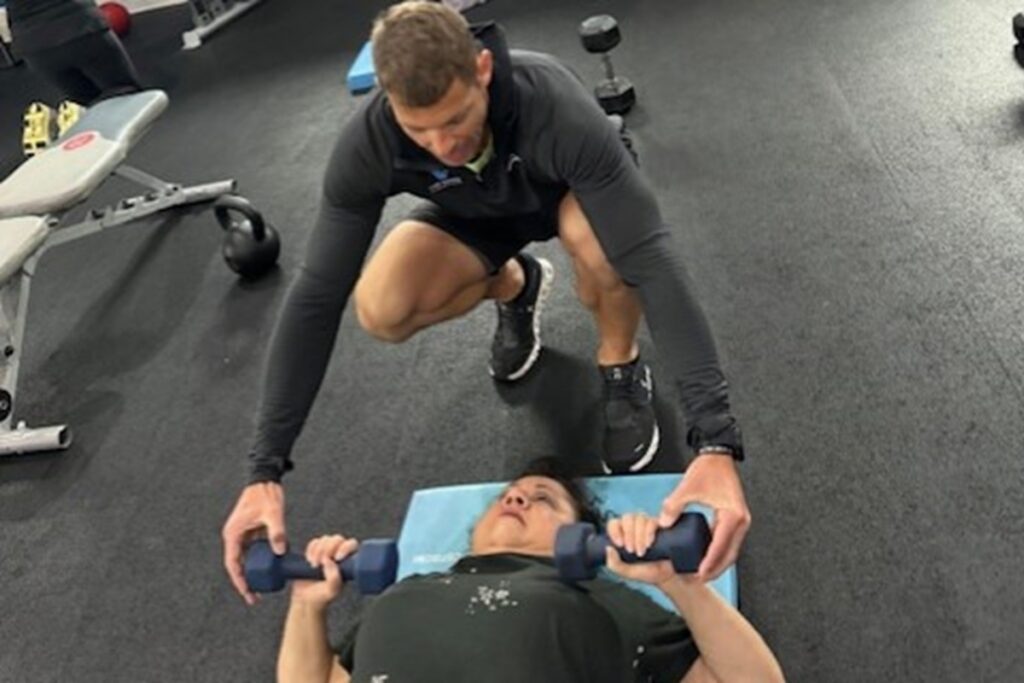
Recognizing the significant role of coaching can greatly enhance your recovery process. Coaches aren't just there to guide your training sessions; they play an essential part in ensuring you're recovering effectively. They understand your physical and mental needs, helping you strike the right balance between training and rest.
A supportive coach can identify signs of fatigue or burnout that you might overlook. They can adjust your training regimen to incorporate adequate recovery strategies, ensuring you're not just pushing your limits but also taking the necessary time to recuperate.
Here's how coaching can elevate your recovery:
- Tailored Recovery Plans: Your coach can create personalized recovery protocols, focusing on your unique strengths and weaknesses.
- Mental Support: Coaches provide guidance and encouragement, helping you maintain a positive mindset during recovery, which is fundamental for your overall performance.
- Feedback and Assessment: Regular check-ins with your coach enable you to assess your recovery progress, making adjustments as needed to optimize your return to peak performance.
When you embrace the role of your coach in your recovery process, you're not only enhancing your athletic performance but also prioritizing your overall well-being.
Conclusion
In the hustle of training and competition, it's easy to overlook recovery, but that could hurt your performance and health in the long run. Challenge the misconceptions that equate toughness with relentless effort, and recognize that recovery is an essential part of your journey. Prioritize it, seek out knowledge, and lean on your coaches and peers for support. Remember, taking time to recover isn't a sign of weakness; it's a smart strategy for sustained success.