
As a local chiropractor, I want to emphasize how crucial it is to understand the right techniques for recovering from sports injuries. Your healing journey can be significantly impacted by the methods you choose. First and foremost, prioritizing rest is essential. It's during this time that your body begins to heal itself.
In addition to rest, applying ice can help reduce inflammation and numb the pain, while compression and elevation can further assist in minimizing swelling. Engaging in physical therapy is another important aspect of recovery, as it promotes mobility and strength, which are vital for getting back to your activities.
Don't underestimate the power of nutrition in your recovery process. A well-balanced diet can provide your body with the necessary nutrients it needs to heal.
Furthermore, the mental aspects of healing shouldn't be overlooked. Understanding how to combine these techniques can enhance your recovery experience. As your chiropractor, I encourage you to explore these methods, as they can lead to a more effective and holistic approach to getting you back on your feet. Together, we can uncover the best strategies tailored specifically for your needs.
Rest and Recovery
As a local chiropractor, I want to emphasize the critical role that rest and recovery play in the rehabilitation of sports injuries. When you experience an injury, your body requires adequate time to heal, and continuing to push through the discomfort can often lead to more severe complications. It's essential to tune into your body's signals and provide it with the necessary downtime it craves.
During this healing phase, our focus should be on reducing inflammation and facilitating tissue repair. Strategically planning your rest periods is key. This doesn't mean you must remain completely inactive; rather, consider incorporating gentle movements or alternative activities that won't aggravate your injury. Engaging in low-impact exercises can enhance blood circulation and support your recovery while minimizing stress on the affected area.
Another crucial aspect of recovery is sleep. I recommend aiming for 7-9 hours of restorative sleep each night, as this is when your body engages in its most significant healing processes. Establishing a calming nighttime routine can help you unwind and ensure that you wake up feeling refreshed and prepared to continue your rehabilitation journey.
Hydration and nutrition are equally important during your recovery phase. Consuming a diet rich in protein, vitamins, and minerals is vital for supporting tissue repair and promoting overall wellness.
Finally, it's essential not to rush back into your sport. A gradual reintroduction to physical activity, guided by a carefully structured plan, can help you regain both strength and confidence without the risk of re-injury.
Ice Therapy
As a local chiropractor dedicated to helping my patients recover naturally from sports injuries, I want to share an effective method for managing pain and reducing swelling: ice therapy.
Applying ice to the injured area can constrict blood vessels, minimizing swelling and numbing the pain, which is crucial during your recovery process. It's important to begin this therapy as soon as possible after your injury occurs; the quicker you apply ice, the better your chances of reducing inflammation.
When using ice therapy, always remember to wrap the ice or a cold pack in a thin cloth to protect your skin from frostbite. I recommend applying the ice for about 15 to 20 minutes at a time, allowing at least 45 minutes to an hour between applications.
This timing helps prevent skin damage while still allowing you to benefit from the cold treatment. Focus on placing the ice directly on the injured area, as this will provide the most effective relief.
If you find yourself without an ice pack, a bag of frozen vegetables can serve as a good alternative—just be sure to keep it wrapped in a cloth. It's also important to pay attention to your body's signals; if the ice feels too cold or painful, please remove it immediately.
In addition to alleviating pain, incorporating ice therapy into your routine can significantly speed up your recovery process. This simple and accessible technique can make a world of difference, especially when used within the first 48 hours following your injury.
Compression Techniques
After you've utilized ice therapy to manage pain and swelling, the next important step in your recovery involves the application of compression techniques. As a local chiropractor, I want to emphasize how crucial this is in reducing swelling, supporting the injured area, and promoting healthy blood circulation, which plays a vital role in the healing process.
You can choose from various options for compression, including bandages, wraps, or specialized garments designed specifically for injury recovery. When you apply a compression bandage, begin by wrapping it around the injured area, ensuring it covers the entire site. It's essential that the bandage is snug, but not excessively tight; you should still be able to move your fingers or toes comfortably.
Keep an eye out for any signs of excessive pressure, such as numbness or increased pain—if you notice this, make sure to loosen the bandage right away.
If you opt for a compression sleeve or garment, follow the manufacturer's instructions for proper application. These garments are crafted to provide consistent pressure and can significantly enhance your recovery process.
Remember, it's best to apply compression for about 20 to 30 minutes at a time, particularly right after ice therapy. This method helps to maintain the benefits of both treatments.
I recommend repeating this process several times throughout the day, especially during the initial stages of your recovery.
By combining compression techniques with ice therapy, you're setting yourself up for optimal recovery outcomes. Always listen to your body; if you experience any discomfort that feels unusual, don't hesitate to reach out to me or another healthcare professional.
Elevation Methods
As a local chiropractor, I want to share some important advice to help you recover effectively from a sports injury. One of the most crucial techniques you shouldn't overlook is elevating the injured area. This simple practice can significantly aid in reducing swelling by allowing excess fluids to drain away from the affected site.
When you elevate the injury, you not only reduce swelling but also promote better blood circulation, which is essential for the healing process.
To get started, find a comfortable position that works for you. If your injury is in your leg or foot, I recommend lying down and propping the injured area up on a pillow or cushion. The goal is to have the injured part elevated above the level of your heart. This position takes advantage of gravity to help mitigate swelling.
For injuries to your arm or wrist, using a sling or cushion can effectively keep the area elevated while you rest.
I advise you to maintain this elevated position for at least 20 minutes every hour, particularly during the initial stages following your injury. If you notice that swelling persists despite your elevation efforts, consider adjusting your position or incorporating additional methods, such as applying ice packs.
Just a quick reminder: always wrap the ice pack in a cloth to protect your skin from frostbite.
Consistency is essential in your recovery journey. Integrate elevation into your daily routine—whether you're watching TV, reading a book, or even working at your desk.
Pay close attention to your body's signals; if you experience any pain or discomfort, it may be time to modify your elevation technique. By incorporating proper elevation methods into your recovery plan, you'll be setting yourself up for a faster healing process, allowing you to return to the activities you love sooner.
Physical Therapy
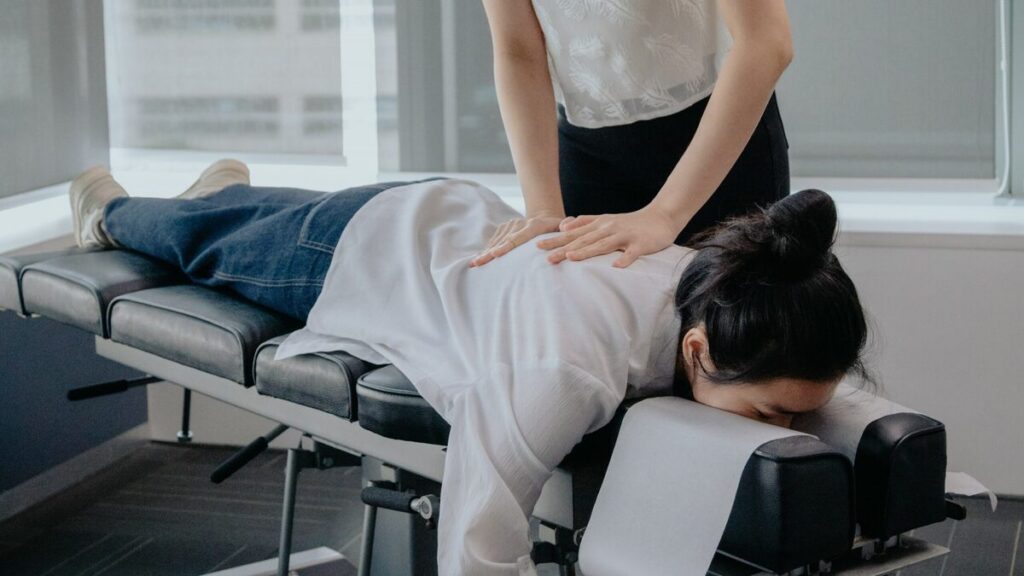
When it comes to recovering from a sports injury, chiropractic care plays a crucial role in restoring strength and mobility. It's not just about healing; it's about regaining your confidence and returning to the activities you love.
As a qualified chiropractor, I'll assess your condition and create a personalized treatment plan that addresses your specific needs, ensuring a safer and more effective recovery.
During your visits, you can expect a variety of techniques designed to enhance your healing process:
- Chiropractic adjustments that realign the spine and improve joint function, helping to alleviate pain and restore proper movement.
- Soft tissue therapy, where I use manual techniques to relieve muscle tension and promote blood circulation, aiding in pain reduction.
- Rehabilitative exercises tailored to your recovery, focusing on strengthening muscles and improving flexibility, making everyday movements easier and reducing the risk of future injuries.
By following my guidance, you'll engage in a structured plan that gradually increases in intensity, allowing your body to adapt safely.
I'll also educate you on proper body mechanics and techniques to prevent future injuries, equipping you with the knowledge to maintain your health long-term.
The journey to recovery can be challenging, but chiropractic care provides the support and expertise you need.
Committing to this holistic approach not only facilitates healing but also empowers you to return stronger than ever.
Gradual Return to Activity
As you embark on your recovery journey, it's crucial to approach your return to activity with care and intention. Gradual re-engagement in physical activities is fundamental for rebuilding strength and avoiding setbacks. Jumping back into your sport or daily routine too quickly can lead to re-injury or prolonged discomfort, so taking this process step by step is essential.
First, assess your current physical condition. Focus on gentle activities that won't put excessive strain on the affected area. For example, if you've sustained an ankle injury, consider low-impact exercises such as swimming or cycling to maintain your cardiovascular health without risking further harm.
Always pay attention to your body; if you experience pain, it's important to stop and evaluate your situation.
Begin with light activities and gradually increase the intensity and duration as your body permits. Setting realistic weekly goals can help you stay motivated, and celebrating small victories along the way is key to maintaining your enthusiasm. Incorporating strength training exercises can also be highly beneficial, as they help to stabilize the injured area and improve overall body balance.
Additionally, don't overlook the importance of flexibility and mobility exercises. These practices prepare your body for the demands of your chosen sport and significantly reduce the chances of future injuries. Working alongside a chiropractor can provide you with personalized guidance tailored to your specific recovery needs, ensuring that you progress safely and effectively.
Finally, keep the lines of communication open with your healthcare provider. Regular check-ins can help you monitor your recovery and make any necessary adjustments to your plan.
With patience and a commitment to your healing process, you'll find yourself returning to full activity, stronger and more resilient than before.
Nutrition for Healing
As your local chiropractor, I want to emphasize the vital role that proper nutrition plays in your recovery and overall health. Many people may not realize how much what they eat can affect their healing time and well-being, especially after an injury.
By incorporating the right nutrients into your diet, you can support your body in repairing tissues, reducing inflammation, and strengthening your immune system. Focusing on whole, nutrient-dense foods is key to enhancing your healing journey.
Let's look at three important components you should include in your meals:
- Lean Proteins: Foods such as chicken, fish, beans, and legumes are crucial for providing the amino acids your body needs to repair muscles and tissues. This is especially important when you're recovering from an injury, as these proteins help rebuild what's been damaged.
- Colorful Vegetables: Incorporating dark leafy greens, bell peppers, and carrots into your meals can significantly benefit your recovery. These vegetables are rich in vitamins and antioxidants that help fight inflammation and support a robust immune system, making it easier for your body to heal.
- Healthy Fats: Including sources of healthy fats, such as avocados, nuts, and olive oil, can provide your body with omega-3 fatty acids. These fats are known to reduce inflammation and promote joint health, which can be particularly advantageous during your recovery.
It's also important to listen to your body and adjust your meals based on how you feel. A balanced diet that's rich in these nutrients can truly make a difference in how quickly you recover from your injury.
Hydration Importance
As a local chiropractor, I want to emphasize that proper nutrition is just one aspect of your recovery journey; hydration is equally crucial. Staying well-hydrated can significantly influence your healing process. When you're dealing with an injury, your body requires additional fluids to repair tissues, alleviate inflammation, and ensure nutrients are transported efficiently. If you're dehydrated, these vital processes can be disrupted, potentially prolonging your recovery.
Many people underestimate how much fluid they lose on a daily basis through sweat, urine, and even breathing. During your recovery phase, it's vital to consistently replenish those lost fluids. I recommend drinking water throughout the day and consider incorporating electrolyte-rich beverages if you engage in any light physical activity. This balance will help maintain your energy levels and optimize your body's natural healing abilities.
Listen to your body's signals—thirst is a clear indicator that you need more fluids, but other signs such as a dry mouth or feelings of fatigue can also point to dehydration. If you're unsure about how much water you should be drinking, a simple guideline is to consume at least half your body weight in ounces of water each day. So, for instance, if you weigh 150 pounds, aim for around 75 ounces of water.
Including hydrating foods in your diet can also be beneficial. Fruits and vegetables like watermelon, cucumbers, and oranges are great sources of fluids and essential nutrients.
Remember, staying hydrated goes beyond just drinking water; it's about fostering an environment that supports your body's healing process. By making hydration a priority, you'll be taking an important step toward a successful recovery.
If you have any questions about how hydration and chiropractic care can work together to enhance your healing, feel free to ask during your next visit!
Mental Resilience
As a local chiropractor, I want to emphasize the significance of mental resilience in your recovery process from sports injuries. It's not just about healing your body; it's also about developing a strong mindset that keeps you focused and motivated, especially when the journey gets tough.
Remember, your mental strength can be a powerful ally in overcoming challenges.
Here are some strategies to help you build your mental resilience during your recovery:
- Visualize Your Success: Take a moment to imagine yourself back in action, performing at your peak. This mental imagery can't only boost your motivation but also foster a positive outlook as you heal.
- Set Achievable Goals: It's essential to break down your recovery into smaller, attainable milestones. Celebrate each step forward, no matter how small it may seem. Recognizing these achievements can help maintain your momentum and enhance your confidence as you progress.
- Practice Mindfulness: Incorporate mindfulness practices like meditation or deep breathing into your routine. These techniques can significantly reduce anxiety and keep you grounded, allowing you to concentrate on your recovery without getting bogged down by setbacks.
By nurturing both your physical and mental health, you can create a more holistic approach to healing.
Preventive Measures
As a local chiropractor, I want to emphasize the importance of building mental resilience along with taking proactive steps to prevent injuries before they happen. By adopting effective preventive measures, you can enhance your performance and longevity in any physical activity you enjoy.
First and foremost, proper warm-ups and cool-downs are crucial. Warming up effectively prepares your muscles and joints for the demands of your activity, while cooling down aids in recovery and improves flexibility. This simple practice can set the foundation for a successful workout or sport.
Next, let's talk about the benefits of strength training and conditioning. Strengthening the muscles around your joints not only provides better support but also significantly reduces the risk of injuries. Incorporate exercises that focus on your core, legs, and upper body to create a balanced physique.
Additionally, don't underestimate the power of flexibility; consistent stretching can enhance your range of motion and help prevent strains.
Another essential aspect is wearing the right equipment. It's vital to invest in quality shoes that offer the proper support and cushioning tailored to your sport. For those involved in contact sports, protective gear—such as helmets and pads—can be lifesavers in preventing injuries.
Listening to your body is fundamental to your health. If you start feeling fatigued or experience pain, it's important not to ignore those signals. Instead, give yourself permission to rest and recover, allowing your body the time it needs to heal properly.
Moreover, maintaining a balanced diet and staying hydrated plays a significant role in keeping your body functioning optimally.
Lastly, consider the benefits of cross-training to prevent overuse injuries. Engaging in various activities can give certain muscle groups a break while still maintaining your overall fitness level.
By incorporating these preventive measures, you'll greatly reduce your risk of injuries and enjoy your chosen activities to the fullest.
As your chiropractor, I'm here to support you in your journey towards natural healing and injury prevention, ensuring that you can stay active and healthy for years to come.
Conclusion
As a local chiropractor, I want to emphasize how incorporating these 10 techniques into your recovery routine can significantly enhance your healing process. First and foremost, prioritize rest to allow your body the time it needs to recover. Utilizing ice, compression, and elevation can help reduce swelling and alleviate pain. Don't overlook the importance of physical therapy; it plays a crucial role in regaining strength and mobility.
Additionally, focusing on nutrition and hydration is vital in fueling your body for recovery. Proper nutrients can aid in repairing tissues and reducing inflammation. It's equally important to nurture your mental resilience during this time; a positive mindset can greatly influence your healing journey.
Lastly, I encourage you to engage in preventive measures to avoid future injuries. By taking these steps, you'll not only recover more quickly but also come back stronger and better prepared for your next challenge. Remember, chiropractic care can be an excellent complement to your recovery, helping to align your body and ensure optimal function as you heal.