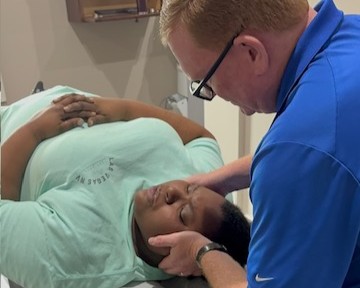

Back pain is one of the most common reasons people seek medical care — and for good reason. It can sideline you from work, disrupt your sleep, and make even simple daily tasks feel overwhelming. If you’ve been dealing with back pain and wondering whether chiropractic care might be right for you, you’re not alone. Many patients here in Calhoun, GA walk through our doors with that very same question: Is chiropractic care actually safe and effective for back pain? The good news is that decades of research, along with the experiences of millions of patients worldwide, point to a reassuring answer. Let’s walk through what the evidence says, how chiropractic care works, and what you can expect if you choose to explore this path toward relief.
What is chiropractic care for back pain?
Chiropractic care is a non-invasive, drug-free approach to treating musculoskeletal conditions — including back pain — by addressing the relationship between the spine, nervous system, and overall body function. Through manual adjustments and other hands-on techniques, chiropractors work to restore proper spinal alignment, reduce pain, and improve mobility.
Table of Contents
Is Chiropractic Care Safe for Back Pain?
Safety is the first question most patients ask, and it’s a great one to start with. The short answer is yes — for the vast majority of people, chiropractic care is considered a safe option for managing back pain. Major health organizations, including the World Health Organization (WHO) and the National Institutes of Health (NIH), recognize chiropractic care as a legitimate and generally safe form of conservative care when performed by a licensed practitioner.
Serious adverse events from chiropractic adjustments are rare. The most commonly reported side effects are mild and temporary — things like muscle soreness, slight stiffness, or fatigue following an adjustment. Think of it like starting a new workout routine; your body may take a day or two to adapt. These minor reactions typically resolve within 24 to 48 hours.
That said, chiropractic care isn’t appropriate for everyone in every situation. Dr. Blake Derrick takes a thorough approach to patient evaluation before recommending any treatment. If there’s an underlying condition that may make spinal manipulation inadvisable — such as severe osteoporosis, spinal fractures, or certain vascular conditions — a responsible chiropractor will refer you to the appropriate specialist rather than proceeding with care. Patient safety always comes first.
It’s also worth noting that chiropractors complete extensive graduate-level training — typically four years of chiropractic college following undergraduate education — covering anatomy, physiology, neurology, and clinical diagnosis. This rigorous background ensures that licensed chiropractors are well-equipped to assess whether care is appropriate for your specific situation.
Is Chiropractic Care Effective for Back Pain?
When it comes to effectiveness, the evidence is genuinely encouraging. Research published in well-respected journals, as well as guidelines from organizations like the American College of Physicians (ACP), supports spinal manipulation as a first-line treatment option for both acute and chronic low back pain. The ACP guidelines specifically recommend non-pharmacological treatments — including spinal manipulation — as a preferred approach before turning to medications.
The Cochrane Library, which is known for rigorous systematic reviews, has found that spinal manipulative therapy can provide meaningful improvements in pain and function for people with both short-term and longer-lasting low back pain. Evidence indicates that outcomes are often comparable to other common treatments, like physical therapy or non-prescription pain medication — but without the side effects associated with long-term drug use.
It’s important to be realistic here. Chiropractic care isn’t a miracle cure, and results vary from person to person. Some patients experience significant relief after just a few visits. Others may need a more structured care plan over several weeks. And in some cases, chiropractic care works best as part of a broader, collaborative approach to health that includes exercise, lifestyle changes, and other forms of support. Dr. Blake Derrick is always transparent with patients about what chiropractic care can and cannot do, so you can make informed decisions about your health.
Common Causes of Back Pain Chiropractic Can Address
Back pain isn’t a one-size-fits-all problem. It can stem from a wide variety of causes, and understanding the source of your pain is key to finding the right solution. Here in Calhoun, GA, Dr. Blake Derrick sees patients dealing with a range of back-related concerns that often respond well to chiropractic care.
Muscle strains and ligament sprains are among the most common culprits. These typically occur from sudden movements, heavy lifting, or poor body mechanics over time. Chiropractic adjustments, combined with soft tissue work, can help restore normal movement patterns and reduce tension in the surrounding muscles.
Herniated or bulging discs can cause significant pain, especially when they press on nearby nerves. Chiropractic care uses specific techniques to help reduce the mechanical stress on these discs, which may alleviate pressure and allow natural healing to take place.
Postural dysfunction is a growing concern in today’s desk-based, device-heavy world. Prolonged sitting, forward head posture, and sedentary habits can gradually create imbalances in the spine. Chiropractic adjustments combined with corrective posture guidance can help reset these patterns before they lead to more serious problems.
Sacroiliac joint dysfunction — an issue with the joints connecting the spine to the pelvis — is another frequently overlooked source of low back and hip pain. This condition responds particularly well to targeted chiropractic adjustments that restore proper joint mechanics.
Degenerative changes in the spine, sometimes called arthritis or spondylosis, become more common as we age. While chiropractic care can’t reverse structural degeneration, it can help manage pain and maintain the best possible range of motion and function for patients dealing with these changes.
What to Expect at Calhoun Spine Care and Wellness Center
Walking into a chiropractor’s office for the first time can feel a little uncertain — especially if you’ve never experienced an adjustment before. At Calhoun Spine Care and Wellness Center, we make every effort to ensure that new patients feel informed, comfortable, and respected throughout the entire process.
Your first visit begins with a detailed health history and consultation. Dr. Blake Derrick will ask about the nature of your pain, when it started, what makes it better or worse, and your overall health background. This conversation matters because understanding your full picture is essential to creating a care plan that actually fits your needs.
A thorough physical examination follows, which may include orthopedic tests, neurological screening, and a postural and spinal assessment. In some cases, Dr. Blake Derrick may recommend digital X-rays to get a clearer view of your spinal structures before beginning treatment. From there, he’ll explain his findings in plain language and walk you through the recommended approach — so you always know what’s happening and why.
Chiropractic adjustments themselves are generally gentle and well-tolerated. You may hear a popping or cracking sound during an adjustment — this is simply gas releasing from the joint space, not bones cracking. Many patients report feeling immediate relief or a sense of looseness after their first adjustment, while others notice improvement more gradually over subsequent visits. Either experience is completely normal.
Practical Tips to Support Your Back Health
Chiropractic care works best when it’s paired with healthy daily habits. There are several things you can do at home to support your back and extend the benefits of your care at Calhoun Spine Care and Wellness Center.
Pay attention to your posture throughout the day. Whether you’re sitting at a desk, driving, or scrolling on your phone, the position of your spine matters more than most people realize. Try to keep your ears stacked over your shoulders and your shoulders over your hips. If you sit for long periods, take a brief standing or walking break every 30 to 45 minutes to give your spine a reset.
Staying active is one of the most powerful things you can do for your back. Low-impact activities like walking, swimming, or gentle stretching keep the supportive muscles around your spine engaged and flexible. A weak or sedentary core leaves the spine more vulnerable to pain and injury.
Sleep position also plays a surprising role in back health. Sleeping on your side with a pillow between your knees, or on your back with a pillow under your knees, can help maintain natural spinal curves during the night. Avoid sleeping on your stomach for extended periods, as this position tends to put stress on the lower back and neck.
Finally, be mindful of how you lift objects — even light ones. Bending at the knees, keeping the object close to your body, and avoiding twisting while lifting are foundational habits that protect your spine from unnecessary strain over the long run.

When to See a Chiropractor for Back Pain
Many people wait far too long before seeking care for back pain, hoping it will just go away on its own. And while minor muscle soreness from activity often does resolve within a few days, persistent or recurring back pain is a signal worth taking seriously. As a general guideline, if your back pain has lasted more than a week or two without improvement, or if it keeps coming back after periods of relief, it’s worth scheduling an evaluation.
You should also pay attention to pain that radiates down one or both legs, as this can indicate nerve involvement that benefits from prompt professional assessment. Pain that worsens with coughing or sneezing, pain that wakes you from sleep, or pain accompanied by numbness and tingling are all signs to have evaluated sooner rather than later.
There are also certain red flags that warrant immediate medical attention rather than chiropractic care as a first step. These include back pain following a significant trauma (like a car accident or a fall), pain associated with unexplained weight loss, loss of bladder or bowel control, or pain accompanied by fever. In these situations, Dr. Blake Derrick would refer you appropriately and coordinate with your medical team rather than proceeding with chiropractic treatment.
Chiropractic vs. Other Common Back Pain Approaches
|
Approach |
Invasive? |
Drug-Free? |
Addresses Root Cause? |
Common Side Effects |
|---|---|---|---|---|
|
Chiropractic Care |
No |
Yes |
Often Yes |
Mild soreness, temporary fatigue |
|
Over-the-Counter Pain Medications |
No |
No |
No (symptom management only) |
GI upset, risks with long-term use |
|
Physical Therapy |
No |
Yes |
Often Yes |
Muscle soreness during rehab |
|
Prescription Pain Medications |
No |
No |
No (symptom management only) |
Dependency risk, drowsiness, more |
|
Spinal Surgery |
Yes |
No |
Sometimes |
Surgical risks, recovery time |
|
Epidural Steroid Injections |
Minimally |
No |
No (short-term relief) |
Infection risk, temporary effect |
Myths vs. Facts About Chiropractic Care
Myth: Chiropractic adjustments are dangerous and can cause injury.
Fact: When performed by a licensed, trained chiropractor, spinal manipulation is considered a low-risk procedure for appropriately screened patients. Serious complications are rare. The mild soreness some patients feel afterward is temporary and typically resolves within a day or two — similar to how muscles feel after exercise.
Myth: Once you start chiropractic care, you have to go forever.
Fact: There is no obligation to continue care indefinitely. Many patients come in for a specific episode of pain and complete a short course of treatment before returning only as needed. Others choose to continue with periodic wellness visits because they find it beneficial — but that’s always a personal choice, never a requirement.
Myth: Chiropractors aren’t “real” doctors and aren’t medically trained.
Fact: Doctors of Chiropractic (D.C.) complete rigorous graduate-level education that includes extensive coursework in anatomy, physiology, pathology, neurology, radiology, and clinical diagnosis — totaling thousands of hours of academic and hands-on training. They are licensed healthcare professionals in all 50 states.
Myth: Chiropractic care is only for back pain.
Fact: While back pain is among the most common reasons patients seek chiropractic care, chiropractors are trained to address a wide range of musculoskeletal issues — including neck pain, headaches, shoulder dysfunction, hip pain, and more. Whole-body wellness is very much a part of the chiropractic philosophy.
Myth: You should wait until the pain is severe before seeing a chiropractor.
Fact: Early intervention often leads to better outcomes. Addressing a problem when symptoms are mild can prevent it from progressing into something more serious or chronic. You don’t need to be in severe pain to benefit from a professional evaluation.
Final Thoughts from Calhoun Spine Care and Wellness Center
Back pain doesn’t have to be something you just live with. Here in Calhoun, GA, the team at Calhoun Spine Care and Wellness Center is committed to helping you understand your options and find a path forward that feels right for your body and your life. Dr. Blake Derrick brings both expertise and genuine care to every patient he sees — whether you’re dealing with a recent flare-up or years of nagging discomfort.
Chiropractic care has helped countless people in our community reduce pain, restore movement, and get back to doing the things they love — without surgery or medication. It’s not about quick fixes or empty promises. It’s about addressing the root causes of your discomfort and supporting your body’s natural ability to heal and function well.
If you’re in the Calhoun area and you’ve been wondering whether chiropractic care might be the right step for your back pain, we warmly encourage you to come in for a consultation. A conversation with Dr. Blake Derrick costs you nothing but a little time — and it just might be the beginning of a meaningful change for your health.
Frequently Asked Questions
How many chiropractic visits will I need for back pain?
The number of visits varies depending on the cause and severity of your back pain, as well as how your body responds to care. Some patients notice significant improvement within a few visits, while others benefit from a more extended care plan over several weeks. Dr. Blake Derrick will give you a realistic expectation during your initial consultation.
Is chiropractic care safe for older adults with back pain?
Yes, chiropractic care can be appropriate and beneficial for older adults. Techniques can be modified to be gentler and more suitable for individuals with age-related changes in bone density or joint health. A thorough evaluation always comes first to ensure care is safe and appropriate for each individual.
Can chiropractic care help with sciatica?
Sciatica — pain that radiates along the sciatic nerve from the lower back into the leg — is a condition that chiropractic care has been shown to help in many cases. By addressing the spinal dysfunction that may be contributing to nerve irritation, adjustments can help reduce pressure and improve symptoms over time.
Will chiropractic adjustments hurt?
Most patients find chiropractic adjustments to be comfortable and even relieving. Some people experience mild soreness in the treated area for a day or two afterward, which is a normal response. Dr. Blake Derrick communicates throughout every adjustment and tailors his technique to your comfort level.
Is chiropractic care a good alternative to back surgery?
For many types of back pain, chiropractic care is a recommended first step before considering more invasive options like surgery. Major health guidelines suggest exploring conservative, non-surgical approaches first. Of course, there are cases where surgery is medically necessary — and in those situations, proper referral is always the right call.
Can I see a chiropractor if I’ve had back surgery in the past?
In many cases, yes — but it depends on the type of surgery, how long ago it was performed, and the current state of your spine. Dr. Blake Derrick will review your surgical history and imaging before making any recommendations to ensure that care is safe and appropriate for your situation.
TL;DR Summary
-
Chiropractic care is widely recognized as a safe and effective non-invasive option for managing back pain, supported by major health organizations and peer-reviewed research.
-
Common side effects are mild and temporary — serious complications are rare when care is performed by a licensed chiropractor like Dr. Blake Derrick at Calhoun Spine Care and Wellness Center.
-
Evidence from organizations like the American College of Physicians supports spinal manipulation as a first-line treatment for both acute and chronic low back pain.
-
Chiropractic care works best when combined with healthy lifestyle habits like good posture, regular movement, and proper sleep positioning.
-
If you’re dealing with back pain in the Calhoun, GA area, a professional evaluation is the best first step toward understanding your options and finding relief.