

Pregnancy is one of the most remarkable experiences a person can go through — but it’s no secret that it comes with its share of physical challenges. One of the most common complaints we hear from expectant mothers here at Calhoun Spine Care and Wellness Center is hip pain. Whether it’s a deep ache that makes rolling over in bed feel impossible, or sharp discomfort that flares up with every step, hip pain during pregnancy is real, it’s common, and — most importantly — it doesn’t have to be something you just push through. There are safe, gentle, drug-free options available to help you feel better while supporting both your health and your baby’s.
What Is Hip Pain in Pregnancy? Hip pain during pregnancy refers to discomfort felt in and around the hip joints, pelvis, and lower back that develops as a result of the physical and hormonal changes that occur throughout gestation. It can range from mild stiffness to significant pain that interferes with daily activities, sleep, and mobility.
- Why Your Hips Hurt During Pregnancy
- Common Causes of Hip Pain in Pregnancy
- Signs, Symptoms, and What to Watch For
- How Chiropractic Care Can Help
- Practical Tips for Managing Hip Pain at Home
- When to See a Chiropractor During Pregnancy
- Hip Pain Triggers vs. Helpful Adjustments
- Myths vs. Facts About Chiropractic Care in Pregnancy
- Final Thoughts from Calhoun Spine Care and Wellness Center
- Frequently Asked Questions
- TL;DR Summary
Why Your Hips Hurt During Pregnancy
Your body goes through an extraordinary transformation during pregnancy. From the very first trimester, hormones begin reshaping the way your joints and ligaments function. One hormone in particular — relaxin — is released to help prepare your pelvis for childbirth by loosening the ligaments that hold your joints together. While this is entirely natural and necessary, it also means that your pelvic joints become more mobile and less stable than they normally are.
As your pregnancy progresses and your belly grows, your center of gravity shifts forward. This change in your body’s weight distribution places new mechanical demands on your spine, hips, and pelvis. Your muscles work harder to compensate, your posture changes, and the way you walk, sit, and sleep all shift in response to your growing body. Over weeks and months, these adaptations can lead to tension, misalignment, and pain — particularly in the hip region.
At Calhoun Spine Care and Wellness Center, Dr. Blake Derrick sees many expectant mothers throughout Calhoun, GA who are experiencing exactly this kind of discomfort. The encouraging news is that understanding why your hips hurt is the first step toward addressing it thoughtfully and effectively.
Common Causes of Hip Pain in Pregnancy
Hip pain in pregnancy rarely comes from a single cause. More often, it’s the result of several overlapping factors working together. Here are some of the most frequently seen contributors.
Sacroiliac Joint Dysfunction: The sacroiliac (SI) joints connect your lower spine to your pelvis. Because relaxin loosens the ligaments supporting these joints, they can become hypermobile or misaligned, leading to pain that radiates through the hips, buttocks, and sometimes down the legs. SI joint dysfunction is one of the most common sources of pregnancy-related pelvic and hip pain.
Round Ligament Pain: The round ligaments support the uterus and stretch significantly as it grows. Sharp, brief pain on either side of the lower abdomen or groin — sometimes felt in the hip area — can result from sudden movements that tug on these ligaments. While usually harmless, this type of pain can be alarming when unexpected.
Symphysis Pubis Dysfunction (SPD): The symphysis pubis is the joint at the front of your pelvis. When relaxin causes this joint to become too mobile, it can lead to significant pain in the front of the pelvis, groin, and hips. SPD can make walking, climbing stairs, and even standing on one leg quite uncomfortable.
Postural Changes and Muscle Imbalance: As the belly grows, many women develop an exaggerated curve in the lower back — known as lordosis. This postural shift tightens the hip flexors and lower back muscles while weakening the glutes and abdominals. These muscle imbalances can compound joint stress and contribute to persistent hip pain.
Sciatic Nerve Irritation: The expanding uterus can place pressure on the sciatic nerve, causing pain, tingling, or numbness that travels from the lower back through the hip and down the leg. This is often referred to as sciatica during pregnancy and can vary from mild to quite debilitating.
Signs, Symptoms, and What to Watch For
Hip pain in pregnancy can show up in many different ways, and no two women experience it exactly alike. Some describe a dull, constant ache deep in the hip socket. Others feel sharp pain when shifting weight from one leg to the other, getting up from a chair, or turning over in bed at night. Pain may be felt on one side or both, and it may radiate into the lower back, groin, buttocks, or thighs.
Many women in the Calhoun, GA area come to see Dr. Blake Derrick at Calhoun Spine Care and Wellness Center reporting that their hip pain is worst at night, or that it makes everyday activities like walking, grocery shopping, or climbing stairs unexpectedly difficult. Sleep disruption from hip discomfort is also extremely common during the second and third trimesters, when the physical demands on the body are greatest.
It’s important to pay attention to how your symptoms behave. Pain that is consistent with musculoskeletal strain and pelvic instability is well within the scope of conservative chiropractic care. However, certain symptoms should prompt a conversation with your OB or midwife right away — including severe abdominal pain, heavy bleeding, sudden swelling, or signs of preterm labor. A good chiropractor will always work alongside your obstetric care team, not in isolation from it.
How Chiropractic Care Can Help Moms-to-Be
Chiropractic care during pregnancy is focused on restoring balance and alignment to the spine and pelvis, reducing nerve interference, and supporting the body’s natural ability to adapt. It is a non-invasive, drug-free approach that is widely regarded as safe for most expectant mothers when performed by a trained chiropractor.
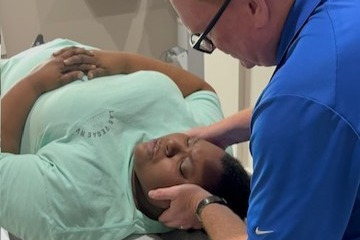
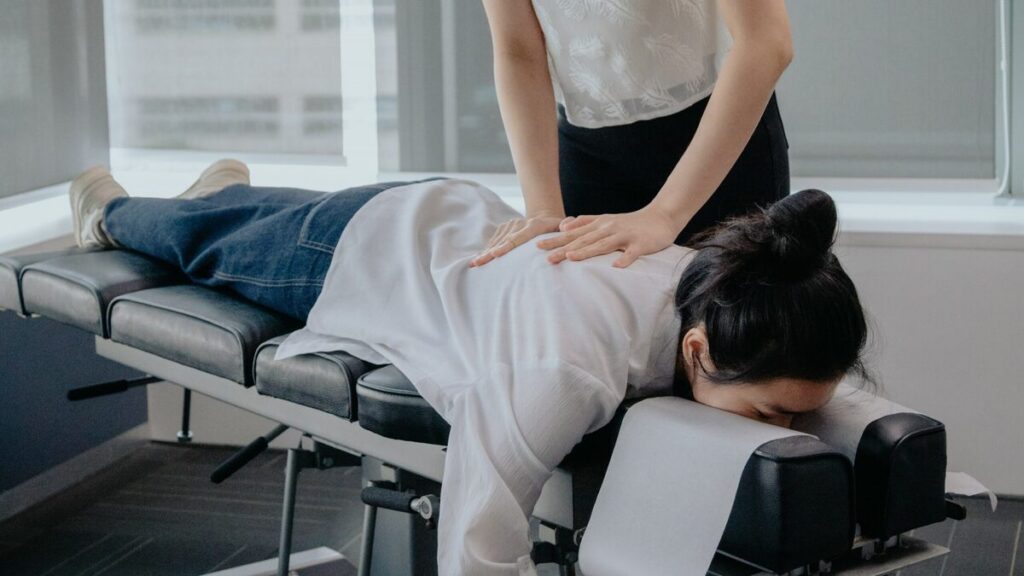
Dr. Blake Derrick at Calhoun Spine Care and Wellness Center is experienced in working with pregnant patients and uses techniques specifically suited to the needs of expectant mothers. Care is always gentle and modified to accommodate each stage of pregnancy. Specially designed pregnancy pillows and positioning supports allow expecting moms to lie comfortably during their adjustments, with no pressure placed on the belly.
One of the most well-known chiropractic techniques used during pregnancy is the Webster Technique, a specific protocol designed to analyze and correct sacral misalignment and reduce tension in the surrounding muscles and ligaments. By addressing imbalances in the pelvis, this technique aims to support optimal pelvic alignment and function throughout pregnancy. Research published in the Journal of Manipulative and Physiological Therapeutics has noted favorable outcomes associated with this approach, and it is recognized by the International Chiropractic Pediatric Association as a beneficial protocol for pregnant women.
Beyond specific adjustments, chiropractic care during pregnancy also supports the nervous system. When spinal and pelvic joints are properly aligned, the nervous system can communicate more efficiently throughout the body. This may translate to better overall comfort, improved mobility, and a body that is better prepared for the demands of labor and delivery. Evidence from the American College of Physicians and other major health organizations supports conservative manual care as a first-line approach for musculoskeletal pain — and pregnancy-related hip pain is no exception.
At Calhoun Spine Care and Wellness Center, every care plan is individualized. Dr. Blake Derrick takes time to understand each patient’s specific symptoms, trimester, activity level, and overall health before recommending any course of care. The goal is never a one-size-fits-all approach — it is gentle, thoughtful, personalized support for one of the most important seasons of your life.
Practical Tips for Managing Hip Pain at Home
While professional chiropractic care can make a meaningful difference, there are also things you can do day-to-day to support your comfort between visits. These tips are simple, safe, and consistent with the kind of advice Dr. Blake Derrick shares with patients at Calhoun Spine Care and Wellness Center.
Sleep with a pillow between your knees. Side sleeping is recommended during pregnancy, and placing a supportive pillow between your knees helps keep your pelvis in a more neutral alignment. This reduces the rotational strain on your SI joints and hips overnight — which is often when discomfort is at its worst.
Avoid asymmetrical postures. Things like sitting with your legs crossed, carrying a heavy bag on one shoulder, or standing with your weight shifted to one hip may seem harmless but can worsen pelvic imbalance over time. Try to keep your weight distributed as evenly as possible throughout the day.
Move gently and frequently. Long periods of sitting or standing in one position can stiffen already-strained hip and pelvic joints. Short, gentle walks and position changes every 30 to 45 minutes can help keep the joints mobile and reduce stiffness. Gentle prenatal yoga or swimming may also provide relief — always check with your care provider before starting a new exercise routine.
Be mindful of getting in and out of cars. One of the most common triggers for hip and pelvic pain flare-ups is the wide leg movement required to enter or exit a vehicle. Try swiveling your legs together as a unit rather than stepping in one leg at a time to minimize the strain on your SI joints.
When to See a Chiropractor During Pregnancy
Many women wonder whether they should wait until their hip pain is severe before seeking care. The honest answer is: you don’t have to wait. Early, proactive chiropractic care during pregnancy can help prevent minor discomfort from becoming a significant problem as your pregnancy progresses and your body continues to change.
If your hip pain is interfering with sleep, making it difficult to walk or perform daily activities, or causing you emotional stress and anxiety, those are all meaningful reasons to schedule an evaluation. You don’t have to be in crisis mode to benefit from care. In fact, many women who start receiving chiropractic care during their second trimester find that it helps them stay comfortable and active well into their third.
That said, there are situations where chiropractic care is not appropriate without medical clearance first, or where symptoms suggest a more urgent concern. Severe or sudden pelvic pain, pain accompanied by vaginal bleeding or discharge, signs of preeclampsia (such as sudden swelling in the face or hands), or any symptoms your OB or midwife has flagged as high-risk should be addressed medically before pursuing chiropractic care. Dr. Blake Derrick always coordinates with patients’ obstetric care teams when needed, and patient safety is always the first priority.
Hip Pain Triggers vs. Helpful Adjustments
| Common Hip Pain Trigger | Why It Causes Pain | Helpful Adjustment or Strategy |
|---|---|---|
| Sleeping flat without support | Increases rotational stress on SI joints and hips | Side sleeping with a pillow between knees |
| Standing with weight on one hip | Creates pelvic imbalance and muscle asymmetry | Even weight distribution; gentle movement breaks |
| Sitting with legs crossed | Rotates pelvis and strains piriformis and SI joint | Seated with feet flat on the floor, knees level |
| Stepping widely in/out of vehicles | Loads one SI joint asymmetrically under relaxin influence | Swivel legs together as a unit when entering/exiting |
| Prolonged standing or sitting | Stiffens hip flexors and compresses pelvic joints | Frequent position changes every 30-45 minutes |
| Carrying uneven loads (e.g., heavy bag on one side) | Shifts spinal alignment and increases hip strain | Distribute weight evenly; use a backpack-style bag |
Myths vs. Facts About Chiropractic Care in Pregnancy
Myth: Chiropractic adjustments are not safe during pregnancy.
Fact: When performed by a trained chiropractor experienced in prenatal care, chiropractic adjustments are considered safe throughout pregnancy for most women. Techniques are modified to avoid any pressure on the abdomen, and specially designed positioning equipment is used. Major health organizations, including the American Pregnancy Association, recognize chiropractic care as a beneficial option for managing pregnancy-related musculoskeletal discomfort.
Myth: You should just rest and wait for the pain to go away on its own.
Fact: While rest has its place, passive waiting can sometimes allow imbalances and dysfunction to worsen as pregnancy progresses. Early, conservative care — including chiropractic adjustments, postural guidance, and lifestyle recommendations — often leads to better outcomes than waiting until symptoms become severe. Movement and appropriate care are generally more beneficial than prolonged inactivity.
Myth: Hip pain during pregnancy is normal, so there’s nothing you can do about it.
Fact: Hip pain is common during pregnancy, but “common” does not mean you have to simply accept it. There are safe, effective conservative approaches that can reduce your discomfort and improve your quality of life significantly. Being pregnant does not mean being in pain is inevitable or untreatable.
Myth: Chiropractic care during pregnancy can harm the baby.
Fact: There is no credible evidence that appropriate chiropractic care poses a risk to the developing baby. Adjustments during pregnancy do not involve direct force to the abdomen. The goal of care is to support the mother’s musculoskeletal health, which in turn supports a healthier pregnancy environment overall.
Myth: Chiropractic care is only useful for back pain — not hip pain.
Fact: Chiropractic care addresses the entire musculoskeletal system, including the pelvis, hips, sacroiliac joints, and surrounding soft tissues. Hip pain related to pelvic misalignment, SI joint dysfunction, muscle imbalance, and sciatic nerve irritation — all common during pregnancy — are all well within the scope of chiropractic assessment and care.
Final Thoughts from Calhoun Spine Care and Wellness Center
Here in Calhoun, GA, we are privileged to support so many families through the journey of pregnancy and beyond. At Calhoun Spine Care and Wellness Center, Dr. Blake Derrick and the entire care team understand that pregnancy is a time when you want to feel your very best — and when you need care that is thoughtful, safe, and genuinely effective.
If you are pregnant and struggling with hip pain, please know that you are not alone, and you do not have to simply endure it. Safe, gentle, personalized chiropractic care is available right here in your community. Whether you are newly pregnant or well into your third trimester, it is never too early or too late to seek support for your comfort and wellbeing.
We encourage you to reach out to our office, have a conversation with Dr. Blake Derrick, and find out whether chiropractic care is a good fit for where you are in your pregnancy journey. Our goal is always to empower you with the information, care, and support you need to enjoy this extraordinary time in your life as comfortably and confidently as possible.
Frequently Asked Questions
Is it safe to see a chiropractor during my first trimester?
For most healthy pregnancies, chiropractic care is considered safe throughout all trimesters, including the first. That said, Dr. Blake Derrick always conducts a thorough intake and, when appropriate, coordinates with your OB or midwife before beginning care. If you have been classified as a high-risk pregnancy, medical clearance is recommended before starting any new care.
How many chiropractic visits will I need during pregnancy?
The number of visits varies depending on your symptoms, how far along you are, and how your body responds to care. Some patients experience significant relief in just a few sessions, while others benefit from ongoing supportive care throughout their pregnancy. Dr. Blake Derrick will discuss a realistic, individualized plan with you during your initial evaluation.
Can chiropractic care help with sciatica during pregnancy?
Yes, chiropractic care is often effective for managing sciatic pain during pregnancy. By addressing pelvic misalignment and reducing tension in the muscles surrounding the sciatic nerve, adjustments can help decrease the nerve irritation that causes the shooting pain, tingling, or numbness associated with pregnancy-related sciatica.
What is the Webster Technique, and should I ask about it?
The Webster Technique is a chiropractic protocol specifically developed for use during pregnancy. It focuses on analyzing and correcting sacral misalignment and balancing the muscles and ligaments of the pelvis. It is widely used by chiropractors who work with pregnant patients and may be a good option to discuss with Dr. Blake Derrick during your consultation at Calhoun Spine Care and Wellness Center.
Will chiropractic adjustments be different now that I’m pregnant?
Yes. Chiropractic techniques are modified significantly during pregnancy. Special positioning equipment is used to ensure you and your baby are fully supported and comfortable. No adjustment involves pressure on the abdomen, and the level of force used is gentle and appropriate for your stage of pregnancy.
Can hip pain during pregnancy be a sign of something more serious?
Most pregnancy-related hip pain is musculoskeletal in nature and not a sign of a serious underlying condition. However, hip or pelvic pain that is accompanied by bleeding, fever, sudden severe pain, or other concerning symptoms should be evaluated by your OB or midwife promptly. Your safety and your baby’s wellbeing always come first.
TL;DR Summary
- Hip pain during pregnancy is extremely common and is largely caused by hormonal changes, pelvic instability, postural shifts, and muscle imbalances — not a sign that something is seriously wrong.
- Common contributors include sacroiliac joint dysfunction, symphysis pubis dysfunction, round ligament pain, postural changes, and sciatic nerve irritation.
- Chiropractic care — including the Webster Technique — is considered safe and effective for most pregnant women and can help reduce hip and pelvic pain without drugs or surgery.
- Simple daily habits like sleeping with a pillow between your knees, avoiding asymmetrical postures, and moving frequently can support your comfort between chiropractic visits.
- If you are in Calhoun, GA and experiencing hip pain during pregnancy, Calhoun Spine Care and Wellness Center and Dr. Blake Derrick are here to help you feel better and move more freely throughout your pregnancy.