
If you’re an athlete dealing with a sharp, shooting pain that travels from your lower back down through your leg, you already know how frustrating it can be. Sciatica doesn’t just hurt — it sidelines you. It disrupts your training, throws off your performance, and makes even the simplest movements feel uncertain. Here at Calhoun Spine Care and Wellness Center in Calhoun, GA, we see athletes from all walks of life come in looking for real answers about sciatica and how to manage it without giving up the activities they love. The good news is that with the right approach, sciatica is very manageable — and staying active is absolutely part of the recovery plan.
What Is Sciatica?
Sciatica is not a diagnosis in itself — it’s a symptom. It refers to pain, numbness, tingling, or weakness that radiates along the path of the sciatic nerve, which runs from the lower back through the hips and buttocks and down each leg. The pain most commonly affects one side of the body and can range from a mild ache to a sharp, burning sensation. In athletes, it often appears after a sudden movement, repetitive strain, or prolonged sitting during travel between events.
- What Is Sciatica?
- Why Athletes Are Particularly Vulnerable to Sciatica
- Common Causes of Sciatica in Athletes
- Recognizing the Signs and Symptoms
- How Chiropractic Care Fits Into Sciatica Recovery
- Practical Tips to Manage Sciatica and Stay Active
- When to See a Chiropractor for Sciatica
- Myths vs. Facts About Sciatica in Athletes
- Final Thoughts
- Frequently Asked Questions
- TL;DR Summary
Why Athletes Are Particularly Vulnerable to Sciatica
It might seem counterintuitive — athletes are fit, strong, and body-aware, so why would they be prone to sciatica? The truth is that athletic training, while incredibly beneficial, also places repetitive and significant stress on the lumbar spine and surrounding muscles. The demands of sport can create muscular imbalances, joint compression, and postural patterns that gradually irritate the sciatic nerve.
Runners, cyclists, football players, weightlifters, and even golfers commonly deal with sciatic nerve pain. High-impact activities can contribute to disc irritation in the lower back. Sports that require a lot of forward hip flexion — like cycling or rowing — can tighten the piriformis muscle, a small but powerful muscle deep in the buttocks that sits directly over the sciatic nerve. When that muscle becomes inflamed or overly tight, it can compress the nerve and trigger sciatic symptoms. This is sometimes called piriformis syndrome, and it’s a frequent culprit in athlete-specific sciatica.
Beyond that, many athletes train with intensity but neglect recovery. Inadequate warm-up, poor cool-down routines, and limited flexibility work can all increase the risk of nerve-related pain over time. Here in Calhoun, GA, our team at Calhoun Spine Care and Wellness Center works with many local athletes who didn’t realize how much these small habits were contributing to their pain until they came in for a full evaluation.
Common Causes of Sciatica in Athletes
Understanding what’s causing your sciatica is the first step toward addressing it effectively. While the sciatic nerve is the common thread, the actual source of irritation can vary quite a bit from one athlete to another. Dr. Blake Derrick evaluates each patient individually because no two cases are exactly alike.
One of the most frequent causes is a herniated or bulging disc in the lumbar spine. The discs between your vertebrae act as cushions, and when they’re subjected to repetitive compression or a sudden forceful movement, the inner material can press outward and irritate the nerve root. This is common in sports that involve heavy lifting, twisting, or jumping.
Another common cause is lumbar spinal stenosis — a narrowing of the spinal canal that can put pressure on the nerves passing through it. While this is more commonly seen in older athletes or those with longer athletic careers, it’s worth understanding as a possibility. Sacroiliac joint dysfunction is also frequently linked to sciatic-type pain, especially in sports that involve single-leg loading like running or soccer. And as mentioned earlier, piriformis syndrome is a well-recognized cause in athletes across nearly every sport.
Recognizing the Signs and Symptoms
Sciatica has a fairly recognizable pattern, though the intensity and location of symptoms can vary. The hallmark is pain that travels down one leg, usually following a path from the lower back or buttock through the back of the thigh and sometimes all the way into the calf or foot. It often feels like a burning, shooting, or electric sensation rather than a typical muscle ache.
Some athletes experience more numbness or tingling than actual pain, while others notice muscle weakness in the affected leg. Prolonged sitting — think long drives to away games or sitting through class after a hard practice — often makes sciatic symptoms worse. So does standing up suddenly after being seated. Many athletes also notice that certain movements, like bending forward or rotating the spine, temporarily intensify their discomfort.
What makes sciatica tricky in athletes is that the symptoms can mimic other conditions like hamstring strains, hip flexor tightness, or even referred pain from the sacroiliac joint. This is why a proper evaluation is so important. Getting an accurate picture of what’s happening is essential before jumping into any treatment plan. Dr. Blake Derrick takes a thorough approach to assessing each patient’s specific presentation before recommending a course of care.
How Chiropractic Care Fits Into Sciatica Recovery
Chiropractic care is considered a frontline, non-invasive option for managing sciatica, and for good reason. Reputable organizations including the American College of Physicians (ACP) and the National Institutes of Health’s National Center for Complementary and Integrative Health (NCCIH) recognize spinal manipulation and conservative care as appropriate approaches for low back and sciatic pain. The goal isn’t simply to relieve the pain — it’s to address the underlying mechanical issues that are contributing to nerve irritation in the first place.
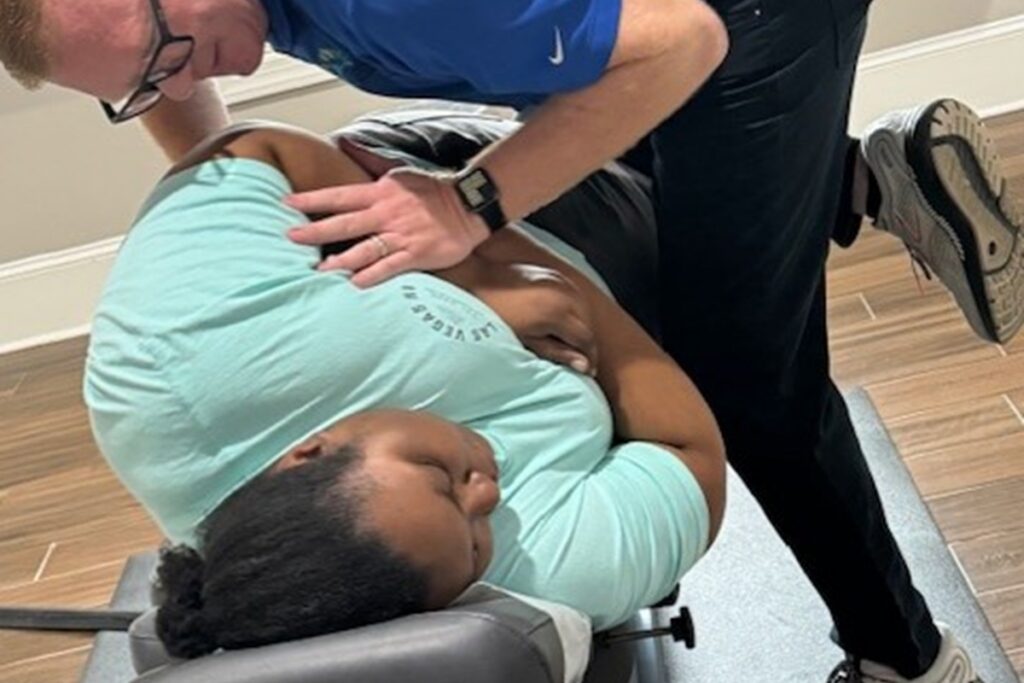
At Calhoun Spine Care and Wellness Center, Dr. Blake Derrick uses a combination of spinal adjustments, soft tissue work, and movement-based rehabilitation strategies to help athletes with sciatica. Spinal adjustments help restore proper alignment and motion to the lumbar vertebrae, reducing the mechanical pressure that can be compressing nerve roots. When the spine moves the way it’s designed to, the nervous system functions better and healing becomes more efficient.
Beyond adjustments, chiropractic care often includes education around posture, sport-specific biomechanics, and core stability — all of which play a critical role in preventing sciatic flare-ups. Many athletes are surprised to learn that their hip mobility or core weakness is directly connected to their lower back pain. Addressing those links is what makes chiropractic care so effective for the active population. The team at Calhoun Spine Care and Wellness Center in Calhoun, GA is experienced in working with athletes who need to stay as active as possible during their recovery.
Practical Tips to Manage Sciatica and Stay Active
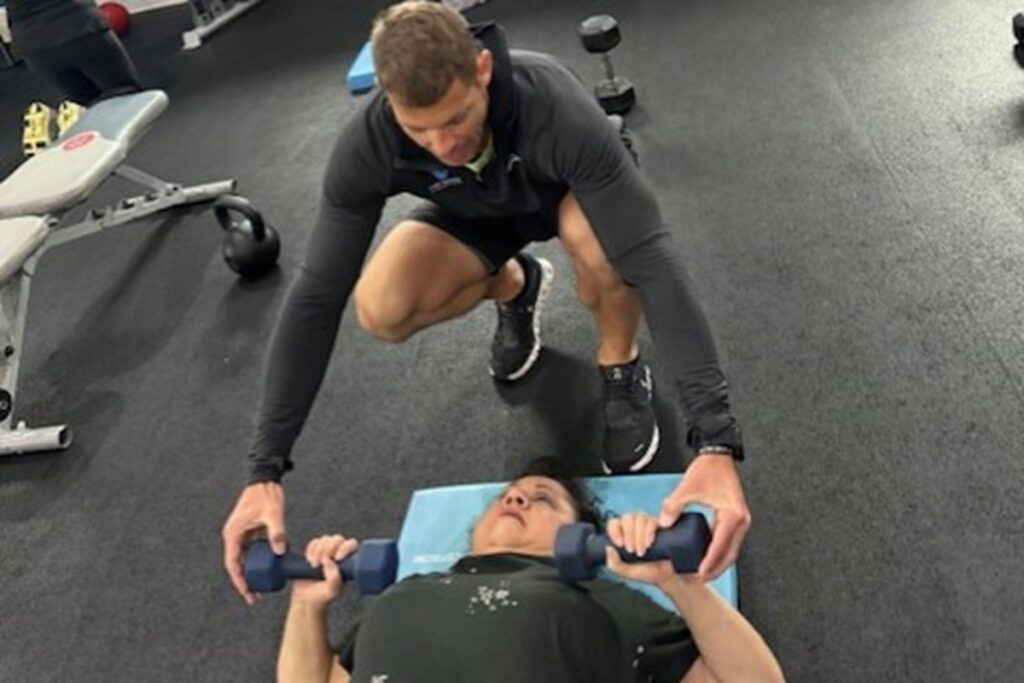
One of the most important things to understand is that complete rest is rarely the right answer for sciatica. Movement — the right kind of movement — is typically beneficial. The key is modifying your activity rather than stopping it altogether.
Focus on low-impact movement during a flare-up. Swimming, walking, and gentle cycling can help maintain cardiovascular fitness without loading the lumbar spine excessively. If running is your sport, consider reducing your mileage and intensity temporarily while you work through the acute phase. Avoid high-impact activities, heavy lifting, or spinal flexion-based exercises (like crunches or sit-ups) until your symptoms begin to stabilize.
Hip mobility and piriformis stretching can make a meaningful difference for athletes with sciatica related to that muscle. Gentle stretches that open the hip and externally rotate the leg — performed with patience and consistency — can help reduce compression on the sciatic nerve over time. That said, always check with a qualified provider before starting a new stretching routine when you’re dealing with active nerve pain, as some stretches can temporarily worsen symptoms depending on the cause.
Pay attention to your sleeping position. Sleeping on your side with a pillow between your knees can take pressure off the lower back and help reduce nighttime sciatic discomfort. If you sleep on your back, placing a pillow under your knees can serve a similar purpose. These are small changes that can make a surprisingly significant difference in how you feel day to day.
When to See a Chiropractor for Sciatica
If your sciatic symptoms have lasted more than a few days and don’t seem to be improving on their own, it’s a good time to seek professional evaluation. While some mild cases resolve with rest and self-care, persistent or worsening pain warrants a closer look at what’s driving the problem. Athletes in particular are at risk of trying to push through pain and unintentionally making things worse.
You should seek evaluation promptly if you notice progressive weakness in your leg, difficulty walking, or changes in bladder or bowel function. These are red flags that suggest more significant nerve involvement and may require medical referral beyond the scope of chiropractic care. Dr. Blake Derrick will always refer patients out when the situation calls for it — your safety comes first.
For most athletes, the earlier you seek care, the better the outcome. A thorough evaluation at Calhoun Spine Care and Wellness Center in Calhoun, GA can identify the root cause of your symptoms and help you get back to training with a clear, structured plan in place.
Sciatica Triggers vs. Helpful Modifications for Athletes
| Activity / Habit | Potential Sciatic Trigger | Helpful Modification |
|---|---|---|
| Heavy deadlifts or squats | Increased lumbar disc compression | Reduce load, focus on form, avoid deep spinal flexion |
| Long-distance running | Repetitive impact and hip imbalances | Reduce mileage, work on hip mobility and running gait |
| Prolonged sitting (travel, class) | Sciatic nerve compression from sustained posture | Stand and walk every 30-45 minutes, use lumbar support |
| Cycling (long sessions) | Piriformis tightness, hip flexor shortening | Bike fit assessment, stretching routine, stand breaks |
| High-intensity interval training | Rapid spinal loading and rotation | Temporarily substitute with swimming or walking |
| Inadequate warm-up | Sudden load on cold muscles and joints | Add 10 minutes of dynamic movement before every session |
Myths vs. Facts About Sciatica in Athletes
Myth: Sciatica means you have to stop playing your sport entirely.
Fact: While some temporary activity modification is often necessary, complete rest is rarely the recommended approach. In most cases, guided movement and low-impact activity support recovery better than inactivity. The goal is to find what your body can tolerate right now and build from there.
Myth: Sciatica always comes from a herniated disc.
Fact: While herniated discs are a common cause, sciatica in athletes is frequently linked to piriformis syndrome, sacroiliac joint dysfunction, or lumbar joint restriction — none of which involve disc herniation. This is why a thorough evaluation matters before assuming a diagnosis.
Myth: If the pain goes away, you’re healed.
Fact: Pain relief and full recovery are not the same thing. Many athletes return to full training after their symptoms ease, only to experience a relapse because the underlying mechanical issues were never addressed. Addressing root causes — not just symptoms — is what leads to lasting results.
Myth: Chiropractic care is too aggressive for nerve pain.
Fact: Chiropractic adjustments for sciatica are typically gentle and carefully tailored to the individual’s presentation. Dr. Blake Derrick adapts the approach based on each athlete’s specific condition, ensuring that care is appropriate and comfortable. Research suggests spinal manipulation can be an effective component of conservative sciatica care.
Myth: Sciatica is a sign that your athletic career is over.
Fact: Many professional and recreational athletes have successfully managed sciatica and gone on to compete at a high level. With proper evaluation, appropriate care, and smart training habits, sciatica does not have to end your athletic journey.
Final Thoughts
Sciatica is one of those conditions that can feel overwhelming when you’re in the middle of it — especially when sport and movement are a core part of who you are. But it’s important to remember that this is a very common, very treatable condition. You don’t have to choose between managing your pain and staying active. With the right guidance, you can do both.
Here at Calhoun Spine Care and Wellness Center in Calhoun, GA, Dr. Blake Derrick has worked with athletes at all levels — from weekend warriors to competitive athletes — who wanted to get back to what they love without relying on medications or surgery. The approach here is always individualized, conservative, and focused on helping you understand your own body better so you can make informed decisions about your health and training.
If you’re dealing with sciatic pain and you’re in the Calhoun, GA area, know that you don’t have to figure this out alone. Our team is here to help you get clear answers, build a smart recovery plan, and get you moving confidently again. That’s what we’re here for.
Frequently Asked Questions
How long does sciatica typically last in athletes?
The duration varies depending on the cause and severity. Many cases of sciatica improve within a few weeks with appropriate conservative care. Athletes who seek early evaluation and follow a structured recovery plan often experience faster resolution than those who delay care or try to push through the pain.
Can I keep training with sciatica?
In many cases, yes — with modifications. Low-impact activities like swimming, walking, and light cycling are generally better tolerated during a flare-up than high-impact or heavy loading exercises. Always consult with a qualified provider before continuing your full training program while experiencing sciatic symptoms.
Is sciatica the same as a pinched nerve?
The terms are often used interchangeably, but they’re not quite the same thing. Sciatica specifically refers to pain along the sciatic nerve, while “pinched nerve” is a more general term for any compressed nerve in the body. Sciatica can be caused by a pinched nerve, but the two terms don’t always refer to the same thing.
What sports are most likely to cause sciatica?
Sports that involve repetitive lumbar loading, sustained hip flexion, or high-impact movement carry a higher risk. Running, weightlifting, cycling, golf, rowing, and contact sports are commonly associated with sciatic symptoms in athletes. That said, sciatica can occur in any sport or even with sedentary habits between training sessions.
Can chiropractic care help prevent sciatica from coming back?
Yes, preventive chiropractic care can play a meaningful role in reducing the risk of recurrence. Regular spinal check-ups, targeted mobility work, and education about biomechanics and posture can help athletes identify and address issues before they escalate into full sciatic episodes.
Should I ice or heat my lower back when sciatica flares up?
Ice is generally recommended during the acute phase to help reduce inflammation, while heat may be more useful once the acute phase has passed to relax surrounding muscles. However, everyone’s situation is different, so it’s best to get personalized guidance from Dr. Blake Derrick or another qualified provider before defaulting to one approach.
TL;DR Summary
- Sciatica is irritation of the sciatic nerve that causes pain, numbness, or tingling down one leg — it’s especially common in athletes due to repetitive spinal stress, muscular imbalances, and sport-specific movement patterns.
- Common causes in athletes include herniated discs, piriformis syndrome, sacroiliac joint dysfunction, and lumbar joint restriction — a proper evaluation is essential to identify the actual cause.
- Complete rest is rarely the right answer; modified, low-impact movement typically supports recovery better than stopping activity altogether.
- Chiropractic care at Calhoun Spine Care and Wellness Center in Calhoun, GA addresses the root cause of sciatic pain through spinal adjustments, soft tissue care, and movement rehabilitation — without drugs or surgery.
- If your symptoms are persistent, worsening, or affecting your strength and function, seek professional evaluation sooner rather than later for the best possible outcome.