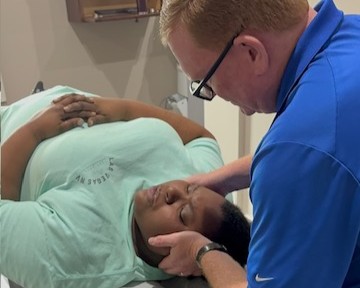

When you're dealing with a sports injury, it's common to feel overwhelmed and alone in your recovery journey. As a local chiropractor, I want to share how chiropractic care can provide vital support that goes beyond just physical healing. Our approach addresses not only the physical aspects of your injury but also the emotional and mental challenges that often arise during recovery.
Through chiropractic adjustments, we can help manage pain and improve your mobility, while also incorporating techniques to build resilience and mental fortitude. Understanding how chiropractic care aids your recovery can empower you to regain your strength and get back to the activities you love.
So, what specific strategies can we use to make a meaningful impact on your recovery process? Let's delve into ten key ways chiropractic care can transform your experience and help you heal more effectively.
Emotional Support and Validation
When you find yourself sidelined by a sports injury, it's completely understandable to feel isolated and overwhelmed. Many people believe that no one truly comprehends the struggles they're facing, which can lead to increased feelings of frustration and sadness. This is where emotional support and validation play a crucial role, and as a chiropractor, I want to emphasize the importance of connecting with others who understand your journey.
Reaching out to teammates, coaches, or friends who've dealt with injuries can foster a sense of community. These individuals can validate your feelings and remind you that it's perfectly normal to be upset about your situation. Sharing your thoughts and concerns often reveals that others have experienced similar emotions, helping you realize you're not alone in this process.
Participating in group therapy sessions or support groups tailored for athletes can also be incredibly beneficial, providing new insights and encouragement.
Moreover, working with a healthcare professional, such as a chiropractor who specializes in sports injuries, can greatly assist you in navigating the emotional challenges that come with recovery. I can help you develop effective coping strategies and establish realistic expectations for your healing journey. This supportive environment not only validates your feelings but also offers a safe space for you to express your frustrations, fears, and aspirations.
Incorporating chiropractic care into your recovery can also aid in alleviating physical discomfort and enhance your overall well-being, allowing you to focus on the emotional aspects of healing.
Pain Management Techniques
When it comes to managing sports injury pain, it's crucial to address that discomfort effectively to support your recovery. As a local chiropractor, I want to share with you some natural healing techniques that can significantly aid in your healing process.
Mindfulness and relaxation strategies are powerful tools that can help you manage pain. By focusing your mind and practicing relaxation techniques, you can reduce stress and promote a sense of well-being.
Additionally, cognitive behavioral techniques and breathing exercises can assist you in reshaping your response to pain, allowing you to regain control over how you feel.
Incorporating these approaches into your recovery plan can enhance your healing journey and improve your overall experience with pain management.
Together, we can explore these methods and find the best path forward for your recovery.
Mindfulness and Relaxation Strategies
As a local chiropractor, I want to emphasize the importance of incorporating mindfulness and relaxation strategies into your recovery plan, especially when dealing with pain from sports injuries. These techniques aren't just about physical healing; they also help you focus on the present moment, which can significantly reduce anxiety and negative thoughts that often accompany pain.
By practicing mindfulness, you can learn to recognize discomfort without allowing it to take control of your overall experience.
One effective method to promote relaxation is through deep breathing exercises. These are simple to learn and can have a profound impact on your well-being. When you take slow, deep breaths, you activate your body's natural relaxation response. This can help lower your heart rate and ease muscle tension, making it easier for you to manage pain during your recovery.
Another valuable technique I often recommend is progressive muscle relaxation. This involves tensing and then relaxing different muscle groups in sequence. By doing this, you can release built-up tension in your body and cultivate a greater sense of calm, which is essential for healing.
Guided imagery is also a powerful tool that can help you mentally escape from pain. By visualizing a peaceful and healing environment, you create a distraction from discomfort. Furthermore, picturing yourself in a state of recovery can foster a positive mindset, which is crucial for your overall healing process.
As you explore these strategies in conjunction with chiropractic care, you may find that they enhance your recovery experience and contribute to better pain management.
Cognitive Behavioral Techniques
As a local chiropractor, I want to introduce you to some powerful tools that can enhance your recovery journey from pain. While mindfulness and relaxation strategies are essential starting points, incorporating cognitive behavioral techniques can significantly improve your pain management.
These techniques help you understand how your thoughts and beliefs can shape your experience of pain. For instance, if you find yourself thinking, "I'll never feel better," it's important to challenge that belief. Instead, try telling yourself, "I am making progress every day." This shift in perspective can alleviate feelings of helplessness and anxiety, making it easier to cope with discomfort.
Self-talk is another effective strategy. Remind yourself of the challenges you've successfully overcome in the past. This can reinforce your ability to navigate your current recovery journey.
Visualization is also a powerful tool; imagine yourself engaging in activities you love, pain-free. This practice can motivate you and foster a positive connection with the idea of recovery.
Moreover, setting realistic goals is crucial. Celebrate small victories along the way, as these achievements can keep your spirits high and provide encouragement.
By integrating these cognitive behavioral techniques into your recovery process, you can take an active role in managing your pain and pave the way for a smoother healing experience.
Breathing Exercises Benefits
As a chiropractor, I want to share with you the incredible benefits of breathing exercises for managing pain and aiding in your recovery. When you focus on your breath, you can trigger your body's natural relaxation response, which significantly reduces tension and stress. This not only enhances your comfort but also supports your body's healing process.
Practicing deep breathing increases the flow of oxygen to your muscles and organs, which can speed up recovery. Many of my patients find that taking slow, intentional breaths helps to diminish their perception of pain, making it easier for them to participate in physical therapy or rehabilitation exercises.
Incorporating breathing techniques into your daily routine can also help you maintain a sense of grounding during uncomfortable moments. One effective method is to inhale deeply through your nose for a count of four, hold that breath for four counts, and then exhale slowly through your mouth.
This simple yet powerful technique can serve as a distraction from pain and foster a sense of calm, allowing you to better engage with your healing journey.
Enhanced Motivation and Commitment
As you embark on your journey to recover from a sports injury, it's crucial to enhance your motivation and commitment to the process.
At our chiropractic practice, we believe that setting clear, achievable goals is the first step in your recovery. Utilizing positive reinforcement can further encourage you to overcome any mental barriers that may arise during your healing journey.
Chiropractic care focuses on natural healing, helping your body regain its strength and mobility. By understanding your body and its needs, you can remain focused and driven throughout your recovery.
Let's delve into how these strategies, combined with the benefits of chiropractic adjustments and holistic treatments, can support your path to a successful recovery.
Goal Setting Techniques
As your local chiropractor, I want to emphasize the importance of setting clear and attainable goals for your sports injury recovery. Having well-defined objectives not only enhances your motivation but also strengthens your commitment to the healing process.
By establishing specific goals, you create a clear pathway that guides your recovery journey. Here are some techniques that can help you set effective goals:
- Make them SMART: It's crucial that your goals are Specific, Measurable, Achievable, Relevant, and Time-bound. This level of clarity allows you to track your progress effectively and see how far you've come in your recovery.
- Break it down: Large goals can feel overwhelming, so I encourage you to divide them into smaller, manageable tasks. This strategy enables you to celebrate small victories along the way, which can significantly boost your motivation and keep your spirits high.
- Visualize success: Take a moment to imagine yourself achieving your recovery goals. Visualization is a powerful tool that can enhance your confidence and reinforce your commitment to the healing process. By picturing your success, you're more likely to stay dedicated to your rehabilitation plan.
As you embark on your recovery journey, remember that chiropractic care and natural healing are here to support you every step of the way.
Let's work together to set goals that will aid your recovery and promote your overall well-being.
Positive Reinforcement Strategies
As your local chiropractor, I want to share how embracing positive reinforcement strategies can significantly aid your motivation and commitment during your recovery from a sports injury. Recognizing and celebrating your progress, no matter how small, helps create a positive feedback loop that encourages you to overcome challenges.
It's important to reward yourself for reaching milestones, whether that means adhering to your therapy schedule or completing a set of rehabilitation exercises. Simple rewards, like treating yourself to a favorite meal or engaging in a fun activity, can make a big difference in your morale.
Additionally, surrounding yourself with supportive friends, family, or teammates can provide the encouragement and praise you need. Their positive reinforcement can uplift your spirits and reinforce your sense of accomplishment, which is crucial during recovery.
Keeping a journal to track your progress is another effective tool; seeing your improvements documented can serve as a powerful motivator for your healing journey.
Visualizing your goals and the rewards that come with achieving them can also be beneficial. Consider creating a vision board that highlights your aspirations and keeps your end goal in sight.
These strategies not only enhance your motivation but also strengthen your commitment to the recovery process. By focusing on the positives, you'll find it easier to stay dedicated and resilient during this challenging time.
Overcoming Mental Barriers
As a local chiropractor, I understand that mental barriers can often feel like invisible walls during your recovery from a sports injury. These challenges can hinder your motivation and commitment, and they often arise from fears of re-injury, self-doubt, or frustration with the healing process. Overcoming these mental obstacles is crucial for getting back to your optimal self.
First, it's important to acknowledge your fears. By doing so, you can confront and manage them more effectively. Setting small, achievable goals can also help you stay focused and motivated throughout your recovery journey.
Additionally, surrounding yourself with a supportive network of family, friends, or fellow athletes can encourage accountability and foster a positive mindset.
In my practice, I emphasize the importance of addressing both the physical and mental aspects of recovery. Chiropractic care can play a significant role in breaking down these mental barriers. Through gentle adjustments and holistic techniques, I can help restore balance to your body, which in turn can positively influence your mental state.
Moreover, I often recommend therapeutic strategies such as visualization and mindfulness exercises. These techniques can help you cultivate a more positive mindset, allowing you to focus on your progress rather than any setbacks.
Together, we can work towards reinforcing your commitment to the recovery process, ensuring that you not only heal physically but also overcome any mental challenges along the way. Remember, your journey to recovery isn't just about the body—it's about nurturing your mind too.
Building Mental Resilience
As a local chiropractor, I want to emphasize the importance of building mental resilience in the face of sports injuries. Recovery goes beyond just physical healing; mental toughness plays a crucial role in your overall healing process. It's common to feel overwhelmed by frustration, fear, or self-doubt when facing an injury.
However, by cultivating mental resilience, you can navigate these challenges more effectively and maintain a positive mindset throughout your recovery.
One practical way to foster resilience is through goal-setting. I encourage you to break down your recovery journey into achievable milestones. Celebrate each small victory, whether it's regaining strength or improving your range of motion.
This approach not only keeps you motivated but also instills a sense of accomplishment that reinforces your mental toughness.
In addition, visualization techniques can be incredibly beneficial in your recovery. Take a moment to picture yourself fully healed and performing at your best. Imagine the emotions and sensations of returning to your sport.
Engaging in this mental rehearsal can strengthen your resolve and help you stay focused on your ultimate goal.
It's also important to surround yourself with a supportive network. Share your thoughts and feelings with friends, family, or teammates who can empathize with your journey.
Their encouragement can provide comfort and motivation when you encounter obstacles along the way.
Lastly, consider the benefits of working with a therapist or sports psychologist. These professionals can equip you with effective coping strategies and tools to manage stress and anxiety during your recovery.
By actively engaging in these practices, not only will you enhance your mental resilience, but you'll also lay a strong foundation for a successful return to your sport.
In my chiropractic practice, I aim to support you on this journey, ensuring that both your physical and mental health are prioritized for a holistic recovery.
Coping With Setbacks
Setbacks are a natural part of your healing journey, and they can be particularly discouraging, especially after you've invested time and effort into improving your overall well-being.
When faced with a challenge, it's common to feel overwhelmed or disheartened. However, the way you approach these obstacles can significantly impact your recovery process.
As a chiropractor, I want to share some strategies to help you navigate through tough times:
- Acknowledge Your Feelings: It's important to recognize and accept your emotions. Feeling frustrated or anxious about your progress is completely normal. By acknowledging these feelings, you can begin to address them effectively.
- Focus on What You Can Control: Direct your energy towards aspects of your health care that you can influence, such as your daily habits, exercises we discuss in our sessions, and nutrition choices. This focus can empower you and help alleviate feelings of helplessness.
- Seek Support: Don't hesitate to reach out to me or other health professionals on your wellness team. Sharing your experiences not only lightens your emotional burden but also opens up new avenues for understanding and healing.
Visualization and Mental Imagery
As a local chiropractor, I've seen firsthand how visualization and mental imagery can play a significant role in enhancing recovery from sports injuries. It's fascinating to understand how tapping into the power of your mind can create vivid mental images of healing and peak performance. This technique not only helps focus on positive outcomes but also reinforces your belief that you can return to your sport even stronger than before.
When you engage in visualization, it's not merely daydreaming; it's a proactive way to influence your physical recovery. Picture yourself successfully completing rehabilitation exercises and feeling the strength returning to the injured area. Imagine the sensations you'll experience as you regain mobility and work towards improving your performance. This mental practice can effectively bridge the gap between your current state of recovery and the goals you aspire to achieve.
On the more challenging days of your rehabilitation, visualization can serve as a powerful motivator. When you envision yourself overcoming obstacles and reaching your goals, it ignites a sense of determination and resilience. I encourage you to carve out time each day for this mental exercise. Find a quiet space, close your eyes, and immerse yourself in the empowering imagery that promotes healing.
Moreover, when you combine visualization with chiropractic care and physical therapy, the benefits can multiply. As you visualize your recovery, you may find that you become more attuned to your body's needs. This synergy between your mind and body is crucial in accelerating your healing process, allowing you to return to your sport with renewed confidence and focus.
Stress Reduction Strategies
As a local Chiropractor, I understand that stress can significantly impede your recovery from sports injuries, impacting both your physical well-being and mental health.
When you're grappling with pain and the limitations that come with an injury, stress can heighten feelings of frustration and anxiety, which may hinder your healing journey. This is why it's crucial to implement effective stress reduction strategies.
Here are a few techniques that I recommend to my patients:
- Deep Breathing Exercises: Engaging in deep, slow breathing can be a simple yet powerful way to calm both your mind and body. This practice reduces tension and encourages relaxation, making it an excellent tool for managing stress.
- Mindfulness Meditation: By practicing mindfulness, you can focus on the present moment. This can be particularly helpful in managing negative thoughts related to your injury, allowing you to cultivate a more positive outlook during your recovery.
- Progressive Muscle Relaxation: This technique involves systematically tensing and then relaxing various muscle groups. It's a great way to alleviate physical stress and promote a profound sense of calm.
Incorporating these strategies into your daily routine can have a remarkable effect on your recovery process.
For instance, deep breathing exercises can be performed virtually anywhere, offering an immediate method to combat stress. Mindfulness practices can help you foster a positive mindset, which is essential for healing, while progressive muscle relaxation enables you to connect more deeply with your body, enhancing your awareness of both tension and relaxation.
As you explore chiropractic care and natural healing, remember that managing stress is a vital component of your overall recovery.
I'm here to support you on this journey and provide guidance on how to integrate these practices effectively into your life.
Improved Focus and Concentration
As a local chiropractor, I want to emphasize the importance of improved focus and concentration in your recovery from sports injuries. When you enhance your mental clarity, it plays a crucial role in your healing process.
Integrating goal-setting techniques can help you create a clear path to getting back to your favorite activities.
Additionally, incorporating mindfulness practices can significantly sharpen your attention, keeping you present and engaged throughout your rehabilitation.
This holistic approach not only supports your physical recovery but also fosters a stronger connection between your mind and body, leading to a more effective healing journey.
Enhanced Mental Clarity
Achieving enhanced mental clarity is essential for athletes recovering from sports injuries, and as your local chiropractor, I want to emphasize how our approach can support you in this journey. When you're focused and mentally sharp, you can more effectively navigate the challenges of rehabilitation. Chiropractic care plays a vital role in helping you attain this clarity, allowing you to concentrate on your recovery and regain your competitive edge.
Here are some ways our chiropractic therapy can enhance your mental clarity:
- Mindfulness Techniques: We can guide you in practicing mindfulness during your sessions, which helps you stay present and reduces anxiety. This improvement in focus is particularly beneficial during your rehab exercises.
- Cognitive Behavioral Strategies: We can incorporate techniques that help shift any negative thought patterns you may have. This support encourages a positive mindset, making it easier to embrace your recovery journey.
- Visualization Exercises: We'll encourage you to visualize successful movements. This mental exercise strengthens the connection between your mind and body, aiding in a faster recovery process.
By engaging in chiropractic care, you're not just addressing physical injuries; you're also sharpening your mental skills. Enhanced clarity enables you to make better decisions, stay motivated, and maintain your dedication to recovery.
Goal Setting Techniques
As a local chiropractor, I want to emphasize the importance of setting clear goals during your recovery from a sports injury. When you establish specific, measurable, attainable, relevant, and time-bound (SMART) goals, you create a structured plan that guides your healing journey. This clarity not only helps you maintain your focus but also enhances your commitment to the rehabilitation process.
Start by identifying short-term goals, such as performing daily exercises or attending chiropractic therapy sessions. Achieving these smaller milestones can provide you with a sense of accomplishment and boost your motivation. As you successfully reach these goals, you'll build confidence and be encouraged to take on more challenging objectives in your recovery.
Then, consider your long-term goals that align with your overall recovery plan. These might involve returning to your favorite sport, reaching a specific fitness level, or simply maintaining a pain-free lifestyle. Writing these goals down and reviewing them regularly can strengthen your commitment and keep you on the right path.
It's also important to celebrate your achievements, no matter how small they may seem. Recognizing your progress cultivates a positive mindset and supports your focus on recovery.
Mindfulness Practices Integration
Incorporating mindfulness practices into your recovery routine can significantly enhance your focus and concentration as you heal. As a chiropractor, I often emphasize the importance of a holistic approach to recovery, and developing a mindful mindset is a crucial aspect of that.
By embracing mindfulness, you can boost your mental resilience and improve your overall performance during the healing process. Here are a few mindfulness strategies that can easily be integrated into your routine:
- Breathing Exercises: Simple breath control techniques can help ground you, allowing you to clear distractions and sharpen your attention. Focusing on your breath can create a calming effect, which is beneficial for both your mind and body.
- Body Scans: Regularly tuning into your bodily sensations can enhance your awareness of pain and discomfort. This practice can lead to better management of your recovery as you become more attuned to what your body needs.
- Meditation and Visualization: Engaging in meditation and visualization techniques can help you envision your recovery goals and stay mentally engaged. By picturing your progress, the healing process can feel more attainable and motivating.
These mindfulness practices encourage you to stay present, which can help minimize negative thoughts that might hinder your progress.
By improving your focus and concentration, mindfulness not only facilitates your recovery but also prepares you for a successful return to your activities. Dedicating time to these practices creates a mental environment where healing can flourish, ultimately leading to better outcomes and a stronger comeback.
As your chiropractor, I'm here to support you on this journey toward natural healing and overall well-being.
Developing Positive Self-Talk
Developing positive self-talk is crucial for anyone, especially athletes recovering from sports injuries, and it's a concept I emphasize in my chiropractic practice. Your mindset greatly influences the healing process, and as a chiropractor, I've seen firsthand how a positive outlook can accelerate recovery.
When you're sidelined, it's natural to fall into negative thinking, which can lead to feelings of frustration and despair. Instead, I encourage you to cultivate a more constructive inner dialogue.
Begin by acknowledging any negative thoughts that arise during your recovery. For example, if you find yourself thinking, "I'll never return to my peak performance," challenge that notion. Replace it with empowering affirmations like, "I'm making progress every day," or "I will come back stronger." This shift in perspective can significantly enhance your motivation and outlook on recovery.
Incorporate positive affirmations into your daily routine—whether during your chiropractic sessions, physical therapy, or even when resting at home. Remind yourself of your strengths and previous achievements. For instance, you might say, "I've successfully overcome challenges in the past; I can do this again." The more you reinforce these uplifting messages, the more they'll become a fundamental part of your healing journey.
Visualization is another powerful tool to complement your self-talk. Picture yourself successfully completing a workout or returning to competition. While you visualize these scenarios, pair them with positive affirmations to strengthen your belief in your recovery process.
Finally, surround yourself with supportive individuals who uplift and encourage you. Their positive energy can play a significant role in maintaining a constructive mindset, especially on challenging days.
Goal Setting and Progress Tracking
As you embark on your recovery journey, it's crucial to establish clear goals and track your progress to stay motivated and focused. At our chiropractic practice, we believe that setting specific, measurable, achievable, relevant, and time-bound (SMART) goals can serve as a valuable roadmap for your healing process.
Whether your aim is to regain full range of motion, return to a specific level of physical activity, or build strength in an injured area, having concrete objectives can guide your path to wellness.
Here are some key aspects to consider when setting your goals and tracking your progress:
- Define Short-Term and Long-Term Goals: It's helpful to break your recovery into manageable phases. Short-term goals can keep you engaged and provide a sense of accomplishment, while long-term goals will help you envision the broader picture of your health journey.
- Monitor Your Progress Regularly: Keeping a journal or using an app to document your daily achievements—no matter how small—can be incredibly beneficial. This practice allows you to visualize your journey and reinforces your commitment to recovery.
- Adjust Goals as Needed: Remember, recovery is rarely a straight line. If you encounter setbacks, it's important to reassess and adapt your goals accordingly. Embracing flexibility in your approach can help maintain your motivation and keep you on track.
At our chiropractic clinic, we're here to support you through this process, helping you set realistic goals and providing the necessary care to help you achieve them.
Your journey to natural healing is unique, and we're dedicated to guiding you every step of the way.
Conclusion
As a local chiropractor, I want to emphasize the transformative role that therapy can play in your recovery from sports injuries. Many people aren't aware that incorporating therapeutic practices into your healing process can greatly enhance your overall well-being.
Therapy offers not just physical relief but also emotional support, which is crucial during recovery. It equips you with effective pain management techniques and resilience-building strategies that help you maintain focus and motivation toward your rehabilitation goals.
When faced with setbacks, therapy teaches you valuable skills such as positive self-talk and stress reduction, which are essential for mental fortitude. By embracing these holistic approaches, you're not only fostering physical healing but also strengthening your mind, preparing you to return to your sport even more resilient than before.
As your chiropractor, I encourage you to consider these therapeutic practices as part of your recovery journey. Together, we can ensure that you heal effectively and emerge stronger from your injuries.