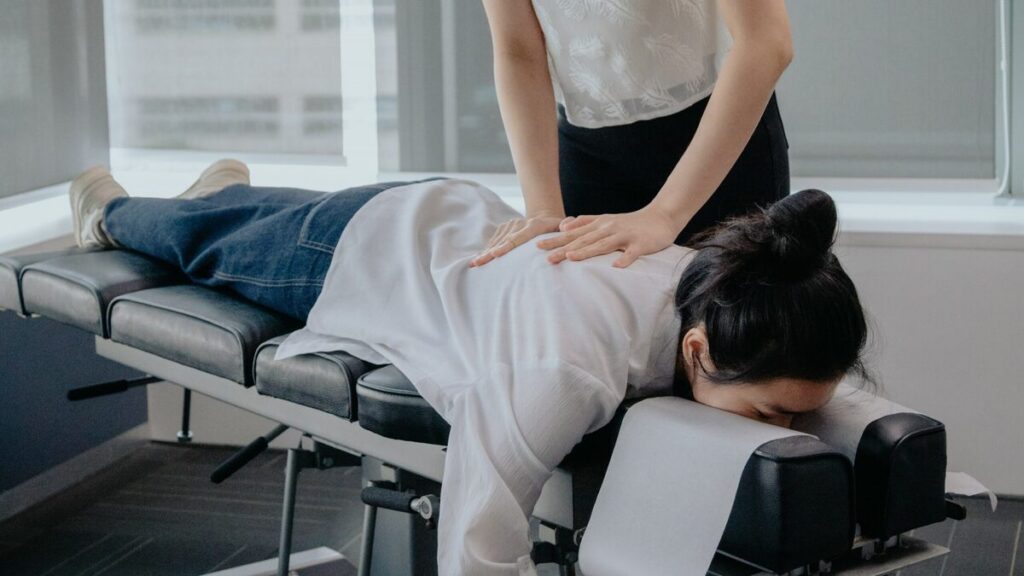

If you're experiencing sports-related back pain, it's crucial to address the issue directly. As a local chiropractor, I want to help you understand the steps you can take to alleviate your discomfort naturally. First, we need to pinpoint the source of your pain—this could be due to factors like improper posture or a sudden increase in the intensity of your training.
Next, I recommend incorporating effective stretching techniques into your routine. This can significantly improve your flexibility and enhance your overall mobility, which is vital for active individuals. Additionally, strengthening your core muscles is essential; a strong core provides the necessary support for your spine during physical activities, helping to prevent further injury.
However, simply following these steps may not be enough for complete relief. There are specific nuances to each approach that can further enhance your recovery, and I would be happy to discuss these personalized strategies with you during your visit. Together, we can explore how chiropractic care can support your healing journey, allowing you to return to your favorite sports pain-free.
Identify the Cause
As a local chiropractor, it's essential to understand that identifying the cause of sports-related back pain is crucial for effective treatment and prevention. If you're experiencing back pain, let's work together to uncover the underlying issues so we can address them properly.
First, take a moment to reflect on your recent activities. Have you ramped up your training intensity or altered your routine? Sudden changes or overexertion can often lead to strain on your back, so it's important to be aware of these factors.
Next, let's discuss your posture and body mechanics during sports. Engaging in activities with improper form—whether that's lifting, running, or even warming up—can place unnecessary stress on your back. If you notice discomfort during specific movements, this could indicate that your technique needs adjustment.
Pay close attention to how your body feels during these activities, and consider keeping a journal to note any motions that trigger pain.
Another critical aspect to consider is your equipment. Ill-fitting shoes or inadequate support can cause misalignment in your body, leading to back pain. It's important to ensure that your gear is suitable for your sport and fits you correctly.
Moreover, let's evaluate your overall physical condition. Weak core muscles can contribute to instability in your back, making you more vulnerable to injury. Incorporating a comprehensive fitness routine that includes strength training, flexibility exercises, and cardiovascular conditioning can significantly support your spine and overall health.
Lastly, we can't overlook any previous injuries. Past trauma to your back can create lingering issues if not addressed properly.
Implement Stretching Techniques
As your local chiropractor, I want to help you understand the importance of addressing the causes of your sports-related back pain through effective stretching techniques. Incorporating stretching into your routine can significantly aid in your recovery process. Not only does stretching enhance flexibility, but it also alleviates tension and boosts blood circulation to your muscles—key components for healing.
To start, I recommend integrating dynamic stretches into your warm-up regimen. Movements such as arm circles and leg swings are excellent for preparing your body for physical activity while simultaneously minimizing the likelihood of injury.
Once you've completed your workout, it's vital to focus on static stretching. This is the time to target areas where you might feel tightness. For instance, the child's pose and cat-cow stretch are fantastic options for your lower back. These stretches not only engage your muscles but also promote spinal mobility. Aim to hold each stretch for at least 20-30 seconds, and practice deep breathing to foster relaxation.
It's also crucial to pay attention to other muscle groups that can influence back pain, such as the hamstrings, hip flexors, and quadriceps. Stretches like the seated hamstring stretch or the standing quadriceps stretch can further reduce tension in these areas.
Always remember to listen to your body during this process. If you encounter any pain while stretching, it's important to ease up or skip that particular stretch.
Consistency is essential; I suggest aiming to stretch daily, especially after engaging in physical activities. You might even find it beneficial to dedicate specific times throughout the week exclusively for stretching.
Strengthen Core Muscles
As a local chiropractor dedicated to helping you understand the importance of natural healing, I want to emphasize the critical role that strengthening your core muscles plays in alleviating sports-related back pain. A robust core not only provides essential support to your spine but also significantly improves your athletic performance.
By focusing on building core strength, you establish a solid foundation that can help prevent injuries and reduce discomfort during physical activities.
Here are some effective exercises I recommend incorporating into your routine:
- Planks: Aim to hold a plank position for 30 seconds to a minute. This exercise engages your entire core, including your abdominal muscles, back, and shoulders, promoting overall stability.
- Russian Twists: Sit on the floor with your knees bent, lean back slightly, and twist your torso side to side while holding a weight or a medicine ball. This movement is particularly beneficial for strengthening your oblique muscles.
- Bridges: Lie on your back with your knees bent, lift your hips off the ground, and squeeze your glutes at the top. This exercise effectively activates your lower back and glute muscles, contributing to a more stable core.
- Dead Bugs: Lie on your back with your arms extended upwards and your knees bent at 90 degrees. Gradually lower one arm and the opposite leg towards the floor, then return to the starting position. This exercise not only stabilizes your core but also engages multiple muscle groups.
Integrating these exercises into your routine can significantly reduce the risk of experiencing back pain related to sports. I recommend performing core-strengthening workouts at least two to three times a week.
Remember, consistency is crucial! As you develop your strength, you'll likely notice improved stability and diminished discomfort, allowing you to fully enjoy your favorite sports activities.
If you have any questions about these exercises or how chiropractic care can further support your journey to better health, don't hesitate to reach out. Your well-being is my priority!
Conclusion
As a local chiropractor, I want to help you understand how to manage sports-related back pain effectively. The first step is identifying the root causes of your discomfort, which may include poor posture or sudden changes in your training routine. By recognizing these factors, you can begin to take control of your back health.
Incorporating both dynamic and static stretching into your daily routine is crucial. These stretches not only improve your flexibility but also specifically target tight areas that could be contributing to your pain. Additionally, strengthening your core is essential. Exercises such as planks and bridges can significantly support your spine and alleviate discomfort.
By following these steps, you can not only ease your current pain but also enhance your athletic performance and prevent future injuries. Embrace the journey towards better back health, and you'll find yourself enjoying your sport even more! If you have any questions or need personalized guidance, feel free to reach out to my office.