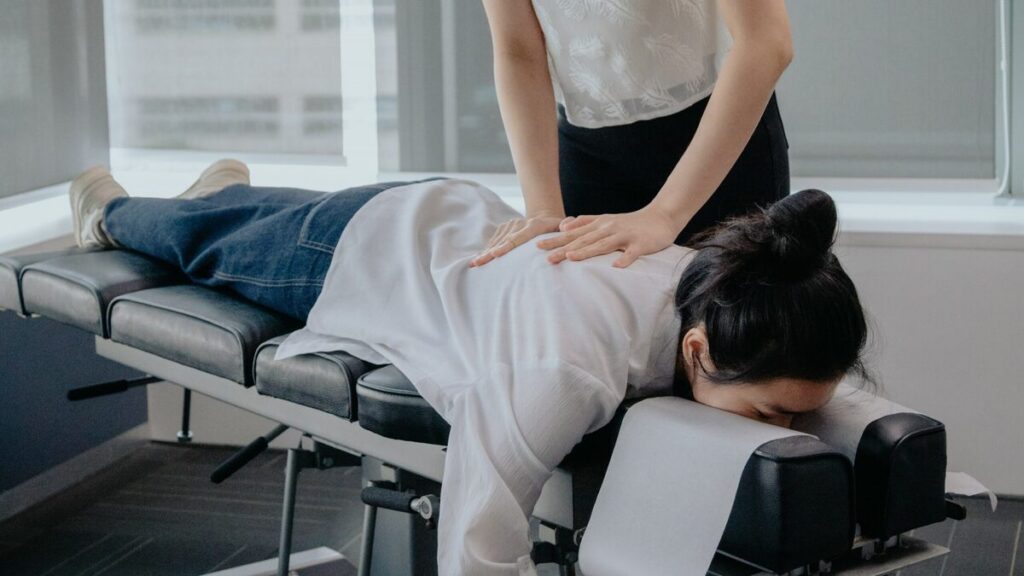

As a local chiropractor, I want to reassure you that if you're dealing with back pain, you're not alone. Many individuals experience this issue, and seeking quick relief can sometimes feel daunting. However, I want to highlight that simple adjustments in your daily habits can lead to significant improvements in your comfort and well-being.
In my practice, I've seen firsthand how effective stretches and ergonomic changes can transform the way you feel. These strategies are not just about temporary relief; they're about empowering you to take control of your health. Have you ever considered specific techniques that could provide faster relief than you ever thought possible?
Let's dive into these seven secrets that can help you manage and alleviate your back pain in a natural and effective way. Through chiropractic care, we can work together to not only address your discomfort but also to enhance your overall health and quality of life.
Stretch Regularly
As a local chiropractor, I want to emphasize the importance of regular stretching in maintaining your overall spinal health and enhancing your well-being. Many of my patients are surprised to learn that stretching can significantly improve flexibility and alleviate tension in the back. By keeping your muscles and joints healthy, you can perform daily activities with greater ease and comfort.
Incorporating simple stretches into your daily routine can make a remarkable difference in how you feel. I recommend starting with gentle stretches that specifically target the lower back and its surrounding muscles. Movements such as the cat-cow stretch, child's pose, or seated forward bend are excellent options for releasing tightness.
As you stretch, pay close attention to your breathing; taking deep inhales can help you deepen the stretch, while exhaling allows you to let go of any built-up tension. Aim to hold each stretch for about 15 to 30 seconds and repeat them two to three times for optimal results.
It's vital to listen to your body during these stretches. If you experience any pain, please ease off and consider trying a gentler variation. Regular stretching not only boosts your flexibility but also enhances blood circulation, which is essential for healing and recovery.
I encourage you to incorporate stretching into your daily routine, whether it's in the morning to start your day or before bed to wind down. By doing so, you can keep your back flexible and reduce the likelihood of pain.
Over time, you'll find that stretching becomes an essential component of your self-care regimen, complementing the benefits of chiropractic care and natural healing.
Apply Heat or Cold
As your local chiropractor, I want to share some valuable insights on managing back pain through heat and cold therapy. These methods can be incredibly effective in providing relief, and understanding when to use each can significantly enhance your healing process.
If you're experiencing muscle tension or stiffness, heat therapy can be a wonderful option. Techniques such as using a warm towel, heating pad, or enjoying a hot shower can help relax tight muscles, improve blood flow, and foster a sense of relaxation.
I recommend applying heat for about 15 to 20 minutes at a time. However, be cautious and avoid using heat on any swollen areas, as it could worsen inflammation.
Conversely, if your back pain stems from inflammation or a recent injury, cold therapy is likely the better choice. Ice packs or cold compresses can numb the painful area, reduce swelling, and alleviate discomfort.
Just a quick tip: always wrap the ice pack in a cloth to protect your skin, and keep it applied for about 15 to 20 minutes. You can repeat this process every few hours if needed.
Some patients find that alternating between heat and cold provides even more relief. This combination can boost circulation and help relieve both tension and inflammation.
It's essential to pay attention to your body and see which method works best for you.
Incorporating these simple heat and cold therapies into your routine can be a natural and effective way to manage your back pain. This approach can help you return to your daily activities with greater ease and comfort.
Maintain Good Posture
As a local chiropractor, I want to emphasize the importance of maintaining good posture for your overall health. Proper alignment of your spine is crucial in preventing back pain and discomfort.
One effective way to support your body is by creating an ergonomic workstation. This means arranging your desk, chair, and computer in a way that reduces strain on your body.
Simple adjustments, such as ensuring your chair supports your lower back, keeping your feet flat on the ground, and positioning your screen at eye level, can significantly enhance your comfort and well-being.
By making these changes, you're taking proactive steps toward a healthier spine, which can lead to improved overall health.
Importance of Alignment
As your local chiropractor, I want to emphasize the critical role that good posture plays in maintaining proper alignment, which is vital for your back health. When your spine is properly aligned, it can function at its best, alleviating unnecessary strain on your muscles and ligaments.
Unfortunately, poor posture can create imbalances that may lead to discomfort or pain over time. Consider how you sit, stand, and move throughout your daily activities. Your alignment is heavily influenced by your posture in these situations.
It's essential to ensure that your head is aligned with your spine, your shoulders are relaxed and back, and your pelvis is in a neutral position. Being mindful of these aspects can significantly reduce stress on your back.
You may be surprised to learn that even minor adjustments—such as keeping your feet flat on the ground while sitting or engaging your core while standing—can greatly enhance your overall posture. Regularly checking in with your posture can help you spot and correct any misalignments before they escalate into pain.
By incorporating these simple habits into your daily routine, you can improve your alignment and support your overall back health. The more you practice good posture, the more instinctive it will become, ultimately leading to lasting relief from back pain.
As a chiropractor, my goal is to guide you on this journey to better posture and a healthier spine.
Ergonomic Workstation Setup
As a chiropractor, I want to emphasize the importance of creating an ergonomic workstation, especially for those of you who spend long hours at a desk. A well-designed workspace can significantly impact your overall health and prevent discomfort or pain in the future.
First, let's talk about your chair. It should be adjusted so that your feet rest flat on the floor, with your knees forming a 90-degree angle. It's vital to support your lower back, so consider using a small cushion if needed to maintain that proper curvature. This support can help alleviate stress on your spine.
Next, positioning your computer monitor is crucial. It should be at eye level and about an arm's length away from you. This setup helps to minimize neck strain, which is a common issue I see in patients. If you're using a laptop, I recommend elevating it with a stand and utilizing an external keyboard and mouse. This will help you keep your wrists in a neutral position while typing, reducing the risk of repetitive strain injuries.
Your desk should also be arranged to promote good posture. Make sure your elbows can stay close to your body and your forearms are parallel to the floor when you type. Avoid overreaching for items; keep tools and supplies you use frequently within arm's reach. This will help maintain a more relaxed posture and prevent unnecessary strain.
It's equally important to take regular breaks. Stand up, stretch, and move around every so often. This practice not only helps reduce stiffness but also promotes better circulation, which is vital for your overall well-being.
Lastly, pay attention to your posture throughout the day. Keep your shoulders relaxed and avoid slumping, as this can lead to long-term issues.
Stay Active and Move
As a local chiropractor, I want to emphasize the importance of staying active for managing and preventing back pain. Regular movement is one of the most effective ways to support your spine and overall health. By engaging in activities that strengthen your back muscles, improve flexibility, and enhance your posture, you're taking essential steps toward a healthier spine.
When you keep your body in motion, you also promote better blood circulation to your muscles and tissues, which aids in healing and reduces stiffness. You don't need to dive into intense workouts to experience these benefits. Simple activities like walking, swimming, or cycling can significantly alleviate discomfort.
I recommend aiming for at least 30 minutes of moderate activity most days of the week. If you're just starting with exercise, take it slow and gradually increase your intensity and duration. It's crucial to listen to your body; if something feels off, don't hesitate to modify your routine.
In addition to regular movement, incorporating stretching into your daily routine is vital. Stretching helps to loosen tight muscles and maintain your range of motion. Focus on stretches that target your lower back, hips, and hamstrings.
I also encourage you to integrate core-strengthening exercises, as a strong core provides essential support for your back. Throughout your day, it's just as important to move regularly. If you find yourself sitting for long periods, make it a habit to stand up, stretch, or take a short walk every hour.
These brief breaks can alleviate muscle tension and boost your overall comfort. Remember, consistency is key. By prioritizing movement in your daily life, you'll not only relieve back pain but also enhance your overall well-being.
If you have any questions or need guidance on how to get started, please don't hesitate to reach out. Your health is our priority!
Consider Ergonomic Solutions
As a local chiropractor dedicated to your well-being, I want to emphasize the importance of creating an ergonomic workspace, especially if you find yourself spending long hours at your desk. Proper adjustments to your environment can significantly enhance your back comfort and overall health.
First and foremost, selecting the right chair is crucial. A chair that provides proper lumbar support can help maintain the natural curve of your spine.
Additionally, positioning your monitor at eye level is essential to avoid straining your neck and back. These simple adjustments can go a long way in preventing discomfort and promoting a healthier posture.
Let's take a closer look at some ergonomic solutions that can support your spine and keep you feeling great while you work.
Workspace Adjustments
As a local chiropractor, I want to share some valuable insights on how simple workspace adjustments can significantly alleviate back pain and improve your comfort during the day.
One of the first steps is to ensure that your computer screen is positioned at eye level. This adjustment helps maintain a neutral neck position, reducing unnecessary strain on your neck and spine. If you're working on a laptop, I recommend using a stand or an external monitor to achieve this proper height.
Another crucial aspect is adjusting your chair and desk height. Ideally, your elbows should rest at a 90-degree angle while typing, and your feet should be flat on the ground or supported by a footrest. This alignment is key to keeping your spine in a healthy and natural position.
Don't overlook the importance of your keyboard and mouse placement. They should be within easy reach to prevent excessive reaching, which can lead to tension and discomfort. Incorporating a wrist rest can also provide additional support and help minimize strain on your wrists.
Finally, I can't stress enough the importance of taking regular breaks. Make it a habit to stand up, stretch, and take a short walk every hour. This practice keeps your muscles active and helps reduce stiffness.
These small adjustments can lead to significant improvements in how you feel throughout the day. By creating a workspace that encourages proper posture and movement, you'll be taking proactive steps toward alleviating back pain naturally and effectively.
Proper Seating Choices
As a local chiropractor, I want to emphasize the importance of choosing the right chair for your overall spinal health and to help alleviate any back pain you may be experiencing. Investing in an ergonomic chair can make a significant difference in your comfort and well-being. These chairs are specifically designed to support the natural curve of your spine, which is essential for maintaining proper posture, especially if you spend long hours sitting.
When you're looking for a chair, pay attention to features like adjustable height, lumbar support, and armrests. These elements allow you to customize your seating experience, ensuring that your body is properly supported.
It's crucial to choose materials that provide comfort while also supporting your body. A breathable fabric will keep you cool, and sufficient cushioning will help prevent pressure points that can lead to discomfort.
Make sure the chair you select allows your feet to rest flat on the floor, with your knees bent at a 90-degree angle. This position promotes healthy circulation and minimizes strain on your lower back, which is vital for preventing pain.
I also recommend considering a chair with a reclining feature, as this can help reduce tension in your back and neck by enabling you to shift your weight throughout the day.
However, it's important to remember that sitting for long periods, even in the best chair, isn't ideal. Be sure to take regular breaks to stand, stretch, or walk around, as incorporating movement into your day is beneficial for your spine.
By making these ergonomic adjustments to your workspace, you can significantly reduce back pain and enhance your overall comfort.
Practice Mindfulness Techniques
As a chiropractor, I've seen firsthand how practicing mindfulness techniques can significantly enhance your ability to manage back pain. When you bring your awareness to the present moment, you create a mental environment that allows you to better cope with discomfort. Mindfulness teaches you to observe your thoughts and feelings without judgment, enabling you to recognize pain without becoming overwhelmed by it.
I recommend starting with simple breathing exercises as part of your daily routine. Find a comfortable position, whether sitting or lying down, and take deep, intentional breaths—inhale through your nose and exhale through your mouth. As you breathe, focus on how your body feels. Pay particular attention to any tension in your back, and visualize that tension melting away with each exhale. This practice not only helps to reduce stress but also promotes relaxation, which is crucial for pain relief.
Another effective technique is body scan meditation. You can do this by lying down or sitting in a quiet space, and gradually bringing your attention to each part of your body, starting from your toes and moving all the way up to your head. Acknowledge any areas of discomfort, but try to avoid judging those sensations. This approach enhances your awareness of bodily sensations and teaches you how to release tension effectively.
Incorporating mindfulness into your everyday life goes beyond just meditation. It also means being conscious of your movements throughout the day. Whether you're bending, lifting, or stretching, it's vital to do so mindfully. Focus on maintaining good posture and avoid sudden movements that could put strain on your back.
Seek Professional Help
When back pain persists and starts to disrupt your daily activities, it's crucial to explore all avenues for relief, and that includes considering chiropractic care. Many people believe they can simply endure the discomfort or rely on over-the-counter medications, but chronic pain often necessitates a more comprehensive approach.
As a chiropractor, I can offer a natural, non-invasive treatment plan designed specifically for your needs. The first step is to schedule a consultation with me. During your visit, I'll assess your symptoms, discuss your medical history, and perform a thorough examination to understand the root cause of your pain.
Depending on my findings, I may recommend diagnostic imaging, like X-rays, to get a clearer picture of your spinal health. Chiropractic care focuses on the alignment of the spine and the musculoskeletal system. By utilizing spinal adjustments and other manual techniques, I can help alleviate pain, restore mobility, and promote the body's natural healing process.
My goal is to empower you with tools to strengthen your back, improve flexibility, and prevent future issues. If your pain is linked to an injury or specific condition, I'll work closely with you to develop a tailored treatment plan.
In some cases, I may suggest collaborating with other healthcare professionals, such as physical therapists or orthopedic specialists, to ensure you receive comprehensive care. For those experiencing severe pain, I also offer guidance on pain management strategies that focus on holistic methods.
This could include recommendations for exercises, lifestyle changes, and techniques to manage discomfort naturally. Don't hesitate to bring up any questions or concerns during your visit. My priority is to help you understand your condition and the benefits of chiropractic care, so you can make informed decisions about your health and well-being.
Conclusion
As a local chiropractor, I want to share with you seven effective strategies to help alleviate your back pain quickly. First and foremost, it's essential to incorporate regular stretching into your daily routine. This simple practice can significantly enhance your flexibility and reduce tension in your muscles.
Next, consider applying heat or cold to the affected areas. Heat can help relax tight muscles, while cold therapy can reduce inflammation and numb pain. Maintaining good posture throughout your day is also crucial; it can prevent unnecessary strain on your back.
Staying active is vital for your overall health, and I encourage you to engage in low-impact exercises that promote strength and flexibility. Additionally, exploring ergonomic solutions in your workspace can make a remarkable difference in how your body feels throughout the day.
Don't overlook the importance of mindfulness techniques for managing stress, as high stress can exacerbate pain. Lastly, I always recommend seeking professional help when needed. Chiropractic care can provide targeted relief and address the underlying issues contributing to your pain.
Take an active role in your back health, and together we can work towards achieving a more comfortable, pain-free life!