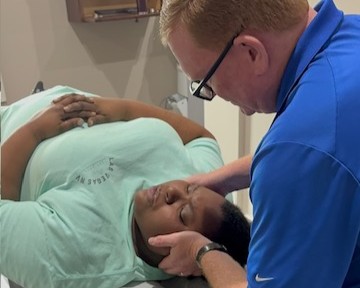
When considering chiropractic care for young children, it's essential to understand the role of trust and communication in creating a positive experience. Utilizing age-appropriate language and engaging body language can significantly reduce a child's anxiety during visits. Incorporating playful techniques, such as storytelling or fun demonstrations, not only makes the process enjoyable but also helps build a stronger connection with the child.
However, effective chiropractic care goes beyond these initial approaches. It's crucial to understand the developmental milestones and emotional well-being of children, as these factors can greatly influence their overall health. By recognizing these nuances, we can tailor our techniques to meet the unique needs of each child. What steps can you take to further enhance your understanding of chiropractic care and its benefits for children?
Building Trust With Children
Building trust with children is crucial for effective chiropractic care, especially when introducing them to the concept of natural healing. Creating a safe and welcoming environment helps children feel more at ease, allowing them to express their concerns and fears. Start by greeting them warmly and using their name whenever possible. This simple gesture demonstrates that you value their individuality and helps establish a connection.
As you interact with children, be mindful of your body language. Get down to their level, maintain eye contact, and show genuine interest in what they're saying. This approach reassures them that you're there to listen and understand. Avoid using complex terminology that might confuse or intimidate them. Instead, use straightforward language that's easy for them to comprehend.
Encourage questions and let them know that it's perfectly okay to express their feelings. Acknowledge their emotions, whether they're feeling scared, anxious, or curious. Validating their feelings helps them feel heard and respected. Provide age-appropriate explanations about what chiropractic care involves and why it's beneficial for their health. This transparency helps build confidence and reduces anxiety.
In addition, involve parents or caregivers in the process. Their presence can provide comfort and support, making it easier for children to trust you. When children see their trusted adults engaging positively with you, they're more likely to feel secure.
Lastly, follow through on any promises you make, whether it's a fun sticker after a visit or a quick chat to answer their questions. Consistency in your actions reinforces trust and lays the foundation for a positive healthcare experience, paving the way for a healthier future through chiropractic care.
Age-Appropriate Communication
When talking to patients who may not know much about chiropractic care, it's important to use simple language that's easy to understand.
Pay attention to how they react, as their body language can tell you a lot.
Engaging them through hands-on demonstrations or visual aids can also make the information more relatable and enjoyable.
Simplified Language Use
To help you understand chiropractic care better, let's make this fun and interactive!
I might ask you questions like, "Can you show me where you feel discomfort?" This way, we can have a conversation, and I can learn more about how you're feeling.
It's also important to remember that kids and even adults feel better when they know they're safe and understood.
When I speak softly and use kind words, it helps build trust and comfort. This makes the whole experience easier for both of us.
Using simple language is a great way to connect and explain how chiropractic care can help you feel better naturally.
Nonverbal Communication Cues
Observing nonverbal communication cues can be just as important in chiropractic care as discussing symptoms, especially when working with children. Young patients often express their discomfort or needs through body language, facial expressions, and gestures rather than words. By paying close attention to these cues, we can gain valuable insights into their physical and emotional well-being.
For instance, a child who's holding their body stiffly or avoiding eye contact may be experiencing discomfort or anxiety. Conversely, a child who smiles brightly or engages eagerly often indicates they're feeling comfortable and at ease in our care. Recognizing these signs allows us to respond appropriately, whether it's by providing reassurance, adjusting our approach, or adapting our techniques to ensure a positive experience.
Additionally, it's essential to consider the context of these nonverbal cues during treatment. A child who seems shy mightn't articulate their discomfort verbally, but their fidgeting or withdrawal can tell us a lot about how they're feeling.
Similarly, if a child points to a specific area of their body or reaches for your hand, they're likely expressing a need for assistance or a desire to communicate their concerns.
Engaging Play Techniques
As a local chiropractor, I understand that many parents may be unfamiliar with how chiropractic care can benefit their children. One of the key aspects of my approach is understanding a child's nonverbal cues, which is essential for effective communication during treatment. However, I believe that engaging play techniques can significantly enhance this interaction.
When working with children, I find that using age-appropriate play not only captures their attention but also helps build trust. This makes them feel more comfortable throughout the treatment process. For example, if a child has a love for animals, I might incorporate stuffed animals to demonstrate adjustments in a fun and relatable way. This visualization can help reduce anxiety and make the experience less intimidating.
Storytelling is another effective tool I use. By creating scenarios that involve the chiropractic techniques I'm applying, I can frame the experience as an exciting adventure. This not only makes the session enjoyable for the child but also helps them understand what's happening in a way that resonates with them.
Interactive games, such as role-play, are also beneficial. They allow children to take on a caregiver role, empowering them and giving them a sense of control over their experience. This involvement can help demystify the process and encourage cooperation.
Ultimately, by blending play with communication, I strive to foster a supportive environment that makes chiropractic visits a positive experience for both the child and their parents. My goal is to educate families about the benefits of chiropractic care and natural healing, ensuring that each visit is both informative and enjoyable.
Creating a Safe Environment
Creating a safe environment for young children is crucial, and as a chiropractor, I want to emphasize how this relates to their overall health and well-being. Ensuring that children can play and explore without the risk of injury is foundational not only for their physical safety but also for their development.
First, take a close look at your home or childcare space for potential hazards that could lead to falls or accidents. Sharp edges on furniture, exposed electrical outlets, and small objects that pose choking risks should be addressed immediately. By eliminating these hazards, you create a safer environment that allows children to move freely and confidently, which is essential for their physical development and coordination.
It's also important to secure heavy furniture to the walls to prevent tipping. Children are naturally curious and tend to climb, so anchoring these items can prevent serious injury. Additionally, installing safety gates at the top and bottom of stairs helps prevent falls, while corner guards can cushion sharp edges, reducing the risk of accidental bumps that could affect their spinal health.
In the kitchen, make sure that cleaning supplies and medications are stored securely out of reach. This practice not only protects children but also promotes a stress-free environment where parents can focus on cooking and preparing healthy meals without worry.
When it comes to outdoor spaces, ensure that fences are high enough to prevent children from wandering and that any playground equipment is well-maintained to avoid injuries that could lead to musculoskeletal issues.
Lastly, teaching children about safety is vital. Encourage open conversations about the importance of not touching certain items and understanding safety signals. Regularly reviewing safety rules helps them become more aware of their surroundings, fostering both their independence and their physical health.
Encouraging Healthy Habits
As a local chiropractor, my goal is to help you and your family establish a foundation for overall well-being through healthy habits. Creating a supportive environment is the first step.
Focus on nurturing a balanced diet—incorporating an array of fruits, vegetables, whole grains, and quality protein sources at every meal. Involving your children in meal preparation not only makes mealtime engaging but also encourages them to eat the nutritious foods they've helped create.
Regular physical activity is vital for maintaining a healthy spine and overall health. Aim for at least an hour of active play each day. Whether it's riding bikes, playing tag, or dancing in the living room, find ways to make movement enjoyable. Join in the fun; your participation will inspire your children to stay active and foster a love for physical activity.
Establishing a consistent sleep routine is crucial for your child's development. Set a regular bedtime and create a soothing pre-sleep environment to ensure they receive the restorative sleep necessary for growth and healthy function.
Hygiene is another key component of well-being. Teach your children the importance of handwashing, brushing their teeth, and bathing regularly. You can make these routines enjoyable by incorporating songs or colorful supplies to encourage their participation.
Lastly, it's important to model healthy habits for your children. As they often mimic their parents, showcasing the benefits of nutritious foods and an active lifestyle can significantly influence their choices.
Share your own experiences with chiropractic care and how it supports your journey towards a healthier life. Together, we can build a foundation for lifelong wellness.
Managing Pediatric Pain
Pain can be a challenging experience for young children, and as a chiropractor, I want to emphasize the importance of recognizing and managing it through natural methods. Parents should start by paying close attention to their child's behavior; any shifts in mood, sleep patterns, or appetite can be indicators of discomfort.
When your child communicates their pain, it's essential to validate their feelings and use straightforward language to help them express what they're experiencing. This approach fosters understanding and can alleviate anxiety.
Next, it's important to assess the nature of the pain. Is it sharp, dull, or throbbing? Is it localized to a specific area or more widespread? This information is crucial for determining the best course of action.
For mild pain, I often recommend non-pharmacological methods as they can be quite effective. Distraction techniques can work wonders—engaging your child in a favorite activity, playing games, or reading a story can help shift their focus away from the discomfort.
If pain persists or is severe, I encourage parents to consult with a pediatrician or a chiropractor who specializes in pediatric care. A chiropractor can provide gentle adjustments and techniques that may alleviate discomfort without the need for medication.
If over-the-counter medications like acetaminophen or ibuprofen are necessary, always ensure you're aware of the correct dosages based on your child's age and weight. Remember, aspirin should never be given to children due to the risk of Reye's syndrome.
In addition to professional care, consider comfort measures such as applying a warm compress or giving a gentle massage, both of which can offer relief.
I also recommend encouraging relaxation techniques, like deep breathing exercises, to help ease their discomfort. Your support and reassurance are vital during this time.
Understanding Developmental Milestones
As a local chiropractor, I want to emphasize the importance of understanding developmental milestones in young children.
These key markers not only help you track a child's growth but also assist in identifying any areas where they may need additional support. By recognizing these milestones, we can work together to ensure that each child achieves optimal health and development.
Chiropractic care plays a vital role in fostering healthy growth, as it helps align the spine and nervous system, promoting overall well-being.
Key Milestones by Age
As a chiropractor, I understand the importance of recognizing key developmental milestones in young children, not just for their overall growth, but also for their physical well-being. These milestones can serve as a guide to ensure your child is developing properly and can help you identify when they might need additional support, including chiropractic care.
At 2 months, you might notice your baby starting to smile socially and tracking objects with their eyes. These early interactions are vital for their neurological development.
By 6 months, they should be able to sit up with support and begin to babble, which isn't only a sign of communication development but also of their growing strength and stability.
As they reach 12 months, many children start crawling and saying simple words like "mama" or "dada." It's crucial to ensure that their spine is aligned and functioning properly during these important movements.
Approaching the age of 2, you can expect them to walk independently and use two-word phrases, showcasing their physical and cognitive growth.
When your child turns 3, they should be able to follow simple instructions, engage in play with others, and build a tower of blocks. These activities not only develop their motor skills but also highlight the importance of coordination and balance, areas where chiropractic care can be beneficial.
At age 4, you'll notice them beginning to speak in complete sentences, recognize some letters, and engage in imaginative play.
By age 5, they should be able to count to 10, understand basic time concepts, and demonstrate greater independence in daily tasks. Ensuring that their spine and nervous system are functioning optimally can support these milestones and enhance their overall health.
Tracking these developmental milestones not only allows you to celebrate your child's achievements but also ensures that they're developing appropriately. If you have any concerns about their physical development, consider consulting with a chiropractor who specializes in pediatric care. We can help support your child's journey toward healthy growth and development naturally.
Importance of Monitoring
As a local chiropractor, I want to emphasize the significance of monitoring your child's developmental milestones, not just for their general health, but for their overall well-being. Keeping an eye on these milestones can help you identify areas where your child is thriving or may need additional natural support. It's an opportunity to celebrate their progress while being attentive to any signs of potential delays.
When you observe your child's development, pay attention to key indicators such as their communication skills, motor abilities, and social interactions. Are they babbling, crawling, or beginning to form connections with other children? These observations provide valuable insights into their unique growth trajectory and can inform how we approach their holistic health.
Regular monitoring also enhances your ability to communicate effectively with healthcare professionals, including chiropractors. If you notice any developmental delays or concerns, discussing these with your pediatrician or chiropractor can lead to tailored recommendations for natural interventions. Early chiropractic care, for example, can support proper alignment and function, which may positively influence your child's development.
Moreover, keeping a record of your child's milestones serves as a beneficial resource for future assessments, school readiness, or simply reflecting on their journey of growth.
Supporting Developmental Progress
As a chiropractor, I believe that supporting your child's developmental progress is essential for their overall health and well-being. Recognizing and nurturing developmental milestones is crucial, as it allows you to monitor their growth and gain insight into their physical, cognitive, and emotional development.
Creating an environment that encourages exploration and learning can significantly enhance their journey.
Here are some key milestones to observe, which can also be influenced by chiropractic care:
- Motor Skills: Early indicators of physical development include rolling over, sitting up, and crawling. Chiropractic adjustments can help ensure that your child's musculoskeletal system is functioning optimally, promoting better movement and coordination.
- Language Skills: Look for signs of babbling, first words, and the ability to follow simple commands. A well-aligned spine can improve overall neurological function, which may support language development.
- Social Skills: Watch for your child's ability to smile, make eye contact, and engage in parallel play with peers. Chiropractic care can enhance body awareness and comfort, making social interactions more enjoyable.
- Cognitive Skills: Notice their curiosity, problem-solving abilities, and how they explore their surroundings. A healthy nervous system, supported by chiropractic care, can enhance cognitive function and learning readiness.
- Emotional Skills: Pay attention to their ability to express feelings and form attachments with you and other caregivers. Chiropractic adjustments can help alleviate physical discomfort, which may lead to improved mood and emotional expression.
Engaging With Parents and Caregivers
Building strong relationships with patients and their families is essential in chiropractic care. When you engage effectively with them, you create a supportive environment that benefits both the individual and the family.
Start by actively listening to their concerns and insights. This not only shows you value their input but also helps you understand their unique perspectives on their health needs.
Be transparent about your treatment plans and recommendations. When you explain your decisions clearly, patients feel more involved and empowered in their care. Encourage them to ask questions and express their feelings; this open communication fosters trust and collaboration.
Additionally, consider their cultural and personal beliefs when discussing care options. Each family has different backgrounds and values, and acknowledging these differences can strengthen your rapport. Use simple language to explain chiropractic concepts and techniques, avoiding jargon that might confuse them.
Don't forget to celebrate milestones, no matter how small. A simple acknowledgment of progress can boost patients' confidence in their ability to support their health and well-being.
Lastly, provide resources that patients can turn to for additional information or support. This could be brochures, websites, or community services related to chiropractic care and natural healing.
Utilizing Play in Care
Utilizing play in pediatric chiropractic care can be a transformative approach for young patients. It turns what might be a daunting visit into a delightful and engaging experience.
By incorporating play into your care techniques, you not only help children feel more at ease, but you also encourage them to express their feelings about their health more openly.
Here are some effective ways to integrate play into your practice:
- Toys and games: Use familiar toys or games to create a friendly and relaxed environment during their visit.
- Storytelling: Share stories that relate to their health journey, helping them understand the importance of chiropractic care in a fun way.
- Creative activities: Engage children in drawing or crafts that allow them to express their thoughts and feelings about their bodies and health.
- Role-playing: Utilize dolls or puppets to act out scenarios related to chiropractic visits, making it easier for kids to communicate their feelings about treatment.
- Movement: Encourage playful physical activities like stretching or simple exercises that can help alleviate anxiety and promote body awareness.
Monitoring Emotional Well-Being
As a local chiropractor, I want to emphasize the importance of monitoring emotional well-being in young children during their chiropractic visits. Many children may feel anxious or scared in our office, especially since it can be an unfamiliar environment for them. This emotional state can significantly influence their response to treatment, so it's crucial for us as caregivers to pay close attention to their emotional cues.
Look out for signs such as fidgeting, withdrawing, or expressing fear, as these can indicate how comfortable your child feels and their readiness for care. To create a more positive experience, we strive to foster a welcoming atmosphere in our clinic. We use calming tones and encourage children to express their feelings openly. Simple questions like, "How are you feeling about today's visit?" can help validate their emotions and provide us insight into their comfort levels.
Incorporating playful techniques during the visit can also help ease any anxiety your child may be experiencing. This can make them feel more at home and relaxed. As your chiropractor, I'll maintain eye contact and use reassuring body language throughout the appointment. Simple gestures, such as a gentle touch on the shoulder, can provide additional comfort.
If at any point your child appears overwhelmed, please let me know. Taking a brief break can be beneficial—whether it's a few minutes of deep breathing or a short conversation about their favorite toy, these moments can help refocus their emotions.
After the appointment, I encourage you to check in with your child about their experience. Discussing how they felt can aid in their emotional processing and strengthen the bond between you.
Conclusion
Incorporating effective chiropractic care techniques can greatly enhance your experience with young children. By establishing trust through compassionate communication and playful interactions, we create a welcoming environment where they feel comfortable expressing themselves. It's essential to involve parents and caregivers in this process, as their support plays a crucial role in the child's well-being. By focusing on age-appropriate communication and emotional health, we not only promote physical wellness but also cultivate a nurturing atmosphere where children can flourish. Embrace these chiropractic strategies to improve your family's health and well-being today!