
If you’ve been dealing with persistent back pain, it’s essential to take a closer look at your posture. Even minor adjustments can lead to significant improvements in your comfort. Consider how you sit, stand, and move during your daily activities—these habits can greatly impact your spine’s health. By focusing on effective techniques and routines, you can promote a healthier alignment for your spine and overall wellness.
Here are some essential tips that may enhance your daily comfort and well-being:
- Mind Your Sitting Position: When sitting, ensure your back is straight and your shoulders are relaxed. Use a chair that supports your lower back and keep your feet flat on the floor. If you work at a desk, consider a chair that promotes good posture.
- Stand Tall: When standing, distribute your weight evenly on both feet. Keep your shoulders back and your head aligned with your spine. This simple adjustment can help reduce strain on your back.
- Move with Intention: Be mindful of your movements throughout the day. When lifting objects, bend at your knees instead of your waist. This technique helps protect your back and promotes better spinal health.
- Incorporate Stretching: Regular stretching can help improve flexibility and reduce tension in your back muscles. Simple stretches, like reaching for the sky or gently twisting your torso, can be beneficial.
- Stay Active: Engaging in regular physical activity strengthens your back and core muscles, which provides better support for your spine. Activities like walking, swimming, or yoga are excellent choices.
- Create an Ergonomic Workspace: If you spend long hours at a desk, ensure your workspace is ergonomically designed. Your computer screen should be at eye level, and your chair should support your lower back to encourage good posture.
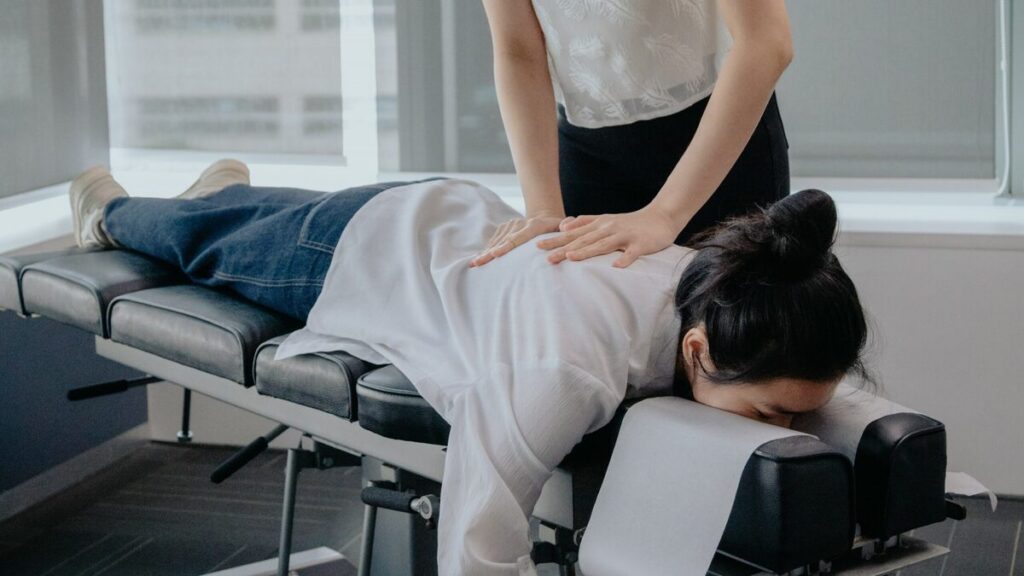
- Consider Chiropractic Care: Regular visits to a chiropractor can help you maintain proper alignment and relieve back pain. Chiropractic adjustments can enhance your body’s natural ability to heal and promote overall wellness.
By implementing these tips and considering chiropractic care, you can take proactive steps toward reducing back pain and improving your quality of life. Remember, a healthy spine is the foundation of a healthy body, so prioritize your posture and well-being!
Understand Your Current Posture
How often do you take a moment to check in on your posture throughout the day? If you’re like many, it mightn’t be as often as it should be. Recognizing your current posture is the vital first step toward enhancing your health and well-being.
Let’s take a moment to consider how you sit, stand, and move. Are your shoulders rounded, or is your back arched? You may not realize how significantly your posture influences your overall health.
When seated, ensure that your feet are flat on the floor and your knees form a right angle. If you’re standing, try to evenly distribute your weight across both feet. Pay attention to your head’s position; it should be in line with your spine, avoiding any forward jutting. These small adjustments can lead to substantial improvements in how you feel.
Regularly checking in with your posture allows you to cultivate healthier habits that can help alleviate discomfort and prevent future back pain.
By incorporating chiropractic care into your routine, you can receive personalized assessments and adjustments that support proper alignment and overall wellness. Start today—your back will express its gratitude!
Strengthen Core Muscles
Improving your posture goes beyond just sitting or standing correctly; it involves strengthening the muscles that support your spine, which is where chiropractic care comes into play. A strong core serves as the foundation for your entire body, helping you maintain proper alignment throughout the day and reducing the risk of discomfort.
To start strengthening your core, consider incorporating simple exercises into your routine, such as planks, bridges, and abdominal crunches. These exercises specifically target your abdominal muscles, back, and pelvis, creating a stable base for better posture. Aim to perform these exercises a couple of times a week, and you’ll soon notice improvements in your balance and a reduction in strain on your back.
While you’re building strength, remember to engage your core during daily activities like walking or lifting objects. This mindfulness can help you maintain proper alignment and prevent slouching, leading to a healthier spine.
Additionally, regular chiropractic adjustments can enhance your core strength and overall posture by ensuring that your spine is aligned and functioning optimally. Chiropractors focus on natural healing, and through adjustments, they can help alleviate any tension that may be affecting your posture.
Adjust Your Workspace Ergonomics
As a chiropractor, I want to emphasize how crucial your workspace setup is for maintaining good posture and overall spinal health. You mightn’t realize it, but the way you arrange your workspace can significantly affect your back and neck.
Let’s go through some easy adjustments to help you feel better and support your spine naturally.
First, ensure your chair height is adjusted so that your feet rest flat on the floor and your knees form a comfortable 90-degree angle. This simple change helps keep your lower back supported and reduces strain.
Your desk should be at a height where your elbows are at a 90-degree angle when your arms are resting comfortably while typing. This positioning is essential to avoid unnecessary tension in your shoulders and upper back.
If you use a computer, make sure your monitor is at eye level and about an arm’s length away. This helps maintain a neutral neck position, which is vital for preventing discomfort and pain.
Consider investing in ergonomic accessories, such as a lumbar support cushion or a footrest. These tools can provide additional support and encourage proper spinal alignment, making it easier for your body to stay in a healthy posture throughout your workday.
Additionally, keep frequently used items within easy reach to minimize the need for twisting or stretching. This small adjustment can prevent strain and discomfort, allowing you to focus on your tasks rather than on pain.
Lastly, remember the importance of movement. Make it a habit to stand up and stretch every hour. Short breaks can go a long way in alleviating tension and promoting better circulation.
If you’re struggling with discomfort, don’t hesitate to consider chiropractic care, which offers a natural approach to relieving pain and fostering overall wellness.
Practice Mindful Sitting
Many individuals overlook how crucial their sitting posture is for maintaining a healthy back. As a chiropractor, I want to emphasize the importance of practicing mindful sitting, which can significantly alleviate back pain and enhance your overall comfort.
Begin by grounding your feet flat on the floor. This helps create a solid base for your body. Ensure your knees are at or slightly below hip level, which is essential for proper alignment. Sit back in your chair, allowing your spine to naturally align with the backrest. It’s important to keep your shoulders relaxed and your elbows close to your body, forming a comfortable 90-degree angle.
Throughout the day, take a moment to check in with your body. Are you slumping or leaning forward? If you notice yourself in a poor position, gently adjust your posture. Simple shifts can make a big difference!
Also, remember to take short breaks to stand or walk; this not only reinforces good sitting habits but also helps relieve built-up tension.
By being mindful of your posture, you’re doing more than just improving your back health—you’re also enhancing your focus and productivity. Small changes in how you sit can lead to significant improvements in your overall well-being.
If you’re experiencing persistent discomfort, consider visiting a chiropractor. We specialize in natural healing and can help you achieve optimal health through personalized care and education. Embrace these tips, and you’ll be well on your way to a healthier, pain-free life!
Incorporate Stretching Routines
Incorporating daily stretching into your routine can significantly alleviate back pain and improve your posture, leading to a healthier, more active lifestyle. As a chiropractor, I often emphasize the importance of maintaining spinal health through natural methods.
Simple stretching exercises can enhance flexibility and strengthen essential muscle groups, providing a solid foundation for your overall well-being.
Let’s explore some effective stretching routines that can truly make a difference in your daily comfort. Remember, these stretches aren’t just about feeling good; they play a crucial role in supporting your spine and preventing injuries.
- Cat-Cow Stretch: This gentle yoga move helps to mobilize your spine and relieve tension in your back. Start on all fours, arch your back while inhaling (like a cat), and then dip your spine while exhaling (like a cow). Repeat this for 5-10 breaths to promote spinal flexibility.
- Child’s Pose: A restorative stretch that helps to calm the nervous system and gently stretch the lower back. Kneel on the floor, sit back on your heels, and reach your arms forward on the ground, allowing your forehead to rest on the floor. Hold for 30 seconds to a minute.
- Standing Forward Bend: This stretch helps to lengthen the spine and hamstrings. Stand tall, hinge at your hips, and let your upper body hang towards the floor. You can bend your knees slightly if needed. Hold for 15-30 seconds, feeling the release in your lower back.
- Seated Torso Twist: This stretch is excellent for improving spinal mobility. Sit cross-legged or with your legs extended, place your right hand on your left knee, and twist your torso gently to the left. Hold for 15-30 seconds, then switch sides.
- Hip Flexor Stretch: Tight hip flexors can contribute to back pain. Kneel on one knee with the other foot in front, keeping your back straight. Push your hips forward to feel a stretch in the front of your hip. Hold for 15-30 seconds on each side.
In addition to these stretches, here are some general tips to keep in mind:
- Stay Consistent: Make stretching a part of your daily routine, just like brushing your teeth.
- Listen to Your Body: If a stretch feels painful, ease up. You should feel a gentle pull, not pain.
- Combine with Chiropractic Care: Regular chiropractic adjustments can enhance the benefits of your stretching routine, as they help align your spine and maintain optimal function.
Incorporating these simple stretches into your daily life can lead to lasting improvements in your spinal health, flexibility, and overall comfort.
Daily Stretching Benefits
Incorporating daily stretching into your routine can be a game changer for your spine and overall health. As a chiropractor, I often emphasize the importance of flexibility and its role in reducing back pain. By making stretching a regular part of your day, you’ll unlock numerous benefits that contribute to your well-being:
- Improved Posture: Stretching regularly helps align your spine properly, which can lead to better posture. This is crucial for preventing strain on your back and neck.
- Increased Blood Flow: Stretching gets your blood pumping, which is essential for delivering nutrients to your muscles. This aids in recovery and helps keep your body functioning optimally.
- Reduced Muscle Tension: Regular stretching can ease tightness in your muscles. This not only prevents discomfort but also plays a vital role in keeping your spine healthy and pain-free.
- Enhanced Mobility: With consistent stretching, you’ll notice a greater range of motion in your everyday activities. This makes moving around easier and more enjoyable, reducing the risk of injury.
To maximize these benefits, consider setting aside a few minutes each day for stretching. Simple stretches like neck rolls, shoulder shrugs, and gentle back twists can do wonders for your spinal health.
Remember, chiropractic care complements stretching by helping to ensure that your spine is aligned and functioning properly. Together, they promote a natural and effective approach to pain relief and overall wellness.
Make stretching a habit, and you’ll likely notice a significant improvement in your back health and overall well-being. Remember, your spine deserves the best care possible!
Recommended Stretching Exercises
To effectively support your spine and alleviate back pain, incorporating specific stretching exercises into your daily routine can make a significant difference. As a chiropractor, I believe that these stretches can enhance your overall wellness and promote natural healing without the need for medications or surgeries.
Start with the cat-cow stretch, which is fantastic for improving flexibility in your spine. This gentle movement encourages spinal mobility and helps relieve tension.
Next, try the child’s pose. This comforting position gently stretches your back, providing relief from tightness and discomfort.
Another great addition is the seated forward bend. This stretch targets your hamstrings and lower back, allowing for greater relaxation and flexibility.
Don’t forget the standing quadriceps stretch, which helps loosen tight hip flexors. Tight hips can often contribute to back pain, so keeping them flexible is essential.
Finally, the supine spinal twist is an excellent way to promote spinal mobility and release any lingering tension. Aim to hold each stretch for at least 20-30 seconds and repeat them daily. Consistency is key!
By making these stretches a regular part of your day, you’ll be taking proactive steps toward lasting relief.
Remember, chiropractic care is an effective way to achieve optimal health and wellness. Regular adjustments, combined with these stretching exercises, can help you maintain a healthy spine and alleviate pain naturally.
Embrace these practices as part of your journey to a healthier life!
Use Supportive Footwear
Supportive footwear is vital for maintaining proper posture and alleviating back pain, which is crucial for overall health and wellness.
As a chiropractor, I want to emphasize how wearing the right shoes can help you align your body better, reducing strain on your back and promoting a healthier lifestyle.
Here are some essential features to consider when selecting supportive footwear:
- Arch Support: Look for shoes that provide adequate arch support. This helps distribute your weight evenly and can significantly reduce discomfort in your back and joints.
- Cushioning: Choose footwear with good cushioning. This absorbs shock and minimizes the impact on your joints with every step, making a difference in how your body feels throughout the day.
- Stability: It’s important to select shoes that offer stability. If you tend to overpronate (roll your foot inward) or supinate (roll your foot outward), stability features can help prevent misalignments that lead to pain.
- Fit: Ensure your shoes fit well. A snug fit prevents your foot from sliding around, which can contribute to poor posture and discomfort. Remember, the right fit is essential for your overall well-being.
Incorporating supportive footwear into your daily routine can be a simple yet effective step in your journey toward optimal health.
Coupled with regular chiropractic care, you can achieve lasting relief from pain and enhance your overall wellness.
Seek Professional Guidance
Choosing the right footwear is just one piece of the puzzle when it comes to managing back pain effectively. To truly alleviate your discomfort, seeking the expertise of a chiropractor is essential. A chiropractor specializes in assessing your posture and movement patterns, and they can help identify specific issues that may be contributing to your pain.
During your visit, your chiropractor will create a personalized plan that may include gentle adjustments, exercises, and stretches designed to improve your posture and strengthen your back. This holistic approach not only addresses the symptoms but also focuses on the root causes of your pain, promoting long-term wellness.
Don’t underestimate the value of chiropractic care. A trained chiropractor can provide insights and techniques that empower you to take control of your health. They’ll monitor your progress and make adjustments to your treatment plan as necessary, ensuring that you’re on the right path to recovery.
In addition to regular chiropractic visits, here are some general tips for managing back pain at home:
- Practice Good Posture: Be mindful of your posture while sitting, standing, and walking. Keep your shoulders back and your spine aligned.
- Stay Active: Engage in low-impact activities like walking or swimming to maintain mobility and strengthen your back.
- Stretch Regularly: Incorporate gentle stretching into your daily routine to improve flexibility and reduce tension in your back muscles.
- Use Supportive Footwear: Choose shoes that provide good arch support and cushioning to reduce strain on your back.
- Listen to Your Body: Pay attention to how different activities affect your back. If something causes discomfort, consider modifying or avoiding it.
By taking these steps and partnering with a chiropractor, you’re investing in a healthier, pain-free future. Embrace the natural healing power of chiropractic care and experience the benefits of a balanced and aligned body.
Don’t hesitate to consult with a chiropractor today to start your journey to optimal health and wellness!
Conclusion
As a local chiropractor dedicated to your health and wellness, I want to share seven effective posture correction tips that can help alleviate back pain while promoting your overall well-being. By embracing these simple strategies, you can take control of your spinal health naturally and enhance your quality of life.
- Regularly Assess Your Posture: Take a moment throughout your day to check your posture. Whether sitting or standing, ensure your spine is aligned, with your shoulders back and your head held high. This awareness is the first step towards better spinal health.
- Strengthen Your Core: A strong core supports your spine and helps maintain good posture. Incorporate exercises such as planks and bridges into your routine to build strength in your abdominal and back muscles.
- Make Ergonomic Adjustments: If you spend long hours at a desk, ensure your workspace is set up to support your posture. Your chair should offer proper lumbar support, and your computer screen should be at eye level to prevent slouching.
- Practice Mindful Sitting: When seated, be mindful of your posture. Sit all the way back in your chair, keeping your feet flat on the floor. Consider using a small cushion for added lumbar support.
- Stretch Daily: Incorporate gentle stretches into your daily routine to keep your muscles flexible. Focus on stretches that target the back, hips, and shoulders, helping to release tension and improve your range of motion.
- Wear Supportive Footwear: The shoes you wear have a significant impact on your posture and spinal alignment. Opt for footwear that provides arch support and cushioning, which can help prevent discomfort and promote better alignment.
- Seek Professional Guidance: Working with a chiropractor can provide you with personalized strategies tailored to your unique needs. Chiropractic care focuses on natural healing and can help address the underlying issues contributing to your back pain.
Remember to take breaks throughout your day to move around and stretch. This simple practice is vital for maintaining a healthy spine. By implementing these tips and considering chiropractic care, you can work towards a healthier, pain-free back. Let’s prioritize your well-being together!