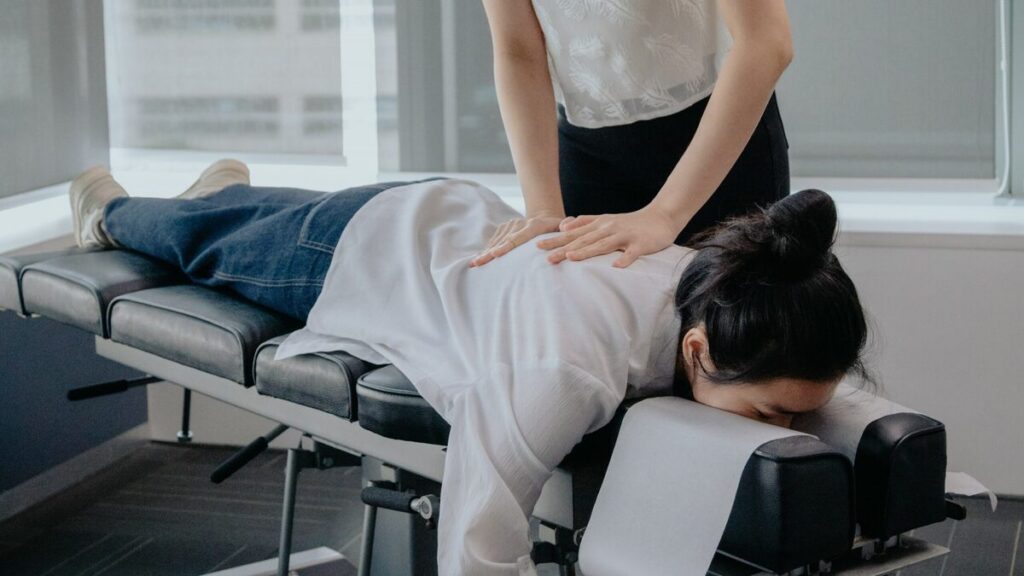

If you’ve ever battled migraines, you understand just how debilitating they can be. You might be wondering if manual therapy, particularly chiropractic care, could offer you some much-needed relief. Through gentle spinal adjustments and myofascial release techniques, many individuals have discovered a natural and drug-free approach to managing their migraine symptoms. But does the science support these methods? Let’s delve into the potential benefits of chiropractic care for migraines and what to consider before seeking this form of treatment.
Chiropractic care focuses on aligning the spine and optimizing the nervous system, which can play a crucial role in how our bodies respond to pain, including migraines. By addressing misalignments in the spine, chiropractors can help reduce tension and improve blood flow, potentially alleviating the frequency and intensity of migraine attacks.
Here are some key benefits of chiropractic care for migraine relief:
- Natural Pain Relief: Chiropractic adjustments can help relieve pressure on nerves and improve spinal function, leading to a reduction in pain without the need for medications.
- Holistic Approach: Chiropractors look at the whole person, not just the symptoms. They may provide lifestyle and dietary advice, exercises, and stress management techniques to support overall wellness and reduce triggers associated with migraines.
- Customized Care: Each person’s experience with migraines is unique. A chiropractor will tailor a treatment plan to meet your individual needs, ensuring that you receive the most effective care.
- Preventative Care: Regular chiropractic visits can help maintain spinal health and prevent future migraine occurrences, promoting long-term wellness.
Before starting any new treatment, including chiropractic care, it’s important to consult with a qualified chiropractor who can assess your specific situation and determine the best approach for you.
In addition to chiropractic care, here are some general tips to help manage migraines:
- Stay Hydrated: Drink plenty of water throughout the day to prevent dehydration, which can trigger migraines.
- Maintain a Consistent Sleep Schedule: Aim for regular sleep patterns to help minimize stress on your body.
- Practice Stress Management: Engage in relaxation techniques like deep breathing, meditation, or yoga to reduce stress levels.
- Keep a Food Diary: Identify and avoid potential food triggers that may contribute to your migraines.
Chiropractic care stands out as a powerful option for those seeking natural relief from migraines. By focusing on spinal health and overall wellness, you can take proactive steps toward a healthier, migraine-free life.
Understanding Migraines: Causes and Symptoms
Migraines can feel like an overwhelming storm, disrupting your day with intense pain and other debilitating symptoms. Often, they manifest as throbbing headaches, usually on one side of your head, and may be accompanied by nausea and sensitivity to light or sound.
Understanding the root causes of migraines is crucial for managing them effectively, and this is where chiropractic care can play a vital role. Many migraine triggers can include stress, hormonal changes, certain foods, and lack of sleep.
As a chiropractor, I often see how spinal health can influence overall well-being. Misalignments in the spine can contribute to tension and headaches, making it essential to maintain proper spinal alignment. Regular chiropractic adjustments can help ease muscle tension, improve blood flow, and reduce the frequency and intensity of migraines.
Pay attention to patterns in your migraines to identify what might trigger them. For some, it could be bright lights or strong smells, while others may react to weather changes or dehydration. Proper hydration and a balanced diet can support your overall health and potentially lessen migraine occurrences.
Additionally, practicing stress-reduction techniques, such as mindfulness or gentle yoga, can also be beneficial. Genetics may play a role, as many individuals with migraines have a family history of the condition.
However, by being proactive about your spinal health and recognizing your triggers, you can take steps to reduce their impact. Chiropractic care offers a natural, non-invasive path to wellness, helping you regain control over your life and steering clear of the storm that migraines can bring.
What Is Manual Therapy?
When it comes to managing migraines, exploring different treatment options can lead to significant relief, and one effective choice is chiropractic care. Chiropractic care employs hands-on techniques to manipulate the body’s soft tissues and joints, which can greatly enhance your overall well-being. This natural approach can improve circulation, reduce muscle tension, and promote relaxation—key factors in alleviating migraine symptoms.
Here are four important aspects of chiropractic care that can help with migraines:
- Techniques: Chiropractic care includes various methods such as spinal adjustments, gentle stretching, and targeted soft tissue work to relieve tension and restore balance in the body.
- Practitioners: Chiropractors are highly trained professionals who specialize in diagnosing and treating musculoskeletal issues. They understand the complexities of the spine and the nervous system, making them well-equipped to help with migraine relief.
- Focus Areas: Chiropractors often focus on areas of tension or discomfort, particularly around the neck, shoulders, and upper back. By addressing these areas, they can alleviate pressure that may contribute to migraine attacks.
- Personalized Approach: Each chiropractic session is tailored to meet your specific needs and symptoms. This personalized care ensures that you receive the most effective treatment for your unique situation, making your experience beneficial and supportive.
In addition to chiropractic care, here are some general tips to help manage migraines naturally:
- Stay Hydrated: Dehydration can trigger migraines. Make sure to drink enough water throughout the day.
- Regular Sleep Schedule: Maintaining a consistent sleep routine can help reduce the frequency of migraines.
- Manage Stress: Practice relaxation techniques such as deep breathing, meditation, or yoga to keep stress levels in check.
- Healthy Diet: Eating balanced meals and avoiding known food triggers can help prevent migraines.
Different Types of Manual Therapy Techniques
When it comes to managing migraines, chiropractic care offers some of the most effective solutions available. One of the primary techniques we use is spinal adjustments, which can help realign your spine and alleviate tension that may be contributing to your headaches.
Additionally, we utilize myofascial release techniques to target tight muscles and connective tissues that can exacerbate pain.
It’s important to understand that these manual therapy techniques not only focus on relieving symptoms but also promote overall wellness. By addressing the root causes of your migraines, we empower you to achieve lasting relief.
Here are some general tips to help you manage migraines as part of your journey to wellness:
- Stay Hydrated: Dehydration can trigger migraines, so make sure to drink plenty of water throughout the day.
- Maintain a Regular Sleep Schedule: Aim for consistent sleep patterns to help prevent migraines.
- Practice Stress Management: Techniques such as deep breathing, yoga, or meditation can help reduce stress and its impact on your health.
- Monitor Your Diet: Certain foods may trigger migraines, so keep a food diary to identify any patterns.
Choosing chiropractic care is a natural and effective way to support your health and well-being, helping you to not only find relief from migraines but also to enhance your overall quality of life.
Chiropractic Adjustments
Chiropractic adjustments provide a natural and effective solution for those suffering from migraine pain. By concentrating on spinal alignment and enhancing overall body mechanics, these adjustments can alleviate tension and significantly decrease the frequency of migraines.
Here’s a closer look at some popular chiropractic techniques you might experience in our practice:
- Diversified Technique: This hands-on method uses quick thrusts to realign joints, helping to restore proper function and reduce pain.
- Activator Method: Utilizing a small, spring-loaded instrument, this technique delivers gentle impulses to specific areas, assisting in the alignment process without the need for forceful adjustments.
- Thompson Technique: This approach involves a special table that drops slightly during adjustments, creating a comfortable experience while ensuring effective results.
- Gonstead Technique: By focusing on specific spinal segments, this technique employs careful analysis for targeted adjustments, ensuring that we address the root cause of your discomfort.
In addition to these techniques, here are some general tips to enhance your wellness journey:
- Stay Hydrated: Dehydration can trigger migraines, so ensure you’re drinking plenty of water throughout the day.
- Practice Good Posture: Maintaining proper posture can reduce strain on your spine and prevent tension headaches.
- Incorporate Regular Exercise: Gentle stretching or activities like yoga can help improve flexibility and alleviate stress.
- Prioritize Sleep: Aim for consistent and restful sleep to help your body recover and reduce migraine triggers.
Chiropractic care is an excellent choice for achieving optimal health, offering a holistic approach to pain relief and wellness.
Consider scheduling a visit to learn how these techniques can support your journey to a healthier, pain-free life.
Myofascial Release Techniques
Manual therapy includes various techniques designed to alleviate pain and enhance mobility, with myofascial release standing out as a particularly effective method. This technique focuses on the myofascial connective tissue, aiming to reduce tension and improve blood flow to help you feel your best.
During a myofascial release session, a chiropractor applies gentle, sustained pressure to specific areas of tightness, which can help release muscle knots and relieve discomfort.
There are two primary approaches to myofascial release: direct and indirect methods. Direct techniques involve applying pressure directly to the tight fascia, while indirect methods encourage your body to relax and release tension naturally.
Many individuals have found myofascial release especially beneficial for alleviating headaches and migraines, as it addresses underlying muscle tightness and enhances overall function.
If you’re experiencing migraines or persistent tension, consider myofascial release as a natural, drug-free option to help you find relief. As a chiropractor, I recommend incorporating regular spinal adjustments and myofascial release into your wellness routine.
Additionally, maintaining a healthy lifestyle, staying hydrated, and practicing stress-reduction techniques like deep breathing or gentle stretching can further support your journey toward optimal health.
Remember, choosing chiropractic care is a proactive way to promote natural healing and wellness. It’s about empowering your body to function at its best, without the need for medications or invasive procedures.
Take charge of your health today!
The Science Behind Manual Therapy and Migraines
While many individuals turn to medications for migraine relief, understanding the benefits of chiropractic care can unveil natural and effective alternatives. Chiropractic focuses on the musculoskeletal system and highlights the crucial link between physical tension and migraine triggers. By utilizing hands-on techniques, chiropractors aim to alleviate stress and enhance blood circulation, which may help reduce headache symptoms.
Here are four essential ways chiropractic care can assist with migraines:
- Muscle Relaxation: Chiropractic adjustments help ease tight muscles, which can be a significant contributor to migraine onset. By addressing these muscle tensions, you may experience fewer headaches.
- Improved Circulation: Enhanced blood flow is vital for delivering oxygen and nutrients to your brain. Chiropractic care can help optimize circulation, potentially providing relief from migraine symptoms.
- Nervous System Regulation: Chiropractic adjustments can help balance the nervous system. This regulation may lead to a decrease in the frequency and intensity of migraines, allowing you to enjoy life more fully.
- Natural Pain Relief: Chiropractic techniques can stimulate the release of endorphins, your body’s natural painkillers. This can lead to a reduction in discomfort without the need for medications.
Tips for Managing Migraines Naturally:
- Stay hydrated: Drink plenty of water throughout the day.
- Maintain a consistent sleep schedule: Aim for 7-9 hours of quality sleep each night.
- Incorporate stress-reducing activities: Consider yoga, meditation, or deep-breathing exercises.
- Pay attention to your posture: Good spinal alignment can help prevent tension headaches.
By prioritizing chiropractic care, you can take a significant step towards achieving optimal health and reducing the impact of migraines naturally.
Evidence Supporting Manual Therapy for Migraine Relief
When considering manual therapy for migraine relief, it’s essential to recognize the strong evidence supporting its effectiveness. Research shows that chiropractic care can provide significant relief through various mechanisms of pain reduction. Clinical studies have demonstrated positive outcomes for patients, highlighting the importance of specific techniques used in chiropractic adjustments that can help alleviate your migraine symptoms.
Chiropractic care focuses on the spine and nervous system, which plays a crucial role in overall health and wellness. By ensuring proper alignment and function, chiropractic adjustments can help reduce the frequency and intensity of migraines.
As a chiropractor, I believe that natural healing through spinal care is one of the best ways to achieve optimal health.
Here are some general tips you can incorporate into your daily routine to support migraine relief and enhance your overall well-being:
- Stay Hydrated: Dehydration can trigger migraines, so make sure to drink plenty of water throughout the day.
- Regular Exercise: Engaging in regular physical activity can help reduce stress and tension, which are common migraine triggers.
- Manage Stress: Incorporate relaxation techniques such as deep breathing, meditation, or yoga into your daily routine to help manage stress levels.
- Maintain a Consistent Sleep Schedule: Aim for regular sleep patterns to help prevent migraines related to sleep disturbances.
- Monitor Food Triggers: Keep a food diary to identify any potential food triggers that may contribute to your migraines, and try to avoid them.
By prioritizing chiropractic care and these healthy lifestyle choices, you can take significant steps towards managing your migraines naturally and improving your overall health.
Mechanisms of Pain Relief
Understanding how pain relief works can help explain why chiropractic care is so effective for migraines. When you receive chiropractic adjustments or engage in manual therapy, several beneficial processes come into play that can ease your migraine pain:
- Improved Blood Flow: Chiropractic care can enhance circulation throughout your body. This increased blood flow delivers essential oxygen and nutrients to the areas affected by migraines, promoting healing and reducing discomfort.
- Muscle Relaxation: The techniques used in chiropractic adjustments help to relax tense muscles, which can be significant triggers for headaches. By alleviating this tension, you may find relief from pain.
- Nerve Stimulation: Chiropractic care involves the manipulation of soft tissues and the spine, which can stimulate nerves that help diminish pain signals sent to your brain. This natural approach can help your body manage pain more effectively.
- Endorphin Release: Chiropractic adjustments encourage the release of endorphins, which are your body’s natural painkillers. This not only helps to elevate your mood but also decreases the perception of pain, making you feel better overall.
These mechanisms work together, highlighting why chiropractic care is a fantastic option for those seeking relief from migraines.
Tips for Managing Migraines Naturally:
- Stay hydrated: Drink plenty of water throughout the day to prevent dehydration, a common migraine trigger.
- Practice stress-reducing techniques: Incorporate relaxation methods such as deep breathing, yoga, or meditation into your daily routine.
- Maintain good posture: Poor alignment can contribute to tension and headaches. Be mindful of your posture, especially when sitting for long periods.
- Regular chiropractic visits: Consistent adjustments can help keep your spine aligned and reduce the frequency and intensity of migraines.
Clinical Study Findings
Research consistently shows that chiropractic care, particularly through manual therapy techniques, can significantly reduce the frequency and severity of migraines. Many patients have reported remarkable improvements in their migraine symptoms after receiving chiropractic adjustments compared to those who didn’t seek this natural treatment.
For example, one study indicated that individuals experienced a 50% reduction in headache days after undergoing several chiropractic sessions.
Not only do patients report fewer migraines, but they also find themselves relying less on medications, which can often come with unwanted side effects. Chiropractic care works to enhance blood circulation, relieve muscle tension, and promote relaxation, all of which can contribute to migraine relief.
If you’re dealing with migraines, consider exploring the benefits of chiropractic care as a natural and effective approach. In addition to seeking professional help, here are a few tips to help manage your migraines at home:
- Stay Hydrated: Drink plenty of water throughout the day to help prevent dehydration, which can trigger migraines.
- Maintain a Regular Sleep Schedule: Aim for consistent sleep patterns and ensure you’re getting enough rest, as irregular sleep can lead to migraines.
- Monitor Your Diet: Keep track of your food intake and identify any potential triggers that may cause your migraines, such as certain foods or beverages.
- Practice Relaxation Techniques: Engage in stress-reducing activities like yoga, meditation, or deep-breathing exercises to help relax your mind and body.
- Get Regular Adjustments: Regular chiropractic visits can help manage your spinal health and reduce the likelihood of migraines.
Taking a proactive approach to your health by considering chiropractic care not only addresses your migraines but also promotes overall wellness. Embrace this natural path towards a healthier, pain-free life!
Techniques Used in Therapy
As a local chiropractor, I’m excited to share some effective manual therapy techniques that can help relieve migraine symptoms and enhance your overall well-being. These approaches focus on natural healing by addressing muscle tension and spinal alignment—two common triggers for migraines.
Here are some key techniques that can make a difference in your health journey:
- Spinal Manipulation: This technique involves gentle adjustments to the spine to improve alignment. By reducing nerve irritability, spinal manipulation can help alleviate migraine pain and promote better overall health.
- Myofascial Release: A gentle yet powerful technique, myofascial release targets the fascia—a connective tissue that surrounds your muscles. By relieving tension in this area, you can experience significant pain reduction and improved mobility.
- Craniosacral Therapy: Using light touch, this technique focuses on releasing restrictions in the craniosacral system, which can lead to deep relaxation and a decrease in migraine symptoms. It’s a calming approach that promotes your body’s natural healing processes.
- Trigger Point Therapy: This technique zeroes in on specific tight areas within your muscles, helping to relieve tension and improve blood flow. By addressing these trigger points, you can experience relief from pain and discomfort.
In addition to these techniques, here are some simple tips to help manage migraines:
- Stay Hydrated: Dehydration can trigger migraines, so make sure you’re drinking plenty of water throughout the day.
- Maintain a Regular Sleep Schedule: Consistent sleep patterns can help reduce the frequency of migraines.
- Practice Stress-Relief Techniques: Incorporate relaxation methods like deep breathing, meditation, or yoga into your routine to help manage stress levels.
By choosing chiropractic care, you’re opting for a natural, holistic approach to achieving optimal health and wellness.
These techniques can be effective not just for managing migraine symptoms but for enhancing your overall quality of life. Remember, your health is in your hands, and with chiropractic care, you’re taking a proactive step toward a healthier future!
Personal Testimonials: Real-Life Experiences
Migraines can be incredibly debilitating, but many individuals have discovered that chiropractic care offers a natural and effective path to relief. You might be amazed at the transformative experiences shared by patients who’ve embraced this holistic approach.
Take Sarah, for instance. After enduring years of debilitating migraines, she turned to chiropractic care and experienced a remarkable reduction in both the frequency and intensity of her headaches. With each adjustment, she felt a renewed sense of control over her life.
Then there’s Tom, who found that regular chiropractic sessions helped him identify and manage his migraine triggers more effectively. His journey has shown him that feeling good again is truly possible.
Many patients who’ve struggled with various treatments report finding hope and healing through chiropractic care. They often experience improved sleep patterns, reduced anxiety, and heightened productivity. These personal testimonials underscore a growing trend: when other methods fall short, chiropractic care can be a game changer for managing migraines.
As you explore ways to enhance your health and wellness, consider these tips:
- Stay Hydrated: Dehydration can trigger migraines, so ensure you’re drinking enough water throughout the day.
- Maintain Good Posture: Poor posture can strain your neck and back, leading to tension headaches. Regular chiropractic adjustments can help improve your posture.
- Practice Stress Management: Techniques like deep breathing, meditation, and yoga can help reduce stress, a common migraine trigger.
- Prioritize Sleep: Establishing a consistent sleep routine can help regulate your body and reduce migraine occurrences.
With chiropractic care, you could be the next success story in your journey towards optimal health and wellness. Don’t hesitate to reach out for a consultation and discover how chiropractic adjustments can help you manage your migraines naturally!
Potential Risks and Considerations
Before embarking on chiropractic care for migraines, it’s essential to be informed about some important considerations. Many individuals experience significant relief through chiropractic adjustments, but it’s wise to approach this natural healing method with awareness. Here are some key points to consider:
- Health Background: If you have existing health issues, such as osteoporosis or serious spinal conditions, it’s crucial to discuss these with your chiropractor. They can help determine if chiropractic adjustments are right for you.
- Post-Treatment Sensations: After your chiropractic session, you might feel some temporary soreness or even mild headaches. This is a normal reaction as your body adjusts, and it typically subsides quickly.
- Choosing the Right Chiropractor: Make sure your chiropractor is licensed and has experience treating migraines. A qualified professional will ensure you receive the best care tailored to your needs.
- Consultation is Key: Always consult with your healthcare provider before starting chiropractic treatment, especially if you’re currently taking medication for migraines. This helps create a coordinated approach to your wellness journey.
Extra Tips for Managing Migraines Naturally:
- Stay hydrated: Drinking plenty of water can help reduce the frequency and intensity of migraines.
- Maintain a regular sleep schedule: Consistent sleep patterns can improve overall health and potentially lessen migraine occurrences.
- Practice relaxation techniques: Incorporating methods like deep breathing, yoga, or meditation into your routine can help manage stress, a common migraine trigger.
Integrating Manual Therapy Into Your Migraine Management Plan
Integrating manual therapy, particularly chiropractic care, into your migraine management plan can significantly enhance your overall well-being. Chiropractic adjustments focus on relieving muscle tension, improving circulation, and promoting relaxation, all of which can help reduce the frequency and intensity of your migraines.
To start, consider scheduling regular chiropractic sessions as part of your routine. Consistency is key to maximizing the benefits of this natural approach to health. Additionally, tracking your migraine patterns can provide valuable insights into how chiropractic care affects your symptoms over time.
Don’t forget to communicate openly with your chiropractor about your migraines. They can tailor a personalized treatment plan that focuses solely on natural healing without the need for medications or surgeries.
Here are a few tips to keep in mind:
- Stay Hydrated: Dehydration can trigger migraines, so make sure you’re drinking enough water throughout the day.
- Maintain Good Posture: Poor posture can lead to muscle strain and tension, contributing to migraines. Being mindful of your posture, especially when sitting for long periods, can help.
- Practice Relaxation Techniques: Incorporating stress-relief practices such as yoga or meditation can complement your chiropractic care and contribute to a holistic approach to managing migraines.
Finding a Qualified Manual Therapist
How can you find a qualified manual therapist who meets your specific needs? As a chiropractor dedicated to promoting health and wellness, I believe it’s crucial to explore all your options to achieve optimal health. Here are four steps to guide you in your search for a manual therapist, while also highlighting the benefits of chiropractic care:
1. Check Credentials: Ensure the therapist is licensed and has specialized training in manual therapy techniques that can help with conditions like migraines.
However, consider that chiropractic care often addresses the root causes of headaches and migraines through spinal adjustments, which can provide effective relief.
2. Seek Recommendations: Talk to your healthcare provider or friends who’ve had positive experiences with manual therapy.
Don’t forget to ask them about their experiences with chiropractic care as well, as it can be a powerful, natural alternative for pain relief and overall wellness.
3. Read Reviews: Look for online reviews and testimonials to understand other patients’ experiences.
While researching, keep in mind that many patients find significant relief through chiropractic adjustments, which can enhance both physical and mental well-being.
4. Consultation: Schedule an initial consultation to discuss your migraines and assess whether you feel comfortable with the therapist’s approach.
During this time, consider asking about chiropractic options as well, since many individuals find that regular chiropractic care can help maintain a healthier spine and reduce the frequency and intensity of migraines.
Remember, while manual therapy can be beneficial, chiropractic care offers a holistic approach to health that focuses on your body’s natural ability to heal itself.
Conclusion
Incorporating chiropractic care into your migraine management plan can truly transform your experience. By focusing on spinal alignment, muscle relaxation, and improved blood flow, chiropractic adjustments can help reduce the frequency and intensity of headaches. Many patients find that regular visits to a chiropractor not only relieve their migraines but also enhance their overall well-being.
It’s important to consult with a qualified chiropractor who understands your specific needs. They can tailor a treatment plan that addresses any underlying issues contributing to your migraines. Alongside chiropractic adjustments, consider incorporating simple lifestyle changes such as staying hydrated, managing stress through relaxation techniques, and maintaining good posture throughout the day.
Don’t hesitate to explore chiropractic care as part of your natural approach to managing migraines. With the right support and commitment to healthier living, you can regain control over your life and enjoy a more pain-free existence. Remember, your journey to optimal health starts with taking proactive steps today!