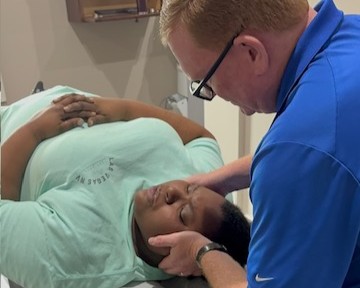

As a chiropractor, I understand that dealing with chronic pain can feel overwhelming, especially when traditional treatments don't provide the relief you seek. It's essential to recognize that your pain is unique to you; this understanding is the first step toward discovering effective relief.
In chiropractic care, we explore a combination of therapies that can address the root causes of your pain. Techniques such as spinal adjustments, soft tissue therapy, and personalized exercise plans work together to enhance your body's natural healing abilities. Additionally, integrating mindfulness practices can help you manage stress and improve your overall well-being.
What if the key to your relief lies in a more natural approach? Embracing holistic care may lead you to unexpected solutions, allowing you to reclaim control over your pain management journey. Let's work together to uncover the best path forward for you.
Understanding Chronic Pain
Chronic pain is a condition that affects millions of individuals worldwide, often leading to significant disruptions in daily life and overall well-being. As a local chiropractor, I understand that navigating the complexities of chronic pain can be overwhelming, especially if you or someone close to you is dealing with it.
Unlike acute pain, which serves as a clear warning sign of injury or illness, chronic pain lingers long after the initial cause has healed, sometimes persisting for months or even years. This type of pain can arise from a variety of conditions, such as arthritis, fibromyalgia, or previous injuries. Patients often describe it as a constant ache, sharp stabbing sensations, or burning feelings.
It's important to note that everyone's experience with chronic pain is unique; what may relieve one person's discomfort mightn't be effective for another. Your brain plays a crucial role in how you perceive pain, and in cases of chronic pain, it can become hyper-responsive. This means that the brain may amplify pain signals even when there isn't a clear physical cause, leading to sensations that feel more intense than what the actual condition would suggest.
Emotional factors, such as stress and anxiety, can also worsen your pain, creating a challenging cycle that can be difficult to break. As a chiropractor, I believe that understanding your chronic pain is foundational to finding relief. By identifying triggers and patterns, as well as the emotional aspects of your pain, you can take empowered steps towards management.
Keeping a pain diary is a useful tool; it allows you to track what alleviates or intensifies your discomfort. This information can be invaluable during consultations with healthcare professionals, including chiropractors, leading to a more tailored approach to your pain management.
In our practice, we focus on natural healing methods and holistic care. We aim to address not just the symptoms but the underlying causes of your pain. Understanding chronic pain is the first step towards effective relief, and we're here to support you on your journey to better health and well-being.
Traditional Treatment Limitations
As a local chiropractor, I want to help you understand the limitations of traditional treatments for chronic pain.
Many people find that medications can come with frustrating side effects that affect their daily lives. Moreover, navigating the healthcare system to access these treatments can be overwhelming and complicated.
It's important to recognize these challenges as you seek effective and lasting relief. Chiropractic care offers a natural approach that focuses on addressing the root cause of pain, helping you regain your well-being without the adverse effects of medication.
Let's explore how chiropractic care can be a beneficial alternative for managing your chronic pain.
Medication Side Effects
As a local chiropractor, I want to help you understand the complexities of managing chronic pain and the role that medication often plays in this process. Many patients turn to pharmaceuticals for relief, but it's important to recognize that while these medications can help alleviate pain, they can also introduce new challenges, including drowsiness, dizziness, and gastrointestinal issues.
These side effects can interfere with your daily life and may even lead you to question whether the pain relief is worth the trade-offs. Moreover, relying on pain medications over an extended period can create a cycle of dependency or tolerance. This means that you might need to take increasingly higher doses to achieve the same relief, which can leave you feeling trapped in a cycle of managing pain alongside the side effects.
You could find yourself handling multiple prescriptions, each with its own potential risks and reactions. That's where chiropractic care comes into play. By focusing on natural healing methods, we aim to address the root causes of your pain without the unwanted side effects of medications.
Techniques such as spinal adjustments, physical therapy, and lifestyle modifications can help improve your overall well-being and provide lasting relief. I encourage you to have an open dialogue about your pain management options. Discussing your experiences and concerns with a healthcare provider—whether it's a chiropractor or another specialist—can lead to exploring alternative treatments that might be more effective for you.
Understanding the potential side effects of medications empowers you to make informed decisions, and I'm here to guide you on your journey toward natural healing and pain relief.
Treatment Accessibility Issues
Accessing effective treatment for chronic pain can be a daunting journey, especially when conventional methods fall short. Many individuals find themselves caught in a cycle of therapies that don't bring relief, leading to frustration and feelings of hopelessness.
As a local chiropractor, I want to help you understand that there are alternatives available, and there are ways to navigate the barriers that might be limiting your options.
Here are some common challenges you may face:
- Insurance Coverage: It's important to know that many insurance plans are beginning to recognize the value of chiropractic care. However, some may still not cover alternative therapies or may limit access to specialists. This can make it difficult for you to explore all potential avenues for relief.
- Availability of Providers: Depending on your location, finding qualified practitioners who specialize in chronic pain management can be a challenge. As a chiropractor, I focus on natural healing approaches that can help alleviate your pain and improve your overall well-being.
- Long Wait Times: The wait for an appointment with a pain specialist can be frustrating, often stretching into weeks or months. Chiropractic care can often provide a more immediate option for treatment, allowing you to start addressing your pain sooner rather than later.
Navigating these barriers can feel overwhelming, but it's essential to take charge of your health. I encourage you to research your options and seek out support groups.
Don't hesitate to ask your healthcare provider about chiropractic care and other natural therapies that may be more accessible to you. Together, we can work towards finding a solution that helps you manage your pain effectively and enhances your quality of life.
Mind-Body Connection
As your local chiropractor, I want to emphasize the importance of the mind-body connection, especially when it comes to managing chronic pain. Many people overlook how intertwined our thoughts, emotions, and mental states are with the physical sensations we experience. For instance, when you're feeling stressed, anxious, or down, your perception of pain can intensify. Recognizing this connection is key, as it opens up pathways to improve your mental well-being, which may also help alleviate some of your chronic pain.
One of the most effective methods I recommend is incorporating mindfulness practices into your routine. Mindfulness allows you to become more attuned to your thoughts and feelings without judgment. This heightened awareness can lead to healthier coping strategies and can reduce the emotional burden associated with chronic pain. Techniques such as meditation, deep breathing exercises, and yoga can all foster this vital mind-body connection.
Additionally, cognitive-behavioral therapy (CBT) can be incredibly beneficial. It helps you identify and reframe negative thought patterns related to your pain. By changing the way you think about your discomfort, you can shift your emotional response, which may ultimately lead to a reduction in pain levels.
I also encourage you to keep a pain diary. By recording your pain levels alongside your emotional state and thoughts, you may uncover patterns you hadn't noticed before. This insight can empower you to make lifestyle changes or seek additional support tailored to your needs.
As your chiropractor, I'm here to guide you on this journey toward holistic healing, where both your mind and body are nurtured for optimal health.
Alternative Therapies
As a local chiropractor, I want to share with you the benefits of exploring alternative therapies that can complement our chiropractic care in managing chronic pain.
These therapies focus on a holistic approach, treating not just the symptoms but the whole person. By integrating various methods into your wellness routine, you can take a more active role in managing your chronic pain effectively.
Here are some alternative therapies that can work hand-in-hand with chiropractic care:
- Acupuncture: This ancient practice involves the insertion of fine needles into specific points on the body. It can help stimulate energy flow and alleviate pain, contributing to your overall well-being.
- Massage Therapy: Therapeutic massage is an excellent way to relax tight muscles, improve blood circulation, and enhance emotional health. Regular massage sessions can complement chiropractic adjustments, helping to reduce pain and improve your quality of life.
- Herbal Remedies: Many patients find that natural herbs like turmeric and ginger, known for their anti-inflammatory properties, can provide relief from pain.
However, it's always important to consult with your healthcare provider before adding any new supplements to your regimen.
Physical Activity and Pain Relief
As a local chiropractor, I want to emphasize the importance of physical activity in managing chronic pain. Regular movement isn't just beneficial; it's essential for improving your quality of life and alleviating discomfort. When you engage in exercise, your body releases endorphins, which act as natural painkillers. You don't have to run marathons or lift heavy weights to experience these benefits; even gentle activities like walking, swimming, or stretching can significantly help.
Consistency is vital. I recommend aiming for at least 150 minutes of moderate-intensity exercise each week. This can be broken down into shorter sessions throughout the day, making it easier to fit into your routine. However, it's essential to listen to your body. If a specific activity increases your pain, it's crucial to adjust your approach. Low-impact exercises may be particularly beneficial for those with joint concerns, allowing you to reap the rewards of movement without added strain.
Incorporating strength training is another valuable aspect of your physical activity. Building muscle supports your joints and enhances overall stability, which can help reduce the risk of injury.
Don't overlook the importance of flexibility and balance exercises, as these can improve your range of motion and help prevent falls.
Most importantly, find activities that you genuinely enjoy. When you're engaged in something fun, you're more likely to stick with it. Remember, the goal isn't about achieving perfection; it's about making progress in managing your pain.
Nutrition's Role in Healing
As your local chiropractor, I want to emphasize the importance of nutrition in your healing journey, especially if you're managing chronic pain. While physical activity is vital, what you eat can significantly affect inflammation, energy levels, and your overall well-being. By making conscious food choices, you can support your body's natural healing processes and potentially alleviate pain.
Incorporating nutrient-dense foods into your diet is a crucial step in your recovery. Focus on whole foods such as fruits, vegetables, whole grains, lean proteins, and healthy fats. These foods are packed with the vitamins, minerals, and antioxidants that your body requires to combat inflammation and promote healing.
Here are some key nutritional aspects to consider during your healing process:
- Anti-inflammatory foods: Incorporate foods like berries, fatty fish, and leafy greens into your meals. These have been shown to help reduce inflammation in the body.
- Hydration: Make sure you stay well-hydrated. Proper hydration supports joint lubrication and overall cellular function, which is essential for managing pain.
- Balanced meals: Strive for a variety of nutrients in every meal. This will help you maintain stable energy levels and support your metabolic functions.
Don't underestimate the power of nutrition; it can significantly influence how you manage chronic pain. By being mindful of what you consume, you're not only nourishing your body but also empowering it to heal.
Take control of your nutrition, and you may start to notice a positive change in your pain levels and overall health. If you have questions about how to integrate these dietary changes into your lifestyle, don't hesitate to ask during your next visit!
Technological Innovations
As a local chiropractor, I want to share how numerous technological innovations are transforming chronic pain management and how these advancements can complement our chiropractic care for your overall well-being.
One of the most exciting developments is the emergence of wearable devices that track your pain levels and physical activity in real-time. These gadgets can provide you and me with valuable insights, helping us make informed decisions about your treatment plan. By identifying patterns and triggers, we can tailor your chiropractic adjustments and therapies to better suit your individual needs.
Another significant advancement is the rise of telehealth services. With virtual consultations, you can connect with me from the comfort of your home. This is especially beneficial for those who may have difficulty traveling due to mobility issues or who live in remote areas. You no longer have to worry about long commutes for your appointments; we can discuss your health and treatment options right at your fingertips.
In addition to these technologies, I want to highlight innovative pain management techniques, such as neuromodulation therapies. Devices like spinal cord stimulators and peripheral nerve stimulators send electrical signals to disrupt pain transmission. While I primarily focus on manual adjustments and natural healing, understanding these advancements can help us explore complementary options that may reduce your chronic pain with fewer side effects than traditional medications.
Lastly, I'd like to introduce you to the concept of virtual reality (VR) as a remarkable tool for pain relief. By immersing yourself in VR environments, you may find an effective way to distract your mind from pain and foster a sense of relaxation. This innovative approach aligns well with our holistic philosophy in chiropractic care, as it harnesses the power of your mind to improve your pain management experience.
As technology continues to evolve, I'm committed to staying informed about new solutions that can enhance your quality of life and help you navigate the complexities of chronic pain.
Together, we can explore these advancements and integrate them into your chiropractic journey for optimal health and wellness.
Emotional and Mental Health
Chronic pain can significantly affect your emotional well-being, creating a deep connection between your physical sensations and your mental state.
As a local chiropractor, I want to help you understand that chiropractic care isn't just about addressing physical discomfort; it also plays a vital role in supporting your emotional health.
By incorporating various strategies, such as mindfulness techniques and holistic practices, we can work together to manage both your pain and your emotions effectively.
Chiropractic adjustments can help restore balance to your body, which may alleviate some of the distress you feel.
Addressing these aspects together can pave the way for a more comprehensive and natural approach to finding relief.
Let's embark on this journey to improve your overall well-being!
Pain and Emotional Connection
When experiencing pain, it's important to recognize the significant emotional connection that can enhance your discomfort. Your thoughts and feelings play a crucial role in how you perceive and manage pain. Understanding this relationship is key to finding effective relief, especially as you explore chiropractic care and natural healing methods.
Here are some insights on how emotions can intertwine with your pain experience:
- Heightened Sensitivity: Emotions such as stress, anxiety, or depression can heighten your sensitivity to pain, making even minor aches feel overwhelming. Chiropractic adjustments can help alleviate physical tension, which may also reduce emotional strain.
- Cyclical Relationship: Chronic pain often leads to emotional distress, creating a cycle where your pain worsens your mood and your mood worsens your pain. Chiropractic care can play a role in breaking this cycle by addressing the physical aspects of pain and promoting relaxation.
- Impact on Coping Strategies: Your emotional state greatly influences how you cope with pain. If you're feeling down or anxious, it might be harder to engage in self-care or seek help. Our chiropractic approach encourages a holistic view of healing, where both your physical and emotional health are addressed.
By understanding the emotional dimensions of your pain, you can empower yourself to disrupt this cycle. Addressing your feelings is just as important as focusing on your physical health.
Consider journaling your thoughts, connecting with supportive friends or family, or discussing your experiences with a professional. Each of these steps can help you reconnect with your body and mind, fostering a more balanced path toward relief through chiropractic care and natural healing.
Mental Health Strategies
As a local chiropractor, I want to share how recognizing the emotional connections to pain can play a crucial role in your overall well-being and healing journey.
It's important to acknowledge your feelings; this is the first step toward understanding the impact of pain on your life. One effective method for this is journaling. Writing down your thoughts can help you process your emotions and identify what might be triggering your discomfort.
Another key aspect of managing pain is communication. I encourage you to talk to someone you trust—a friend, family member, or even a therapist. Sharing your experiences can help lighten your emotional burden and provide you with support.
Additionally, exploring Cognitive Behavioral Therapy (CBT) may be beneficial. This therapeutic approach helps change negative thought patterns, allowing you to develop healthier responses to pain and stress.
Establishing a consistent routine is also essential. Creating a daily schedule that incorporates self-care, hobbies, and social interactions can bring a sense of stability and purpose to your life.
Don't forget the importance of physical activity, even gentle exercises like walking or stretching. These activities can significantly boost your mood and help reduce anxiety.
Lastly, I urge you to practice self-compassion. It's completely normal to feel overwhelmed at times; be gentle with yourself.
Mindfulness and Pain Management
As a local chiropractor, I want to share with you how mindfulness can be an invaluable tool in managing pain and enhancing your overall emotional well-being. In my practice, I often see how focusing on the present moment can create a sense of calm and acceptance, which is essential for coping with chronic pain. Mindfulness encourages you to observe your thoughts and feelings without judgment, allowing you to respond to pain more effectively.
Here are some ways that incorporating mindfulness into your pain management strategy can make a significant difference:
- Reduced Stress: Mindfulness techniques can lower cortisol levels in your body, which is known to contribute to increased pain intensity. By reducing stress, you can help alleviate some of the discomfort you're experiencing.
- Enhanced Awareness: Practicing mindfulness helps you become more aware of your pain triggers and patterns. This awareness empowers you to make informed decisions about your treatment options, including chiropractic care, which can further support your healing process.
- Improved Emotional Resilience: Regular mindfulness practice can strengthen your emotional resilience, making it easier to cope with pain-related challenges that may arise during your healing journey.
Incorporating mindfulness into your daily routine doesn't have to be complicated. Simple practices like deep breathing exercises or meditation can cultivate a sense of inner peace and help you maintain a positive outlook.
Building a Support Network
Creating a robust support network is crucial for effectively managing chronic pain, and as a chiropractor, I want to emphasize the importance of finding the right people to help you on your healing journey. When you're living with persistent discomfort, having a circle of understanding individuals can make a significant difference in your overall well-being.
Start by reaching out to your family and friends. It's essential to communicate openly about what you're experiencing. Many people want to help but may not know how—so sharing your struggles and needs is vital. This not only fosters understanding but also encourages them to be part of your healing process.
I also encourage you to consider joining a support group, whether online or in your local community. Connecting with others who've similar experiences can provide both comfort and validation. You may discover effective coping strategies and even develop meaningful friendships with individuals who truly understand what you're going through. Sharing your journey helps alleviate feelings of isolation and allows for collective healing.
Furthermore, I can't stress enough the importance of building a strong relationship with your healthcare professionals, including your chiropractor. Engaging with a chiropractor can enhance your pain management plan by addressing the underlying issues contributing to your discomfort. Chiropractors are trained to offer personalized care and guidance that aligns with your specific needs, incorporating natural healing techniques to support your overall health.
Additionally, consider the benefits of incorporating a wellness coach or life coach into your support network. These professionals can help you set realistic goals and maintain motivation as you navigate your path to relief.
Together, we can create a collaborative approach to your health that empowers you to take charge of your healing journey. Remember, you're not alone in this—building a supportive community can lead to a brighter, pain-free future.
Conclusion
As a local chiropractor, I want to share some insights to help you on your journey to relieve chronic pain. It's essential to understand that a personalized approach is vital for effective healing. By integrating traditional chiropractic treatments with alternative therapies and healthy lifestyle changes, you can take an active role in your recovery.
Emphasizing the mind-body connection is crucial. Staying active and engaging in exercises that promote flexibility and strength can significantly impact your well-being. Additionally, nourishing your body with wholesome foods can enhance your healing process.
Don't overlook the role of technology in pain management, from apps that track your progress to online resources that provide valuable information. Also, the support of your loved ones can be incredibly beneficial as you navigate your path to recovery.
With determination and the right tools at your disposal, including chiropractic care, you can effectively address chronic pain and reclaim your life. Let's work together to crack the code on your pain relief journey!