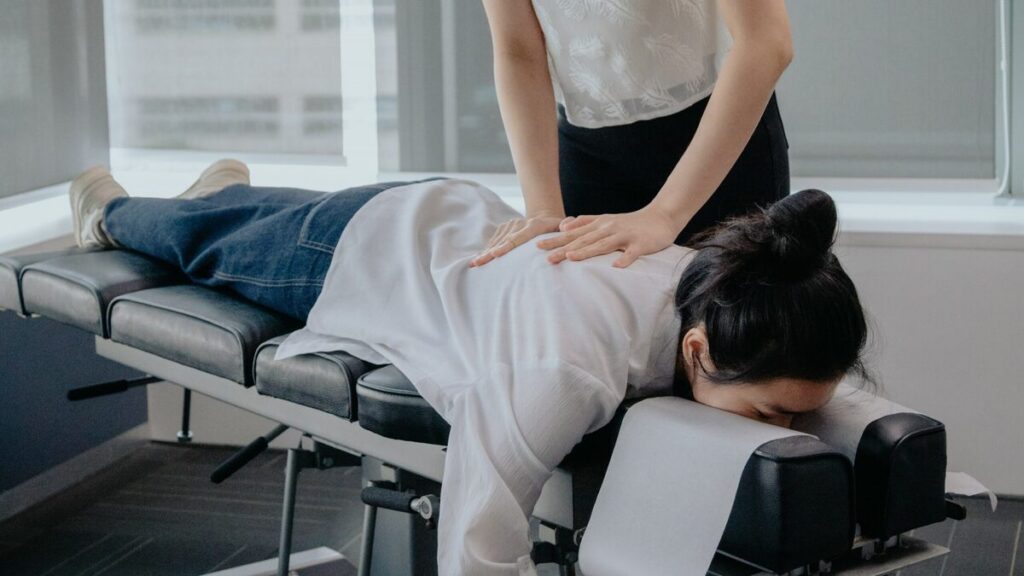

As a local chiropractor, I understand firsthand how debilitating a neck injury can be. If you've found yourself dealing with persistent pain and limited mobility, you're not alone in your search for effective relief. One of the most natural and holistic approaches to alleviating neck pain is chiropractic care. This method focuses on spinal alignment and joint function, which can significantly contribute to your healing process.
In addition to chiropractic adjustments, incorporating targeted exercises into your routine can also help you manage your symptoms. These exercises are designed to strengthen the neck muscles, improve flexibility, and promote better posture, all of which are crucial for recovery.
It's important to recognize that not all methods are created equal, and what works for one person may not work for another. That's why I emphasize the importance of personalized care tailored to your specific needs. By working together, we can explore the best strategies for you, ensuring you're on the right path toward lasting relief and improved well-being. Let's take this journey together to regain your comfort and mobility!
Understanding Neck Injuries
As a local chiropractor, I want to help you understand neck injuries and how they can affect your health. These injuries can arise from various sources, including accidents, poor posture, or overuse. Recognizing the nature of these injuries is vital for effective recovery and prevention.
One common neck injury you might've heard of is whiplash, which often occurs in car accidents. This injury happens when the head moves suddenly, straining the ligaments and muscles in your neck, resulting in pain and stiffness.
Another frequently overlooked cause of neck discomfort is poor posture. Whether you're slumping over your desk or staring down at your phone for long periods, these habits can lead to significant strain on your neck. This strain can cause muscle fatigue and, if not addressed, may lead to more serious long-term issues.
Additionally, overuse injuries are common, particularly among athletes or those engaged in repetitive movements. These can cause inflammation and chronic pain, which can greatly affect your daily life.
It's important to identify the symptoms of neck injuries. You may experience pain, stiffness, or a limited range of motion. In some cases, you might also feel pain radiating down your arms or experience headaches. Listening to your body's signals is crucial—ignoring these signs can lead to worsening conditions and a longer recovery period.
Understanding the anatomy of your neck is also significant. Your neck consists of vertebrae, muscles, and nerves, all of which can be affected by injury. By learning how these components interact, you can better grasp the severity of your situation.
As a chiropractor, my goal is to educate you about neck injuries and empower you to manage and prevent further issues naturally. Together, we can work toward restoring your neck's health and improving your overall well-being.
Importance of Seeking Professional Help
Navigating the challenges of neck injuries can be daunting, but as a local chiropractor, I want to emphasize the importance of seeking professional help for effective recovery. When you experience neck pain, it's common to feel tempted to manage it on your own. However, self-diagnosing or postponing treatment can lead to more serious issues down the road.
I've the expertise to evaluate your condition accurately, ensuring you receive the right diagnosis and a personalized treatment plan that caters to your specific needs.
As a chiropractor, I can provide valuable insights into the underlying causes of your neck pain. Whether it's due to muscle strain, a herniated disc, or another issue, understanding the root cause is essential, as each type of injury requires a distinct approach.
Moreover, I can help rule out any serious conditions that may need immediate attention, giving you peace of mind. Seeking chiropractic care early on can also prevent complications later. Ignoring persistent pain can lead to chronic conditions that may significantly affect your quality of life.
By consulting with me, you're taking proactive steps toward recovery, helping you regain function and reduce discomfort more efficiently. Additionally, I'll guide you through the recovery process with a focus on natural healing.
I can educate you on proper posture, ergonomics, and lifestyle changes that can help prevent future injuries. Remember, you don't have to face this journey alone—reaching out for help is a sign of strength and dedication to your health.
Don't hesitate to take that step; your neck deserves the best care possible, and I'm here to support you every step of the way.
Physical Therapy Techniques
When dealing with a neck injury, chiropractic care can truly make a significant difference in your recovery journey.
As a chiropractor, I focus on manual therapy techniques that not only alleviate pain but also enhance your mobility. Alongside these hands-on methods, I incorporate specific exercise rehabilitation programs aimed at strengthening your neck muscles.
By combining these approaches, we work together to help you regain your function and reduce the risk of future injuries, all while promoting natural healing.
Understanding and embracing these chiropractic techniques can be a vital step in your path to wellness.
Manual Therapy Approaches
As a local chiropractor, I want to share how manual therapy can play a vital role in alleviating neck injuries and restoring your overall function. These hands-on techniques are designed to target soft tissues and joints, effectively reducing pain while enhancing mobility.
When you come in for a session, I may utilize methods such as joint mobilization or manipulation. These approaches are aimed at relieving stiffness in your neck, allowing for greater range of motion.
One of the key components of my practice is soft tissue techniques, including massage. This not only helps to ease tension in the neck and shoulder areas but also promotes better blood flow, which can accelerate your healing process.
I might also use myofascial release, which focuses on the connective tissues around your muscles, helping to release tightness and encourage relaxation.
Stretching is another important aspect of what I do. It can greatly improve your flexibility and reduce discomfort in your neck. As I guide you through specific stretches, you'll likely notice a gradual improvement in your neck's mobility, helping you to feel more comfortable and confident in your daily activities.
If you're new to chiropractic care, I invite you to explore these natural healing techniques that can make a significant difference in your well-being.
Exercise Rehabilitation Programs
As a local chiropractor, I want to emphasize the vital importance of exercise rehabilitation programs in your recovery from neck injuries. These programs not only promote strength and flexibility but also enhance your overall functional abilities. The process typically begins with a comprehensive evaluation, during which I'll assess your specific needs and tailor a program just for you.
Initially, we'll focus on gentle stretching exercises designed to improve your mobility and alleviate stiffness in your neck. This foundational work is crucial for paving the way for more advanced rehabilitation.
As you progress, we'll introduce strengthening exercises targeting your neck, shoulders, and upper back. These exercises are specifically aimed at supporting your spine and improving your posture, which is essential for long-term health. We might incorporate resistance bands or light weights to help build your strength, making your neck more resilient against future injuries.
In addition to strength training, balance and coordination exercises will play a significant role in your rehabilitation. These activities are important for restoring your overall functional abilities and will help you learn the proper body mechanics necessary to prevent strain during your daily activities.
Remember, consistency is key. Regular practice of these exercises can significantly expedite your recovery.
I encourage open communication, so please share any discomfort or concerns you may have along the way. By actively participating in your rehabilitation program, you won't only alleviate pain but also regain confidence in your neck's functionality, enabling you to return to your normal activities with greater ease and comfort.
Your journey to natural healing is a partnership, and I'm here to support you every step of the way.
Stretching and Strengthening Exercises
As a local chiropractor, I want to share with you the importance of gentle neck stretches and upper back strengthening exercises in relieving neck injuries.
These practices aren't just about improving flexibility; they also play a crucial role in enhancing your posture and alleviating strain on your neck.
By incorporating these techniques into your daily routine, you can promote natural healing and improve your overall well-being.
Let's take a look at some effective exercises that you can start using today to support your neck health.
Gentle Neck Stretches
As a local chiropractor, I often see patients who experience discomfort in their necks, especially after long hours at a desk or upon waking up in the morning.
Gentle neck stretches can be a simple yet effective way to alleviate tension and enhance your mobility. These stretches not only help ease discomfort but also promote greater flexibility, making it easier for you to move your head freely.
Let's begin with a basic neck tilt. Whether you're sitting or standing, gently tilt your head toward one shoulder and hold that position for about 15 to 30 seconds. Afterward, switch sides and repeat. This stretch is excellent for releasing tightness in the muscles along the sides of your neck.
Next, consider the neck rotation stretch. Slowly turn your head to the right, bringing your chin toward your shoulder. Hold this position for a few moments before rotating your head to the left. This movement helps improve the range of motion in your neck.
Another beneficial stretch is the chin tuck. While seated, draw your chin toward your chest as if creating a double chin. Hold for a few seconds before relaxing. This exercise is important for strengthening the muscles that support your neck and can help reduce strain.
Lastly, don't forget about shoulder shrugs. Lift your shoulders up towards your ears, hold for a brief moment, and then release. This stretch can help relieve tension that accumulates in the upper back and neck area.
I encourage you to integrate these gentle neck stretches into your daily routine. By doing so, you can significantly enhance your neck's range of motion and reduce discomfort, allowing you to remain active and engaged in your everyday life.
Strengthening Upper Back
As a local chiropractor, I want to emphasize the importance of strengthening your upper back for maintaining proper posture and preventing neck pain. Many people don't realize that by focusing on this area, you can help balance the muscles that support your neck, leading to improved alignment and a pain-free experience.
Let's start with some simple exercises that you can easily incorporate into your routine. One effective exercise is the seated row. All you need is a resistance band. Sit with your legs extended in front of you and pull the band towards your torso, making sure to squeeze your shoulder blades together as you do. I recommend aiming for three sets of 10-15 repetitions to really engage those muscles.
Another great exercise to consider is the wall angel. Stand with your back against a wall, leaving a few inches of space between your feet and the wall. Raise your arms to form a "W" shape, and then slowly slide them upward to create a "Y." This movement not only strengthens your upper back but also improves your shoulder mobility. Repeat this exercise 10 times.
Don't overlook the superman exercise either. Lie face down on the floor, extend both your arms and legs, and lift them off the ground simultaneously. Hold this position for a few seconds before lowering them back down. Again, aim for three sets of 10 repetitions to build strength effectively.
Incorporating these exercises into your daily routine will significantly strengthen your upper back, which in turn supports your neck and enhances your overall well-being. Consistency is key, and as you continue to perform these exercises, you'll likely notice a positive difference in how you feel.
Posture Improvement Techniques
As a local chiropractor, I want to emphasize the importance of good posture for your overall health, particularly in reducing neck pain. Many individuals may not realize how much posture impacts their daily lives, but with a few simple adjustments and exercises, you can significantly improve your well-being.
One effective exercise to start with is the chin tuck. While sitting or standing, gently pull your chin back toward your neck, as if you're trying to create a double chin. Hold this position for a few seconds, and repeat it 10 times. This exercise is fantastic for strengthening the muscles that support your spine and ensuring that your head is properly aligned over your shoulders.
Another great technique is the shoulder blade squeeze. Maintain a tall posture while you pull your shoulder blades back and down, holding for five seconds. Repeat this movement for 10 to 15 times. By doing so, you'll enhance the strength and stability of your upper back, which is vital for maintaining good posture.
Don't overlook the importance of stretching! A simple stretch involves gently tilting your head to one side, bringing your ear toward your shoulder. Hold this position for 15-30 seconds, then switch sides. This stretch helps alleviate tension in your neck muscles, promoting relaxation and flexibility.
Incorporating these exercises into your daily routine can lead to not only improved posture but also significant relief from neck pain. Remember, consistency is crucial—aim to practice these exercises several times a week, and you'll be on your way to experiencing lasting benefits.
As your chiropractor, I'm here to support your journey toward better posture and overall health through natural healing methods. If you have any questions or need further guidance, please feel free to reach out!
Heat and Cold Therapy
As a local chiropractor, I want to share how heat and cold therapy can be beneficial in easing neck pain and facilitating the healing process. These natural methods not only provide immediate relief, but they also help reduce inflammation, making them an excellent addition to your daily self-care routine.
When it comes to heat therapy, consider using a heating pad, a warm towel, or even taking a hot shower. The warmth helps to relax and soothe tense muscles while increasing blood flow to the affected area. Applying heat for about 15 to 20 minutes can help alleviate stiffness and promote relaxation.
However, it's essential to monitor the temperature and not apply heat for too long to avoid burns. If you opt for a warm compress, ensure it's at a comfortable temperature against your skin.
Conversely, cold therapy is your go-to for reducing swelling and numbing sharp pain. Ice packs or cold compresses can work wonders, especially within the first 48 hours following an injury. When using cold therapy, apply it for 10 to 15 minutes at a time, allowing your skin to rest between applications to prevent frostbite.
Always wrap ice packs in a thin towel before applying them to your skin to prevent any damage from direct contact.
Both heat and cold therapy are effective tools in managing neck pain, and I often recommend alternating between the two for optimal results. Pay attention to how your body responds; if one method feels more soothing than the other, trust your instincts.
Consistency is key, so I encourage you to make these therapies a regular part of your recovery plan. Remember, as you explore these options, I'm here to guide you through your chiropractic journey towards natural healing and wellness.
Ergonomic Adjustments at Work
As your local chiropractor, I want to share some essential tips to help you prevent neck pain while working. Making ergonomic adjustments at your workstation is a crucial step in maintaining your spinal health and overall well-being.
First, let's talk about your chair. It's vital that your chair supports your lower back properly, allowing your feet to rest flat on the floor. If your feet don't reach the ground comfortably, consider using a footrest to ensure your body is aligned correctly.
The height of your desk is equally important; it should enable your elbows to remain at a 90-degree angle while typing, which promotes better posture and reduces strain on your neck.
Next, focus on the positioning of your computer monitor. Ideally, the top of the screen should be at eye level. This positioning helps you keep your neck in a neutral position, minimizing any unnecessary strain.
If you often find yourself looking down or craning your neck forward, a monitor riser can be a simple yet effective solution. Keep the monitor about an arm's length away to help prevent eye strain, which can indirectly contribute to neck discomfort.
Don't overlook the placement of your keyboard and mouse, either. They should be easily accessible to avoid overextending your arms, which can lead to tension in your neck and shoulders.
If you're using a laptop, I highly recommend investing in an external keyboard and mouse. This will help create a more ergonomic setup, reducing the risk of injury.
Incorporating regular breaks into your work routine is another vital strategy. Every 30 minutes, take a moment to stand up, stretch, and move around. Simple movements can significantly alleviate stiffness and tension in your neck and shoulders, promoting better circulation and overall comfort.
Finally, pay close attention to your posture throughout the day. Make a conscious effort to sit up straight, relax your shoulders, and keep your chin slightly tucked in.
By implementing these ergonomic adjustments, you can create a more comfortable workspace that supports your health and helps prevent neck pain and injuries in the long run.
Alternative Therapies Overview
As a local chiropractor, I want to take a moment to educate you on the benefits of exploring alternative therapies for neck injuries.
Many of my patients have found that chiropractic care can significantly alleviate pain and improve overall alignment. By focusing on the spine and its relationship to the nervous system, we can help restore your body's natural function and promote healing.
In addition to chiropractic adjustments, I often recommend complementary therapies such as acupuncture. This ancient practice can effectively reduce discomfort and enhance your recovery.
Together, these methods provide a holistic approach to managing neck injuries, allowing you to feel more comfortable and supported on your healing journey.
If you're curious about how chiropractic care and natural healing can work for you, I invite you to reach out and learn more!
Acupuncture for Pain Relief
As a local chiropractor, I want to share with you an effective approach to relieving neck pain that you may not be familiar with: acupuncture. This ancient practice, rooted in Traditional Chinese Medicine, involves the insertion of thin needles into specific pressure points on the body. By stimulating these points, acupuncture helps to promote the flow of energy, or "qi," which can lead to pain relief, reduced inflammation, and overall relaxation.
When you come to see me for neck pain, I often recommend considering acupuncture as a complementary therapy. Each treatment session is tailored to your unique condition, and many patients report feeling immediate relief after just one visit. For some, a series of treatments may be necessary to achieve the best results.
Acupuncture can also improve blood circulation, which is crucial for healing and can provide lasting benefits beyond just pain alleviation. You might be surprised to learn that acupuncture isn't solely focused on pain relief. It can also help address related issues like stress and muscle tension, both of which can exacerbate neck discomfort.
With minimal side effects and a holistic approach, acupuncture is a wonderful option to explore alongside chiropractic care. If you're interested in acupuncture, I encourage you to seek out a licensed practitioner who's experienced in treating neck pain.
With the right combination of chiropractic adjustments and acupuncture, you may discover significant relief and an enhancement in your overall well-being.
Chiropractic Adjustments Benefits
As your local chiropractor, I want to share how chiropractic adjustments can provide significant relief for neck pain and enhance your overall spinal health. When you come to see me, the first step involves a thorough assessment of your spine and neck to pinpoint any misalignments or restrictions. Through gentle manipulation of the spine, I aim to restore proper alignment, which can effectively reduce tension and discomfort you might be experiencing.
Many of my patients are pleasantly surprised by the quick relief they feel. In fact, numerous individuals report noticeable improvements after just a few sessions of chiropractic care. These adjustments not only alleviate pain but also boost your mobility, allowing you to engage in daily activities with greater ease.
Moreover, chiropractic care has the added benefit of reducing inflammation and promoting better blood circulation to the affected areas, which can enhance the healing process.
In addition to providing immediate relief, regular chiropractic adjustments can play a vital role in preventing future neck injuries. By maintaining proper alignment, we can strengthen your spine and improve your posture, which lowers the risk of recurring pain.
I also take the time to offer personalized advice on lifestyle modifications, exercises, and stretches that can support your recovery and overall health.
Incorporating chiropractic adjustments into your neck injury relief plan is a proactive approach to achieving long-term wellness and improving your quality of life. If you're curious about how these benefits can work for you, I encourage you to schedule an appointment and discover the advantages of chiropractic care firsthand.
Medication Options for Pain Relief
As a local chiropractor, I want to help you understand the various options available for relieving neck pain, especially if it stems from injuries. Many people start with over-the-counter (OTC) pain relievers, which can be an accessible first step. Nonsteroidal anti-inflammatory drugs (NSAIDs) like ibuprofen or naproxen can effectively reduce inflammation and alleviate pain. If you prefer a gentler approach, acetaminophen is another option, although it primarily targets pain without addressing inflammation.
However, if your discomfort continues, it's essential to consider other alternatives. Muscle relaxants are sometimes prescribed to alleviate muscle spasms that can accompany neck injuries. Keep in mind that these medications can cause drowsiness, so it's important to follow the guidance of your healthcare provider regarding their use.
In certain situations, corticosteroids may be recommended to help reduce inflammation and provide quicker relief. These can be taken orally or injected directly into the affected area. It's worth noting, though, that long-term use of corticosteroids isn't typically advised due to potential side effects.
For those dealing with chronic pain, healthcare professionals may prescribe specific antidepressants and anti-seizure medications. These can be effective in alleviating nerve pain and enhancing your overall comfort.
As a chiropractor, I emphasize the importance of consulting with a healthcare provider before starting any new medication. They'll take into account your medical history, current medications, and individual circumstances to determine the best approach for you. Monitoring your response to any treatment is crucial, as adjustments may be necessary to achieve optimal results.
While medication can play a role in your recovery, I encourage you to explore holistic approaches such as chiropractic care, physical therapy, and lifestyle modifications. These natural healing methods can work in harmony with medication to provide a comprehensive plan for recovery and pain management.
Lifestyle Changes for Prevention
As a local chiropractor, I want to emphasize how making certain lifestyle changes can significantly lower your risk of neck injuries and help ease any existing discomfort you may be experiencing.
Let's start by taking a closer look at your daily habits and posture. Whether you're seated at a desk, lounging on the couch, or scrolling through your phone, maintaining proper alignment is crucial for your neck health. Be mindful to keep your shoulders back and your head aligned with your spine; avoiding slouching can greatly reduce strain on your neck.
Incorporating regular exercise into your daily routine is another vital aspect to consider. Engaging in activities that strengthen your neck and shoulder muscles—like targeted workouts—can provide the support your body needs and decrease the chances of injuries. Practices such as yoga or Pilates aren't only fantastic for boosting flexibility, but they also enhance your awareness of your body's alignment, helping you steer clear of awkward positions that could lead to discomfort.
Let's also discuss the importance of sleep. Choosing a supportive pillow that keeps your neck in a neutral position is essential. Avoid sleeping on your stomach, as this can twist your neck and contribute to pain. Establishing a consistent sleep schedule will aid in your recovery and promote overall wellness.
Moreover, it's wise to limit your screen time whenever possible. Frequent breaks from your computer or phone can help prevent repetitive strain injuries. I recommend following the 20-20-20 rule: every 20 minutes, look at something 20 feet away for 20 seconds. This helps reduce eye strain and encourages better posture.
Lastly, managing stress is crucial, as stress can lead to muscle tension that may worsen neck pain. Techniques like deep breathing exercises or meditation can be effective in alleviating stress levels.
When to Consider Surgery
As a local chiropractor, I understand that many of you may be grappling with persistent neck pain or discomfort despite your best efforts to find relief through lifestyle changes or conservative treatments.
It's important to know that surgery isn't your only option. Often, we can explore natural healing methods that address the root cause of your issues.
If you've been experiencing severe pain radiating down your arms, numbness, weakness, or loss of coordination, these symptoms shouldn't be ignored. They may indicate a more serious problem that could benefit from a comprehensive approach rather than jumping straight to surgery.
In many cases, these symptoms can be alleviated through targeted chiropractic care, which focuses on spinal alignment and overall wellness.
Before considering surgery, I encourage you to consult with a qualified chiropractor who can evaluate your condition holistically. We utilize diagnostic tools and techniques to understand the underlying factors contributing to your pain.
With a tailored treatment plan that may include adjustments, physical therapy, and lifestyle guidance, we aim to improve your quality of life and restore your daily function.
It's worth noting that not all neck injuries require surgical intervention. In fact, many patients find significant relief through non-invasive methods.
If surgery does become a consideration, we'll work together to assess the potential benefits and risks, ensuring that any decision aligns with your health goals and lifestyle.
Conclusion
As a local chiropractor, I want to emphasize that finding effective relief for neck injuries can be achieved through a holistic approach that includes professional care, therapeutic techniques, and lifestyle adjustments. It's crucial to seek help early on, as this can greatly enhance your recovery journey.
In my practice, I often recommend methods such as chiropractic adjustments, which can realign the spine and alleviate nerve pressure, as well as targeted exercises that strengthen the neck muscles. Many patients also find relief through alternative therapies like acupuncture or massage, which can complement chiropractic care.
Additionally, maintaining good posture and making ergonomic adjustments in your daily life are key to preventing future neck issues. If you find that pain persists despite these efforts, we can discuss other options, including natural supplements or referrals to trusted medical professionals for further evaluation.
Taking charge of your neck health is vital for a better, pain-free life, and I'm here to guide you every step of the way towards achieving that goal!