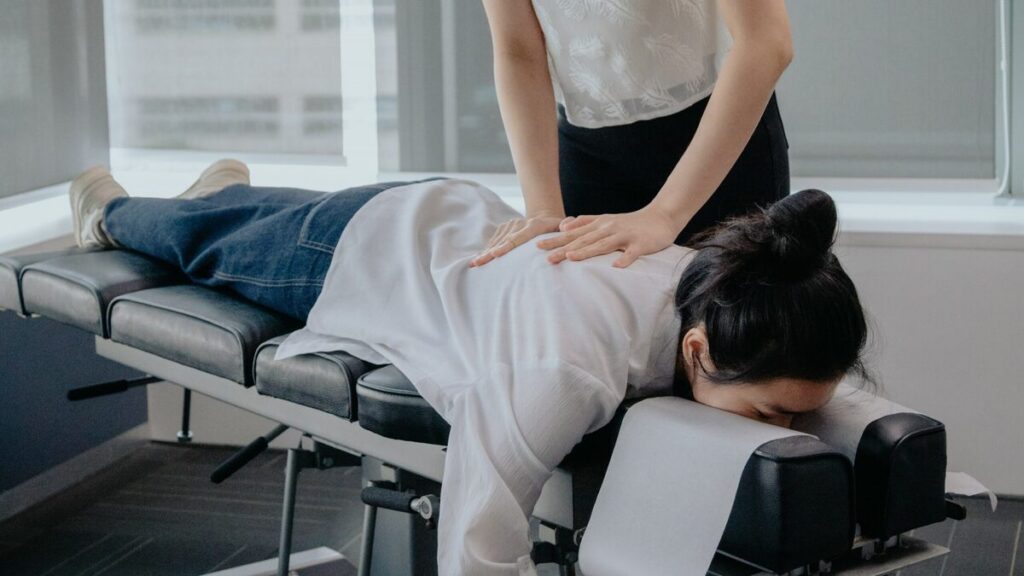

When it comes to recovering from a sports injury, it's important to understand how chiropractic care can play a crucial role in your journey back to optimal performance. As a local chiropractor, I want to emphasize that various therapeutic techniques, such as spinal adjustments and manual therapies, can significantly enhance your healing process.
Chiropractic care focuses not only on the physical aspects of recovery but also on promoting overall wellness. By addressing misalignments and improving your body's function, we can help reduce pain and restore mobility more efficiently. Additionally, incorporating proper nutrition and mental health strategies into your recovery plan can create a holistic healing environment that supports your body's natural ability to heal.
Are you curious about how chiropractic care, nutrition, and mental wellness can work together to facilitate your recovery and prevent future injuries? The insights we can share might just surprise you and open up new avenues for your health journey!
Importance of Recovery in Sports
As a local chiropractor, I want to emphasize that recovery in sports isn't merely an afterthought; it's a vital aspect of enhancing your performance and ensuring your longevity as an athlete. When you push your body to its limits during practice or competition, you may be putting yourself at risk for fatigue, injury, and burnout. By prioritizing recovery, you can recover stronger and better prepare yourself for future challenges.
Many people think of recovery as just resting, but it encompasses a much broader and more strategic approach to managing both your physical and mental well-being. It's crucial to listen to your body; if you're experiencing soreness or fatigue, it's a clear sign that your body needs a break. Ignoring these signals can lead to more severe injuries, which could keep you sidelined for weeks or even months.
Integrating recovery into your routine can significantly enhance your overall performance. Active recovery techniques, such as light exercises or gentle stretching, can improve blood circulation, helping to alleviate muscle soreness and stiffness. As a chiropractor, I can help guide you on proper techniques that support your body's natural healing processes.
Additionally, hydration and nutrition are key components in recovery. By nourishing your body with the right nutrients, you facilitate muscle repair and replenish energy levels.
Don't forget the importance of mental recovery as well. Psychological fatigue can be just as harmful as physical exhaustion. Techniques such as mindfulness and visualization can be beneficial in maintaining your focus and motivation.
Chiropractic care can also play an essential role in your recovery process. Regular adjustments can enhance your body's ability to heal, improve your range of motion, and reduce discomfort. By understanding the importance of recovery and incorporating these practices into your routine, you set yourself up for success in your athletic endeavors.
Overview of Therapy Options
As a local chiropractor dedicated to your healing journey, I want to introduce you to the various therapy options available for recovering from sports injuries. Each approach plays a vital role in helping you regain strength, flexibility, and overall functionality. By understanding these therapies, you can make informed choices that align with your natural healing process.
One effective option is manual therapy, which encompasses techniques such as chiropractic adjustments, massage, and mobilization. These hands-on methods not only alleviate pain but also reduce muscle tension and improve circulation, fostering a healing environment for your body.
Another valuable therapy is cryotherapy, where we apply ice or cold packs to the injured area. This technique helps to minimize swelling and numb pain, making it particularly useful during the initial stages of your recovery.
You may also benefit from electrical stimulation therapy, which involves using electrical currents to stimulate your muscles and nerves. This can aid in pain reduction and promote muscle activation, giving you a boost in your rehabilitation efforts.
Alongside this, ultrasound therapy utilizes sound waves to enhance tissue healing and decrease inflammation, particularly beneficial for soft tissue injuries.
Aquatic therapy is another fantastic option I often recommend. Exercising in water reduces strain on your joints while still providing resistance, which can greatly assist in building strength and increasing flexibility without the risk of further injury.
Lastly, don't overlook the power of cognitive therapies, such as mindfulness and visualization techniques. These practices can significantly enhance your mental resilience during recovery, helping you maintain focus and motivation as you work towards your goals.
Together, these therapies create a comprehensive approach to recovery that aligns with chiropractic care and natural healing principles. I'm here to guide you through your journey and support you every step of the way.
Physical Therapy Techniques
How can chiropractic care and physical therapy techniques enhance your recovery from sports injuries? As a local chiropractor, I want to emphasize that our focus is on restoring your body's strength, flexibility, and functionality, particularly in areas affected by injuries.
By utilizing a variety of natural healing techniques, you can take an active role in your recovery and significantly accelerate the healing process.
One key approach is manual therapy, a hands-on technique that involves the manipulation of muscles and joints. This method can effectively alleviate pain and improve mobility, helping you return to your favorite sport sooner.
Therapeutic exercises are also crucial; these customized workouts are designed to rebuild strength and enhance your range of motion, specifically targeting the areas impacted by your injury.
Ultrasound therapy is another valuable tool in our arsenal. By using sound waves, we can promote tissue healing and reduce inflammation, making it especially useful for soft tissue injuries. This technique stimulates blood flow, which is essential for a faster recovery.
Additionally, we often incorporate electrical stimulation in our treatments. This technique activates muscles and can help relieve pain, giving you a jumpstart on regaining your strength.
It's equally important to include balance and coordination exercises in your recovery plan. These exercises are designed to help you regain stability and ensure that you return to your sport with confidence, minimizing the risk of future injuries.
I encourage you to maintain open communication with your chiropractor about your progress and any concerns you may have. We can tailor your treatment plan to meet your specific needs, ensuring that you achieve the best recovery possible.
Benefits of Cryotherapy
As a local chiropractor, I want to share with you the incredible benefits of cryotherapy, especially if you're unfamiliar with natural healing methods.
This therapy can truly transform your recovery process. It works by significantly reducing inflammation and pain, which can be a constant barrier to feeling your best.
Moreover, cryotherapy is known to accelerate muscle recovery, allowing you to return to your daily activities or athletic pursuits much quicker.
If you're exploring effective ways to enhance your healing journey, I encourage you to consider cryotherapy as part of a holistic approach to wellness.
It's a powerful tool that can complement chiropractic care and other natural healing practices, helping you achieve optimal health and well-being.
Reduces Inflammation and Pain
As a local chiropractor, I understand that inflammation and pain can be significant hurdles for athletes recovering from injuries. One effective and natural approach I often recommend is cryotherapy. This method involves exposing your body to extremely cold temperatures, which helps to constrict blood vessels and reduce blood flow to areas that are inflamed.
By doing so, cryotherapy can effectively lower inflammation, leading to a decrease in pain and discomfort during your recovery process.
What's great about cryotherapy is that it goes beyond merely numbing the pain; it addresses the underlying causes of your discomfort. The cold treatment stimulates your body's natural healing processes, promoting the release of endorphins—your body's own natural painkillers.
After a cryotherapy session, many patients report feeling more comfortable and ready to engage in rehabilitation exercises.
Furthermore, cryotherapy can significantly shorten your recovery time by managing pain levels effectively. With reduced discomfort, you're more likely to adhere to your recovery plan, keeping you on track to return to your sport.
However, it's important to consult with a healthcare professional, like myself, to tailor the best approach for your specific injury and recovery objectives. By embracing cryotherapy, you could experience a remarkable improvement in how you feel as you work towards getting back in the game.
Accelerates Muscle Recovery Process
As a local chiropractor, I want to help you understand the importance of natural healing in recovering from sports injuries. Recovery isn't just about managing pain; it's essential to ensure your muscles heal efficiently.
One powerful method I often recommend is cryotherapy, which can significantly accelerate your recovery process and help you return to your favorite activities sooner.
Cryotherapy involves exposing your body to extreme cold, which can work wonders for your muscle recovery. Here's how it can benefit you:
- Increases Blood Flow: Initially, the cold constricts blood vessels, but once you warm up, it leads to a surge in blood flow. This increased circulation delivers vital nutrients to your muscles, promoting healing.
- Reduces Muscle Soreness: Cryotherapy helps minimize delayed onset muscle soreness (DOMS), which many experience after intense workouts or injuries. This means less discomfort and a more pleasant recovery experience.
- Enhances Recovery Time: With cryotherapy, you'll likely notice that you bounce back from workouts or injuries more quickly, allowing you to engage in more effective training without prolonged downtime.
- Improves Flexibility: Regular cryotherapy sessions can help maintain and even improve your muscle flexibility, which is crucial for overall performance.
- Boosts Endurance: By enhancing your recovery time, cryotherapy can lead to better performance in your activities, allowing you to push your limits while minimizing the risk of overtraining.
Incorporating cryotherapy into your recovery regimen can be a transformative addition to your healing journey.
It allows you to focus on rebuilding strength and getting back to peak performance naturally. If you have any questions about how cryotherapy or chiropractic care can benefit you, feel free to ask during your next visit!
Role of Acupuncture
As a local chiropractor, I want to emphasize the significant role that acupuncture can play in your sports injury recovery. When you're faced with an injury, it's essential to consider a range of methods to enhance your healing process, and acupuncture is a powerful tool that can make a difference. This ancient practice involves the insertion of thin needles into specific points on your body, which stimulates the flow of energy and helps restore balance.
Many athletes have reported that acupuncture alleviates pain and accelerates recovery, allowing them to get back to their sport more quickly. By enhancing blood circulation, acupuncture aids in delivering vital nutrients to the injured areas, which is crucial for tissue repair. You may also experience a reduction in inflammation, a key factor in easing discomfort and improving your mobility.
Furthermore, acupuncture promotes the release of endorphins, your body's natural pain relievers, making the recovery process much more manageable.
In addition to its physical benefits, incorporating acupuncture into your recovery routine can significantly enhance your mental well-being. The calming experience of the treatment can help reduce the anxiety and stress that often accompany injuries, providing a holistic approach to healing. You'll likely notice an improvement in your overall mood, which is just as vital as your physical recovery.
As you explore your recovery options, I encourage you to consider how acupuncture may fit into your personalized treatment plan. Consulting with a qualified acupuncturist who understands sports injuries can lead to tailored treatments that maximize your recovery potential.
Embracing this complementary therapy mightn't only help you heal faster but also enhance your performance once you're back in action. Remember, your journey to wellness is a collaborative effort, and I'm here to support you every step of the way.
Massage Therapy for Athletes
As a local chiropractor, I want to share the incredible benefits of massage therapy for athletes looking to boost their performance and aid in recovery from injuries.
If you're unfamiliar with chiropractic care and natural healing, you may not realize how essential massage can be in enhancing your overall physical condition.
Incorporating massage therapy into your wellness routine can lead to significant improvements. Here are some key benefits that align with your athletic needs:
- Reduced Muscle Tension: Regular massage therapy alleviates tightness in the muscles, allowing you to perform at your optimal level.
- Improved Recovery Time: By promoting increased blood flow, massage accelerates the healing of injured tissues, facilitating a quicker return to your sport.
- Enhanced Range of Motion: Consistent massage sessions can increase flexibility, which is crucial for better performance in both training and competitions.
- Stress Relief: The calming effects of massage therapy help lower anxiety and mental stress, improving your focus during high-pressure situations.
- Injury Prevention: Addressing muscle imbalances and tightness through massage can significantly reduce the risk of future injuries.
Integrating massage therapy into your routine isn't solely focused on recovery; it's also about maintaining optimal performance levels.
I recommend seeking out a qualified massage therapist who understands sports injuries to customize your sessions based on your individual needs.
With regular treatment, you can unlock your full athletic potential while ensuring your body remains healthy and resilient.
Utilizing Electrical Stimulation
Have you thought about how electrical stimulation can significantly enhance your recovery journey? As a local chiropractor, I want to introduce you to a therapy known as neuromuscular electrical stimulation (NMES), which can be a vital part of your rehabilitation process. This technique works by sending electrical impulses to your muscles, prompting them to contract. This action not only helps promote healing but also improves overall muscle function.
If you're facing an injury, electrical stimulation can aid in reducing inflammation, alleviating pain, and preventing muscle atrophy. When you incorporate electrical stimulation into your recovery, you're not merely waiting for your body to heal; you're actively engaging your muscles in a safe and controlled manner.
This approach can be especially beneficial if you're sidelined due to an injury and unable to perform your usual physical activities. The stimulation can help maintain your strength and endurance during your recovery period. You may be curious about how often to incorporate this therapy into your routine. Many athletes and patients find that a few sessions each week can lead to impressive results.
It's essential to collaborate with a qualified therapist or chiropractor who can tailor the settings and protocols to meet your specific needs. They can guide you in integrating electrical stimulation into your overall recovery plan effectively.
By adding electrical stimulation to your rehabilitation regimen, you can notably reduce your downtime and return to your activities even stronger. Whether you're recovering from a sprain, strain, or surgery, this therapy can be a game-changer.
Nutrition's Impact on Recovery
As a local chiropractor, I want to emphasize the importance of nutrition in your recovery journey, alongside therapies like electrical stimulation. Many patients may not realize that what you eat plays a vital role in how your body heals. By making informed dietary choices, you can enhance your body's natural healing abilities and speed up your recovery process.
Nutrition provides essential nutrients that your body needs to repair tissues, reduce inflammation, and support your immune system. I encourage you to adopt a balanced diet that includes the right mix of macronutrients and micronutrients. Here are some key components to consider:
- Protein: This is crucial for muscle repair and growth. Try to include lean meats, legumes, and dairy products in your meals.
- Healthy fats: Incorporating Omega-3 fatty acids can help reduce inflammation. Look for sources like fatty fish, flaxseeds, and walnuts.
- Vitamins and minerals: Nutrients such as Vitamin C and zinc are vital for effective wound healing. Make sure to include a variety of fruits, vegetables, and whole grains in your diet.
- Hydration: Staying well-hydrated is essential for maintaining cellular function and transporting nutrients throughout your body. Remember to drink plenty of water and consider electrolyte-rich beverages to support your recovery.
- Antioxidants: Foods high in antioxidants can help fight oxidative stress, which can hinder your healing process. You can find these in berries, dark chocolate, and green leafy vegetables.
By focusing on these nutritional components, you can complement the chiropractic care I provide and support your body's natural recovery processes.
Let's work together to promote your health and well-being!
Mental Health and Rehabilitation
Injuries can significantly impact your mental health, influencing aspects like your mood and motivation levels. As a chiropractor, I understand that building mental resilience is crucial for a successful recovery. This resilience not only helps you stay focused on your healing goals but also enhances your overall well-being.
Let's delve into some natural techniques for emotional support that can be beneficial during this challenging journey.
In chiropractic care, we emphasize the connection between the body and mind. Techniques such as gentle adjustments can help alleviate physical pain, which in turn can reduce stress and anxiety.
Additionally, practices like mindful breathing and relaxation exercises can support your emotional state, fostering a positive mindset as you heal.
Psychological Impact of Injuries
How do you cope when a sports injury sidelines you? As a chiropractor, I want to emphasize that the psychological impact of an injury can be just as challenging as the physical pain. It's common to feel frustration, anxiety, or even depression as you adjust to your new circumstances.
It's vital to recognize these emotions and understand that they're completely valid.
Here are some strategies to help you navigate this difficult time:
- Stay connected: I encourage you to reach out to friends, family, or teammates. Sharing your feelings can help lighten the emotional burden and foster a support network around you.
- Set small goals: Focus on achievable daily targets, whether it's regaining mobility through gentle movements or engaging in mental training exercises. This can provide a sense of accomplishment.
- Practice mindfulness: Techniques such as meditation and deep-breathing exercises can be incredibly effective in reducing stress and enhancing your mood during recovery.
- Engage in rehab: Participate actively in your rehabilitation process. At our clinic, we emphasize the importance of feeling in control of your healing journey. This proactive involvement can significantly boost your confidence and overall outlook.
- Seek professional help: If you're finding it difficult to cope, consider talking to a sports psychologist or a mental health professional. They can offer you valuable support and coping strategies tailored to your needs.
Remember, chiropractic care isn't just about addressing physical injuries; it also plays a vital role in your overall well-being and recovery process.
Together, we can work towards a healthier, more balanced you.
Importance of Mental Resilience
As a local chiropractor, I want to emphasize the critical role that mental resilience plays in your recovery journey, especially when dealing with rehabilitation after an injury. Many of my patients encounter physical pain, frustration, and uncertainty, which can be overwhelming.
However, developing mental toughness is key to navigating these challenges effectively. A positive mindset isn't just beneficial; it's essential for healing both your body and mind.
When you cultivate mental resilience, you become more adept at handling setbacks. Rather than feeling discouraged by a minor bump in the road during your recovery, you can learn to see it as a temporary hurdle. This change in perspective can significantly enhance your motivation and commitment to your rehabilitation program.
Moreover, mental resilience can improve your focus during therapy sessions. When you approach your chiropractic care with a strong mindset, you're more likely to push through discomfort and engage fully in your exercises.
This active participation is crucial for a successful recovery. Remember, your mental state can have a direct impact on your physical healing, and we're here to support you in both aspects of your wellness journey.
Techniques for Emotional Support
As a local chiropractor, I want to emphasize the importance of emotional support as part of your healing journey. While many people associate chiropractic care with physical alignment and pain relief, emotional well-being plays a crucial role in recovery.
Here are some effective techniques you can incorporate into your rehabilitation process to enhance your overall wellness:
- Consult a Professional: Just as you'd seek my help for physical discomfort, talking to a therapist can provide valuable insights into your emotional health. They can guide you through your feelings and equip you with coping strategies.
- Join a Community: Engaging with support groups allows you to connect with others who understand what you're going through. Sharing experiences can foster comfort and a sense of belonging, which are vital for emotional healing.
- Practice Mindfulness and Meditation: These practices can help reduce anxiety and improve your mental clarity. When your mind is clear, it allows your body to focus better on the healing process, making chiropractic adjustments more effective.
- Engage in Positive Self-Talk: Just as we aim to correct physical misalignments, it's important to address negative thought patterns. Replacing them with positive affirmations can significantly boost your confidence and motivation in recovery.
- Establish a Daily Routine: Creating a consistent schedule can provide structure and a sense of control, which is especially beneficial during challenging times. Routine can be grounding and help you stay focused on your healing path.
By integrating these emotional support techniques alongside your chiropractic care, you can better navigate the challenges of recovery.
Preventing Future Injuries
As a local chiropractor, I want to emphasize the importance of preventing future injuries for those of you who are active in sports or exercise. Maintaining peak performance and extending your athletic career requires a proactive approach to injury prevention.
One of the first steps you can take is to incorporate a well-structured warm-up routine before any physical activity. This practice not only increases blood flow to your muscles but also enhances flexibility, making your body more resilient during intense workouts or games.
Strength training plays a vital role in injury prevention as well. It's essential to focus on strengthening the muscles that support your joints. For example, if you enjoy running, targeting your hips and core can significantly reduce the risk of knee injuries.
Additionally, incorporating balance and coordination exercises into your routine is crucial for improving your overall stability.
Proper technique is paramount in any sport, whether it's basketball, soccer, or another activity. Always strive to use the correct form to prevent unnecessary strain. If you're unsure about your technique, seeking guidance from a coach or a physiotherapist can be incredibly beneficial in refining your skills.
Equally important are recovery days. Listening to your body and allowing adequate time for rest and recovery is vital. Overuse injuries can easily occur when you push yourself too hard without giving your body a chance to recuperate.
Lastly, I encourage you to consider cross-training. Engaging in various sports or activities can help you strengthen different muscle groups while minimizing the risk of repetitive strain injuries.
By following these guidelines, not only will you enhance your athletic performance, but you'll also significantly reduce the likelihood of future injuries, allowing you to stay active and enjoy your favorite activities longer.
Conclusion
As a local chiropractor, I want to share with you how incorporating various therapy options can significantly enhance your recovery from sports injuries. Embracing chiropractic care alongside physical therapy, cryotherapy, acupuncture, and proper nutritional support can not only expedite your healing process but also improve your overall athletic performance.
It's essential to recognize the mental aspect of recovery as well—practicing mindfulness can keep you focused and motivated during your healing journey. By prioritizing these holistic strategies, you set yourself up for a stronger comeback, while also reducing the risk of future injuries. My goal is to help you understand how natural healing methods can prepare you for your next challenge and keep you at the top of your game.