
When you face a sports injury, knowing your treatment options can make all the difference in your recovery. You might think of traditional methods, like the R.I.C.E. technique, but there are also innovative therapies that could enhance your healing process. From physical therapy to alternative approaches, each option has its own benefits and considerations. Understanding these can help you make informed decisions about your recovery. So, what are the most effective strategies to guarantee you not only heal but also come back stronger? Let's explore that further.
Common Sports Injuries
When you think about sports injuries, a few common ones likely come to mind, like sprains, strains, and fractures. These injuries are prevalent among athletes and can occur in various sports, whether you're playing basketball, soccer, or running.
Sprains happen when you stretch or tear a ligament, the tissue connecting bones at a joint. They often occur in the ankle, knee, or wrist, and you might experience swelling, bruising, and pain during movement.
Strains, on the other hand, involve muscles or tendons, which connect muscles to bones. You might feel a strain in your hamstring or back, leading to muscle spasms and limited mobility.
Fractures are another common injury, where a bone breaks due to high-impact stress or falls. You may notice severe pain, swelling, and difficulty using the affected limb.
Stress fractures are a specific type that develops gradually, often due to overuse, particularly in runners.
Tendinitis, though less talked about, is also common. It occurs when tendons become inflamed, often in the shoulder, elbow, or knee, causing pain and stiffness.
Finally, concussions are important to mention. They result from a blow to the head and can lead to headaches, confusion, and balance issues.
Recognizing these common injuries is essential for any athlete. Understanding what you're dealing with can help you make informed choices about treatment and recovery.
Importance of Early Treatment
Early treatment of sports injuries is essential for a swift recovery and to prevent further complications. When you sustain an injury, your body starts a healing process, but delaying treatment can lead to increased pain, prolonged downtime, and even chronic issues. By addressing your injury promptly, you can greatly reduce the risk of long-term damage and get back to your favorite activities sooner.
You might be tempted to wait and see if the pain subsides, but this can often worsen the situation. For instance, ignoring a sprain might lead to instability in the joint, making it susceptible to re-injury. Seeking immediate care allows you to properly assess the injury and implement a treatment plan tailored to your needs. This may include rest, ice, compression, and elevation—commonly known as RICE.
Additionally, early treatment can help manage pain effectively. If you treat your injury right away, you're more likely to minimize discomfort and maintain mobility. This proactive approach can also shorten your overall recovery time, allowing you to resume your training or competition with confidence.
Moreover, getting professional advice early on can help you understand the severity of your injury. Knowledge is power, and knowing what you're dealing with can aid in making informed decisions about your recovery.
In short, prioritizing early treatment sets the stage for a complete recovery and helps you stay in the game. Don't ignore that injury—take action now for a healthier, stronger future.
Traditional Treatment Methods
Many athletes turn to traditional treatment methods when dealing with sports injuries, as these approaches have been proven effective over time. Commonly utilized treatments include rest, ice, compression, and elevation—often referred to as the R.I.C.E. method. This method helps reduce swelling and promotes healing, enabling you to return to your sport faster.
In addition to R.I.C.E., over-the-counter pain relievers like ibuprofen or acetaminophen can help manage pain and inflammation. It's essential to follow the recommended dosages and consult a healthcare professional if you're unsure about taking any medication.
Sometimes, your doctor might suggest a stronger prescription if your pain is severe.
For injuries that don't respond to these initial treatments, your physician may recommend further interventions. These could include corticosteroid injections, which can greatly reduce inflammation and pain in specific areas. However, it's important to discuss the potential risks and benefits with your doctor.
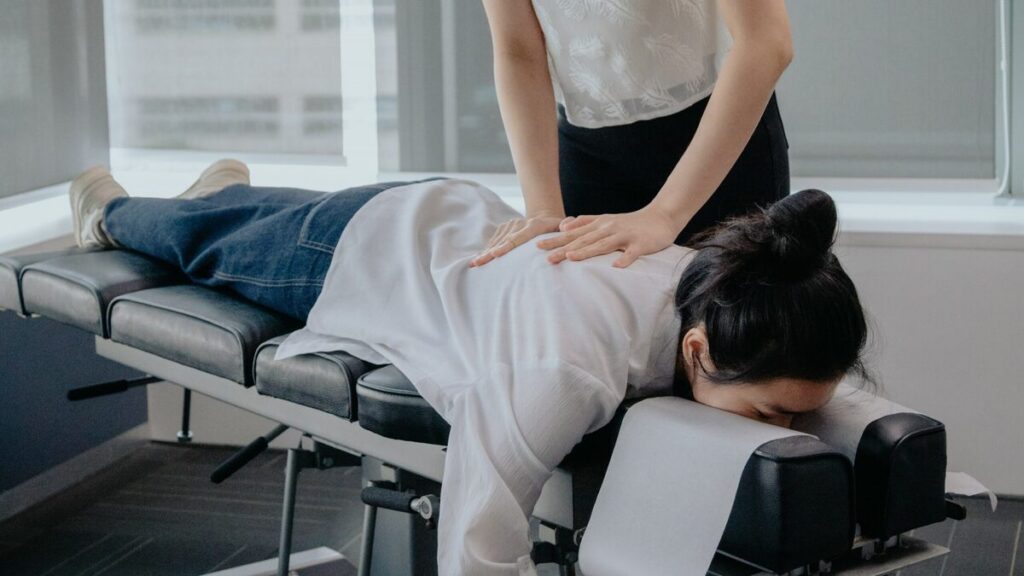
Another traditional method involves physical manipulation, such as chiropractic adjustments or osteopathic treatments, which aim to restore proper alignment and function to your body.
These methods can enhance your overall recovery process, but be sure to choose a qualified practitioner.
Physical Therapy Benefits
When you're recovering from a sports injury, physical therapy can be a game-changer.
It not only helps speed up your recovery time but also offers effective pain management techniques.
Plus, you'll see improvements in your strength and flexibility, making it easier to get back to the activities you love.
Enhanced Recovery Time
How can physical therapy considerably shorten your recovery time after a sports injury? By engaging in a tailored physical therapy program, you can enhance your healing process and regain strength more efficiently.
Physical therapists assess your specific injury and design a personalized plan that targets your recovery needs. Through guided exercises, you'll improve flexibility, strength, and balance, which are essential for returning to your sport.
The hands-on techniques therapists use, like manual therapy, can stimulate blood flow to the affected area, promoting quicker healing. You'll also learn proper techniques to avoid re-injury, ensuring your future performance is safe and effective.
Additionally, physical therapy helps you maintain your fitness levels while recovering. By focusing on the non-injured areas of your body, you can stay active and reduce the risk of muscle atrophy.
This holistic approach not only speeds up your recovery but also prepares you for a successful return to your sport. Incorporating regular sessions into your routine can lead to faster results, keeping you motivated and on track towards recovery.
Pain Management Techniques
Pain can be a significant barrier to recovery after a sports injury, but physical therapy offers effective techniques to manage it. One of the first steps in your pain management journey is a thorough assessment by a physical therapist. They'll identify the source of your pain and tailor a treatment plan specifically for you.
Manual therapy is one technique you might experience. Through hands-on manipulation, your therapist can relieve tension in muscles and joints, reducing pain and improving mobility.
Additionally, modalities like ice, heat, or ultrasound can help alleviate discomfort, easing inflammation and promoting healing.
You might also engage in specific exercises that focus on pain relief. Stretching and strengthening exercises, guided by your therapist, can improve your range of motion and decrease pain over time.
Education about your condition is another essential aspect of physical therapy; understanding your injury can empower you to manage pain effectively.
Finally, your therapist may teach you breathing techniques and relaxation strategies to help cope with pain. By incorporating these pain management techniques, you'll take a proactive approach toward recovery, setting the stage for a successful return to your sport.
Improved Strength and Flexibility
Improving strength and flexibility is a cornerstone of physical therapy that can greatly enhance your recovery from sports injuries. When you engage in targeted exercises, you're not just healing; you're building a stronger, more resilient body. Strengthening your muscles can help stabilize joints, reducing the risk of future injuries.
Flexibility is equally important, as it allows for a greater range of motion, improving your overall performance. When you stretch and strengthen your muscles, you increase blood flow, which aids in recovery and reduces stiffness.
You'll find that a well-structured physical therapy program can help you regain your pre-injury capabilities, allowing you to return to your sport with confidence.
Incorporating strength and flexibility exercises into your routine can also enhance your balance and coordination, crucial components in any athletic endeavor. You'll notice improvements not just in your physical abilities but also in your mental resilience.
With the right guidance from a physical therapist, you can create a personalized plan that fits your needs. Remember, investing in your strength and flexibility today pays off in your performance tomorrow. Don't underestimate the power of physical therapy in your recovery journey!
Alternative Therapies
When dealing with sports injuries, you might want to explore alternative therapies that can complement traditional treatments.
Acupuncture, massage therapy, and chiropractic adjustments are popular options that many athletes find effective for pain relief and recovery.
Let's take a closer look at how these therapies can benefit you.
Acupuncture for Pain Relief
Acupuncture offers a unique approach to managing sports-related pain, tapping into the body's natural healing mechanisms. By inserting fine needles into specific points, you can stimulate your body's energy flow, known as "qi." This technique may help reduce inflammation and enhance your overall recovery process, making it an appealing option for athletes like you.
When you're dealing with pain from injuries, acupuncture can provide relief by promoting the release of endorphins, your body's natural painkillers. You might find that sessions help alleviate muscle tension, improve circulation, and boost your range of motion.
Many athletes report feeling a sense of relaxation and well-being after treatment. It's important to work with a qualified practitioner who understands sports injuries and can tailor the treatment to your specific needs.
Regular sessions can be particularly beneficial during your recovery phase, allowing you to return to your sport more quickly and safely. If you're considering alternative therapies, acupuncture can be a valuable addition to your pain management toolkit.
It's non-invasive, has minimal side effects, and may complement other treatments you're already using, ensuring a holistic approach to your recovery.
Massage Therapy Benefits
Massage therapy often complements other treatment options for sports injuries, providing numerous benefits that promote healing and recovery. When you incorporate massage into your rehabilitation routine, you might experience reduced muscle tension and improved flexibility. This can enhance your overall performance and help prevent future injuries.
One major advantage of massage therapy is its ability to boost circulation. Increased blood flow delivers essential nutrients and oxygen to injured areas, speeding up the healing process. Furthermore, it can help in reducing inflammation and swelling, allowing you to return to your activities sooner.
It's also worth noting the positive impact massage has on mental well-being. The relaxation you gain from a massage can alleviate stress and anxiety, which are common after sustaining an injury. This mental clarity can motivate you to stick to your recovery plan.
Additionally, massage can ease pain and discomfort, making it easier for you to engage in rehabilitation exercises. As you continue your journey to recovery, consider adding massage therapy to your treatment regimen. You may find that it not only aids in healing but also enhances your overall athletic performance.
Chiropractic Adjustments Effectiveness
Chiropractic adjustments can play a significant role in your recovery from sports injuries by aligning your spine and improving your overall mobility. These adjustments help reduce pain, enhance circulation, and promote the healing process, allowing you to get back to your favorite activities faster.
When you experience a sports injury, misalignments in your spine or joints can contribute to discomfort and hinder your performance. Chiropractors use specific techniques to realign these structures, which can relieve pressure on nerves and improve function.
By addressing these issues, you may notice a decrease in pain and an increase in your range of motion.
Incorporating chiropractic care into your recovery plan can also complement other treatments like physical therapy. Together, they can work to strengthen your muscles and enhance stability, further minimizing the risk of re-injury.
If you're considering chiropractic adjustments, consult with a qualified professional who specializes in sports injuries. They'll evaluate your condition and develop a tailored approach that meets your needs.
Innovative Approaches
In the domain of sports injuries, innovative approaches are revolutionizing recovery and performance. You might find yourself intrigued by the latest advancements that blend technology with traditional treatment methods.
For instance, cryotherapy is gaining traction among athletes seeking quick relief from pain and inflammation. By exposing your body to extremely cold temperatures, you can reduce swelling and expedite healing, making it a popular choice for post-training recovery.
Another exciting development is the use of platelet-rich plasma (PRP) therapy. This technique involves drawing your blood, processing it to concentrate platelets, and injecting it into the injured area. The growth factors in the PRP can accelerate tissue repair, providing a natural and effective treatment option that minimizes downtime.
If you're looking for a more immediate, hands-on approach, consider the benefits of regenerative medicine techniques like stem cell therapy. By utilizing your body's own stem cells, these therapies promote healing at a cellular level. While still emerging, they show promise in treating chronic injuries that don't respond to conventional methods.
Don't overlook the advancements in wearable technology either. Devices that monitor biomechanics and body movements can provide real-time feedback, helping you adjust your technique and prevent future injuries.
Role of Nutrition in Recovery
Proper nutrition plays an essential role in your recovery from sports injuries. When you're injured, your body needs the right fuel to heal effectively. A balanced diet rich in protein, healthy fats, and carbohydrates can greatly impact your recovery process.
Protein, for instance, helps repair damaged tissues and build muscle strength. Incorporating lean meats, fish, eggs, and legumes into your meals can provide your body with the necessary amino acids it requires.
Carbohydrates are equally important, as they supply the energy needed for your body to function at its best during recovery. Whole grains, fruits, and vegetables not only give you energy but also supply essential vitamins and minerals that support immune function.
When you're recovering from an injury, your immune system can be compromised, so keeping it strong is essential.
Healthy fats, like those found in avocados, nuts, and olive oil, help reduce inflammation, which can speed up healing. Staying hydrated is another important aspect; water helps transport nutrients throughout your body and aids in the regeneration of tissues.
Don't overlook the importance of micronutrients. Vitamins C and D, along with minerals like zinc, play key roles in collagen formation and immune health.
If you're uncertain about your nutritional needs, consider consulting a registered dietitian. They can help tailor a meal plan to meet your specific recovery requirements.
Preventing Future Injuries
Taking proactive steps can greatly reduce your risk of future sports injuries. First, focus on proper warm-up and cool-down routines. Before you hit the field, make sure to engage in dynamic stretches that increase your heart rate and loosen your muscles.
Similarly, after your activity, spend time on static stretches to help your body recover and maintain flexibility.
Next, pay attention to your technique. Whether you're running, jumping, or throwing, using proper form can considerably lessen stress on your joints and muscles.
Consider working with a coach or trainer who can provide feedback and guide you in mastering the right techniques.
Incorporating strength training into your routine is also key. Building strength in the muscles surrounding your joints helps stabilize them and can prevent injuries.
Focus on exercises that enhance your core, legs, and upper body, as they play critical roles in overall athletic performance.
Don't forget the importance of rest. Overtraining can lead to fatigue, which increases your risk of injury.
Schedule regular rest days to allow your body to recover fully.
Finally, listen to your body. If you feel pain or discomfort, don't push through it.
Address any issues early to avoid long-term problems.
Conclusion
Injuries can sideline you, but exploring treatment options is key to a swift recovery. By understanding common injuries and prioritizing early intervention, you can enhance your healing process. Embrace traditional methods like R.I.C.E. and pain relievers, while also considering physical therapy and alternative therapies for added benefits. Don't forget the role of nutrition in your recovery journey. By taking these steps, you'll not only bounce back faster but also reduce the risk of future injuries.