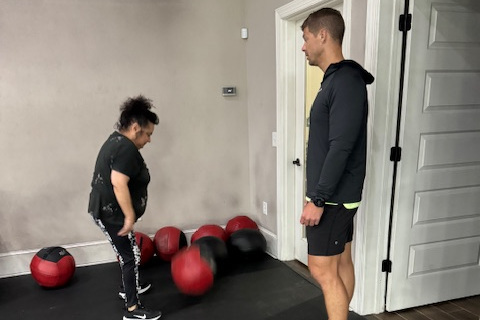

As a local chiropractor, I often see patients who are struggling with neck pain and the impact it has on their everyday lives. It's important to understand that you don't always have to rely on medication or invasive treatments to find relief. Instead, gentle techniques can provide significant benefits and support your healing process.
Consider methods like soft tissue massage, which can alleviate tension and improve circulation in the neck area. Gentle stretching is another valuable practice that can help improve your flexibility and range of motion, making day-to-day activities easier and more comfortable. Additionally, integrating mindfulness practices into your routine can help you manage stress and enhance your overall well-being.
So, what specific techniques can you incorporate to effectively manage your neck injury? Let's delve into a few options that may just transform your recovery journey and help you regain control over your health. Remember, chiropractic care focuses on natural healing, and I'm here to guide you every step of the way.
Understanding Neck Injuries
As a chiropractor, I want to help you understand neck injuries and how they can impact your daily life. Many patients come to me after experiencing neck pain due to various reasons, including car accidents, sports injuries, or even the result of poor posture from sitting at a desk for long periods.
It's essential to recognize that these injuries can arise from both sudden impacts and repetitive strains from our everyday activities.
When it comes to neck injuries, common symptoms include stiffness, a limited range of motion, and ongoing pain that may extend down into your arms. Additionally, you might experience headaches, tingling sensations, or numbness, which can indicate that nerves are affected.
Being aware of these signs is crucial, as they can help you gauge the seriousness of your situation and understand when it might be time to seek professional help.
Neck injuries can vary widely in severity, from mild strains and sprains to more serious conditions like herniated discs or whiplash. For instance, following a car accident, the sudden jerking motion can cause significant trauma, stretching your muscles and ligaments beyond their normal limits.
Conversely, long-term problems can develop from repetitive motions, such as constantly looking down at your phone or computer.
As your chiropractor, I believe understanding these factors is essential for your recovery journey. By identifying your specific situation, we can work together to create a personalized treatment plan that promotes healing and prevents further injury.
Importance of Gentle Techniques
As a local chiropractor, I want to emphasize the importance of using gentle techniques when addressing neck injuries.
These methods are designed to promote natural healing, and they can significantly ease discomfort while minimizing strain on the affected area.
By embracing a softer, more compassionate approach, we can facilitate a more effective recovery process for your neck.
It's essential to understand that healing doesn't always have to be aggressive; often, gentler techniques can lead to better outcomes and a more comfortable experience overall.
If you have any questions about how these methods work, I'm here to help guide you on your journey to wellness.
Promoting Healing Naturally
As a local chiropractor, I want to emphasize the importance of a gentle and natural approach to healing from neck injuries. It's crucial to respect your body's inherent ability to heal itself. By adopting gentle techniques, you can't only alleviate discomfort but also facilitate the overall healing process.
Your body is incredibly resilient, and methods such as gentle stretching, soft tissue massage, and mindfulness practices can significantly enhance your recovery. These techniques promote better blood circulation, which is vital for delivering nutrients to the damaged tissues in your neck.
Incorporating activities like yoga or tai chi into your routine can provide relief while simultaneously improving your flexibility and strength. These practices encourage you to tune in to your body's signals, ensuring you maintain a balanced approach without overexerting yourself.
Additionally, I can't stress enough the importance of mental well-being in your healing journey. Techniques such as deep breathing exercises or meditation can help reduce stress, allowing your body to focus on repairing itself rather than remaining in a state of tension.
Reducing Strain Effectively
As a local chiropractor, I want to emphasize the importance of reducing strain on your neck for a smooth recovery from injuries and to maintain overall well-being. When you minimize tension in this area, you not only promote healing but also prevent potential complications down the line.
One of the first steps is to be conscious of your posture throughout your daily activities. Whether you're sitting at a desk, using your phone, or engaging in other tasks, keeping your neck aligned with your spine can significantly reduce strain. This simple adjustment can make a big difference in how your neck feels over time.
Incorporating gentle stretches into your routine is another effective way to alleviate tension. Movements like tilting your head side to side or gently rotating it can enhance flexibility without overworking your muscles. Always pay attention to your body—if you feel pain during any movement, it's important to ease off and not push through discomfort.
When it comes to sleep, supportive pillows can be a game-changer. They help maintain proper alignment of your neck and spine, reducing pressure and discomfort while you rest. Additionally, using heat or cold packs can provide relief and promote relaxation in your neck muscles.
Lastly, remember to take regular breaks during activities that require you to hold your neck in one position for an extended time. Standing up, moving around, or adjusting your workspace can significantly alleviate strain.
Gentle Stretching Exercises
As a local chiropractor, I want to share how gentle stretching exercises can play a crucial role in your recovery from neck injuries. Many patients are often unaware of the benefits these simple movements can provide.
Incorporating neck flexion stretches, lateral neck tilts, and shoulder shrugs and rolls into your routine can significantly relieve tension and enhance mobility.
These stretches are designed to ease discomfort and promote healing naturally. By gently moving your neck and shoulders, you can help restore flexibility and reduce pain.
It's important to listen to your body and perform these exercises at your own pace. Remember, taking care of your neck is vital for overall health, and I encourage you to explore these stretches as part of your healing journey.
I'm here to guide you through the process and ensure you feel your best.
Neck Flexion Stretches
As your local chiropractor, I want to share some gentle neck flexion stretches that can help release tension and provide immediate relief from discomfort.
These stretches are designed to focus on the forward bending movement of your neck, which can alleviate tightness and improve overall flexibility.
To begin, find a comfortable position—whether sitting or standing. Slowly lower your chin toward your chest, and you should feel a gentle stretch along the back of your neck. Hold this position for about 15 to 30 seconds, and remember to breathe deeply; this will help enhance relaxation and promote a sense of calm.
Next, I recommend gently rolling your head in a circular motion. Start by moving clockwise for a few rotations, then switch to counterclockwise. This simple movement increases blood flow to the area and encourages flexibility, which is crucial for maintaining a healthy neck.
After that, return to the chin-to-chest position. This time, try to touch your chest with your chin while keeping your shoulders relaxed. It's important to maintain this relaxed posture to avoid any unnecessary strain.
For added benefit, you can incorporate gentle resistance into your routine. Place your hands on your forehead and lightly push against them as you attempt to bring your chin down. Hold this position for a few seconds before releasing. This technique can enhance the effectiveness of the stretch and promote greater flexibility over time.
Remember, these neck flexion stretches not only provide immediate relief but also support long-term health and flexibility in your neck.
Always listen to your body—you should never push into pain. If you have any questions or need further guidance, please don't hesitate to reach out. Your well-being is my priority!
Lateral Neck Tilts
As a local chiropractor, I want to share with you the benefits of lateral neck tilts, which are excellent for enhancing flexibility and relieving tension in your neck.
These gentle stretches can significantly support your muscle health and improve your overall range of motion. Here's how you can perform lateral neck tilts effectively:
- Start Position: Find a comfortable seated or standing position, ensuring that your back is straight and your shoulders are relaxed. This posture is crucial for maximizing the effectiveness of the stretch.
- Tilt Your Head: Begin by slowly leaning your right ear toward your right shoulder. It's important to allow your shoulder to relax down instead of trying to raise it. This will help you feel a gentle stretch along the opposite side of your neck.
- Hold the Stretch: Maintain this position for 15-30 seconds. Focus on the feeling of the stretch along the left side of your neck and remember to breathe deeply. This deep breathing will aid in relaxation and enhance the stretch's benefits.
- Switch Sides: Return to your starting position and then repeat the tilt to the left side for another 15-30 seconds.
Remember, the key to these stretches is to move slowly and gently. Avoid any sudden movements, and if you experience pain at any point, please stop the exercise.
Incorporating lateral neck tilts into your daily routine can help alleviate discomfort and promote lasting flexibility in your neck. As your chiropractor, I encourage you to consider these simple stretches as part of a holistic approach to improving your neck mobility and overall comfort.
Shoulder Shrugs and Rolls
As a local chiropractor, I want to emphasize the importance of taking care of your neck and shoulder health, especially if you're experiencing strain or discomfort in those areas. One effective way to do this is by incorporating exercises like shoulder shrugs and rolls into your daily routine. These gentle movements can significantly relieve tension and improve mobility.
To start with shoulder shrugs, find a comfortable position, either standing or sitting. Take a deep breath in as you lift your shoulders up towards your ears, holding that position for a moment. Then, exhale as you let your shoulders drop back down. Aim to repeat this 5 to 10 times, focusing on how relaxed your shoulders feel as they lower.
Next, let's talk about shoulder rolls. Begin by rolling your shoulders forward in a smooth, circular motion. It's important to keep your movements controlled and fluid. After completing 5 to 10 rolls in this direction, switch it up and roll your shoulders backwards. This exercise not only helps to loosen tight muscles but also promotes better blood circulation in the area.
By incorporating shoulder shrugs and rolls into your daily life, you can alleviate tension, improve flexibility, and support your overall well-being. Always listen to your body and adjust the movements to what feels comfortable for you.
With consistent practice, many of my patients notice significant improvements in their neck and shoulder health, which contributes to their overall quality of life. If you have any questions or need further guidance, feel free to reach out!
Effective Heat Therapy
As a local chiropractor dedicated to helping our community understand natural healing, I want to share the benefits of effective heat therapy for those dealing with neck injuries.
Heat therapy is a wonderful way to alleviate pain and stiffness, as it promotes blood flow, relaxes tight muscles, and enhances flexibility. This can significantly improve your comfort and mobility.
Here are some simple heat therapy methods you can incorporate into your routine:
- Warm Compress: A warm, damp towel or a heat pack can be very effective. Apply it to your neck for about 15-20 minutes. This method is straightforward and can be repeated several times throughout the day for continuous relief.
- Heating Pad: Using a heating pad is a convenient way to provide sustained heat. Simply set it to a comfortable temperature and place it on your neck while you relax or engage in light activities. It's a great tool for longer sessions of heat therapy.
- Hot Shower: Don't underestimate the power of a hot shower! The moist heat from the water can work wonders for easing tension and improving circulation in your neck and shoulders. Let the warm water flow over these areas to help relieve discomfort.
- Rice Sock: For a DIY approach, fill a clean sock with uncooked rice, tie it off, and microwave it for about 30 seconds. This homemade heat pack conforms beautifully to your neck, providing targeted relief where you need it most.
Always remember to test the heat before applying it to your skin to prevent any burns.
I often recommend heat therapy, especially after physical activity or during times of stress, as it can be incredibly soothing. By incorporating these methods into your daily routine, you may find significant relief from discomfort in your neck area, enhancing your overall well-being.
If you have any questions about how heat therapy can fit into your care plan, don't hesitate to reach out!
Cold Therapy Benefits
As a local chiropractor, I want to share the benefits of cold therapy, especially for those of you dealing with neck injuries. Cold therapy is an effective natural method that can help reduce inflammation and numb pain, making it an essential tool in your recovery journey.
When you apply cold to the affected area, it constricts blood vessels, which minimizes swelling and limits inflammatory substances from reaching the injured tissues. This process can lead to faster recovery times and less discomfort overall.
Many patients find that cold therapy offers immediate relief from acute pain, whether it's caused by a recent strain or impact. The cold sensation can dull nerve endings, making the pain feel less intense. I recommend applying ice packs or cold compresses for about 15 to 20 minutes at a time for the best results. Just remember to wrap the ice packs in a cloth to protect your skin from frostbite.
Another significant advantage of cold therapy is its ability to prevent muscle spasms. When you sustain a neck injury, the surrounding muscles often tighten up, leading to additional discomfort. Applying cold helps to relax those muscles, allowing for improved mobility and a greater range of motion as you heal.
One of the best aspects of cold therapy is how accessible it is. You don't need any specialized equipment—just grab a bag of frozen peas or an ice pack, and you're ready to go. This simple yet effective method can be easily incorporated into your recovery routine.
Incorporating cold therapy into your care plan can significantly help manage the symptoms of neck injuries and support your healing process. If you have any questions or need guidance on how to use cold therapy effectively, please feel free to reach out. Your journey to recovery is important, and I'm here to help!
Mindfulness and Relaxation
As a local chiropractor, I want to share with you how incorporating mindfulness and relaxation techniques can greatly enhance your recovery from neck injuries. While cold therapy may provide immediate relief, focusing on the mind-body connection is essential for reducing stress and promoting overall healing.
Here are some effective strategies that I encourage you to explore:
- Deep Breathing: I recommend taking a few moments each day to practice deep breathing exercises. Breathe in slowly through your nose, allowing your abdomen to rise, and then exhale gently through your mouth. This simple technique can help reduce tension and calm your mind, facilitating a more relaxed state conducive to healing.
- Guided Imagery: Find a quiet space where you can close your eyes and visualize a serene scene, like a tranquil beach or a lush forest. Engage your senses by imagining the sights, sounds, and smells of this peaceful place. This mental escape can serve as a distraction from pain and significantly promote relaxation during your recovery process.
- Progressive Muscle Relaxation: I encourage you to practice progressive muscle relaxation by gently tensing and then relaxing each muscle group in your body, starting from your toes and working your way up to your neck. This technique not only increases your awareness of bodily tension but also promotes a deeper state of relaxation, which is beneficial for healing.
- Mindfulness Meditation: Setting aside time for mindfulness meditation can be incredibly beneficial. Sit in silence and observe your thoughts without any judgment. Focus on the present moment, and acknowledge any discomfort without allowing it to take control. This practice fosters acceptance and can help alleviate your neck pain, making it easier to engage in your daily activities.
By combining these mindfulness and relaxation techniques with your chiropractic care, you can create a holistic approach to healing that addresses both your physical and mental well-being.
I'm here to support you on your journey to recovery!
Gentle Massage Techniques
As a local chiropractor, I want to emphasize the importance of gentle massage techniques in your recovery journey from a neck injury. These methods aren't only beneficial for reducing tension but also play a crucial role in enhancing circulation and promoting relaxation—key components of the healing process.
To begin, I recommend finding a quiet and comfortable space where you can focus solely on your neck. Start by using your fingertips to apply light pressure along the base of your skull. This area often accumulates tension, so take your time to work through it. Circular motions can be particularly effective here; gently move your fingers in small circles to help release any tightness you may be experiencing.
Next, let's focus on kneading the muscles in your neck and shoulders. Using your thumb and index finger, gently squeeze and roll the muscle tissue. It's important to keep the pressure light to avoid any additional discomfort. This kneading motion encourages blood flow, which is essential for healing.
Don't overlook the trapezius muscles, which extend from your neck to your shoulders. You can apply gentle pressure with the heel of your hand along these muscles, moving from your neck outward. This technique can significantly alleviate stiffness and soreness, contributing to your overall recovery.
Finally, I encourage you to incorporate some gentle stretching into your routine. Tilting your head side to side and forward to back, while holding each position for a few seconds, can further enhance your healing. Remember to breathe deeply during these stretches; deep breathing promotes relaxation and aids in the healing process.
Posture Correction Strategies
As a local chiropractor dedicated to your health and well-being, I want to emphasize the importance of good posture, especially when it comes to recovering from neck injuries. Proper alignment can significantly reduce strain on your neck muscles and enhance blood circulation, aiding in your healing process.
Here are some effective posture correction strategies that you can easily incorporate into your daily routine:
- Align Your Head: It's crucial to keep your head aligned directly over your shoulders rather than allowing it to jut forward. Visualize an imaginary line running from your ears to your shoulders. This proper alignment minimizes pressure on your neck and promotes better function.
- Strengthen Your Core Muscles: Engaging in exercises that bolster your core strength is vital. A strong core plays a pivotal role in supporting your spine, making it easier to maintain an upright posture. This not only helps alleviate stress on your neck but also supports your overall spinal health.
- Choose Supportive Seating: When seated, opt for chairs that provide adequate support for your back. Your back should remain straight, and your feet should lie flat on the floor. If necessary, consider using a small cushion to enhance support for your lower back, which can further improve your posture.
- Take Regular Breaks: If you find yourself sitting for extended periods, make it a habit to stand up and stretch every 30 minutes. This simple practice can help relieve tension and serve as a reminder to reset your posture.
By incorporating these strategies into your everyday life, you can effectively support your recovery from neck injuries.
Be mindful of your posture throughout the day—whether you're working at a desk or walking around. With consistent practice, you'll cultivate habits that foster a healthier spine and enhance your overall wellness.
Ergonomic Adjustments at Work
As a local chiropractor dedicated to educating my patients about the importance of spinal health, I want to emphasize the significance of making ergonomic adjustments at your workplace. These modifications are crucial not only for preventing neck injuries but also for enhancing your overall comfort during daily activities.
First, let's assess your workstation setup. It's vital that your computer monitor is positioned at eye level. This simple change can prevent unnecessary strain on your neck. If your monitor is too low, consider using a monitor riser or even stacking a few books to elevate it to the appropriate height.
Your chair is another critical component. It should provide adequate support for your lower back. Make sure your feet are flat on the floor; if not, a footrest can be a great addition to help maintain proper alignment.
When it comes to typing, adjust your chair so your elbows are bent at roughly a 90-degree angle. This posture alleviates undue stress on your shoulders and neck. Position your keyboard and mouse close enough to avoid reaching too far, which can compromise your posture.
I also recommend investing in an ergonomic keyboard and mouse, as they're designed to reduce wrist and hand strain.
Don't overlook the importance of lighting in your workspace! Proper lighting minimizes glare on your screen, which can encourage you to lean in closer, leading to neck discomfort.
If you find yourself working for extended periods, it's beneficial to take short breaks every 30-60 minutes. Stand up, stretch, or take a brief walk to relieve tension in your neck and shoulders.
Lastly, consider how you hold your phone during calls. If you frequently talk on the phone, using a headset can prevent the common habit of cradling the phone between your shoulder and ear, which can lead to misalignment and discomfort over time.
By making these small yet impactful adjustments, you can significantly enhance your comfort at work and help prevent neck injuries in the long run.
When to Seek Professional Help
As a local chiropractor, I want to help you understand when it's crucial to seek professional help for neck injuries. While many neck issues can often improve with at-home care, some cases require specialized chiropractic attention for optimal healing.
Here are some key indicators that it's time to reach out to a chiropractor:
- Persistent Pain: If your neck pain has lingered for more than a few days or seems to intensify, it's a sign that you should seek professional evaluation. Ongoing pain could suggest a deeper issue that chiropractic care can effectively address.
- Numbness or Tingling: If you're experiencing numbness, tingling, or weakness in your arms or hands, these are important signals that may indicate nerve involvement. It's essential not to overlook these symptoms, as they can worsen without appropriate care.
- Limited Range of Motion: Struggling to move your neck or turn your head indicates that something may be wrong. A chiropractor can assess your range of motion and provide tailored adjustments and therapies to help restore your mobility.
- Injury from an Accident: If you've experienced a neck injury due to a fall, car accident, or sports activity, seeking chiropractic care is vital. Even minor accidents can lead to significant spinal misalignments or soft tissue injuries if not properly treated.
Listening to your body is vital for your health. If you notice any of these symptoms, don't hesitate to reach out to a chiropractor for a consultation.
Early intervention through chiropractic care can lead to more effective recovery and help you return to your daily activities with renewed confidence and vitality.
Conclusion
As a local chiropractor, I'm here to guide you on how gentle techniques can play a vital role in your recovery from neck pain. Incorporating soft tissue massage, gentle stretches, and relaxation methods into your daily routine can significantly alleviate discomfort and promote healing. These practices not only help reduce pain but also enhance your overall well-being.
I also encourage you to be mindful of your posture and consider making ergonomic adjustments to your workspace, as these can help prevent further strain on your neck. If you find that your symptoms persist, please don't hesitate to reach out for professional help. Together, we can embark on a journey toward relief and improved mobility through simple, mindful practices that align with natural healing principles. Your health is important, and I'm here to support you every step of the way.