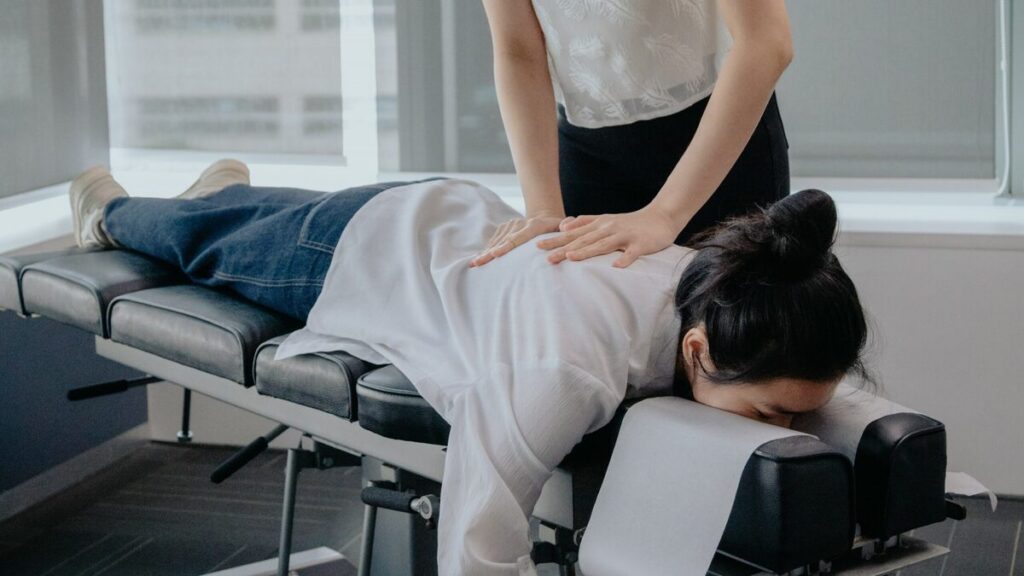
As a local chiropractor, I want to share with you the fascinating evolution of sports injury recovery and how it relates to the natural healing processes of our bodies. You may be surprised to learn that in the past, the common approach to treating sports injuries was to prescribe complete rest and immobilization. However, we've come a long way since then. Today, we focus on active rehabilitation, which encourages movement and supports the body's natural ability to heal itself.
This shift reflects a growing understanding of how our bodies respond to injury. Innovative therapies, including chiropractic adjustments, physical therapy, and other natural healing techniques, have significantly transformed recovery outcomes. But what has led to these progressive changes? By exploring the history of sports injury management, we can better appreciate the current practices we use and how they can benefit you.
As your chiropractor, my goal is to educate you about these advancements and how they apply to your own recovery journey. Embracing an active approach not only helps in healing injuries but also promotes overall wellness and injury prevention. Let's work together to harness the power of your body's natural healing capabilities!
Early Practices in Injury Recovery
As a dedicated chiropractor, I want to stress the importance of early practices in injury recovery. When you sustain an injury, acting promptly and with intention is crucial. The very first thing you should do is assess your situation. Understanding the type and severity of your injury is key to determining the best path forward.
For minor injuries such as sprains or strains, you might find some relief through home care. However, for more severe injuries, seeking professional help—like chiropractic care—can be vital for your healing process.
After you've assessed your injury, I recommend utilizing the R.I.C.E. method—Rest, Ice, Compression, Elevation. Resting the affected area is essential to avoid further damage. Applying ice can help reduce swelling and relieve pain, while compression provides stability to the injury. Elevating the injured area can also assist in reducing swelling by promoting fluid drainage.
It's important to keep in mind that hydration and nutrition play significant roles in your recovery. Eating a balanced diet rich in essential vitamins and minerals supports the healing process. Focus on consuming foods high in protein, vitamin C, and zinc, as these nutrients are particularly important for tissue repair.
Communication is key in your recovery journey. Keep an open line with your healthcare provider—this includes your chiropractor. Update them on your symptoms and any changes you notice. They may suggest additional treatments or therapies, including chiropractic adjustments, to help facilitate your recovery.
Remember, the sooner you address an injury and implement these early practices, the better your chances of achieving a smooth and effective recovery. Stay proactive and attuned to your body's needs during this important time.
As your chiropractor, I'm here to support you every step of the way on your healing journey.
The Role of Rest and Immobilization
As a local chiropractor, I want to emphasize the crucial role that rest and immobilization play in recovering from sports injuries.
Many of my patients are surprised to learn how much our approaches to recovery have evolved over the years. It's not just about resting; it's about implementing personalized recovery strategies that cater to your specific needs.
Balancing activity with effective immobilization techniques can significantly enhance your healing process.
By taking the time to rest and properly support your injury, you allow your body to heal naturally, which is a fundamental aspect of chiropractic care.
Evolution of Rest Protocols
As a local chiropractor dedicated to your health, I want to share how the understanding of rest and immobilization in injury recovery has evolved, particularly in the realm of chiropractic care and natural healing.
You might be surprised to learn that the way we approach rest has changed significantly over the years, guided by new research and insights into how our bodies heal. Here are four important developments in rest protocols that can enhance your recovery:
- Active Rest: Rather than prescribing complete immobilization, we now advocate for active rest, which encourages gentle, controlled movement. This approach helps promote circulation and supports the body's natural healing processes, allowing you to recover more effectively.
- R.I.C.E. Protocol: The R.I.C.E. method—Rest, Ice, Compression, and Elevation—has become essential in managing acute injuries. It highlights the importance of immediate care after an injury, which can significantly impact your recovery time and overall healing.
- Time-Based Rest: In the past, many rest recommendations were vague and indefinite. Nowadays, we emphasize specific time frames for rest, balancing it with a gradual return to activity. This prevents stiffness and promotes a more efficient recovery, ensuring that you can get back to your favorite activities sooner.
- Individualized Plans: Recovery isn't a one-size-fits-all process. As a chiropractor, I understand that each patient has unique needs based on their injury type and overall health. That's why I focus on creating personalized rest protocols tailored to you, ensuring the best possible outcome for your recovery journey.
By embracing these modern approaches to rest and recovery, you can enhance your healing process and return to optimal health more quickly.
If you have questions about how these protocols can work for you, feel free to reach out!
Importance of Immobilization Techniques
As a local chiropractor, I want to emphasize the crucial role that immobilization techniques play in your recovery from sports injuries. When you experience an injury—be it a sprain, fracture, or strain—immobilizing the affected area is essential. This approach not only helps prevent further damage but also promotes the healing process.
By limiting movement, your body can direct its energy toward repairing damaged tissues, which is vital for a smooth and effective recovery.
Using tools like splints, casts, or braces can provide the support and stability you need. These devices serve to protect the injured area while also helping to alleviate pain and reduce swelling.
When you stabilize the injury, you minimize the risk of adopting compensatory movements that can lead to additional injuries down the line.
Alongside immobilization, rest is equally important during this recovery phase. It's crucial to allow your body the time it needs to heal properly.
While the urge to push through the pain may be strong, it's essential to listen to your body's signals. Ignoring them can extend your recovery time.
By following immobilization techniques, you're laying the groundwork for a successful return to your sport, ensuring that you can perform at your best once you're fully healed.
As your chiropractor, I'm here to guide you through this process and support your natural healing journey.
Balancing Activity and Recovery
As a local Chiropractor, I want to emphasize the importance of balancing activity and recovery for optimal healing after a sports injury.
It's crucial to find the right mix of rest and movement to ensure that your body heals properly. While rest is vital for healing, controlled movement plays a key role in maintaining mobility and strength.
Here are four essential points to consider as you navigate your recovery journey:
- Listen to Your Body: It's important to pay close attention to your pain levels and how fatigued you feel. If something doesn't feel right, don't hesitate to allow yourself extra time to recover. Your body knows best!
- Gradual Return to Activity: When you're ready to get moving again, start with low-impact exercises and gradually increase the intensity. Jumping back into your full training too quickly can increase the risk of reinjury.
- Use Appropriate Immobilization: Depending on the specifics of your injury, immobilization may be necessary to support the healing process. Always follow the advice of your healthcare provider, including myself, to determine the best approach for your situation.
- Incorporate Active Recovery: Gentle activities like stretching or walking can be incredibly beneficial. These activities promote blood flow and flexibility while minimizing stress on the injured area, aiding in your natural healing process.
Rise of Physical Therapy
As you begin to understand the rise of physical therapy in sports injury recovery, it's important to recognize how techniques have significantly advanced over the years.
These improvements not only enhance the rehabilitation process but also play a crucial role in accelerating your recovery.
From my perspective as a local chiropractor, I encourage you to explore the benefits of incorporating physical therapy into your healing journey.
This approach, combined with chiropractic care, can provide a holistic pathway to recovery, helping you regain strength and mobility naturally.
Embracing these evolving methods can lead to a more effective and efficient healing experience.
Evolution of Techniques
As a local chiropractor, I'm excited to share how the evolution of physical therapy techniques has greatly enhanced recovery from sports injuries. These methods offer effective pathways for athletes to regain strength and mobility in a natural and holistic manner.
Here are some key developments in the field that you might find beneficial:
- Manual Therapy: This hands-on approach includes techniques such as chiropractic adjustments, massage, and joint mobilization. These methods can help alleviate pain, improve flexibility, and restore proper alignment to your body.
- Therapeutic Exercise: Customized exercise programs are designed to address specific weaknesses and imbalances in your body. By targeting these areas, we can enhance your overall performance and significantly reduce the risk of future injuries.
- Modalities: We often incorporate natural healing modalities like heat, cold therapy, and ultrasound treatments. These techniques promote healing and effectively reduce inflammation, supporting your body's natural recovery processes.
- Functional Training: This approach emphasizes movements that are specific to your sport, allowing you to train in a way that closely mimics game scenarios. This not only boosts your physical readiness but also enhances your confidence when returning to play.
These advancements in physical therapy and chiropractic care not only expedite your recovery but also empower you to return to your sport even stronger than before.
By integrating these techniques into your rehabilitation, you can fully harness the benefits of natural healing and elevate your overall athletic performance.
If you have any questions or want to learn more about how these methods can work for you, feel free to reach out!
Impact on Recovery
As a local chiropractor, I want to share how chiropractic care can be a transformative aspect of your recovery process, especially if you're an athlete facing injuries. Many people may not realize that effective rehabilitation goes beyond traditional rest; it involves a holistic approach to healing, and chiropractic care plays a crucial role in that.
Chiropractors focus on personalized treatment plans that are designed to help you regain strength, mobility, and overall function. We use a variety of techniques, including spinal adjustments, manual therapy, and specific exercises tailored to your needs. This targeted approach not only addresses the root cause of your issues but also facilitates a quicker and safer recovery.
You might find that simply resting is often not enough to fully heal. Chiropractic care encourages you to actively participate in your recovery. We guide you through customized exercises that promote healing and strengthen your body to prevent future injuries. Additionally, we emphasize proper body mechanics and awareness, which can significantly enhance your athletic performance.
One of the key benefits of chiropractic care is the emotional support it offers. Recovering from an injury can be mentally taxing, but having a dedicated chiropractor by your side can help boost your confidence and motivation.
With the continuous advancements in chiropractic techniques and natural healing methods, we're constantly discovering more effective strategies to aid your recovery journey.
Incorporating chiropractic care into your recovery plan can profoundly influence your path back to peak performance. Embrace this natural healing approach and experience the benefits firsthand.
Introduction of Rehabilitation Protocols
As a local chiropractor dedicated to helping patients recover from sports injuries, I want to stress the importance of following a well-structured rehabilitation protocol for effective healing. A comprehensive plan ensures that you recover safely while minimizing the risk of re-injury.
By establishing clear guidelines, we can make the rehabilitation process more manageable and effective for you.
Here are four essential components of a successful rehabilitation protocol that I recommend:
- Assessment: Your recovery journey begins with a detailed evaluation of your injury. As a chiropractor, I'll assess the severity of your condition and develop a personalized rehabilitation plan tailored to your specific needs. This step is crucial for understanding your injury and the best path forward.
- Rest and Ice: In the early stages of recovery, it's important to rest the injured area and apply ice to help reduce swelling. This phase serves to alleviate pain and sets the foundation for the next steps in your healing process.
- Gradual Mobilization: Once the initial pain has decreased, we'll introduce gentle range-of-motion exercises. This step is vital for restoring flexibility and preventing stiffness in the affected area, allowing for better movement and function.
- Strengthening and Conditioning: As you continue to heal, your rehabilitation protocol will include strengthening exercises designed to rebuild muscle and enhance overall function. This phase is critical for preparing you to return to your sport safely and effectively.
By following these steps under my guidance, you can achieve a smooth recovery and regain your strength through natural healing methods.
Advancements in Sports Medicine
As a local chiropractor, I'm excited to share how recent advancements in sports medicine are transforming the way we approach injury recovery and performance enhancement. You may be surprised to learn just how far our understanding of the human body and its healing processes has come.
We now focus on personalized care that tailors rehabilitation programs to your individual needs and goals, which can lead to faster recovery times and improved outcomes.
A key development in this field is the integration of interdisciplinary teams. This means that as part of your recovery, you may benefit from a coordinated effort involving trainers, physiotherapists, nutritionists, and medical professionals.
Together, we ensure that every aspect of your health is addressed, from physical rehabilitation to nutritional support and even mental well-being.
Among the innovative treatments gaining popularity are techniques like platelet-rich plasma (PRP) therapy and stem cell therapy. These therapies tap into your body's natural healing abilities, promoting quicker tissue repair and reducing inflammation.
Many of my patients find that these options can significantly shorten their downtime, helping them return to their favorite activities sooner.
Additionally, there's a strong emphasis on preventive care. By prioritizing injury prevention, we can help you avoid setbacks before they happen.
This proactive approach often includes strength training, flexibility exercises, and education on proper body mechanics, all of which are essential for maintaining your health and performance.
Incorporating chiropractic care into your sports medicine journey can enhance these outcomes even further.
Technology in Injury Recovery
As a local chiropractor, I want to share how technology can significantly aid your recovery from sports injuries.
Many patients may not realize that wearable recovery devices can track your healing progress in real-time, giving you and your healthcare team valuable insights.
Additionally, virtual rehabilitation programs can offer personalized exercises and guidance, allowing you to work on your recovery from the comfort of your own home.
By incorporating these innovative tools into your treatment plan, you can enhance your healing journey and achieve better outcomes.
Embracing this blend of chiropractic care and technology can truly make a difference in your recovery process.
Wearable Recovery Devices
As a local chiropractor dedicated to helping you recover and regain your peak performance after an injury, I want to introduce you to the benefits of wearable recovery devices.
These innovative tools can play a pivotal role in your rehabilitation process, enhancing your recovery experience and providing valuable insights along the way.
Here are four key benefits of incorporating wearable recovery devices into your healing journey:
1. Real-time Monitoring: These devices track essential metrics such as your physical activity and heart rate, empowering you to make informed adjustments to your rehabilitation plan as needed.
This real-time feedback ensures that you stay on the right path towards recovery.
2. Data Analysis: By gathering and analyzing your recovery data, wearable devices help identify specific areas that may need extra attention.
This allows for a tailored recovery plan that addresses your unique needs, ensuring a more effective healing process.
3. Motivation: Witnessing your progress in real-time can be incredibly motivating.
These devices can help you stay committed to your rehabilitation goals, making it easier to remain focused and engaged in your recovery efforts.
4. Injury Prevention: One of the best features of these devices is their ability to detect potential issues before they escalate into serious problems.
By alerting you to these concerns, they can help you avoid re-injury and support a safer return to your favorite activities.
Integrating wearable recovery devices into your rehabilitation routine can significantly enhance your journey toward recovery.
As your chiropractor, I encourage you to embrace these technologies as part of your path to healing, allowing you to return to the sports and activities you love even stronger than before!
Virtual Rehabilitation Programs
In our ever-evolving world, virtual rehabilitation programs have become a transformative approach to recovery, especially for those healing from injuries. As a local chiropractor, I want to share how these innovative platforms can complement your chiropractic care and natural healing journey.
With virtual rehabilitation, you can perform customized exercises right from the comfort of your home. This means you can access instructional videos, monitor your progress, and receive real-time guidance from professionals—all while fitting these sessions into your busy schedule. It's a convenient way to enhance your recovery without the stress of commuting to appointments.
One of the great benefits of virtual rehab is that it allows you to integrate rehabilitation into your daily life seamlessly. You don't have to worry about missing a session; instead, you can work on your recovery whenever it suits you best. Many programs even incorporate gamification elements to keep you motivated and engaged in your healing process.
Moreover, virtual rehabilitation offers personalized plans tailored to your individual needs. This means that whether you're dealing with back pain, sports injuries, or other musculoskeletal issues, you'll receive exercises specifically designed for your condition. It's about ensuring that you get the right support for your healing journey.
As technology continues to progress, I believe that virtual rehabilitation programs will evolve even further, potentially utilizing advanced tools like AI to optimize your recovery process. By embracing this modern approach alongside chiropractic care, you're not only on a faster path to healing but also gaining valuable strategies to prevent future injuries and maintain your overall wellness.
I encourage you to consider how virtual rehabilitation can enhance your chiropractic experience and support your recovery in a holistic way. Together, we can work towards your health goals, ensuring you feel your best every step of the way.
Evidence-Based Practices
As a local chiropractor, I want to share how evidence-based practices can significantly aid in your sports injury recovery, ensuring you receive effective treatments grounded in scientific research.
By embracing these proven methods, you can enhance your healing process and reduce your time away from the activities you love. Here's how you can integrate evidence-based practices into your rehabilitation routine:
- Comprehensive Assessment and Diagnosis: The first step is a thorough evaluation by a qualified healthcare professional, like a chiropractor. An accurate diagnosis is crucial for developing a personalized treatment plan that addresses your specific injury.
- Staying Informed with Current Guidelines: It's important to familiarize yourself with the latest clinical guidelines related to your injury. These guidelines are based on research and provide recommendations that empower you to make informed choices about your treatment options.
- Incorporating Proven Rehabilitation Techniques: Engaging in rehabilitation exercises that have demonstrated effectiveness is key. Techniques such as progressive resistance training and neuromuscular re-education are often supported by research and can play a significant role in your recovery.
- Monitoring Progress and Adjusting Treatment: Regularly tracking your progress is essential. Be open to making adjustments to your rehabilitation plan as needed.
Evidence-based practices promote ongoing evaluation, allowing us to fine-tune your treatment based on what's effective for you.
Holistic Approaches to Healing
As a local chiropractor, I want to share how holistic approaches can enhance your healing journey, particularly when recovering from sports injuries. While evidence-based practices serve as a solid foundation for recovery, incorporating holistic methods allows us to address both the physical and emotional aspects of your injury, focusing on the whole person rather than just the damaged area.
One vital aspect of holistic healing is mindfulness. This practice helps you stay present and aware of your thoughts and emotions, which can be invaluable in managing the stress and anxiety that often accompany injuries. Techniques such as meditation and deep breathing exercises can promote relaxation, ultimately supporting a more effective recovery process.
Integrating gentle movement into your routine, such as yoga or tai chi, can be incredibly beneficial as well. These practices not only help maintain your flexibility and strength but also foster a sense of calm and balance. By learning to listen to your body during these movements, you can adapt your practice to avoid further injury while encouraging healing.
Additionally, I encourage you to explore alternative therapies like acupuncture or massage, which I often incorporate into my chiropractic care. These modalities can alleviate pain, reduce muscle tension, and enhance circulation—all contributing to a more comprehensive recovery. They also provide emotional support, as engaging in these nurturing practices can significantly enhance your overall well-being.
Ultimately, embracing a holistic approach means recognizing the interconnectedness of your body, mind, and spirit. By addressing all these interconnected facets, you're more likely to achieve a thorough and satisfying recovery, setting the stage for a stronger return to your sport.
As your chiropractor, I'm here to support you on this journey to optimal health.
The Impact of Nutrition
As a local chiropractor dedicated to your holistic health, I want to emphasize the critical role that proper nutrition plays in your recovery from sports injuries. When you're unable to participate in your favorite activities, your body requires the right nutrients to repair tissues, reduce inflammation, and regain strength.
Neglecting your nutritional needs can impede your healing process, potentially extending your time away from the field or court.
Here are four essential nutritional components to prioritize during your recovery:
- Protein: This vital macronutrient is necessary for repairing and building muscle tissue. I recommend incorporating lean meats, fish, eggs, or plant-based proteins such as beans and lentils into your diet to support your healing.
- Healthy Fats: Omega-3 fatty acids, which you can find in fatty fish like salmon, walnuts, and flaxseeds, are known for their anti-inflammatory properties. These healthy fats are crucial for your overall well-being, so don't hesitate to include them in your meals.
- Vitamins and Minerals: Micronutrients such as Vitamin C and Zinc are essential for tissue repair. Make sure to consume plenty of citrus fruits, berries, and green leafy vegetables, as they're rich sources of these important vitamins.
- Hydration: Staying properly hydrated is often an overlooked aspect of recovery, but it's vital for optimal healing. Water plays a key role in transporting nutrients throughout your body and maintaining metabolic functions.
Aim to drink enough fluids so that your urine remains light yellow, indicating adequate hydration.
Remember, your nutrition is a powerful ally on your journey to recovery. By focusing on these key components, you can enhance your healing process and get back to enjoying your active lifestyle sooner.
If you have any questions about how chiropractic care can complement your nutritional efforts, feel free to reach out.
Future Trends in Recovery
As you consider your recovery process, it's essential to be aware of some exciting trends that can enhance your healing journey, especially in the realm of chiropractic care and natural healing.
One significant development is the rise of personalized recovery plans that utilize advanced technology. Devices like wearables can monitor your vital signs, movement patterns, and even levels of muscle fatigue. This information allows both chiropractors and healthcare professionals to create a tailored recovery plan that meets your individual needs.
Another area gaining attention is regenerative medicine. Techniques such as platelet-rich plasma (PRP) therapy and stem cell treatments are becoming more popular. These methods tap into your body's natural ability to heal, potentially speeding up recovery times and improving results for injuries that might've once seemed daunting.
You may also notice an increasing emphasis on mental health and mindfulness as part of recovery protocols. Practices like meditation, visualization, and cognitive behavioral therapy can be beneficial in managing pain and anxiety, which supports a more holistic approach to healing.
As a chiropractor, I often incorporate these techniques to enhance overall wellness and recovery.
Additionally, the rise of functional foods—those rich in omega-3 fatty acids, antioxidants, and plant-based proteins—can play a crucial role in your recovery. These foods help reduce inflammation and support muscle repair, making them a valuable addition to your diet as you heal.
As you explore these trends, I encourage you to remain open to innovative approaches that align with your recovery goals. By integrating these forward-thinking strategies, you can find a more effective path to returning to your best self, both in everyday life and in your physical activities.
Conclusion
As a local chiropractor, I want to shed light on the exciting evolution of sports injury recovery, especially for those unfamiliar with chiropractic care and natural healing. In the past, recovery often meant complete immobilization, which could hinder your progress. However, the approach has shifted significantly towards a more dynamic and personalized strategy.
By utilizing evidence-based practices, leveraging advancements in technology, and focusing on holistic care, we can optimize your healing process. It's essential to understand that integrating rest, movement, and proper nutrition plays a critical role in your recovery journey. As you work with me, we will develop a tailored plan that respects your body's needs while promoting healing.
Staying informed about the latest trends in recovery can empower you to adapt your strategy and enhance your overall healing. Together, we can ensure that you not only recover from your injury but also return to your activities stronger than ever. Embracing chiropractic care as part of your recovery can be a game-changer, and I'm here to guide you every step of the way.