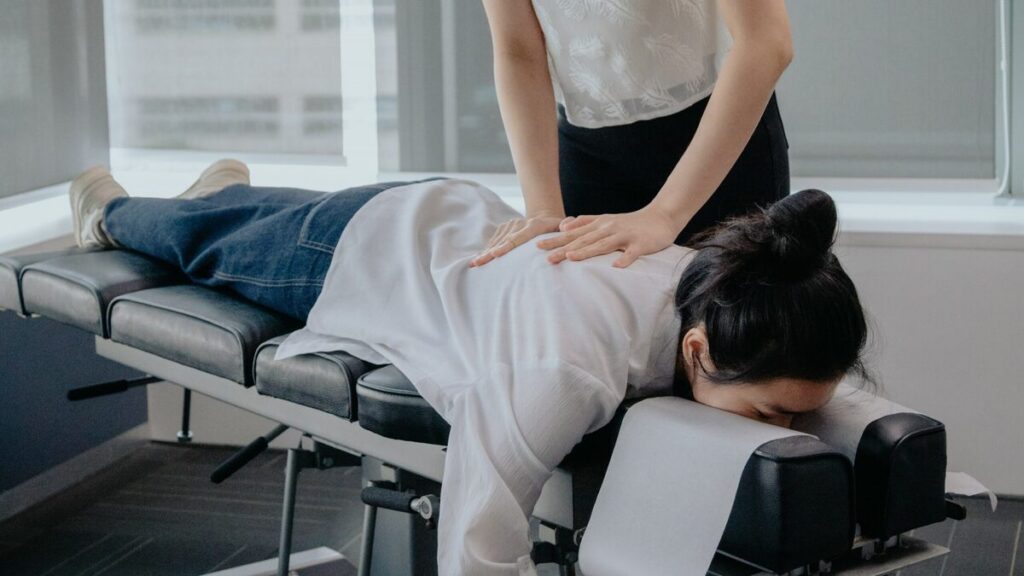

When you think about improving your flexibility, you might not consider the benefits of professional care. By working with experts like physical therapists or trainers, you can receive personalized assessments and tailored stretching routines that align with your specific goals. They'll teach you the right techniques to avoid injuries and enhance your body mechanics. But what should you look for in a specialist, and what types of flexibility training should you consider? Understanding these key aspects can make a significant difference in your journey.
Understanding Flexibility
Flexibility is the ability of your muscles and joints to move through their full range of motion. It's essential for maintaining overall physical health and can greatly impact your daily activities, athletic performance, and injury prevention. When you're flexible, you can move more freely, which improves your coordination and balance. This isn't just about being able to touch your toes; it's about how well your body can perform everyday tasks, whether it's bending down to tie your shoes or reaching for something on a high shelf.
To understand flexibility, you need to recognize that it varies from person to person. Factors such as age, gender, body type, and activity level all play a role in how flexible you are. For instance, younger individuals typically tend to be more flexible than older adults, while athletes often have a greater range of motion in specific areas due to their training.
There are different types of flexibility, such as static and dynamic. Static flexibility refers to the ability to hold a stretch in a stationary position, while dynamic flexibility involves moving through a range of motion with control. Both types are important for overall fitness and functionality.
Improving your flexibility involves regular stretching and movement practices. Incorporating activities like yoga or Pilates can help you develop and maintain flexibility over time.
Benefits of Professional Care
Many people overlook the advantages of seeking professional care when it comes to improving flexibility. Engaging with trained experts can provide you with tailored strategies that considerably enhance your flexibility journey. Professionals can assess your current range of motion and identify specific areas needing attention. This personalized approach guarantees you're not just stretching aimlessly but rather making progress where it counts.
Working with a professional can also help you avoid injuries. They'll teach you proper techniques and guarantee you're using the right form, minimizing the risk of strains or sprains. You'll learn how to push your limits safely, which is vital for long-term flexibility gains.
Additionally, professionals often offer valuable insights into your body mechanics. Understanding how your muscles and joints function together can lead to more effective stretching routines. They can recommend stretches that target your unique needs, optimizing your time and efforts.
Another benefit is accountability. When you commit to sessions with a professional, you're more likely to stay consistent. They'll motivate you and keep you on track, turning flexibility training into a regular part of your routine.
Lastly, professional care can enhance your overall wellness. Improved flexibility can lead to better posture, reduced stress, and even enhanced athletic performance. By investing in professional guidance, you're not just working on flexibility; you're investing in your overall health and well-being, setting yourself up for success in all areas of life.
Types of Flexibility Training
When it comes to improving your flexibility, exploring different types of flexibility training can make all the difference. Each method targets your muscles and joints in unique ways, helping you achieve your flexibility goals more effectively.
One popular type is static stretching, where you hold a stretch for a set period, usually between 15 to 60 seconds. This method boosts your overall flexibility and is best done after a workout when your muscles are warm.
Dynamic stretching, on the other hand, involves moving parts of your body through a full range of motion. You'll often see this in warm-up routines, as it prepares your muscles for activity and enhances your performance.
Another effective approach is Proprioceptive Neuromuscular Facilitation (PNF) stretching. This technique combines both stretching and contracting of the muscle group being targeted. It's typically done with a partner and can lead to impressive flexibility gains.
Yoga is another excellent option. It not only improves flexibility but also promotes relaxation and mindfulness. Different styles, like Hatha or Vinyasa, can offer varying degrees of intensity and focus on flexibility.
Finally, consider incorporating foam rolling into your routine. While technically not stretching, foam rolling helps release muscle tightness and can improve your overall range of motion.
Choosing the Right Specialist
Finding the right specialist for your flexibility training can greatly impact your progress. It's important to choose someone who understands your unique needs and goals. Start by identifying what you want to achieve. Are you looking to increase overall flexibility, recover from an injury, or enhance your performance in a specific sport?
Once you know your objectives, you can look for professionals with relevant expertise. Look for specialists such as physical therapists, certified personal trainers, or yoga instructors with a solid background in flexibility training. Check their qualifications and experience. It's significant they've a track record of helping clients similar to you.
Don't hesitate to ask for recommendations from friends, family, or your primary healthcare provider. When you meet with a potential specialist, ask about their approach to flexibility training. Do they incorporate dynamic stretching, static stretching, or other techniques? Their methods should align with your preferences and comfort level.
Communication is essential; make sure you feel comfortable discussing your concerns and goals with them. Finally, consider the logistics. Is their location convenient for you? Do they offer flexible scheduling?
If you're looking for long-term progress, it's critical to find someone you can easily work with over time. By choosing the right specialist, you'll set yourself up for success in your flexibility journey, leading to enhanced performance and overall well-being.
Tips for Maintaining Flexibility
After selecting a specialist to guide your flexibility training, it's important to adopt strategies that help you maintain your flexibility over time. Consistency is key, and by integrating these practices into your routine, you can enjoy lasting benefits.
- Stretch Regularly: Make stretching a non-negotiable part of your daily routine. Aim for at least 10-15 minutes each day, focusing on major muscle groups. This will keep your muscles pliable and prevent stiffness.
- Stay Hydrated: Water plays a vital role in muscle function and elasticity. Verify you're drinking enough water throughout the day, especially before and after your stretching sessions. Proper hydration can greatly enhance your flexibility.
- Mix It Up: Incorporate various stretching techniques, such as static, dynamic, and PNF (proprioceptive neuromuscular facilitation) stretching. This variety can keep your routine interesting and challenge your body in different ways, promoting greater flexibility.
In addition to these tips, listen to your body. If you feel any pain while stretching, ease off and consult your specialist. They can provide tailored advice based on your specific needs.
Remember, maintaining flexibility isn't just about occasional sessions; it's about making it an ongoing part of your lifestyle. By committing to these strategies, you'll not only improve your flexibility but also enhance your overall well-being.
Stay dedicated, and you'll reap the rewards!
Conclusion
Improving your flexibility with professional care can transform your physical performance and overall well-being. By working with experts who tailor routines to your specific needs, you'll learn effective techniques that minimize injury risk. Stay consistent with your flexibility training, and you'll reap the long-lasting benefits. Remember, choosing the right specialist is key, so don't hesitate to seek help. Embrace the journey to greater flexibility and enjoy the enhanced athletic capabilities that come with it!