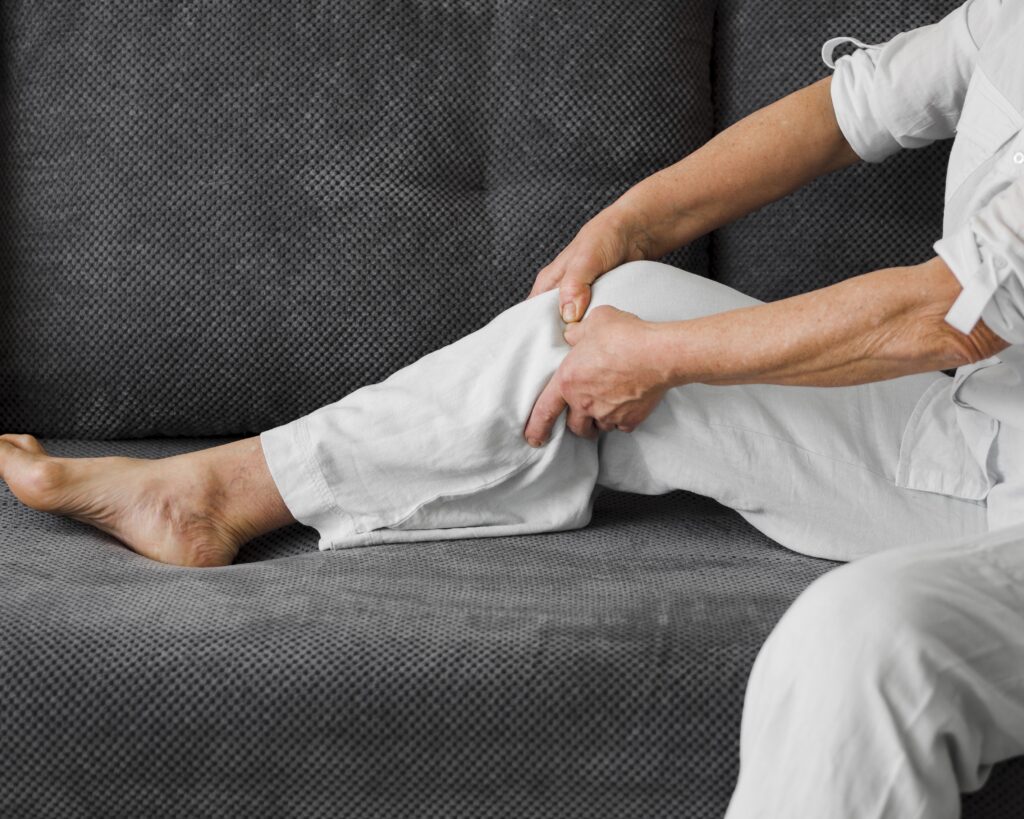

Leg pain has a sneaky way of getting written off. You wake up with that familiar ache running down your thigh, your calf feels tight, or your feet seem to tingle for no obvious reason — and the easy explanation becomes, “Well, I’m not getting any younger.” Here in Calhoun, GA, we hear this all the time at Calhoun Spine Care and Wellness Center. Patients come in having quietly tolerated leg discomfort for months, even years, simply because they assumed it was just a natural part of aging. The truth is, age alone is rarely the real culprit. More often than not, there’s a very specific, very treatable mechanical reason behind that pain — and understanding it is the first step toward feeling better.
So What’s Actually Causing Your Leg Pain?
Leg pain that isn’t tied to an obvious injury is most commonly rooted in spinal misalignment, nerve compression, or muscular imbalance — not the simple passage of time. The lumbar spine (your lower back) houses nerves that travel all the way down through your hips, thighs, calves, and feet. When something disrupts those nerves — whether it’s a misaligned vertebra, a bulging disc, or tight surrounding muscles — pain, numbness, tingling, or weakness can show up anywhere along that pathway. It’s a connected system, and the source of the problem is often far from where you actually feel it.
- What Is Referred Leg Pain?
- The Most Common Real Causes of Leg Pain
- Recognizing the Signs
- How Chiropractic Care Fits In
- Practical Tips You Can Start Using Today
- When to See a Chiropractor
What Is Referred Leg Pain?
Most people assume that if your leg hurts, something is wrong with your leg. That’s a reasonable assumption — but it’s often incorrect. Referred pain is discomfort that originates in one part of the body and is felt in another. The nerves that serve your legs begin in your lumbar spine and sacral region. When those nerves are irritated or compressed at their root, the pain signal travels down the nerve pathway and you feel it in your thigh, knee, calf, ankle, or foot.
This is exactly what happens with sciatica, one of the most misunderstood and misdiagnosed conditions we see at Calhoun Spine Care and Wellness Center. The sciatic nerve is the largest nerve in the human body. It originates from several nerve roots in the lower lumbar spine and runs all the way down through the buttock, the back of the thigh, and into the leg and foot. Compression or irritation of this nerve — often caused by a herniated disc, bone spur, or tightened piriformis muscle — produces that classic shooting, burning, or electric-shock sensation that people frequently chalk up to “bad legs” or “old age.”
The key insight here is this: the leg is the messenger, not the problem. Treating only the leg — with rest, pain medication, or even compression socks — may offer temporary relief, but it doesn’t address what’s actually happening at the source.
The Most Common Real Causes of Leg Pain
When Dr. Blake Derrick evaluates a patient at Calhoun Spine Care and Wellness Center, the first goal is to identify the true origin of the discomfort. Here are the most frequent root causes we find:
Lumbar disc herniation or bulging. The discs between your vertebrae act as cushions and shock absorbers. Over time — and sometimes due to a single awkward movement — a disc can bulge or herniate, pressing against nearby nerve roots. This compression often produces pain, tingling, or numbness that radiates down one or both legs.
Vertebral subluxation. A subluxation is a misalignment of one or more vertebrae in the spine. Even small misalignments can place undue pressure on nerves, alter biomechanics, and create a chain reaction of muscle tension and nerve irritation that eventually manifests as leg pain. Subluxations can develop gradually from poor posture, repetitive movement, prolonged sitting, or a past injury that was never fully addressed.
Piriformis syndrome. The piriformis is a small but powerful muscle located deep in the gluteal region. When it becomes tight or inflamed — common in people who sit for long periods or engage in repetitive hip movements — it can compress the sciatic nerve directly. The resulting pain mimics classic sciatica but originates in the muscle rather than the spine.
Sacroiliac joint dysfunction. The sacroiliac (SI) joint connects the base of your spine to your pelvis. When this joint becomes hypermobile or restricted, it can cause significant pain in the lower back and buttocks that frequently radiates into the thigh and leg. SI joint issues are commonly overlooked as a source of leg-related discomfort.
Postural and gait imbalances. How you stand, walk, and carry yourself matters enormously. Chronic postural problems — like a forward head posture, anterior pelvic tilt, or uneven weight distribution — create cumulative stress across the entire musculoskeletal system. Over years, these imbalances alter the loading on joints and nerves in ways that can eventually produce significant leg pain, even in the absence of any dramatic injury.
Recognizing the Signs
Understanding the nature of your leg pain can provide important clues about its origin. Nerve-related leg pain tends to follow a predictable pathway. It often starts in the lower back or buttock and travels down the back or side of the leg. It may feel sharp, burning, shooting, or like an electric shock. It can be accompanied by numbness or tingling in the foot or toes. And it often worsens with prolonged sitting, bending forward, or certain movements.
Muscular leg pain, by contrast, tends to feel more like a dull ache, cramping, or tightness. It’s often localized to one muscle group and may improve with gentle movement or stretching. Joint-related pain — from the SI joint or hip — is usually felt as a deep, nagging ache and may be associated with stiffness first thing in the morning.
Many patients who visit Dr. Blake Derrick at Calhoun Spine Care and Wellness Center in Calhoun, GA describe a combination of these sensations — which is why a thorough examination is so essential. What looks like simple leg pain on the surface can actually involve a layered interaction between the spine, nervous system, and soft tissues.
| Type of Leg Pain | Common Characteristics | Likely Origin |
|---|---|---|
| Shooting or burning down the back of the leg | Follows nerve pathway; worsens with sitting | Sciatic nerve compression (lumbar disc, piriformis) |
| Tingling or numbness in feet/toes | Intermittent; may accompany weakness | Lumbar nerve root irritation |
| Deep ache in the buttock or thigh | Stiff in the morning; eases with movement | Sacroiliac joint dysfunction |
| Cramping or tightness in calf or hamstring | Localized; worsens with activity | Muscular imbalance or trigger points |
| Leg pain after prolonged standing | Bilateral; may ease with sitting or leaning forward | Lumbar spinal stenosis |
How Chiropractic Care Fits In
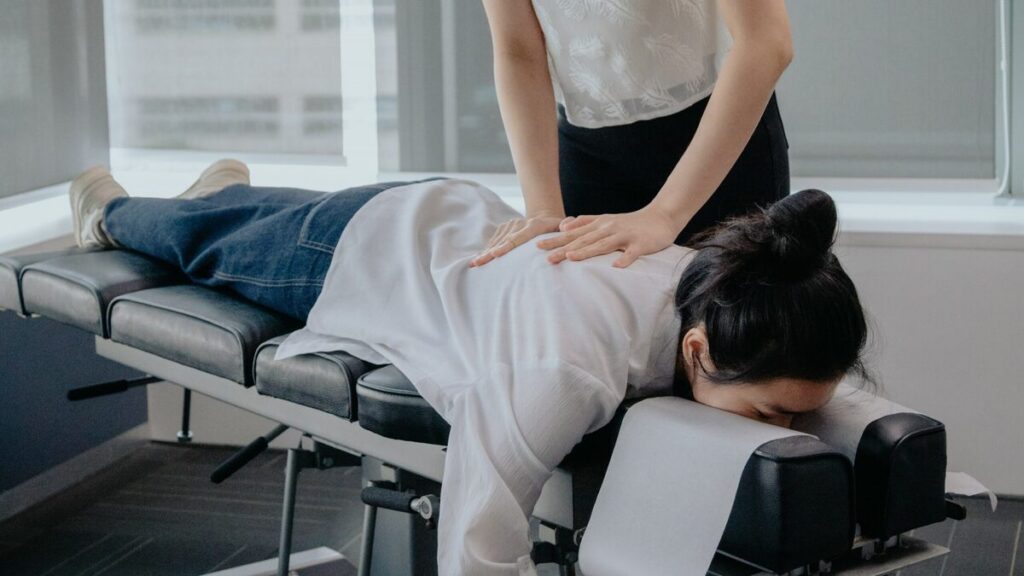
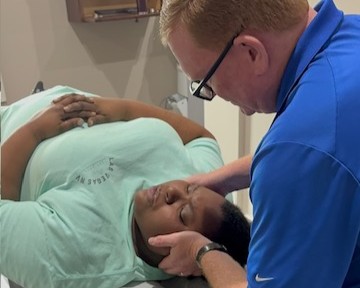
Chiropractic care takes a non-surgical, drug-free approach to identifying and addressing the mechanical causes of leg pain. Rather than masking symptoms, the goal is to restore proper alignment, reduce nerve irritation, and support the body’s natural ability to heal. Evidence from organizations like the American Chiropractic Association and research published in sources like the Spine Journal suggests that spinal manipulation and chiropractic management can be effective conservative care options for conditions like sciatica, lumbar disc problems, and SI joint dysfunction.
At Calhoun Spine Care and Wellness Center, Dr. Blake Derrick begins every patient evaluation with a thorough history and physical examination. This often includes an assessment of spinal alignment, range of motion, posture, neurological function, and gait. The goal is to paint a full picture of what’s happening — not just in the area where pain is felt, but across the entire spine and musculoskeletal system.
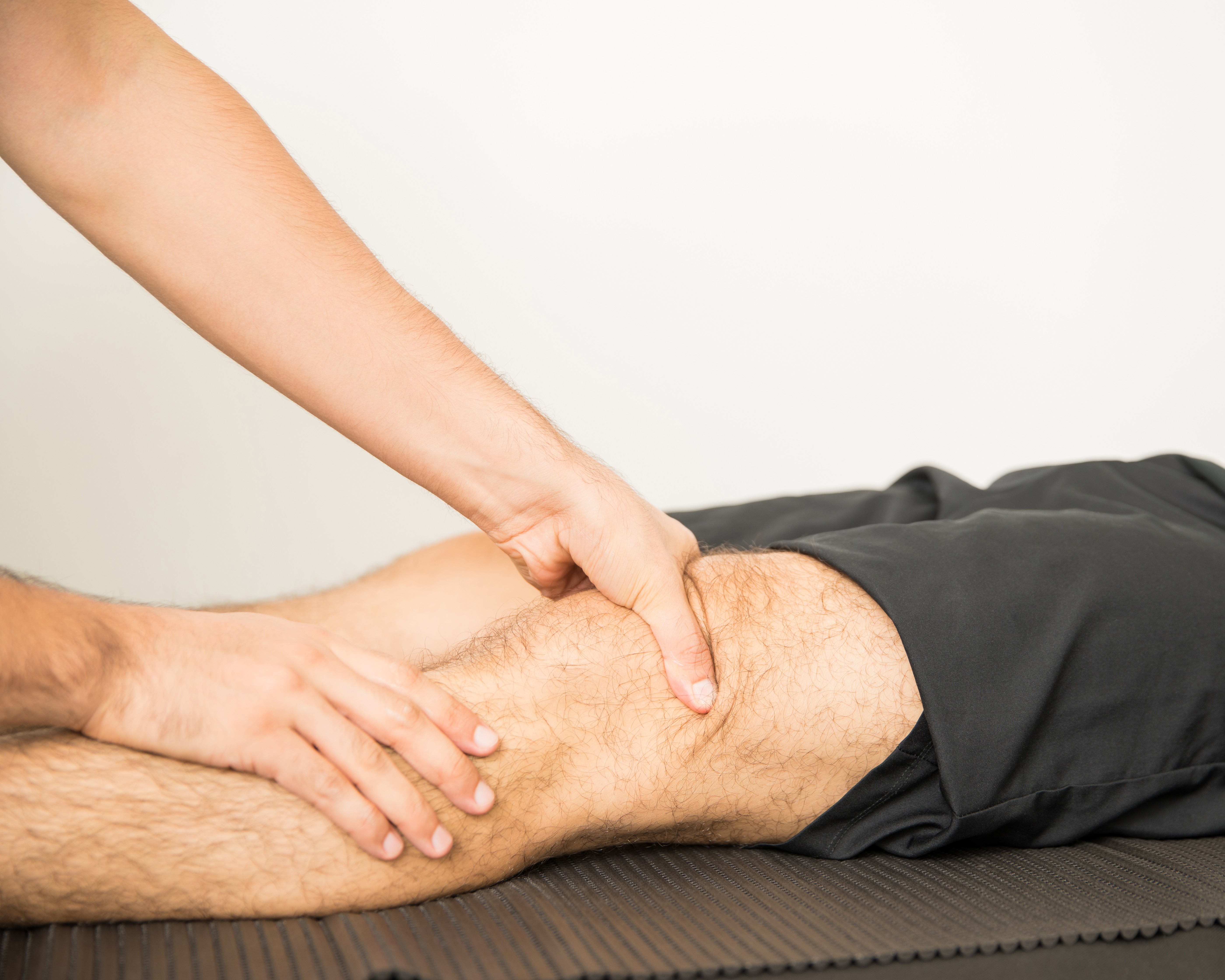
Care at the practice is individualized. No two spines are the same, and no two patients respond identically. Chiropractic adjustments work to restore proper vertebral alignment and joint mobility, which in turn reduces pressure on irritated nerves and restores healthier movement patterns. Soft tissue therapies may also be used to address muscular tightness, trigger points, and fascial restrictions that contribute to the overall pattern of discomfort. Many patients here in Calhoun, GA are genuinely surprised by how much relief they experience once the true source of their leg pain is identified and properly addressed.
Practical Tips You Can Start Using Today
While professional evaluation is important, there are several habits and lifestyle adjustments that support spinal health and may reduce leg pain over time. These aren’t quick fixes, but they build a foundation for lasting relief.
First, take a hard look at how long you’re sitting each day. Prolonged sitting is one of the most consistent aggravating factors for lumbar nerve compression. If your job or lifestyle involves long stretches of seated time, aim to stand and move for a few minutes every 30 to 60 minutes. Even a short walk down the hallway can meaningfully reduce accumulated pressure on the discs and nerves of the lower spine.
Second, pay attention to your sleeping position. Sleeping on your stomach places significant rotational stress on the lumbar spine and can aggravate nerve root irritation. Side sleeping with a pillow between the knees or back sleeping with a pillow under the knees tends to be gentler on the lower back and the sciatic nerve pathway.
Third, invest in your workspace setup. A chair that doesn’t support the natural curve of your lumbar spine, a monitor that’s too low, or a desk that forces you to lean forward can all contribute to postural changes that gradually affect spinal alignment. Small ergonomic improvements can make a meaningful difference over time.
Finally, stay hydrated. The discs between your vertebrae are made up largely of water. Chronic dehydration can reduce disc height and resilience, making nerve compression more likely. Consistent hydration is one of the simplest and most overlooked aspects of spinal health.
When to See a Chiropractor
If your leg pain has been present for more than a week or two without improvement, or if it’s accompanied by lower back discomfort, it’s worth getting evaluated. You don’t need to be in severe pain to benefit from a chiropractic assessment. Many people visit Dr. Blake Derrick at Calhoun Spine Care and Wellness Center at the first sign of recurring leg discomfort — and early intervention often means a faster return to normal function.
Certain symptoms warrant more urgent attention. If you experience sudden weakness in one or both legs, difficulty walking, loss of bladder or bowel control, or leg pain following a significant fall or trauma, please seek medical attention promptly. These can indicate conditions that require immediate medical evaluation beyond chiropractic scope. Dr. Blake Derrick and the team at Calhoun Spine Care and Wellness Center will always refer patients to the appropriate specialist when a condition requires it — your health and safety come first.
Myths vs. Facts About Leg Pain
Myth: Leg pain is just part of getting older.
Fact: While the body does change with age, pain is not an inevitable or unavoidable part of that process. Many older adults live completely free of leg pain. Persistent leg discomfort almost always has a mechanical or neurological explanation that can be identified and addressed through proper evaluation.
Myth: If your MRI or X-ray looks normal, you don’t have a real problem.
Fact: Imaging doesn’t always capture soft tissue dysfunction, early-stage nerve irritation, or subtle joint misalignment. A thorough functional and physical examination by a trained chiropractor often reveals the source of pain that imaging alone misses.
Myth: Rest is always the best treatment for leg pain.
Fact: For most types of nerve-related or musculoskeletal leg pain, prolonged rest can actually worsen outcomes. Gentle, guided movement and appropriate spinal care tend to promote faster and more lasting recovery than extended bed rest.
Myth: Leg pain always means something is wrong with your leg.
Fact: As we’ve discussed, the majority of non-injury leg pain originates in the spine or surrounding soft tissues. Referred pain from lumbar nerve roots is extremely common, and treating only the leg without addressing the spinal source will rarely produce lasting relief.
Myth: Chiropractic adjustments are only for the back.
Fact: Chiropractic care encompasses the entire musculoskeletal and nervous system. Adjustments targeting the lumbar spine, pelvis, and sacroiliac joint directly influence nerve function throughout the lower extremities — making chiropractic care highly relevant for leg pain, even when the leg itself appears structurally intact.
Final Thoughts
Here in Calhoun, GA, the team at Calhoun Spine Care and Wellness Center is on a mission to help the community stop accepting pain as inevitable. Leg discomfort — whether it’s a persistent ache, a shooting nerve sensation, or recurring tightness — deserves a real explanation and a real plan. Blaming age might feel like the path of least resistance, but it often means years of unnecessary suffering when a clear, correctable cause is right there waiting to be found.
Dr. Blake Derrick brings a thorough, patient-centered approach to every evaluation. Whether you’re a working adult who spends long hours at a desk, an active person whose lifestyle demands a lot from your body, or someone who’s simply tired of living with discomfort that was never properly explained — there’s value in getting to the root of the problem. The good news is that most mechanical causes of leg pain respond well to conservative, non-invasive chiropractic care. You don’t have to keep guessing, and you don’t have to keep settling.
If leg pain has been a part of your daily life, we encourage you to reach out to Calhoun Spine Care and Wellness Center and schedule a proper evaluation. Your legs aren’t failing you — and neither is your age. Something specific is happening, and it can be found.
Frequently Asked Questions
Can a chiropractor actually help with leg pain?
Yes, for many types of leg pain — especially those caused by lumbar nerve compression, sciatica, SI joint dysfunction, or postural imbalances — chiropractic care can be an effective conservative treatment. The key is identifying whether the source of the pain is mechanical in nature, which a proper evaluation can determine.
How do I know if my leg pain is nerve-related?
Nerve-related leg pain often presents as shooting, burning, or tingling sensations that travel from the lower back or buttock down into the leg and foot. It may worsen with sitting, bending, or certain positions. A physical examination by a chiropractor can help clarify whether the nervous system is involved.
Is sciatica the same thing as leg pain?
Not exactly. Sciatica refers specifically to pain caused by irritation or compression of the sciatic nerve, and it’s one of many possible causes of leg pain. True sciatica typically produces a distinct pattern of pain that radiates from the lower back through the buttock and down the back of the leg.
How long does it take chiropractic care to help with leg pain?
Response time varies depending on the cause, severity, and duration of the problem. Some patients notice meaningful improvement within a few visits, while others with chronic or more complex issues require a longer course of care. Dr. Blake Derrick will discuss realistic expectations during your initial evaluation at Calhoun Spine Care and Wellness Center.
Can poor posture really cause leg pain?
Yes. Chronic postural imbalances alter spinal mechanics over time, which can increase pressure on lumbar discs and nerve roots. This accumulated stress can eventually produce nerve-related symptoms that are felt in the legs, even when there’s no single traumatic event to point to.
Should I see a chiropractor or a medical doctor for leg pain?
For leg pain that appears to have a musculoskeletal or nerve-related origin without red flag symptoms (such as sudden weakness, bowel or bladder changes, or pain following trauma), a chiropractic evaluation is a reasonable first step. If red flags are present, medical evaluation should be prioritized. A good chiropractor will also refer you to the appropriate provider when needed.
TL;DR Summary
- Most persistent leg pain is not caused by aging — it typically has a mechanical or neurological origin rooted in the spine, discs, joints, or surrounding soft tissues.
- Common culprits include lumbar disc herniation, vertebral subluxation, piriformis syndrome, and sacroiliac joint dysfunction — all of which can cause referred pain down the legs.
- Chiropractic care from Dr. Blake Derrick at Calhoun Spine Care and Wellness Center in Calhoun, GA focuses on identifying and correcting the true source of leg pain without surgery or medication.
- Simple lifestyle adjustments — like reducing prolonged sitting, improving sleep position, and supporting spinal hydration — can complement professional care and reduce recurrence.
- If leg pain is persistent, recurring, or affecting your daily life, a thorough chiropractic evaluation is a safe, non-invasive first step toward real answers and lasting relief.