
You might be surprised to learn how spinal health can influence your mental well-being, particularly when it comes to managing anxiety. Aligning your spine through adjustments isn't just about physical comfort; it can also enhance your nervous system's function and help reduce stress responses. As you explore the connection between your spine and mind, you'll find that these adjustments may offer more than just temporary relief. But what does this mean for your overall wellness, and how can you integrate this approach into your life?
Understanding Anxiety and Its Impact
Anxiety affects millions of people worldwide, manifesting in various ways that can disrupt daily life. You might feel a racing heart, overwhelming worry, or even physical symptoms like headaches and fatigue. It's not just a fleeting feeling; anxiety can become a persistent shadow that affects your relationships, work, and overall well-being.
Understanding how anxiety impacts you is the first step toward managing it effectively.
When you experience anxiety, your body goes into a heightened state of alertness, often referred to as the "fight or flight" response. This reaction can lead to chronic stress, which may contribute to other health issues. You might find yourself avoiding situations that trigger your anxiety, which can limit your experiences and opportunities.
This avoidance can create a cycle that reinforces your anxiety, making it even harder to break free.
It's essential to recognize that you're not alone in this struggle. Many people share similar experiences, and acknowledging your feelings is a key part of the healing process. You can explore various coping strategies, such as mindfulness or therapy, to help manage your anxiety.
Understanding your triggers and learning to respond to them constructively can empower you to take control of your mental health.
The Role of Spinal Health
Spinal health plays an important role in your overall well-being, influencing not just physical comfort but also mental clarity. When your spine is in good condition, it supports your body's nervous system, which is essential for managing stress and anxiety.
A healthy spine allows your body to function at its best, contributing to a balanced mood and mental focus.
Here are four key benefits of maintaining spinal health:
- Nervous System Function: A well-aligned spine guarantees that nerve signals flow freely between your brain and body. This communication is critical for regulating stress responses.
- Pain Reduction: Chronic pain can exacerbate anxiety. By maintaining spinal health, you reduce discomfort, which can help alleviate anxiety levels. When your body feels good, your mind often follows suit.
- Improved Posture: Good spinal health promotes better posture, which can enhance your confidence and reduce feelings of anxiety. Standing tall not only affects how others perceive you but also how you feel about yourself.
- Increased Energy Levels: A healthy spine contributes to better blood flow and oxygen delivery throughout your body. This boost in energy can help you tackle daily challenges without feeling overwhelmed.
Ultimately, prioritizing your spinal health can lead to improvements in both physical and mental well-being.
How Spinal Adjustments Work
Chiropractors perform spinal adjustments to realign the vertebrae and restore proper function to the spine. This process involves applying controlled force to specific joints in your back, helping to alleviate misalignments known as subluxations. When your vertebrae are misaligned, they can create tension on surrounding nerves, leading to discomfort and affecting your overall well-being.
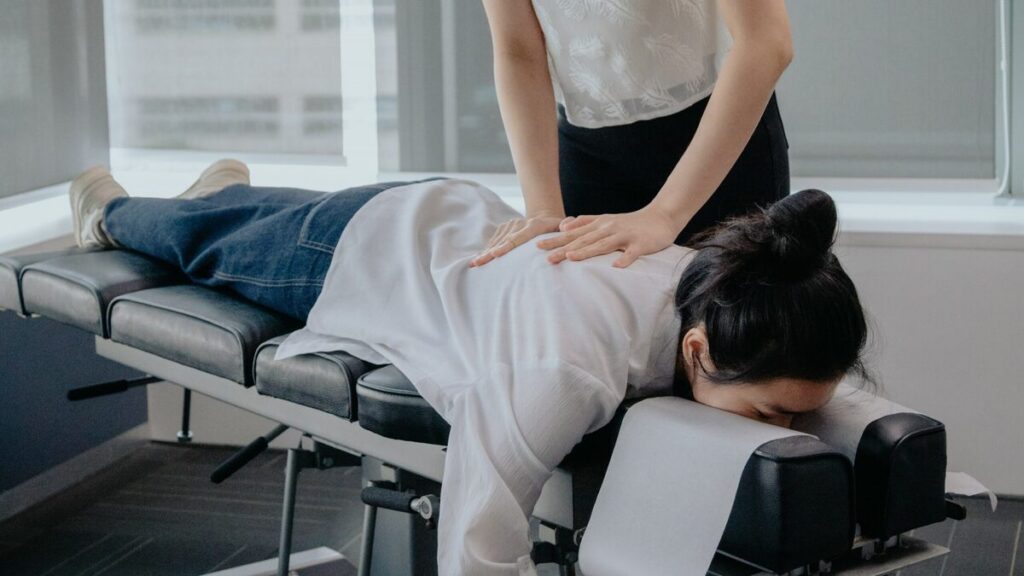
During an adjustment, your chiropractor will assess your spine and determine the areas that need attention. You'll typically lie down on a specialized table, and your chiropractor will use their hands or a small instrument to apply precise pressure. This technique helps to move your vertebrae back into their correct position, reducing stress on your nervous system and allowing for better communication between your brain and body.
The adjustments are often accompanied by an audible pop or crack, which is the sound of gas bubbles releasing from the joints. While some may find this surprising, it's generally harmless and indicates that the joint has been mobilized effectively.
You might notice immediate relief after an adjustment, as tightness and discomfort begin to fade. Over time, consistent spinal adjustments can lead to improved posture, enhanced range of motion, and decreased pain levels.
This proactive approach not only aids in physical health but can also positively influence your emotional state, helping to reduce anxiety and promote a sense of calm. By prioritizing spinal adjustments, you're investing in your overall wellness.
Connection Between Spine and Mind
The intricate relationship between your spine and mind plays a crucial role in overall well-being. Your spine isn't just a column of bones; it acts as a critical highway for your nervous system, connecting your brain to the rest of your body. This connection can greatly influence your mental state.
When your spine is misaligned, it can lead to nerve interference, which may manifest as anxiety or stress. Understanding how your spine impacts your mind can empower you to take control of your mental health.
Here are four key connections between your spine and mind:
- Nervous System Function: Your spine protects the spinal cord, which is essential for transmitting signals between your brain and body. Any misalignment can disrupt these signals, affecting your mood and mental clarity.
- Muscle Tension: Poor spinal alignment can lead to muscle tension, resulting in physical discomfort. This discomfort can trigger stress responses, making you feel more anxious.
- Posture Influence: The way you carry yourself can impact your mental state. An aligned spine promotes better posture, which can help you feel more confident and reduce anxiety.
- Blood Flow: Proper spinal alignment improves blood circulation, ensuring your brain receives the oxygen and nutrients it needs to function at its best, thereby supporting emotional stability.
Benefits of Chiropractic Care
Chiropractic care offers numerous benefits that can greatly improve your overall well-being.
By alleviating stress symptoms and enhancing nervous system function, you may find yourself feeling more balanced and relaxed.
Embracing these adjustments could lead to a healthier, more stress-free life.
Alleviation of Stress Symptoms
Stress can manifest in various physical and emotional symptoms, making it essential to find effective relief. Chiropractic care offers a holistic approach that can greatly alleviate these stress symptoms, helping you regain balance and improve your overall well-being.
Here are some benefits you might experience:
- Reduced Muscle Tension: Spinal adjustments can release tight muscles, easing discomfort and promoting relaxation throughout your body.
- Improved Sleep Quality: By addressing spinal misalignments, you might find it easier to fall asleep and stay asleep, leading to better rest and recovery.
- Enhanced Mood: Chiropractic care can stimulate the release of endorphins, which may help elevate your mood and reduce feelings of anxiety.
- Increased Energy Levels: As your body functions more efficiently, you could experience a noticeable boost in energy, making it easier to tackle daily challenges.
Enhanced Nervous System Function
A well-functioning nervous system is essential for maintaining overall health and well-being. When you experience misalignments in your spine, it can disrupt the communication between your brain and body, leading to various issues, including anxiety. Chiropractic care focuses on correcting these misalignments through spinal adjustments, which can greatly enhance your nervous system function.
By restoring proper alignment, chiropractic adjustments help improve nerve flow, allowing your body to communicate more effectively. This increased communication can lead to better stress response and emotional regulation. You may find that your anxiety levels decrease as your nervous system becomes more balanced and efficient.
Additionally, a well-adjusted spine can enhance your body's ability to cope with stressors. When your nervous system functions at its best, it can better manage the physical and emotional challenges you face daily.
You'll likely notice improvements in mood, sleep quality, and overall mental clarity.
Incorporating regular chiropractic care into your wellness routine can lead to lasting benefits for your nervous system. By prioritizing this aspect of your health, you're taking an important step toward reducing anxiety and fostering a greater sense of well-being.
What to Expect From Adjustments
When you go for a spinal adjustment, you can expect a variety of techniques tailored to your needs.
Many people report unique sensations during the process, and understanding these can help ease any anxiety.
You'll also learn about the recommended frequency of visits to optimize your results.
Adjustment Techniques Explained
Many people find themselves curious about what to expect during spinal adjustments. Understanding the techniques used can help ease your anxiety and prepare you for the experience.
Here's a breakdown of common adjustment techniques:
- Diversified Technique: This is one of the most widely used methods. Your chiropractor applies quick, precise thrusts to specific joints, helping to restore proper alignment.
- Activator Method: Using a small handheld instrument, your chiropractor delivers a gentle impulse to the spine. This technique is often preferred for its low-force application, making it suitable for patients with sensitivity.
- Gonstead Technique: In this approach, the chiropractor examines your spine in detail and utilizes precise adjustments. It focuses on specific areas of misalignment, ensuring targeted care.
- Thompson Technique: This involves a specialized table that drops to assist in the adjustment. It's designed to provide a comfortable and effective way to realign your spine with minimal discomfort.
Common Sensations Experienced
After your spinal adjustment, you'll likely experience a range of sensations that can vary from person to person. Some people report feeling immediate relief from tension or discomfort, while others may notice a sense of lightness or increased mobility.
It's common to feel a bit sore in the adjusted area, similar to how you might feel after a workout. This soreness usually subsides within a day or two.
You might also feel a rush of energy or a sense of calmness, which can be attributed to the release of tension in your spine and surrounding muscles. Some individuals experience mild headaches or fatigue, especially if they're not accustomed to spinal adjustments. These sensations often pass quickly as your body adjusts to the changes.
Additionally, you may notice changes in your mood or anxiety levels shortly after the adjustment. Many report feeling more relaxed and at ease, which could enhance your overall mental well-being.
Listening to your body is key; if you have concerns about any sensations you experience, don't hesitate to discuss them with your chiropractor. This ongoing communication helps guarantee your adjustments are as effective as possible.
Frequency of Visits
Visiting your chiropractor regularly is crucial for maximizing the benefits of spinal adjustments. Consistency in your visits helps maintain the alignment of your spine, which can greatly reduce anxiety levels over time.
Here's what you can expect regarding the frequency of your visits:
- Initial Assessment: In the beginning, you might need to visit your chiropractor two to three times a week. This allows for a thorough evaluation and adjustment plan tailored to your needs.
- Progress Evaluation: After a few weeks, your chiropractor will assess your progress. If you're responding well, they may suggest reducing visits to once a week or biweekly.
- Maintenance Phase: As you achieve stability, regular visits might shift to once a month. This helps guarantee your spine remains aligned and reduces the risk of anxiety resurfacing.
- On-Demand Visits: Life can be unpredictable. If stress or anxiety spikes, don't hesitate to schedule an extra appointment. Your chiropractor can help you manage any flare-ups effectively.
Integrating Spinal Care Into Wellness
In today's fast-paced world, integrating spinal care into your overall wellness routine can markedly enhance your quality of life. You mightn't realize it, but your spine plays a vital role in your physical and mental well-being. When you prioritize spinal health, you're not just addressing back pain; you're positively impacting your nervous system, which can help reduce anxiety and stress.
Start by scheduling regular spinal adjustments with a qualified chiropractor. These adjustments can improve your spinal alignment and function, leading to better mobility and reduced discomfort. As you experience less physical pain, you'll likely notice a decrease in anxiety levels, allowing you to approach daily challenges with a clearer mindset.
Combine spinal care with other wellness practices such as yoga, meditation, or deep-breathing exercises. These activities can complement the benefits of chiropractic care by promoting relaxation and mindfulness. You'll find that integrating these practices creates a holistic approach to your wellness.
Don't forget about nutrition, either. A balanced diet rich in vitamins and minerals supports your spinal health. Proper hydration is essential, too, as it helps maintain the flexibility of your spinal discs.
Incorporating spinal care into your routine doesn't have to be overwhelming. Start small by committing to one adjustment a month or adding a few minutes of stretching each day.
Conclusion
Incorporating spinal adjustments into your wellness routine can greatly reduce anxiety and enhance your overall well-being. By realigning your spine, you not only improve your physical posture but also boost your mental clarity and emotional stability. With regular chiropractic care, you can experience the release of endorphins, better circulation, and a calmer mind. Embrace this holistic approach to health, and take the first step toward a more relaxed and confident you. Your journey to reduction in anxiety starts here!