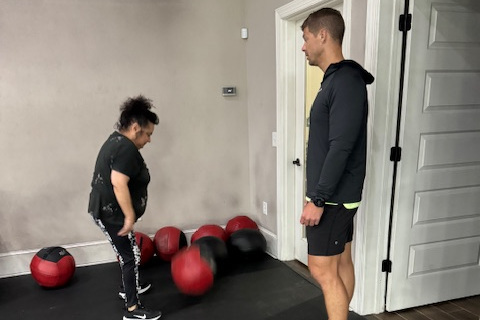

If you're experiencing sports-related back pain, I want you to know that you're not alone. Many athletes face this challenge, which can impact both performance and enjoyment of their favorite activities. As a local chiropractor, I'm here to help guide you through effective relief strategies that can make a significant difference in your recovery.
First and foremost, it's important to understand that back pain often stems from underlying issues related to muscle imbalances, improper posture, or previous injuries. By addressing these root causes, we can tailor a treatment plan just for you. This may include specific stretching and strengthening exercises designed to enhance your flexibility and build resilience in your back muscles.
In addition to exercises, proper posture is crucial in preventing and alleviating pain. I can work with you to develop awareness around your body mechanics, ensuring that you maintain alignment whether you're training, playing, or simply going about your daily life.
You might be surprised by the range of natural healing techniques we can explore together, from chiropractic adjustments to alternative therapies that promote overall wellness. By incorporating these methods, you can improve your condition and maintain your athletic edge. If you're curious about how chiropractic care can support your journey, let's discuss the best options for you!
Understanding Sports-Related Back Pain
As a local chiropractor, I often see athletes of all levels grappling with sports-related back pain. Whether you're a casual weekend player or a dedicated professional, experiencing discomfort in your back can be a significant roadblock to both your performance and enjoyment of your sport. It's essential to understand the nature of this pain in order to manage it effectively.
Back pain can present itself in various forms, such as muscle soreness, stiffness, or even sharp pain. These symptoms can arise from activities you perform during training or competition. You may notice that the pain intensifies after intense workouts, improper lifting techniques, or repetitive motions that are common in your sport.
It's crucial to recognize that your body's mechanics play a significant role in your movements, and identifying potential stress points can help you address the discomfort.
One of the first steps in preventing and managing back pain is to maintain proper posture and engage your core muscles. Additionally, warming up adequately before practices and competitions is vital. Being in tune with your body is equally important; if something doesn't feel right, don't hesitate to seek help. Ignoring pain can lead to more serious injuries, which can have a lasting impact on your athletic performance and overall health.
Incorporating flexibility and strength training into your routine can help create a more balanced muscular structure, which may reduce the risk of back pain. Recovery should also be a priority. Adequate rest, hydration, and nutrition are key components in how your body heals and functions.
By understanding and respecting your body's limits, you can take proactive steps to prevent sports-related back pain and enhance your athletic journey.
As a chiropractor, I'm here to support you in your recovery and help you achieve optimal health through natural healing methods. Together, we can work towards alleviating pain and improving your performance so that you can enjoy your sport to the fullest.
Common Causes of Back Pain
As a local chiropractor, I want to help you understand some common causes of back pain that many of my patients experience.
One of the primary reasons for discomfort is muscle strains and sprains, which can occur quite easily in everyday life. It's also important to consider how poor posture mechanics during physical activities can significantly impact your back health.
Many people may not realize that engaging in their favorite sports can lead to overuse injuries and repetitive stress, which often results in persistent pain.
This discomfort can hinder your performance in these activities and affect your overall quality of life. By addressing these issues through chiropractic care, we can help restore balance and promote natural healing for your back.
Muscle Strain and Sprain
As a local chiropractor, I want to help you understand some common causes of back pain, particularly muscle strains and sprains, which can be frequent issues for those who lead an active lifestyle.
It's essential to recognize that when we push our bodies too hard or use improper techniques, we risk injuring our muscles and ligaments. These injuries can lead to discomfort that not only affects your physical performance but also interferes with your daily activities.
Here are some prevalent causes of muscle strains and sprains that I often see in my practice:
- Overexertion: Engaging in heavy lifting or intense workouts without a proper warm-up can put undue stress on your muscles and lead to strains.
- Sudden Movements: Quick, unexpected actions, such as twisting or bending awkwardly, can stretch your back muscles beyond their limits, resulting in injury.
- Inadequate Conditioning: If you haven't taken the time to strengthen your core and back muscles, you're more susceptible to injuries during physical activities.
- Previous Injuries: A history of back injuries can increase your likelihood of experiencing strains and sprains again in the future.
By recognizing these causes, you can take proactive steps towards prevention. Incorporating proper warm-up routines, focusing on strength-building exercises, and listening to your body's signals are crucial in maintaining a healthy back.
If you do experience pain, I encourage you to reach out for professional help. As a chiropractor, I can provide you with personalized recovery strategies and natural healing techniques to get you back to your best self.
Poor Posture Mechanics
As a local chiropractor, I want to share how poor posture mechanics can significantly impact your back health. Many people don't realize that slouching or hunching over—whether at your desk or while exercising—can lead to unnecessary strain on your spine and the muscles that support it. This misalignment often results in tension, pain, and stiffness in your back, which can keep you from enjoying your favorite activities.
It's important to recognize that poor ergonomics in your work environment or during physical activities can exacerbate back issues. For example, if you find yourself leaning forward while lifting weights or sitting with rounded shoulders, you're setting yourself up for discomfort.
Even your choice of footwear plays a role; wearing unsupportive shoes can disrupt your alignment and contribute to back pain.
To help alleviate these problems, I encourage you to be mindful of your posture throughout the day. When standing or walking, aim to align your ears, shoulders, and hips in a straight line.
While sitting, make sure your chair provides proper support for your lower back and that your feet remain flat on the ground. By focusing on maintaining good posture, you can relieve discomfort and enhance your overall back health.
This proactive approach will help you stay active and pain-free, and it's a key aspect of chiropractic care and natural healing that I'm here to support you with.
Overuse and Repetitive Stress
As a local chiropractor, I want to help you understand how overuse and repetitive stress can impact your back health. Many of my patients, whether they're athletes or simply enjoy staying active, often come to me with complaints of back pain linked to these issues.
It's important to recognize that engaging in repetitive motions or overexerting yourself can lead to significant discomfort over time.
Back pain from overuse typically stems from activities that your body may not be fully conditioned for. When you perform repetitive movements without proper care, it can cause your muscles and ligaments to become fatigued and strained.
Here are some common causes of back pain related to overuse that I encourage you to be aware of:
- Improper Lifting Techniques: Relying on your back instead of your legs when lifting can put unnecessary strain on your muscles.
- Frequent Twisting Motions: Activities like tennis or golf can lead to repetitive stress on your spine, which may result in pain.
- Lack of Rest: It's crucial to allow your body adequate time to recover. Continual stress without rest can lead to cumulative injuries.
- Poor Core Strength: If your abdominal muscles are weak, they may not provide the necessary support for your spine during physical activities, leading to discomfort.
Understanding these factors can help you take proactive steps to protect your back.
If you're experiencing pain, I'm here to guide you through natural healing methods and chiropractic care that can alleviate discomfort and promote a healthier, more active lifestyle.
Importance of Stretching
As a local chiropractor, I want to emphasize the crucial role that stretching plays in maintaining a healthy and pain-free back, especially for those engaged in sports.
Stretching not only enhances your flexibility and mobility, which allows for freer movement, but it also plays a significant part in injury prevention. Regular stretching can improve your posture and alignment, which is essential for maintaining proper form during physical activities.
By incorporating stretching into your routine, you can support your body's natural healing processes and promote overall well-being.
Enhances Flexibility and Mobility
As a local chiropractor, I want to emphasize the importance of enhancing flexibility and mobility through stretching for maintaining a healthy back. Many people may not realize that stretching is a crucial component of overall spinal health, especially for those who are active in sports or other physical activities.
By incorporating regular stretching routines into your daily regimen, you can significantly improve your range of motion, which not only helps you perform better but also allows you to engage in your favorite activities with greater ease.
Let's explore some of the key benefits of enhancing flexibility and mobility through stretching:
- Improved Posture: Regular stretching helps align your spine and strengthens the core muscles that support your back. This promotes better posture, which is essential during any physical activity and can help prevent potential injuries.
- Increased Blood Flow: Stretching improves circulation, which is vital for muscle recovery. Enhanced blood flow can help reduce stiffness in your back and promote overall healing, making it easier for you to enjoy an active lifestyle.
- Enhanced Performance: A flexible body allows for greater movement efficiency. When your muscles and joints are limber, you can achieve peak performance in your sports and activities, minimizing the risk of strain or injury.
- Stress Relief: Stretching isn't just beneficial for your body; it also serves as a powerful stress reliever. By alleviating tension and stress, both physically and mentally, stretching contributes to a healthier back and overall well-being.
At our chiropractic clinic, we encourage you to consider incorporating stretching into your routine. It's a simple yet effective way to support your back health and improve your quality of life.
If you have any questions or would like personalized advice on stretching techniques, feel free to reach out to us!
Prevents Injury Occurrences
As a local chiropractor, I want to emphasize the importance of incorporating regular stretching into your daily routine, not just for flexibility, but also as a vital strategy for preventing injuries. When you engage in stretching, you're effectively preparing your muscles for the physical demands of your activities, which can significantly lower the risk of strains and sprains.
Tight muscles can create imbalances in your body and lead to improper movement patterns, increasing the chances of injury. By maintaining flexibility through consistent stretching, you ensure that your muscles and joints are functioning optimally, which is essential for overall health and well-being.
In addition, stretching enhances your range of motion, allowing you to move more efficiently. This efficiency is crucial because it means your body won't have to compensate for tight muscles, which often leads to overuse injuries over time.
I recommend that you take the time to stretch key muscle groups both before and after your workouts, particularly those that are commonly engaged in your sport or physical activities.
Improves Posture and Alignment
As a local chiropractor, I want to share some insights on how regular stretching can significantly enhance your posture and alignment, which are vital for your overall well-being.
Many people are unaware that stretching does more than just improve flexibility; it also helps relieve muscle tension and promotes a balanced body alignment. When your muscles are relaxed and properly stretched, you're more likely to maintain an upright posture, which can alleviate strain on your back during both daily activities and sports.
To truly benefit from stretching and its impact on your posture, I recommend considering the following tips:
- Target key muscle groups: It's essential to stretch areas that often become tight, such as your chest, shoulders, hip flexors, and hamstrings. These stretches can help counteract the negative effects of prolonged sitting or specific movements in sports.
- Incorporate dynamic stretching: Before engaging in physical activities, dynamic stretches can effectively prepare your muscles and joints, promoting better alignment and reducing the risk of injury.
- Explore yoga or Pilates: These practices are fantastic for enhancing body awareness, balance, and controlled movements—all of which play a crucial role in improving your posture.
- Create a stretching routine: Consistency is key! I encourage you to make stretching a regular part of your warm-up and cool-down sessions. By doing so, you'll start to notice significant improvements in your posture over time.
As you embark on this journey toward better posture, remember that chiropractic care can also support your efforts.
We're here to guide you on a path to natural healing and overall wellness.
Strengthening Exercises for Support
As a chiropractor, I want to emphasize the importance of strengthening your core and back muscles for the overall support and health of your body, especially during physical activities. A robust core not only stabilizes your spine and pelvis but also plays a crucial role in preventing injuries and enhancing your athletic performance.
By incorporating specific exercises into your routine, you can significantly improve your strength and endurance, which are vital for optimal function.
Let's start with planks, a fantastic exercise that engages both your core and back muscles. Begin by holding a plank position for 20 to 30 seconds. As you build strength, gradually increase the duration. I recommend aiming for three sets.
Another effective exercise is the bird-dog. Start on all fours and extend one arm forward while simultaneously extending the opposite leg back. Hold this position for a few seconds before switching sides. This exercise is excellent for promoting balance and coordination while effectively targeting your lower back and core.
Bridges are another key exercise to include in your routine. Lie on your back with your knees bent and feet flat on the ground. Lift your hips towards the ceiling, squeezing your glutes at the top. Hold this position briefly before lowering back down. Aim for three sets of 10 to 15 repetitions.
Lastly, consider adding back extensions to your regimen. Lie face down on a mat with your hands behind your head, and gently lift your chest off the ground. This movement is crucial for strengthening your lower back, which is essential for all athletes.
By integrating these exercises into your daily routine, you can enhance your core and back strength, which will ultimately support your overall well-being and performance in sports.
Ergonomic Practices for Athletes
As a local chiropractor, I want to share with you the importance of proper ergonomics in preventing sports-related back pain and improving your overall athletic performance.
By incorporating ergonomic practices into your training and competition routines, you can ensure that your body remains well-aligned, which significantly decreases the risk of injuries caused by poor posture or improper movement patterns.
Here are some essential ergonomic practices to consider:
- Maintain Good Posture: It's crucial to be mindful of your posture in all activities—whether you're standing, sitting, or moving. Keeping your shoulders back and your spine properly aligned can help minimize strain on your back and support your athletic endeavors.
- Use Proper Equipment: Investing in the right gear is vital for supporting your body's natural alignment. This means choosing shoes that provide adequate support and using equipment that's appropriately sized and suited to your strength level. Proper equipment can make a world of difference in your performance and comfort.
- Warm-Up and Cool Down: Always include dynamic stretches and mobility exercises in your warm-up routine. Follow this with static stretches during your cool-down. These practices help maintain flexibility and reduce muscle stiffness, both of which are important for injury prevention.
- Incorporate Rest Breaks: Taking regular breaks during your training sessions is essential to prevent fatigue. Use these moments to check your posture and make any necessary adjustments. This simple practice can help you stay aligned and reduce the risk of injury.
By prioritizing these ergonomic practices, you can enhance your athletic performance while also protecting your body from potential injuries.
If you have any questions or would like to learn more about how chiropractic care can support your athletic journey, feel free to reach out!
The Role of Physical Therapy
As a local chiropractor, I want to share the vital role that chiropractic care can play in managing and alleviating sports-related back pain. If you're experiencing discomfort, a chiropractor can help identify the underlying cause of your pain through a comprehensive assessment.
We carefully examine your movement patterns, posture, and any specific activities that might be contributing to your issues. Once we understand your situation, I'll develop a personalized treatment plan tailored to your unique needs.
This plan often includes specific adjustments aimed at correcting misalignments in your spine and enhancing your overall mobility. By addressing these areas, we can provide better support for your spine and significantly reduce the risk of future injuries.
In addition to spinal adjustments, I may utilize various manual therapy techniques, such as soft tissue manipulation. These methods can help relieve pain and restore normal function to your back.
I'll also provide guidance on proper body mechanics, which is essential for preventing injuries while participating in your favorite sports activities. Education is a key component of chiropractic care.
I strive to empower my patients by teaching them about their conditions and the importance of proper warm-ups, cool-downs, and recovery techniques. This knowledge enables you to make informed decisions regarding your training and activity levels, allowing you to engage in sports more safely and effectively.
Alternative Therapies and Treatments
As a local chiropractor, I often encounter athletes who are looking for ways to complement their recovery from sports-related back pain. It's important to understand that alternative therapies can play a significant role in your overall healing journey. Here are some options that I frequently recommend to my patients:
- Acupuncture: This ancient practice from Chinese medicine involves the insertion of thin needles into specific points on the body. It's known for its ability to relieve pain and enhance energy flow. Many athletes I've worked with have reported substantial pain relief and quicker recovery times after sessions.
- Chiropractic Care: At my practice, I focus on realigning the spine and improving joint function through targeted adjustments. Regular chiropractic care can help reduce back pain and may even boost your athletic performance. It's a natural way to support your body's healing processes.
- Massage Therapy: Therapeutic massage is another fantastic option to alleviate muscle tension and enhance circulation. Whether you prefer deep tissue or sports massage, this therapy can help relax tight muscles, promote healing in your back, and prepare your body for optimal performance.
- Yoga: Incorporating yoga into your fitness routine can do wonders for your flexibility, strength, and balance. Many specific poses are designed to relieve back pain and build a stronger core, which is essential for supporting your spine during athletic activities.
Before embarking on any alternative therapy, I strongly encourage you to consult with a healthcare professional to ensure it's the right fit for your unique situation.
Combining these therapies with standard treatments like physical therapy can create a comprehensive recovery plan. Remember to listen to your body, remain consistent with your chosen therapies, and you may just discover the relief you need to get back to doing what you love.
Tips for Long-Term Prevention
As a local chiropractor, I want to share some essential tips for preventing sports-related back pain through natural and proactive measures. One of the most effective strategies is to strengthen your core. A robust core provides vital support for your spine, which can alleviate strain during physical activities. I recommend incorporating exercises such as planks, bridges, and abdominal crunches into your fitness routine to build this strength.
Flexibility is another key component in maintaining a healthy back. Regular stretching is crucial for preserving muscle elasticity, especially after workouts. Consider integrating yoga or dynamic stretching into your regimen to enhance your range of motion and reduce stiffness, which is often a precursor to injuries.
It's also important to be mindful of your posture, whether you're engaged in sports or simply going about your daily life. Maintaining proper alignment minimizes stress on your back. Remember to engage your core and keep your back straight, whether you're sitting at a desk or lifting weights.
Investing in the right equipment is another critical factor. Wearing appropriate footwear and using gear that fits well can significantly influence your body mechanics. Always ensure that your equipment is suited to your specific sport and fits properly.
Don't underestimate the importance of warming up and cooling down before and after your workouts. A thorough warm-up prepares your muscles for the demands of exercise, while a cool-down helps your body transition back to a resting state. This routine can greatly reduce muscle tightness and soreness.
Lastly, always listen to your body. If you experience pain or discomfort, it's vital not to push through it. Take a break, assess your movements, and pay attention to any early signs of fatigue or strain. Recognizing these signals can help you prevent more serious injuries down the line.
Conclusion
As a local chiropractor, I want to share some effective strategies to help you manage sports-related back pain. By integrating techniques such as stretching, core strengthening, and proper ergonomics into your routine, you can significantly improve your flexibility and provide essential support to your spine.
Chiropractic care is a natural approach that focuses on aligning your spine and improving your overall well-being. Many of my patients have found relief through regular adjustments, which can enhance your body's function and reduce pain.
Additionally, don't overlook the benefits of alternative therapies like yoga, which can complement chiropractic treatment by promoting relaxation and improving flexibility. It's also crucial to prioritize preventive measures—developing good habits now can save you from discomfort in the future.
By embracing these strategies, not only can you alleviate pain, but you can also enhance your enjoyment of sports activities. Remember, staying active is key to maintaining a healthy back! If you have any questions about how chiropractic care can benefit you, feel free to reach out.