
If you’re experiencing lower back pain, it can be both frustrating and limiting. Understanding what may be causing your discomfort is crucial for your recovery. Fortunately, by incorporating a few key strategies, you can ease your pain and prevent future issues. Each step is vital in your healing journey, and it’s important to tackle them in a systematic way. Let’s discuss the essential steps you can take to restore your comfort and strength, with a special focus on the benefits of chiropractic care.
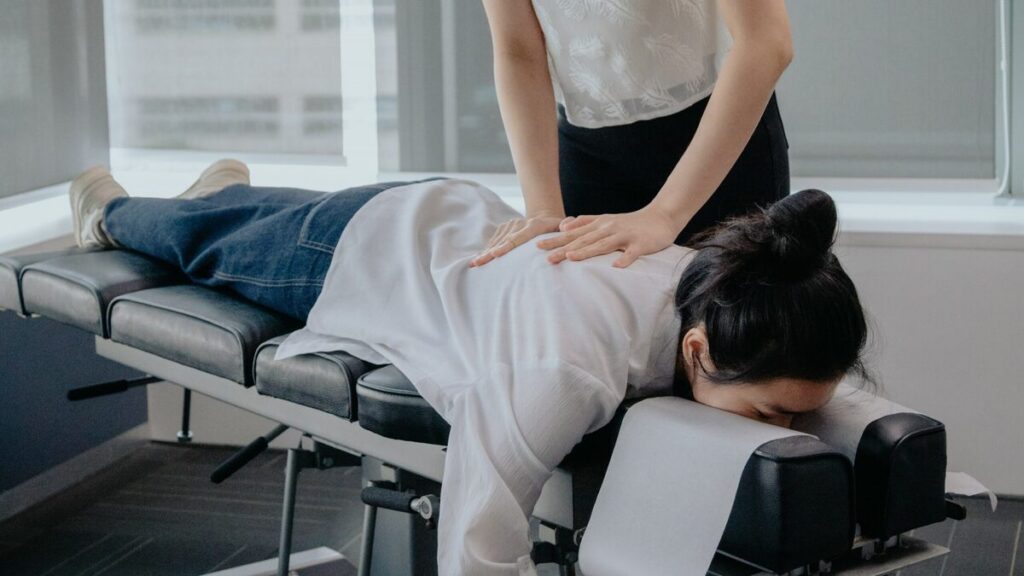
- Seek Chiropractic Care: The first and most effective step is to consult with a chiropractor. They specialize in spinal health and can help identify the root cause of your pain. Through gentle adjustments and manipulations, chiropractic care can realign your spine, relieving pressure on nerves and improving your overall function.
- Stay Active: While it may be tempting to rest, gentle movement is key. Simple activities like walking or light stretching can promote healing. Your chiropractor can guide you on safe exercises tailored to your needs.
- Practice Good Posture: Maintaining proper posture while sitting, standing, or lifting can significantly reduce strain on your back. Be mindful of how you position your body, and consider chiropractic advice on ergonomics in your daily life.
- Incorporate Strengthening Exercises: Strengthening your core and back muscles can provide better support for your spine. Your chiropractor can recommend specific exercises that will help build strength without aggravating your pain.
- Utilize Heat and Cold Therapy: Applying heat or cold packs can help manage pain and inflammation. Heat can relax tight muscles, while cold therapy can reduce swelling. Always consult with your chiropractor on the best methods for your situation.
- Stay Hydrated and Eat Well: Proper nutrition and hydration can aid in your recovery. Foods rich in anti-inflammatory properties, like fruits, vegetables, and whole grains, can support healing. Your chiropractor may provide dietary tips that align with your healing process.
- Prioritize Rest and Recovery: Make sure to give your body time to heal. Adequate sleep and rest can greatly enhance your recovery efforts. Your chiropractor can advise you on sleep positions and supportive mattresses that promote spinal health.
By focusing on these steps, especially the importance of chiropractic care, you can effectively manage your lower back pain and move toward a healthier, more active life. Remember, you don’t have to navigate this journey alone—your chiropractor is here to support you every step of the way!
Understand the Cause of Your Pain
Understanding the cause of your lower back pain is crucial for achieving relief and promoting overall wellness. As a chiropractor, I believe that identifying the root of your pain can guide you toward the most effective, natural healing methods. Common causes of lower back pain include muscle strain, herniated discs, or even conditions like arthritis. By pinpointing the specific cause, you can better understand what’s aggravating your pain and how to address it.
Start by reflecting on recent activities that may have triggered your discomfort. Did you lift something heavy, or have you been sitting for too long? Keeping a simple journal can help you track pain patterns and identify potential triggers. This information can be valuable when discussing your concerns during a chiropractic visit.
Consulting with a chiropractor can provide you with personalized insights and assessments. Through gentle adjustments and techniques, chiropractic care can help realign your spine, relieve tension, and promote healing. It’s a natural approach that avoids medications or surgeries, focusing instead on your body’s ability to heal itself.
In addition to chiropractic adjustments, here are some general tips to help manage your lower back pain:
- Stay Active: Gentle exercises, like walking or stretching, can keep your muscles strong and flexible.
- Practice Good Posture: Pay attention to your posture while sitting, standing, and lifting to reduce strain on your back.
- Use Supportive Furniture: An ergonomic chair and proper desk setup can make a big difference in how your back feels throughout the day.
- Stay Hydrated: Drinking plenty of water supports overall health and helps maintain the elasticity of your spinal discs.
- Apply Heat or Cold: A warm compress or an ice pack can provide temporary relief from pain or inflammation.
Practice Proper Posture
Maintaining proper posture isn’t just about looking good; it’s crucial for your overall health and can help prevent and alleviate lower back pain. As a chiropractor, I want to emphasize how the way you sit, stand, and move can significantly affect your spine’s well-being.
Here are some simple and practical tips to help you practice proper posture throughout your day, promoting better alignment and supporting your journey to natural wellness:
- When sitting: Aim to keep your back straight and shoulders relaxed. Your feet should be flat on the floor, and your knees should be at hip level. Consider using a chair that offers good lumbar support, as this will help maintain the natural curve of your spine.
- When standing: Distribute your weight evenly between both feet. Keep your shoulders back and your head aligned with your spine. If you find yourself standing for long periods, it may help to shift your weight from one foot to the other or use a small footrest to relieve pressure on your back.
- When lifting: Always bend at your hips and knees instead of at your waist. This technique helps protect your back from strain. Remember to keep objects close to your body while lifting to minimize the load on your spine.
Incorporating these posture tips into your daily life can be a powerful way to support your spinal health.
If you’re experiencing pain, consider visiting a chiropractor to explore gentle adjustments and natural healing techniques tailored to your needs. Chiropractic care is a safe and effective approach to achieving optimal health and wellness without relying on medications or surgeries.
Engage in Gentle Stretching and Strengthening Exercises
To recover from lower back pain, it’s essential to incorporate gentle stretching and strengthening exercises into your routine. These activities not only improve flexibility and core strength but also significantly reduce discomfort while enhancing overall stability.
As a chiropractor, I want to emphasize that chiropractic care is a vital part of your path to recovery, promoting natural healing and optimal health.
Let’s explore some safe and effective stretching practices that can help alleviate your pain and support your spine.
- Pelvic Tilts: This simple exercise helps strengthen your lower back and abdominal muscles. Lie on your back with your knees bent. Gently flatten your back against the floor by tightening your abdominal muscles and tilting your pelvis. Hold for a few seconds, then relax. Repeat several times.
- Cat-Cow Stretch: This gentle yoga pose increases flexibility in your spine. Start on your hands and knees. Inhale as you arch your back, dropping your belly towards the floor (Cow Pose). Exhale as you round your back, tucking your chin to your chest (Cat Pose). Alternate between these positions for a few minutes.
- Child’s Pose: This restorative pose stretches your back and hips. Kneel on the floor, sit back on your heels, and stretch your arms forward on the ground while lowering your forehead to the floor. Hold this position for several breaths, feeling the gentle stretch along your spine.
- Knee-to-Chest Stretch: This stretch helps relieve tension in your lower back. Lie on your back and pull one knee towards your chest, holding for 20-30 seconds. Switch legs and repeat. This can be done several times throughout the day.
- Strengthening Your Core: A strong core supports your spine. Incorporate exercises like bridges and planks into your routine. For a bridge, lie on your back with knees bent, lift your hips toward the ceiling, and hold for a few seconds before lowering back down.
Remember, chiropractic care plays a crucial role in your recovery journey. Regular adjustments can help realign your spine, improve mobility, and enhance your overall well-being.
If you’re experiencing persistent pain, don’t hesitate to reach out to a chiropractor who can tailor a treatment plan just for you.
By integrating these gentle stretches and strengthening exercises into your daily life, along with chiropractic care, you can take significant steps towards a pain-free and healthier lifestyle.
Your spine deserves the best care, and together, we can work towards achieving optimal health!
Importance of Flexibility
Flexibility is a crucial component in the journey to recover from lower back pain, and incorporating gentle stretching and strengthening exercises can significantly enhance your healing process. By improving your flexibility, you can alleviate tension in your muscles and enhance your overall mobility.
As a chiropractor, I want to share with you some key benefits of focusing on flexibility:
- Increased Range of Motion: Engaging in regular stretching allows your joints and muscles to move more freely, reducing stiffness and promoting better movement in your daily activities.
- Reduced Pain: Simple, gentle stretches can help ease muscle tension and discomfort in your lower back, providing you with much-needed relief and comfort.
- Improved Posture: Flexibility plays a vital role in aligning your spine properly. Good posture can prevent future back pain and support your overall spinal health.
Incorporating flexibility exercises into your routine not only aids in recovery but also enhances your overall well-being.
Here are a few tips to get you started:
- Start Slow: Begin with gentle stretches that feel comfortable and gradually increase the intensity as your flexibility improves.
- Consistency is Key: Aim to stretch regularly, ideally daily, to see the best results in your flexibility and pain relief.
- Listen to Your Body: Pay attention to how your body responds to different stretches. If something feels painful, ease off or consult with your chiropractor for guidance.
Prioritizing flexibility in your routine can lead to positive changes in your health.
Core Strengthening Techniques
Building on the foundation of flexibility, core strengthening is a vital aspect of maintaining a healthy spine and alleviating lower back pain. By focusing on your core, you provide essential support to your spine and enhance your posture, which is crucial for overall wellness.
Simple exercises like planks, bridges, and bird-dogs can be integrated into your routine to engage your abdominal and back muscles, promoting stability and strength. Aim for 10-15 repetitions of each exercise, and as you become stronger, feel free to gradually increase the intensity.
It’s important to pay attention to how your body feels; if any exercise causes discomfort, take a step back. Incorporating these movements a few times a week can lead to noticeable improvements in your strength and comfort levels.
Remember, consistency is key! Strengthening your core not only supports your back health but also aids in preventing future issues. Alongside these exercises, regular chiropractic care can enhance your overall well-being and help address any underlying issues contributing to pain.
Safe Stretching Practices
As a local chiropractor, I want to emphasize the importance of safe stretching practices to enhance your core strengthening and promote recovery from lower back pain.
Gentle stretching not only increases flexibility but also alleviates muscle tension, which is crucial for maintaining a healthy spine. Here are some effective and safe stretching techniques you can incorporate into your routine:
- Cat-Cow Stretch: This gentle yoga movement is excellent for mobilizing your spine and relieving stiffness. It involves alternating between arching and rounding your back, which can improve spinal flexibility.
- Child’s Pose: A soothing stretch that gently elongates the back while promoting relaxation. This pose can help reduce stress and tension in the lower back.
- Hamstring Stretch: Tight hamstrings can significantly contribute to lower back discomfort. A simple hamstring stretch can help release that tension, making it easier to maintain good posture and support your spine.
Always pay attention to your body and avoid any movements that cause pain.
Regularly practicing these stretches can improve your mobility and support your recovery process. With consistent effort and the right chiropractic care, you can move more freely and comfortably, enhancing your overall well-being.
Apply Heat or Cold Therapy
To effectively alleviate lower back pain, incorporating heat or cold therapy into your routine can be a game changer. As a local chiropractor, I want to emphasize how these natural methods not only provide relief but also support your overall wellness journey.
Heat therapy is fantastic for relaxing tight muscles and enhancing blood flow to the affected area. You can easily do this at home using a heating pad, a hot water bottle, or even a warm towel. Just remember to apply the heat for about 15 to 20 minutes at a time. This warmth can soothe discomfort and promote a sense of relaxation, allowing your body to heal naturally.
Conversely, cold therapy is an excellent option for reducing inflammation and numbing sharp pains. Ice packs or cold compresses can be very effective; just be sure to wrap them in a cloth before placing them on your skin to avoid frostbite. Apply them for about 10 to 15 minutes to help manage acute pain.
When deciding between heat and cold therapy, consider your specific symptoms. Some individuals find that alternating between the two can provide a balanced approach to pain management. Always listen to your body and choose the method that feels best for you.
Remember, while these therapies can offer immediate relief, they’re best complemented by regular chiropractic care, which addresses the root causes of pain and promotes long-term wellness.
Consider Professional Treatment Options
While home remedies like heat and cold therapy can provide temporary relief for lower back pain, exploring professional treatment options, particularly chiropractic care, is crucial for addressing the root causes of your discomfort.
As a chiropractor, I believe that the body has an incredible ability to heal itself, and my goal is to help you tap into that natural healing process.
Here are some effective chiropractic treatment options you might consider:
- Chiropractic Adjustments: By using precise spinal manipulation techniques, I can help restore proper alignment to your spine. This not only alleviates pain but also improves overall function and mobility in your back.
- Physical Rehabilitation: Alongside adjustments, I often recommend specific exercises and stretches that strengthen your back muscles and enhance flexibility. This can create a more stable support system for your spine, reducing the likelihood of future pain.
- Lifestyle Guidance: It’s essential to adopt healthier habits that promote spinal health. Simple changes like maintaining good posture, using ergonomic furniture, and staying active can make a big difference in how your back feels.
In addition to these treatments, remember to listen to your body. If you experience discomfort, take breaks, and practice relaxation techniques to help manage stress, which can contribute to muscle tension.
Stay Active and Maintain a Healthy Weight
Staying active and maintaining a healthy weight are crucial steps in your journey towards recovery from lower back pain. As a chiropractor, I want to emphasize how regular exercise and mindful eating can’t only strengthen your back but also alleviate the strain that contributes to discomfort.
Engaging in activities that promote spinal health, such as stretching, walking, or low-impact exercises, can significantly enhance your overall wellness. These activities help improve flexibility and strength in your back, while also encouraging better posture.
Maintaining a healthy weight is equally important. When you manage your weight effectively, you reduce the pressure on your spine and support its natural alignment. This can lead to less pain and a greater sense of well-being.
Here are some simple tips to help you stay active and maintain a healthy weight:
- Incorporate Movement into Your Day: Find ways to be active throughout your day. This could be as simple as taking short walks, using stairs instead of elevators, or doing gentle stretches during breaks.
- Choose Nutritious Foods: Focus on a balanced diet rich in fruits, vegetables, lean proteins, and whole grains. These foods provide essential nutrients that support your body and spine.
- Stay Hydrated: Drinking plenty of water is vital for overall health. Proper hydration helps maintain the elasticity of spinal discs and supports joint health.
- Listen to Your Body: Pay attention to how your body feels during activities. If something causes pain, it’s important to stop and consult with your chiropractor for guidance.
- Regular Chiropractic Adjustments: Consider regular visits to your chiropractor. Adjustments can help align your spine, improve mobility, and reduce pain, making it easier to stay active and maintain a healthy weight.
Remember, chiropractic care is a natural and effective way to achieve optimal health. By focusing on movement and nutrition, you can take significant steps towards a healthier, pain-free life.
Always prioritize your well-being and consult with your chiropractor for personalized advice tailored to your specific needs.
Importance of Regular Exercise
Regular exercise is vital for those dealing with lower back pain. It not only strengthens your core muscles but also supports weight management, which is crucial for overall health. Staying active can significantly alleviate discomfort and enhance your overall well-being.
By incorporating regular workouts into your routine, you improve flexibility and endurance—both essential for maintaining a healthy spine.
As a chiropractor, I want to emphasize the importance of exercise in your journey to wellness. Here are some key benefits of regular exercise for your back health:
- Strengthens Core Muscles: A strong core is your spine’s best friend. It provides necessary support and reduces strain on your back, helping to prevent pain and injury.
- Improves Flexibility: Enhanced flexibility can prevent injuries and relieve tension in your back, making everyday activities easier and more comfortable.
- Boosts Mood and Energy: Engaging in regular physical activity releases endorphins, which can lift your spirits and energize your body, contributing to a better quality of life.
To get started, consider integrating simple exercises that focus on stability and flexibility into your daily routine. Stretching, walking, or even participating in low-impact activities like swimming or yoga can be beneficial.
Always listen to your body and consult with your chiropractor for personalized recommendations tailored to your needs.
Healthy Eating Habits
Eating well is crucial for managing lower back pain and maintaining a healthy weight, both of which can enhance your overall wellness and complement chiropractic care. The right nutrition fuels your body for activity and recovery, making it easier to engage in the movements that keep your spine healthy.
Consider filling your plate with whole foods such as colorful fruits, vibrant vegetables, lean proteins, and hearty whole grains. These foods are packed with the vitamins and minerals that support muscle health and repair, which is essential for those of us looking to alleviate pain naturally.
Hydration is also key to spinal health. Drinking plenty of water helps maintain the health of your spinal discs and can reduce stiffness in your back. Aim to keep a water bottle handy throughout the day to remind yourself to stay hydrated.
Be mindful of processed foods, sugary snacks, and items high in sodium. These can lead to inflammation and unwanted weight gain, which can put extra pressure on your spine. Instead, focus on choosing nutrient-dense options that not only aid in your recovery but also help you stay active and energized.
Remember, what you eat plays a significant role in your overall well-being and pain management. By prioritizing healthy eating habits alongside regular chiropractic care, you can achieve optimal health and a more comfortable life.
Small changes in your diet can lead to big improvements in your spinal health and overall vitality.
Weight Management Strategies
Maintaining a healthy weight is crucial for effectively managing lower back pain and enhancing your overall well-being. Extra weight can place significant stress on your spine and muscles, leading to discomfort and pain. Here are some simple yet effective strategies to help you stay active and maintain a healthy weight while promoting natural healing through chiropractic care:
– Stay Active with Regular Exercise: Aim for at least 150 minutes of moderate exercise each week. Activities like walking, swimming, or cycling not only help burn calories but also keep your spine flexible and strong.
Remember, chiropractic adjustments can enhance your mobility, making it easier for you to engage in physical activities.
– Incorporate Strength Training: Building strength in your core muscles is vital for supporting your back. Focus on exercises that target your abdominal and back muscles, like planks or gentle back extensions.
Your chiropractor can provide tailored exercises that suit your body’s needs and ensure proper technique.
– Monitor Your Diet: Pay attention to what you eat and aim for balanced meals filled with whole foods rich in nutrients. Keeping an eye on your portion sizes can help you avoid overeating.
Consider consulting with your chiropractor for dietary tips that can complement your healing and wellness journey.
Incorporating these strategies into your lifestyle not only aids in weight management but also supports your spine’s health, helping you achieve pain relief naturally.
Develop a Long-Term Prevention Plan
As you work to recover from lower back pain, creating a long-term prevention plan is vital to help you maintain a pain-free lifestyle. At our chiropractic practice, we believe that natural healing and wellness are key to achieving optimal health. Here are some simple and effective strategies to keep discomfort at bay:
1. Incorporate Regular Exercise: Engage in regular physical activity to strengthen your core muscles, which play a crucial role in supporting your spine. Low-impact exercises such as swimming, walking, or even gentle yoga can improve your flexibility and reduce strain on your back.
Consider setting aside time each week to enjoy these activities.
2. Pay Attention to Posture: Good posture is essential, especially when sitting for long periods or lifting objects. Use ergonomic chairs and tools to help maintain proper alignment.
Remember to take frequent breaks if you’re sitting for too long, as standing up and moving around can help relieve tension.
3. Mind Your Body Mechanics: When lifting, always bend at your knees and keep your back straight. Avoid twisting your body while lifting, as this can lead to injury.
Being mindful of how you move throughout your day can significantly reduce the risk of future pain.
4. Consider Chiropractic Care: Working with a chiropractor can be incredibly beneficial for your long-term health. They can provide personalized adjustments and guidance tailored to your specific needs, helping to ensure your spine is aligned and functioning optimally.
5. Stay Educated: Knowledge is power. Understanding your body and how it works can empower you to make better choices for your health.
Take the time to learn about spinal health and wellness to help you stay proactive in your recovery.
By following these strategies and prioritizing chiropractic care, you’ll build resilience against future pain and enhance your overall well-being.
Conclusion
Recovering from lower back pain requires commitment and a proactive mindset. As your local chiropractor, I want to guide you through this journey to optimal health and wellness. First, it’s important to understand the nature of your pain; this knowledge empowers you to make informed decisions about your body.
Practicing good posture is crucial—whether sitting, standing, or lifting, maintaining proper alignment can significantly reduce strain on your back. Incorporating gentle exercises, tailored to your needs, can strengthen your core and support your spine. Remember to stay active and maintain a healthy weight, as both play vital roles in your recovery and long-term health.
Chiropractic care is an excellent option for managing lower back pain. By focusing on spinal alignment and addressing the root causes of your discomfort, we can promote natural healing without the need for medications or invasive procedures. Regular adjustments can help reduce pain, improve mobility, and enhance your overall well-being.
Lastly, it’s essential to develop a long-term prevention plan that includes regular chiropractic visits and healthy lifestyle choices. By doing so, you can avoid future issues and continue to live your life to the fullest. Keep moving forward, and remember, chiropractic care is here to support you every step of the way!