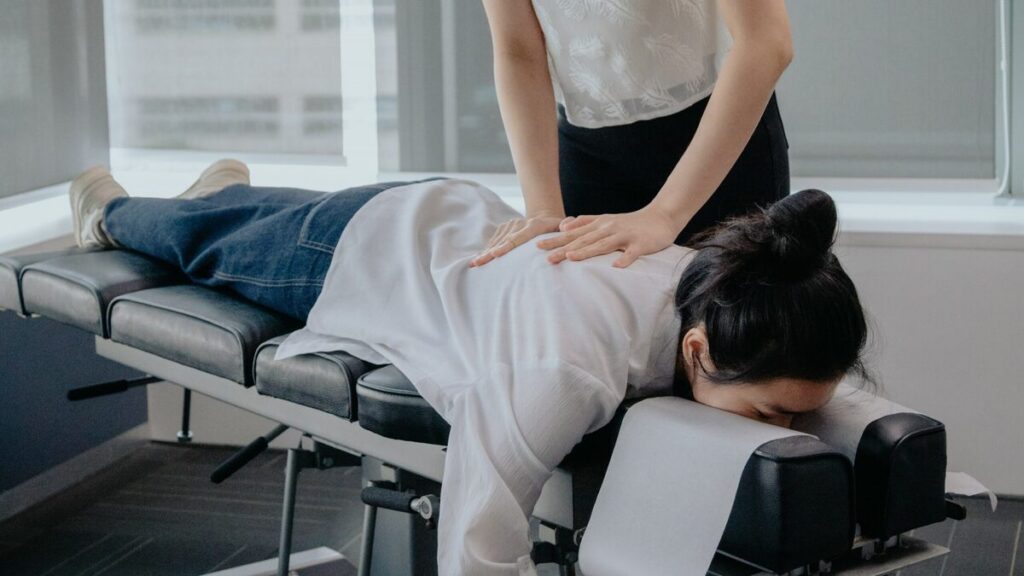

If you’re experiencing neck stiffness, know that you’re not alone. It’s a common issue that can disrupt your daily activities and overall comfort. Fortunately, there are several natural approaches to help alleviate this discomfort. By making a few simple adjustments to your routine and incorporating specific techniques, you can find relief and enhance your neck health. Interested in learning how chiropractic care can support your journey to better wellness? Let’s explore seven effective tips that not only improve your neck health but also promote overall well-being.
- Regular Chiropractic Adjustments: One of the most effective ways to address neck stiffness is through chiropractic care. Regular adjustments can help realign your spine, improve your posture, and reduce tension in the neck muscles. This holistic approach addresses the root cause of stiffness rather than just masking the symptoms.
- Mind Your Posture: Whether you’re sitting at a desk or using your phone, maintaining good posture is crucial. Keep your shoulders back and your head aligned with your spine. If you find yourself slouching, take a moment to correct your posture to prevent unnecessary strain on your neck.
- Gentle Stretching Exercises: Incorporating gentle neck stretches into your routine can relieve tension and improve flexibility. Try slowly tilting your head from side to side or forward and backward. Always listen to your body—if something doesn’t feel right, stop.
- Stay Hydrated: Hydration plays a vital role in maintaining the health of your muscles and joints. Drinking enough water can help keep the discs in your spine well-hydrated, which can ultimately reduce stiffness.
- Heat and Cold Therapy: Applying a warm compress or using a heating pad can help soothe tight muscles. Conversely, cold packs can reduce inflammation. Alternating between heat and cold can provide relief and promote healing.
- Mindful Movement: Engage in activities such as yoga or tai chi that focus on gentle movement and mindfulness. These practices not only improve flexibility and strength but also promote relaxation, which can help ease neck stiffness.
- Ergonomic Workspace: If you spend long hours at a desk, ensure your workspace is ergonomically friendly. Your computer screen should be at eye level, and your chair should support your lower back. Making these adjustments can significantly reduce neck strain.
Remember, the key to alleviating neck stiffness is to take a proactive approach to your health. By incorporating these tips and seeking regular chiropractic care, you can achieve lasting relief and promote a healthier, more balanced lifestyle. Your neck—and your overall health—will thank you!
Practice Gentle Neck Stretches
If you’re experiencing neck stiffness, incorporating gentle neck stretches into your routine can truly enhance your well-being. As a chiropractor, I believe in the power of natural healing and how simple movements can significantly improve your overall health.
Begin by finding a comfortable position, whether sitting or standing, while maintaining a straight back.
Start with a gentle tilt of your head to the right, allowing your ear to move toward your shoulder. Hold this position for about 15 seconds before switching to the other side. This stretch helps to relieve tension and promotes flexibility.
Next, consider rotating your head in a slow circular motion. Begin clockwise and then switch to counterclockwise. This movement helps loosen tight muscles and improves neck mobility. Additionally, looking up toward the ceiling and then down to the floor can further enhance your range of motion. Repeat each position a few times, focusing on a gentle motion.
A particularly effective stretch involves interlacing your fingers behind your head and gently pulling down, allowing your neck to relax. This stretch can help alleviate discomfort and improve posture.
Remember to breathe deeply throughout each stretch; deep breathing encourages relaxation and helps release tension in the muscles.
Incorporating these gentle stretches into your daily routine can’t only improve flexibility but also reduce discomfort, making it easier for you to navigate your day. Consistency is key for the best results.
Maintain Good Posture
Maintaining good posture is crucial not only for preventing neck stiffness but also for enhancing your overall health. As a chiropractor, I often see how poor posture can lead to discomfort and tension. When you sit or stand, aim to keep your shoulders relaxed and align your ears with your shoulders.
Picture a straight line running from the top of your head down to your tailbone—this alignment helps minimize strain on your neck muscles and supports your spine.
For those of you who spend long hours at a desk, it’s important to create an ergonomically friendly workspace. Adjust your chair and monitor height so that your screen is at eye level, and make sure your feet are flat on the floor.
Regularly taking breaks to stretch and reset your posture can also work wonders for your neck and back.
Be mindful of how you hold your phone or other devices as well. Instead of leaning your neck forward, try to bring your device up to eye level. This simple adjustment can significantly reduce tension in your neck.
By consistently practicing good posture and being aware of your body mechanics, you can alleviate discomfort and keep your neck feeling flexible and pain-free.
Use Heat Therapy
Heat therapy is a fantastic way to relieve neck stiffness and promote relaxation in your muscles, and it’s a natural method you can easily incorporate into your wellness routine. By applying heat, you’re increasing blood flow, which helps soothe tight muscles and reduce discomfort. You can use options like a heating pad, hot water bottle, or even a warm towel—just ensure that it’s warm, not scalding, to avoid any burns.
For optimal results, apply heat for about 15 to 20 minutes at a time. If you’re looking for a more immersive experience, consider taking a warm shower or bath; the steam and heat can further ease muscle tension. If you’re pressed for time, a warm compress can also provide quick relief.
Always listen to your body—if the heat feels too intense, take it off immediately. I recommend using heat before activities or stretching; this can help prepare your muscles and enhance your range of motion.
Remember, heat therapy is a simple and effective way to enhance your comfort and mobility, making daily tasks much easier.
While heat therapy can be beneficial, don’t forget that regular chiropractic care can play a vital role in your overall health and wellness. By addressing any underlying spinal issues, chiropractic adjustments can help alleviate pain and improve your body’s natural healing processes.
This holistic approach not only targets the symptoms but also works towards achieving optimal health and preventing future discomfort. So, embrace heat therapy as part of your self-care routine, and consider chiropractic care to support your journey to a healthier you!
Stay Hydrated
Staying hydrated is crucial for maintaining the health of your neck muscles and overall spinal wellness. Proper hydration helps keep these muscles relaxed and can significantly reduce stiffness, which is often a contributor to discomfort and pain. If you start experiencing signs of dehydration, such as headaches or fatigue, it’s a clear signal to boost your water intake.
As a chiropractor, I can’t stress enough how important hydration is for your body’s natural healing process. When you’re well-hydrated, your body functions more efficiently, which can enhance the benefits of chiropractic care.
Here are some practical tips to help you stay hydrated and support your journey toward optimal health:
- Set Daily Goals: Aim for a specific amount of water each day. A common recommendation is eight 8-ounce glasses, but your needs may vary based on activity level and climate.
- Carry a Water Bottle: Keep a reusable water bottle with you. This serves as a constant reminder to drink water throughout the day.
- Infuse Your Water: If plain water doesn’t excite you, try adding slices of fruits like lemon, cucumber, or berries for a refreshing twist.
- Eat Water-Rich Foods: Include foods with high water content in your diet, such as cucumbers, oranges, and lettuce, to boost your hydration levels.
- Establish a Routine: Drink a glass of water first thing in the morning and before each meal. This not only helps with hydration but can also aid digestion.
- Listen to Your Body: Pay attention to your thirst cues. If you feel thirsty, that’s your body’s way of asking for water.
Remember, staying hydrated is just one piece of the puzzle when it comes to achieving overall health and wellness. Regular chiropractic adjustments can complement your hydration efforts by ensuring your spine is aligned and functioning properly.
Together, these practices can help you feel your best and prevent discomfort in the long run. Stay hydrated and take care of your spine for a healthier, pain-free life!
Importance of Water Intake
As a local chiropractor, I want to emphasize the vital role that proper hydration plays in maintaining not just your overall health but also the health of your spine and muscles. Many people don’t realize that staying well-hydrated can significantly help in preventing neck stiffness. When your body is dehydrated, your muscles can become tight and tense, leading to discomfort and pain in your neck area.
Drinking enough water is crucial because it keeps your muscles lubricated and functioning optimally, which reduces the risk of stiffness and tension. Aiming for at least eight glasses of water a day is a good starting point, but it’s essential to listen to your body. If you’re active or it’s particularly warm outside, you may need to increase your intake to stay properly hydrated.
Remember that even mild dehydration can impact muscle performance and overall wellness. To help you maintain hydration, consider keeping a water bottle with you throughout the day as a reminder to sip regularly. This simple habit supports your muscle health and, in turn, promotes flexibility and ease in your neck and spine.
In addition to staying hydrated, regular chiropractic adjustments can further enhance your neck and spinal health. Chiropractic care focuses on aligning your spine and improving your body’s function naturally, helping to alleviate pain and promote overall wellness.
Signs of Dehydration
Even if you believe you’re drinking enough water, it’s important to stay alert to the signs of dehydration, as they can significantly impact your overall health and well-being, including your spinal health.
As a chiropractor, I encourage you to pay attention to your body’s signals. Common indicators of dehydration include a dry mouth, fatigue, and dizziness. These can affect your posture and lead to discomfort in your spine.
You may also notice dark yellow urine or infrequent bathroom trips, which are clear signs that your body needs more fluids. Feeling lightheaded or experiencing headaches can be your body’s way of indicating it needs hydration, which is crucial for maintaining healthy spinal function and preventing pain.
Additionally, dehydration can cause dry skin and muscle cramps, particularly in the neck, leading to stiffness and discomfort. This is where chiropractic care can play a vital role; by ensuring your spine is aligned and functioning properly, you can help alleviate some of the discomfort that dehydration may cause.
To support your health, here are a few tips to help you stay hydrated:
- Carry a water bottle with you throughout the day to encourage regular sipping.
- Incorporate hydrating foods like fruits and vegetables into your diet.
- Set reminders on your phone to drink water at regular intervals.
- Keep an eye on the color of your urine; aim for a light yellow color as a sign of proper hydration.
Being proactive about your hydration not only supports your overall wellness but also enhances the effectiveness of chiropractic care.
Hydration Tips and Tricks
To achieve optimal health and wellness, staying properly hydrated is essential, especially for maintaining a healthy spine and reducing discomfort. Here are some simple strategies you can incorporate into your daily routine to ensure you’re drinking enough water and supporting your overall well-being.
First, carry a water bottle with you. This handy reminder will encourage you to sip water throughout the day, making it easier to reach the recommended goal of at least eight 8-ounce glasses daily. However, you may need to adjust this amount based on your activity level or the climate you’re in.
To make hydration more enjoyable, consider adding fresh slices of lemon, cucumber, or berries to your water. These natural flavors can make drinking water more appealing and refreshing. Herbal teas are another excellent choice, as they not only hydrate but also provide additional health benefits.
Incorporating water-rich foods into your diet is another effective way to boost hydration. Foods like cucumbers, lettuce, and watermelon not only quench your thirst but also contribute to your overall fluid intake.
Lastly, don’t hesitate to set reminders on your phone to drink water regularly. This is especially helpful if you often find yourself absorbed in daily tasks and forget to hydrate.
Remember, staying well-hydrated can significantly help alleviate neck stiffness and discomfort, enhancing your overall health and comfort.
As a chiropractor, I emphasize that proper hydration is just one piece of the puzzle for maintaining a healthy spine and body. By prioritizing hydration along with regular chiropractic care, you’re taking proactive steps towards a pain-free, healthier life.
Incorporate Relaxation Techniques
To ease neck stiffness, incorporating relaxation techniques can significantly enhance your overall well-being.
As a chiropractor, I want to emphasize how important it’s to not only address physical issues but also to nurture your mind and spirit. Simple practices like deep breathing exercises can help calm your mind and reduce tension in your body, allowing your neck to feel more at ease.
Consider setting aside a few minutes each day for mindfulness meditation. By focusing on the present moment, you can alleviate stress that may be contributing to your neck discomfort.
These relaxation strategies, combined with regular chiropractic adjustments, can help improve your neck’s flexibility and promote natural healing.
Remember, chiropractic care is an excellent choice for pain relief and achieving optimal health.
By incorporating these easy techniques into your daily routine, you can support your spine and overall wellness.
Take charge of your health, and let your body experience the benefits of a holistic approach to well-being.
Deep Breathing Exercises
One effective way to alleviate neck stiffness is through deep breathing exercises that incorporate relaxation techniques. These exercises not only help you release tension in your neck muscles but also promote overall wellness—a key aspect of chiropractic care.
Here’s how you can do it:
- Find a Comfortable Position: Locate a quiet space where you can sit or lie down without interruptions. This will help you focus on your breathing and relaxation.
- Inhale Deeply: Slowly breathe in through your nose for a count of four, aiming to fill your lungs completely. This deep inhalation increases oxygen flow, which is essential for healing and relaxation.
- Hold for a Moment: Pause for a count of four. This brief moment allows the air to fully expand your chest, which can help relieve tension in the upper body.
- Exhale Slowly: Release your breath gently through your mouth for a count of six. As you exhale, visualize letting go of any tightness or discomfort in your neck.
Incorporating these deep breathing exercises into your daily routine can significantly enhance relaxation and reduce stiffness.
Remember, maintaining proper spinal health through regular chiropractic care can further support your body’s natural healing processes.
By focusing on natural methods like these, you can achieve optimal health and well-being without relying on medications or surgeries.
Take the time to care for your body, and it will reward you with comfort and vitality.
Mindfulness Meditation Practices
Building on the relaxation benefits of deep breathing exercises, mindfulness meditation can be a valuable addition to your routine for alleviating neck stiffness and enhancing overall well-being.
As a chiropractor, I emphasize the importance of natural healing methods, and incorporating mindfulness into your daily life can significantly support your spinal health.
To get started, find a comfortable position where your spine is aligned, close your eyes, and take a moment to focus on your breath. Inhale deeply, and as you do, visualize any tension in your neck and shoulders melting away.
It’s normal for thoughts to pop up during this time—simply acknowledge them without judgment, then gently bring your focus back to your breath. This simple practice not only helps to relax your muscles but also fosters a sense of calm, which can reduce the stress that contributes to stiffness.
By dedicating just a few minutes each day to mindfulness, you can cultivate greater awareness of your body, which is essential for maintaining a healthy spine.
Remember, incorporating these practices can lead to lasting relief from discomfort and improved mobility, complementing the benefits of chiropractic care.
Make mindfulness a part of your wellness journey, and you’ll be taking important steps toward a healthier, more balanced life.
Adjust Your Workspace Ergonomics
Adjust Your Workspace Ergonomics for Optimal Health
As a chiropractor, I understand how crucial your workspace can be for your overall health and wellness. Poor ergonomics can lead to neck stiffness and discomfort, which can negatively impact your daily activities. By making a few simple adjustments, you can create a more comfortable environment that supports spinal health and promotes natural healing.
Here are four key adjustments to consider:
- Monitor Height: Set your monitor at eye level. This helps keep your neck in a neutral position, reducing strain on your spine. An aligned monitor allows your eyes to rest comfortably, which can prevent unnecessary tension in your neck and shoulders.
- Chair Support: Choose a chair that provides adequate support for your lower back. An ergonomic chair helps maintain good posture, which is essential for a healthy spine. Proper support encourages the natural curve of your back, reducing the risk of discomfort and pain.
- Keyboard and Mouse Placement: Position your keyboard and mouse close to your body. Your elbows should be bent at a 90-degree angle, allowing your shoulders to relax. This simple change can significantly reduce tension in your neck and upper back, promoting better overall posture.
- Breaks and Movement: Take regular breaks to stretch and move around. Even a few minutes of gentle movement can help alleviate stiffness and encourage blood flow, which is vital for healing. Incorporating these breaks into your day can enhance your overall well-being and keep your spine healthy.
By implementing these ergonomic adjustments, you can make a significant impact on your neck stiffness and overall comfort.
Remember, chiropractic care is an excellent option for addressing pain and promoting optimal health. Regular visits to your chiropractor can help keep your spine aligned and support your journey toward natural wellness.
Embrace these tips, and take proactive steps to enhance your workspace for a healthier, pain-free life!
Try Essential Oils for Relief
In addition to optimizing your workspace for better posture, exploring the benefits of essential oils can be a wonderful complement to your chiropractic care for relieving neck stiffness. Oils like lavender, peppermint, and eucalyptus are renowned for their soothing properties and can enhance your overall wellness journey.
Consider diluting a few drops of your favorite essential oil with a carrier oil, such as coconut or jojoba, and gently massaging it into your neck and shoulders. This simple practice can help ease tension and promote relaxation, supporting the adjustments you receive during your chiropractic visits.
Additionally, using an essential oil diffuser in your workspace can create a calming atmosphere that further aids in reducing stress and discomfort.
For a more targeted approach, you might find relief by applying a warm compress infused with essential oils to your neck. This method can provide immediate comfort and enhance the benefits of your chiropractic treatments. Just be sure to perform a patch test first to avoid any skin irritation.
Remember, while essential oils can be a helpful addition to your self-care routine, regular chiropractic care is essential for addressing the root causes of neck stiffness and maintaining optimal health.
Conclusion
By incorporating these simple tips into your daily routine, you can effectively alleviate neck stiffness and enhance your overall well-being. As a chiropractor, I believe that maintaining a healthy spine is key to achieving optimal health. Start by practicing gentle neck stretches to relieve tension and promote flexibility. It’s also essential to maintain good posture, especially if you spend long hours at a desk—this can significantly reduce strain on your neck.
Staying hydrated is another important aspect of spinal health. Water helps keep your discs in the spine properly hydrated and functioning well. Don’t forget to take regular breaks throughout your day to give your neck a rest and to adjust your workspace to ensure it supports your natural alignment.
Additionally, heat therapy can be a wonderful way to ease discomfort, as warmth can help relax tight muscles. You might also explore the benefits of essential oils, which can provide soothing relief when used in conjunction with gentle massage.
Remember, while these tips can offer immediate relief, regular chiropractic care is the most effective way to address the root causes of neck stiffness and maintain long-term health. A chiropractor can provide personalized assessments and treatments tailored to your needs, ensuring that your spine is aligned and functioning optimally. By taking care of your neck, you’re investing in your overall health—your body will thank you!