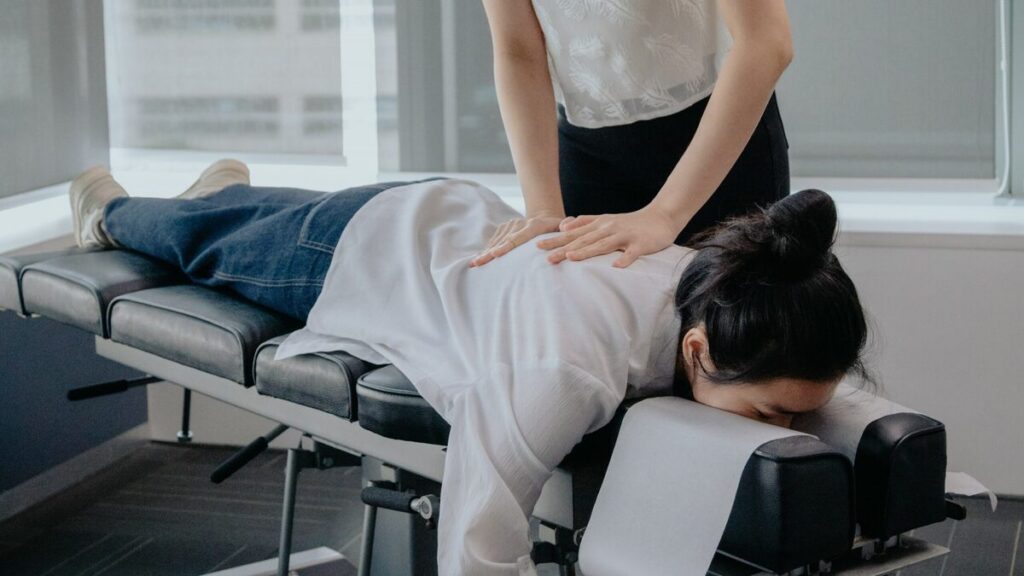

If you’re dealing with migraines and neck pain, know that you’re not alone. Many individuals experience these challenges daily, and finding effective relief can often feel daunting. However, there are practical strategies you can adopt to alleviate discomfort, with chiropractic care standing out as a natural, holistic approach to achieving optimal health.
Chiropractors specialize in spinal health and the body’s overall wellness, focusing on restoring balance and function through non-invasive techniques. By addressing misalignments in the spine, chiropractic care can help reduce tension that contributes to migraines and neck pain. Here are some valuable tips to consider:
- Chiropractic Adjustments: Regular visits to a chiropractor can help realign your spine, reducing nerve pressure and muscle tension. This can lead to fewer migraines and less neck pain over time.
- Posture Awareness: Maintaining good posture is crucial. Be mindful of how you sit, stand, and sleep. Supporting your neck and spine with proper ergonomics can significantly reduce strain.
- Regular Stretching: Incorporate gentle neck and shoulder stretches into your daily routine. This can improve flexibility, release tension, and promote blood flow, all of which are beneficial for migraine relief.
- Hydration: Staying well-hydrated is essential for overall health. Dehydration can trigger migraines, so ensure you’re drinking enough water throughout the day.
- Stress Management: Engage in relaxation techniques such as deep breathing, meditation, or yoga. These practices can reduce stress, which is a common trigger for migraines and neck pain.
- Sleep Hygiene: Quality sleep is vital for recovery and wellness. Establish a calming bedtime routine and ensure your sleeping environment supports spinal alignment.
- Nutrition: Eating a balanced diet rich in omega-3 fatty acids, magnesium, and vitamins can support overall health and may help reduce the frequency of migraines.
By integrating these tips into your lifestyle and prioritizing chiropractic care, you can take proactive steps toward managing your migraines and neck pain. Remember, a chiropractor can provide personalized care tailored to your specific needs, guiding you on your journey to better health and wellness. Don’t hesitate to reach out for support—your spine will thank you!
Practice Relaxation Techniques
When you feel a migraine creeping in, utilizing relaxation techniques can significantly enhance your ability to manage the discomfort. As a chiropractor, I emphasize the importance of a holistic approach to health, which includes addressing both physical and mental well-being.
Begin by finding a peaceful spot where you can sit or lie down comfortably. Close your eyes and take deep, slow breaths. Inhale gently through your nose, allowing your abdomen to rise, then exhale through your mouth. Repeat this for several minutes; it’s a simple yet effective way to calm your mind and alleviate tension that might be contributing to your migraine.
Another effective method to relieve stress is progressive muscle relaxation. Start by tensing and then relaxing each muscle group, beginning from your toes and working your way up to your head. This technique not only releases built-up stress in your body but also promotes better spinal alignment, which is crucial for overall health.
Incorporating mindfulness into your routine can also be beneficial. Focus on your breath and observe your thoughts without judgment, allowing yourself to simply exist in the moment. This practice can help you feel more centered and may reduce the intensity of your migraines.
While these techniques may not completely eliminate the migraine, they can significantly lessen its severity and provide you with a greater sense of control.
Maintain Proper Posture
Proper posture is essential not just for your comfort but also for preventing migraines and enhancing your overall well-being. As a chiropractor, I want to emphasize how maintaining good alignment can significantly reduce strain on your neck and shoulders, which are often culprits in triggering headaches.
Here are some simple tips to help you keep your posture in check and promote natural healing:
- Sit up straight: Imagine a string gently pulling the top of your head towards the ceiling. Keep your back straight and shoulders relaxed, making sure your ears are aligned with your shoulders. This alignment supports your spine and can help alleviate tension.
- Adjust your workspace: Your environment can greatly impact your posture. Ensure your computer screen is at eye level to avoid straining your neck. Choose a chair that supports your lower back, allowing you to sit comfortably without slouching.
- Take breaks: Remember to stand up, stretch, and move around every hour. This simple act prevents stiffness and encourages better alignment. Movement is key to maintaining a healthy spine and preventing discomfort.
By prioritizing your posture and incorporating these tips into your daily routine, you can support your spinal health and experience the natural benefits of chiropractic care.
If you’re dealing with persistent pain or discomfort, consider visiting a chiropractor who can provide tailored adjustments and guidance for achieving optimal health.
Stay Hydrated
Staying hydrated isn’t just vital for your overall health; it plays a significant role in managing migraines as well. As a chiropractor, I often see patients who struggle with headaches that can be exacerbated by dehydration. When your body lacks sufficient water, it can lead to symptoms like dry mouth, fatigue, and dizziness—all signs that you need to boost your fluid intake.
To support your spinal health and overall wellness, make it a daily habit to drink water throughout the day. Proper hydration helps your body function optimally and can help reduce the frequency and intensity of headaches.
Here are some simple tips to ensure you’re staying hydrated:
- Carry a Water Bottle: Keep a reusable water bottle with you at all times. This serves as a constant reminder to sip water throughout the day.
- Set Reminders: Use your phone or an app to set reminders to drink water regularly, especially if you tend to forget.
- Flavor Your Water: If plain water isn’t appealing, try adding slices of fruit like lemon, lime, or cucumber for a refreshing twist.
- Eat Hydrating Foods: Incorporate fruits and vegetables with high water content into your meals, such as cucumbers, watermelon, and oranges.
- Drink Before Meals: Make it a practice to drink a glass of water before each meal. This not only hydrates you but can also aid digestion.
By keeping your body well-hydrated, you’re not only doing your part to prevent migraines but also supporting your spinal health and overall wellness.
Importance of Water Intake
Hydration is essential for overall health and plays a significant role in managing migraines, as even mild dehydration can trigger headaches for many individuals. By staying properly hydrated, you help maintain your body’s balance, which can greatly reduce the frequency and severity of migraines.
As a chiropractor, I can’t stress enough how important it’s to prioritize your wellness and natural healing practices, including proper hydration.
To ensure you’re drinking enough water and supporting your health, here are some simple tips:
- Carry a water bottle: Keeping a water bottle with you makes it easy to sip throughout the day, promoting consistent hydration.
- Set reminders: Utilize your phone or apps to remind you to drink water regularly. This can help establish a habit that supports your overall well-being.
- Eat hydrating foods: Incorporate fruits and vegetables with high water content, such as cucumbers, watermelon, and oranges, into your diet. These not only hydrate you but also provide essential nutrients that support spinal health and overall vitality.
Remember, maintaining proper hydration is just one piece of the puzzle for optimal health.
Regular chiropractic care can also play a crucial role in alleviating pain, improving function, and enhancing your overall wellness. By combining good hydration habits with chiropractic adjustments, you can take significant steps toward a healthier, pain-free life.
Signs of Dehydration
When you’re not drinking enough water, your body can show several signs of dehydration that you shouldn’t ignore. As a chiropractor, I want to emphasize that staying hydrated isn’t just about quenching your thirst; it’s essential for your overall health and well-being, including your spinal health. You might feel excessively thirsty, have a dry mouth, or notice that your urine is darker than usual. These are early signs that your body needs more water.
Dehydration can lead to fatigue and headaches, which can make you feel sluggish and irritable. It’s crucial to pay attention to these symptoms because they can also exacerbate issues like migraines and neck pain—conditions that chiropractic care can help alleviate. If you’re experiencing dizziness or lightheadedness, that’s another important signal that your hydration levels are off.
Additionally, dry skin and reduced urine output can indicate that your body isn’t getting the hydration it needs. To combat these issues, make it a habit to drink water throughout the day, especially during physical activities or on hot days. Not only will this help you feel better, but it can also support your spinal health and overall wellness.
Apply Heat or Cold Therapy
Applying heat or cold therapy can be a simple yet effective way to alleviate migraine pain, and as a chiropractor, I believe in using natural methods to support your wellness. Depending on your preference, you might find one method more soothing than the other. Cold therapy can numb the pain and reduce inflammation, while heat therapy is great for relaxing tense muscles that may be contributing to your discomfort.
Here are some helpful tips for using heat or cold therapy effectively:
- Cold Pack: Consider applying a cold pack or a bag of frozen peas wrapped in a cloth to your forehead for about 15-20 minutes. This method can help numb the pain and reduce any swelling you might experience.
- Heating Pad: A heating pad or a warm towel placed on your neck or shoulders can work wonders to release tension and soothe any muscle tightness. This can be especially beneficial if you often carry stress in those areas.
- Contrast Therapy: If you’re open to experimenting, try alternating between heat and cold for a balanced approach. Start with cold therapy followed by heat to achieve ideal relief.
Remember, these methods can complement the benefits of chiropractic care, which aims to address the root causes of pain and tension in your body, promoting long-term wellness.
Always listen to your body and see what feels best for you when managing migraine pain. Through a combination of natural therapies and regular chiropractic adjustments, you can work towards achieving optimal health and well-being.
Consider Regular Exercise
Regular exercise can be a fantastic ally in managing migraines, helping to decrease both the frequency and severity of attacks. As a chiropractor, I often emphasize the importance of physical activity not just for overall well-being, but also for spinal health, which plays a crucial role in how our bodies handle pain.
Finding activities that you genuinely enjoy—like walking, swimming, or practicing yoga—can make it easier to stay active. These exercises not only promote physical fitness but also support proper spinal alignment and reduce tension in the body, which can contribute to headache relief.
Establishing a consistent exercise routine is key. It allows your body to adapt and reaps the cumulative benefits over time. Remember, the goal is to foster a healthier lifestyle that supports your spine and nervous system, which are essential for optimal health.
In addition to exercise, consider incorporating regular chiropractic care into your wellness routine. Chiropractic adjustments can help enhance your body’s ability to cope with stress and tension, further reducing the likelihood of migraine occurrences.
Always listen to your body, and if you notice any discomfort during exercise, consult with your chiropractor to ensure you’re maintaining proper form and alignment.
Benefits of Physical Activity
Engaging in physical activity can significantly alleviate migraine symptoms and is a fantastic complement to chiropractic care. When you exercise, your body releases endorphins, which act as natural painkillers and help reduce stress levels. Regular movement not only aids in managing pain but also enhances your overall well-being.
You may notice that staying active leads to improved sleep and a better mood, both of which are crucial for effective migraine management.
Here are some key benefits of incorporating physical activity into your routine, especially alongside chiropractic care:
- Reduces tension: Exercise helps to loosen tight muscles, particularly in your neck and shoulders, which can contribute to migraines. Chiropractic adjustments can further relieve tension and promote proper spinal alignment, enhancing your body’s overall function.
- Boosts mental health: Physical activity is known to decrease anxiety and depression, common triggers for migraines. By incorporating regular exercise into your life, you can complement the benefits of chiropractic care and improve your mental health.
- Improves circulation: Increased blood flow from exercise can help reduce the frequency and intensity of migraines. Chiropractic adjustments can also improve circulation by ensuring that your nervous system is functioning optimally.
To maximize the benefits of physical activity and chiropractic care for migraine relief, consider these simple tips:
- Start slow: If you’re new to exercise, begin with gentle activities like walking or stretching. Gradually increase the intensity as your body becomes more accustomed.
- Stay consistent: Aim for regular physical activity, ideally incorporating it into your weekly routine. Consistency can enhance the benefits you gain from both exercise and chiropractic care.
- Listen to your body: Pay attention to how your body responds to different activities. If certain exercises trigger discomfort or tension, consult with your chiropractor for personalized recommendations.
- Combine with chiropractic care: Schedule regular chiropractic visits to address any spinal misalignments or muscle tension, which can enhance your overall physical activity experience and contribute to migraine relief.
Incorporating physical activity into your lifestyle, paired with chiropractic care, is a powerful step toward achieving optimal health and relief from migraines.
Embrace the journey to a healthier, pain-free life!
Recommended Exercise Types
When considering effective exercise types for migraine relief, it’s important to choose activities that not only promote relaxation but also support your spine and overall well-being. As a chiropractor, I recommend focusing on low-impact exercises, such as walking or swimming, which can improve blood circulation without putting unnecessary strain on your body.
These activities can also help alleviate tension in the neck and shoulders, areas that often contribute to migraine pain.
Yoga and Pilates are particularly beneficial as they incorporate gentle stretching and mindfulness, helping to reduce stress and tension throughout the body. These practices can also enhance your spinal alignment and posture, which are crucial for preventing migraines.
Tai chi is another excellent option; it promotes flexibility and balance while encouraging a calm and centered mind.
Incorporating light strength training can also be helpful. Strengthening your core and back muscles supports your posture, which plays a key role in spinal health and can contribute to fewer migraine episodes.
As you explore these exercises, always listen to your body. If something doesn’t feel right, don’t hesitate to adjust the intensity or try a different activity.
Regular movement, combined with chiropractic care, can be a powerful approach to managing migraines and enhancing your overall health.
Establishing a Routine
To effectively manage migraines and achieve optimal health, establishing a consistent exercise routine is essential. Regular physical activity can help reduce the frequency and intensity of your migraines, while also alleviating neck pain, which is often related to spinal alignment.
Here are some tips to help you get started on your wellness journey:
- Choose activities you enjoy: Whether it’s walking, swimming, or yoga, finding exercises that you love will keep you motivated and engaged. Enjoyment is key to sticking with your routine!
- Set a schedule: Aim for at least 30 minutes of exercise most days of the week. Consistency is crucial, not just for reducing migraines, but for maintaining a healthy spine and overall wellness.
- Listen to your body: Pay attention to how your body responds to different activities. If you notice an increase in migraines or discomfort, consider adjusting your routine or consulting with a chiropractor who can help identify any underlying spinal issues contributing to your pain.
- Incorporate spinal care: Regular chiropractic adjustments can enhance your exercise routine by ensuring your spine is aligned, which can improve overall function and reduce pain. Consider scheduling regular visits with your chiropractor to maintain spinal health and support your exercise efforts.
By focusing on these strategies, you can create a holistic approach to managing migraines while promoting your overall health and well-being.
Explore Dietary Adjustments
Making dietary adjustments can significantly support your overall health and wellness, especially when managing migraines. As a chiropractor, I believe that a holistic approach, which includes proper nutrition, can enhance your body’s natural healing processes.
Start by keeping track of what you eat; this can help you identify potential migraine triggers. Common offenders might include aged cheeses, processed meats, chocolate, and alcohol. Once you identify these, consider eliminating them from your diet for a few weeks to see if you notice any improvements in your symptoms.
Incorporating more whole foods—like fresh fruits, vibrant vegetables, and whole grains—into your meals can be beneficial for your overall health. Hydration is key too; aim for at least eight glasses of water daily, as staying well-hydrated supports your body’s functions and can aid in reducing migraine occurrences.
Instead of having three large meals, try consuming smaller, more frequent meals throughout the day. This approach can help maintain steady blood sugar levels, which is important in preventing migraines.
Don’t overlook the importance of magnesium-rich foods such as spinach, nuts, and seeds, as they may play a role in migraine prevention. Keeping a food diary can also be a useful tool; it allows you to monitor any changes in your symptoms and adjust your diet accordingly for better relief.
Seek Professional Help
Seeking professional help can be a transformative step in managing your migraines, particularly if home remedies and lifestyle changes haven’t brought the relief you’re looking for. As a chiropractor, I believe that addressing the underlying issues through natural methods can be far more beneficial than traditional approaches.
Here’s why consulting with a chiropractor may be the best choice:
- Holistic Assessment: Chiropractors focus on the relationship between your spine and overall health. We can help identify misalignments or tension that may be contributing to your migraines, allowing for a more targeted approach to treatment.
- Personalized Care: A chiropractor will design a custom care plan that may include spinal adjustments, lifestyle advice, and stress management techniques. This tailored approach can help alleviate pain and prevent future episodes.
- Natural Healing: Chiropractic care emphasizes the body’s natural ability to heal itself. By aligning your spine and improving your nervous system function, you may experience reduced migraine frequency and intensity without the need for medications.
- Ongoing Support: Regular chiropractic visits can provide continuous monitoring of your progress. This way, as your body responds to treatment, we can make necessary adjustments to your care plan to ensure lasting results.
If you’re struggling with migraines, don’t hesitate to reach out for chiropractic care. Embracing a natural, holistic approach may significantly enhance your quality of life and provide effective pain relief.
Conclusion
By incorporating these seven essential tips into your daily routine, you can make significant strides toward relieving your migraines and neck pain through natural methods. As a chiropractor, I emphasize the importance of spinal health in achieving overall wellness.
- Practice Relaxation Techniques: Stress can contribute to both migraines and neck pain. Techniques such as deep breathing, meditation, or yoga can help relax your muscles and reduce tension.
- Maintain Good Posture: Poor posture can strain your neck and back, leading to pain. Be mindful of how you sit, stand, and move throughout the day. Using ergonomic furniture can also support better posture.
- Stay Hydrated: Dehydration is a common trigger for migraines. Make sure you drink plenty of water throughout the day to keep your body and brain functioning optimally.
- Apply Heat or Cold Therapy: Using a warm compress or an ice pack on your neck can alleviate pain and reduce inflammation. Listen to your body and choose the method that feels best for you.
- Exercise Regularly: Gentle exercises, such as walking or stretching, can improve blood flow, relieve tension, and enhance your overall well-being. Regular physical activity is crucial for maintaining a healthy spine.
- Explore Dietary Adjustments: Certain foods can trigger migraines. Keeping a food diary can help you identify and eliminate these triggers. Opt for a balanced diet rich in fruits, vegetables, and whole grains to support your health.
- Seek Professional Help: If your pain persists, consider visiting a chiropractor. Chiropractic care focuses on spinal alignment and can provide effective relief for migraines and neck pain through natural, drug-free methods.
Remember, your well-being is a priority, and these strategies can help you feel better and enjoy life more fully. Embracing chiropractic care can be a transformative step toward achieving optimal health and natural healing.