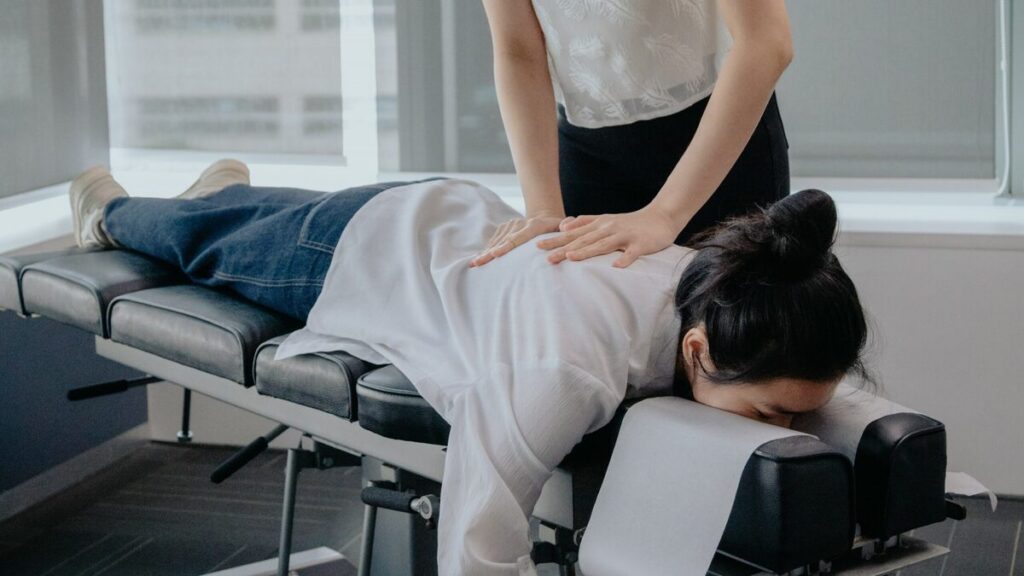

As a local chiropractor, I understand that many of you are grappling with back pain, and you're certainly not alone in this struggle. It's a common issue that affects countless individuals every day. I want to share with you some effective techniques that can significantly enhance your comfort and overall well-being.
In my practice, I often recommend a variety of approaches, from gentle stretching exercises that you can do at home to more specialized treatments like acupuncture. Each of these methods has its own set of benefits and can play a vital role in helping you manage and alleviate your pain.
If you're new to chiropractic care and natural healing, you might be wondering: what are the most effective strategies to help you? Let's dive into the top ten techniques that I believe could transform your experience and help you reclaim your life from back pain.
Stretching Exercises
As a local chiropractor, I want to emphasize the importance of stretching exercises for relieving back pain and enhancing flexibility. Many of my patients are surprised to learn how incorporating regular stretching into their daily routines can significantly improve their overall mobility and reduce muscle tension. Tight muscles can often lead to discomfort, and stretching is a natural way to alleviate that tightness.
I recommend starting with gentle stretches that focus on your lower back, hips, and hamstrings. For instance, the cat-cow stretch is an excellent way to increase flexibility in your spine. To perform this, get on all fours, arch your back while inhaling deeply, and then round it while exhaling. This simple movement not only promotes spinal awareness but also enhances flexibility.
Another stretch that I find particularly beneficial is the seated forward bend. To do this, sit on the floor with your legs extended straight in front of you, and then slowly reach for your toes while keeping your back straight. This stretch effectively targets your hamstrings and helps relieve pressure in the lower back.
Don't overlook the child's pose, either. Kneel on the floor, sit back on your heels, and stretch your arms forward. This position not only relaxes your back but also encourages deep breathing, which can further reduce tension throughout your body.
When practicing these stretches, aim to hold each position for at least 20-30 seconds while breathing deeply to maximize the benefits. You should feel a gentle stretch, but never any pain.
Incorporating these stretches into your daily routine, especially after long periods of sitting, can greatly contribute to keeping your back healthy and pain-free. Remember, consistency is essential for seeing improvements in flexibility and reducing back pain.
If you have any questions or need personalized guidance, don't hesitate to reach out during your next visit!
Strengthening Workouts
As a local chiropractor, I want to share some important insights on managing back pain through natural healing methods.
One of the most effective ways to combat back pain is by incorporating strengthening workouts into your routine. It's essential to focus on core stability exercises, as these play a crucial role in supporting your spine and improving your posture.
In addition to strengthening, I encourage you to integrate flexibility and mobility workouts into your regimen. These exercises won't only enhance your overall movement but also help reduce discomfort and promote a healthier back.
Core Stability Exercises
As a local chiropractor, I want to emphasize the often-overlooked importance of core stability exercises in alleviating back pain. Strong and stable core muscles are essential for supporting your spine and maintaining proper posture. By focusing on these exercises, you can significantly reduce strain on your back and experience less discomfort.
To get started, I recommend incorporating basic exercises like planks and bridges into your routine. Planks are fantastic because they engage multiple muscle groups, including your abdominal and lower back muscles, while bridges primarily target your glutes and hamstrings. Both of these exercises contribute to enhancing your overall stability. Aim for three sets of 30 seconds for planks and 10-15 repetitions for bridges.
Another great exercise to consider is the bird-dog. This movement not only strengthens your core but also improves coordination. Begin on all fours, and as you extend one arm and the opposite leg outwards, hold the position for a few seconds before switching sides.
Additionally, using stability balls can add an extra challenge, as they require your core to engage more intensely during various exercises.
It's crucial to focus on maintaining proper form to prevent injury. As your strength improves, you can gradually increase the intensity or duration of your workouts.
Flexibility and Mobility Workouts
As a local chiropractor, I want to emphasize the importance of incorporating flexibility and mobility workouts into your routine, especially if you're looking to support the core stability exercises we've discussed.
These workouts play a crucial role in enhancing your range of motion, alleviating stiffness, and improving your overall body function, which can, in turn, help reduce back pain.
By focusing on stretching and mobility, you can effectively release tension in your muscles and joints. This not only promotes better posture and alignment but also supports the healing process that's a cornerstone of chiropractic care.
To get started, I recommend dedicating time to dynamic stretches, such as leg swings or arm circles, before your workouts. After your exercise routine, make sure to include static stretches like hamstring or hip flexor stretches to further enhance your flexibility.
Practices like yoga and Pilates are fantastic options, as they blend strength with flexibility while emphasizing proper breathing techniques, which are vital for relaxation and recovery.
Aim to engage in these sessions at least three times a week, paying special attention to areas that feel tight or restricted.
Focus on movements that target your hips, spine, and shoulders, as these regions are essential for maintaining a healthy back.
Correct Posture Techniques
As your local chiropractor, I want to emphasize the importance of maintaining correct posture for your overall health and well-being. Proper posture is crucial in preventing back pain and other related issues.
Investing in ergonomic seating can provide the necessary support for your spine while you're working, ensuring that you maintain a natural alignment. Additionally, adopting proper standing alignment techniques can help you stay balanced and reduce strain on your body throughout the day.
Importance of Ergonomic Seating
As a local chiropractor, I want to emphasize the critical role that proper ergonomic seating plays in your overall health and well-being, especially for those of you who spend long hours sitting.
Many individuals are unaware that the way you sit can significantly impact your spine and contribute to discomfort or even chronic pain. By making a few simple adjustments to your seating arrangement, you can help alleviate stress on your body.
Here are some essential factors to consider:
- Chair Height: It's important that your feet rest flat on the floor, and that your knees are bent at a 90-degree angle. This alignment helps to distribute your weight evenly and reduces strain on your lower back.
- Lumbar Support: A chair that offers adequate lower back support is vital for maintaining the natural curve of your spine. This support helps prevent slumping and promotes a healthier posture.
- Backrest Angle: I recommend a slight recline of about 100-110 degrees. This angle can help alleviate pressure on your back and promote a more relaxed sitting position throughout the day.
- Armrests: Adjusting your armrests is key! They should be set so that your shoulders can relax comfortably. This adjustment can prevent unnecessary strain on your neck and upper back while you work.
- Screen Position: Finally, ensure your computer monitor is at eye level. This positioning reduces neck strain and encourages a neutral posture, allowing you to maintain comfort during extended periods of focus.
By addressing these ergonomic factors, you can create a more supportive environment for your spine, which is essential for your overall health.
Standing Alignment Tips
As your local chiropractor, I want to emphasize the importance of standing tall and maintaining proper alignment for your overall posture and spine health. It's not just about sitting correctly; how you stand matters just as much!
To start, make sure to distribute your weight evenly on both feet. Position your feet shoulder-width apart and keep your knees slightly bent. This foundation stabilizes your body and reduces unnecessary strain on your lower back, which is crucial for preventing discomfort.
Next, let's talk about your core. Engaging your core muscles is vital because a strong core helps support your spine and keeps you upright. Remember to pull your shoulders back and down, as this will help you avoid the common habit of hunching forward. Aim for your ears to be in line with your shoulders, and keep your chin parallel to the ground. This proper alignment encourages a neutral spine, which is essential for your overall health.
If you find yourself standing for long periods, be sure to shift your weight from one foot to the other to combat fatigue. A footrest can be a great tool to help you alternate your foot position.
And don't forget, taking breaks to walk around and stretch is important for keeping your muscles relaxed and preventing stiffness.
Lastly, I can't stress enough the importance of wearing supportive shoes. High heels or unsupportive footwear can disrupt your posture and lead to back pain.
Heat Therapy
As a local chiropractor, I want to share with you the powerful benefits of heat therapy for managing back pain. This natural approach can be a game changer in your recovery journey.
Heat therapy works by relaxing tight muscles, boosting blood circulation, and accelerating the healing process, which is crucial for alleviating discomfort. There are several heat sources you can use, making it a versatile option for anyone seeking relief. Whether you opt for a warm towel, a heating pad, or a soothing hot bath, applying heat can effectively ease your back pain.
To maximize the benefits of heat therapy, here are some essential tips to keep in mind:
- Select the appropriate heat source: Whether it's a heating pad, hot water bottle, or a warm towel, choose one that allows you to focus on the area that needs attention.
- Monitor your application time: Aim to apply heat for about 15 to 20 minutes. This helps prevent overheating and allows your skin to adjust comfortably.
- Combine with gentle movement: While heat works to relax your muscles, engaging in gentle stretches or light activities can further enhance its therapeutic effects.
- Pay attention to your body: If you experience any increase in discomfort or irritation, it's essential to remove the heat source immediately.
- Stay well-hydrated: Since heat can lead to dehydration, make sure to drink plenty of water before and after your heat therapy session to maintain proper hydration levels.
Integrating heat therapy into your daily routine can significantly alleviate back pain and enhance your overall comfort.
Remember, consistency is key, and it's important to be mindful of how your body responds to this treatment. By taking these steps, you're likely to find relief and improve your quality of life.
If you have any questions or need further guidance, feel free to reach out during your next visit!
Cold Therapy
As a local chiropractor, I want to share with you how cold therapy can be an effective method for alleviating back pain and minimizing inflammation.
By applying cold packs or ice directly to the affected area, you can enhance your healing process when done correctly.
It's important to understand the proper techniques for application and to know how long and how frequently to use cold therapy to achieve the best results.
This natural approach can be a valuable addition to your overall care plan, helping you regain comfort and mobility.
If you have any questions or would like guidance on incorporating cold therapy into your routine, please feel free to ask!
Benefits of Cold Therapy
As a local chiropractor, I want to share with you the benefits of cold therapy for alleviating back pain. Many of my patients have found this natural healing technique to be incredibly effective. Cold therapy works by numbing the affected area, providing immediate relief, while also helping to reduce inflammation and swelling. By constricting blood vessels, it minimizes blood flow to the painful area, which can significantly lessen discomfort.
Here are some key benefits I often discuss with my patients regarding the use of cold therapy for back pain relief:
- Reduces Inflammation: Cold therapy is excellent for decreasing swelling and inflammation, allowing your body to heal more effectively.
- Numbs Pain: The cold sensation can effectively dull the pain signals your brain receives, providing you with quick and much-needed relief.
- Promotes Muscle Relaxation: Applying cold can help to relax tense muscles, which in turn improves your mobility and overall function.
- Prevents Further Injury: By keeping inflammation in check, cold therapy can help prevent further aggravation of your injury, allowing for better recovery.
- Easily Accessible: Cold packs or ice are simple, cost-effective solutions that can be easily applied at home without needing any professional assistance.
Incorporating cold therapy into your back pain management routine can lead to significant improvements in your comfort and functionality.
At our practice, we emphasize the importance of understanding these natural healing methods as part of your overall health journey. If you have questions or would like to learn more, I'm here to help guide you through your recovery process.
Application Techniques
As a local chiropractor, I want to share some effective techniques for utilizing cold therapy to alleviate back pain. It's a simple yet powerful tool that can help you on your journey to recovery.
First, let's gather what you need. You can use ice packs, frozen vegetables, or even a towel filled with ice cubes. If you choose to use an ice pack, remember to wrap it in a towel to protect your skin from frostbite.
Once you have your materials ready, find a comfortable position where you can really relax your back muscles. Whether you prefer to lie down or sit, make sure you're in a position that feels good for you.
Apply the cold pack directly to the painful area for 15 to 20 minutes. If the pain spans a larger area, gently move the pack to cover more space. Listen to your body—if you experience any discomfort, remove the pack right away.
It's important to avoid placing ice directly on your skin, as this can cause irritation. Always use a barrier, like a towel, to protect yourself.
Cold therapy is particularly beneficial if you're dealing with swelling, as it constricts blood vessels and helps reduce inflammation.
Incorporating cold therapy into your routine can be a great complement to chiropractic care, and it can aid in your overall healing process. If you have any questions or need personalized advice, please feel free to reach out during your next visit.
Duration and Frequency
As a local chiropractor, I want to share some valuable insights on using cold therapy to alleviate back pain. Understanding the right duration and frequency is crucial for maximizing its benefits, especially if you're new to chiropractic care and natural healing.
When applying cold therapy, you should place ice packs or cold compresses on the affected area for about 15 to 20 minutes at a time. This duration is effective because it numbs the area, helping to reduce inflammation without causing damage to your skin.
For optimal results, I recommend repeating this treatment every 1 to 2 hours during the first 48 hours following an injury or flare-up. After that initial period, you can decrease the frequency based on how your body feels. Always listen to your body; if you start to experience discomfort or extreme cold, it's important to take a break.
Here are some practical tips to enhance your cold therapy routine:
- Always use a thin cloth as a barrier to protect your skin from direct contact with ice.
- Keep a timer handy to avoid prolonged exposure to the cold.
- Elevate the affected area while applying cold therapy to further aid in reducing inflammation.
- Consider combining cold therapy with gentle stretching afterward, which can help improve mobility.
- Monitor your pain levels closely and adjust the duration of your cold application as needed.
Massage Therapy
As a chiropractor, I want to share how massage therapy can be a valuable complement to chiropractic care in managing back pain. Many individuals experience back pain due to muscle tension and restricted mobility, which can hinder their daily activities.
Massage therapy provides a gentle, yet effective approach to releasing tight muscles and enhancing circulation, which is essential for recovery. When back pain arises, the muscles in the affected area often become tight and inflexible, leading to further discomfort.
A qualified massage therapist can skillfully identify and target these specific areas of tension, alleviating muscle knots and promoting an overall sense of relaxation in your back. During a massage session, various techniques—like Swedish, deep tissue, or trigger point therapy—can be customized to meet your unique needs.
The therapist applies pressure to targeted areas, encouraging increased blood flow and helping to break down adhesions in the muscle tissue. Many patients report a significant reduction in pain after just one session, and regular massage treatments can enhance these benefits for long-term relief.
Beyond the physical advantages, massage therapy also positively influences mental well-being. It helps reduce stress and anxiety, which can often worsen back pain. Taking time to relax and unwind can elevate your mood and improve your overall pain threshold.
Before embarking on a massage therapy journey, it's essential to communicate your specific pain points and any underlying health conditions to the therapist. This ensures they can tailor an effective treatment plan that aligns with your chiropractic care.
While massage therapy is incredibly beneficial, I recommend it as part of a holistic approach that includes chiropractic adjustments, exercise, and stretching for comprehensive back pain relief. By integrating massage therapy into your wellness routine, you may notice a significant improvement in your back pain management and overall quality of life.
Acupuncture
As a local chiropractor, I want to share how acupuncture can serve as an effective tool in managing back pain while complementing the chiropractic care you may receive. This ancient practice involves the insertion of thin needles into specific points on your body, which can promote natural healing by stimulating your nervous system and encouraging the release of endorphins.
Many of my patients have found that acupuncture not only alleviates their pain but also enhances their overall sense of well-being.
If you're considering acupuncture as part of your back pain management, here are some key benefits you might experience:
- Pain Reduction: Numerous patients report significant decreases in their pain levels after just a few acupuncture sessions.
- Increased Mobility: This treatment can help restore your range of motion, allowing you to engage in daily activities with greater ease and enjoyment.
- Stress Relief: Acupuncture encourages relaxation, which can be particularly helpful if stress is a contributing factor to your back pain.
- Improved Sleep: By alleviating pain and promoting a state of relaxation, acupuncture may help you achieve better sleep quality.
- Complementary Treatment: It integrates well with other therapies, such as chiropractic adjustments, physical therapy, or massage, enhancing your overall recovery process.
Before you begin acupuncture treatment, I encourage you to consult with a licensed acupuncturist who can create a personalized plan based on your unique needs.
Open communication about your back pain and any other health concerns is essential. With a tailored approach, acupuncture could play a vital role in your back pain relief strategy, helping you regain control over your life and improve your overall well-being.
Mindfulness and Meditation
As a local chiropractor, I want to share how incorporating mindfulness and meditation into your back pain management plan can enhance the benefits of chiropractic care and other natural healing methods.
These practices help you become more attuned to your body, allowing you to identify areas of tension and discomfort without judgment. By concentrating on your breath and being present in the moment, you can alleviate the stress and anxiety that often accompany chronic pain.
Mindfulness teaches you to observe your pain instead of reacting impulsively to it. Through mindfulness, you can learn to accept your pain as part of your journey, which can lighten its emotional weight. This acceptance doesn't mean you have to endure the pain; rather, it allows you to face it with a more peaceful mindset, making it easier to manage alongside chiropractic adjustments.
Meditation provides a mental sanctuary where you can visualize healing and relaxation. Engaging in regular meditation can enhance your emotional resilience and foster a greater sense of well-being.
Even dedicating just a few minutes each day to these practices can help you cultivate a more positive perspective on your pain and recovery process.
To begin, find a quiet space where you can sit comfortably for a few minutes. Close your eyes, focus on your breath, and gently acknowledge any sensations in your back without judgment.
Over time, you may notice improvements in both your mental and physical health, making mindfulness and meditation essential components of your back pain relief strategy. Embracing these techniques can complement the chiropractic care you receive and support your journey toward better health and wellness.
Ergonomic Adjustments
As a local chiropractor, I understand that many of you may not be familiar with the importance of ergonomic adjustments in your daily life, especially when it comes to managing back pain.
Making simple changes to your workspace and daily activities can significantly reduce the strain on your spine and promote better overall health.
Let's talk about how you can create an environment that supports your body and helps alleviate discomfort. Start by taking a close look at your workstation. It's essential that your chair provides adequate support for your lower back and that your feet can rest flat on the floor.
Here are some key ergonomic adjustments I recommend:
- Chair Height: Your chair should be adjusted so that your knees are at or slightly below hip level. This helps maintain proper alignment and reduces pressure on your spine.
- Monitor Position: Your computer screen should be at eye level and about an arm's length away. This positioning prevents unnecessary neck strain, which can contribute to back pain.
- Keyboard and Mouse Placement: Keep your keyboard and mouse close enough to you so that you can use them comfortably without reaching. Make sure your wrists remain straight to avoid strain.
- Frequent Breaks: It's vital to stand up, stretch, or take a short walk every 30 minutes. This practice helps relieve tension in your back and encourages better circulation.
- Foot Support: If your chair is too high and your feet don't reach the ground, consider using a footrest. This can help you maintain proper posture and support your lower back.
By making these adjustments, you can create a healthier workspace that not only supports your spine but also enhances your overall well-being.
If you have any questions or need further guidance, feel free to reach out during your next visit!
Lifestyle Modifications
As a local chiropractor, I want to share how a few simple lifestyle modifications can greatly improve your back pain management. One of the first things to focus on is your posture. Whether you're sitting, standing, or walking, maintaining a properly aligned spine can significantly reduce strain on your back.
I recommend using supportive chairs and consciously avoiding slouching to encourage better posture throughout your daily activities.
Incorporating regular exercise into your routine is another crucial aspect of natural healing. Activities that are low-impact, such as swimming, walking, or yoga, are excellent for strengthening your back muscles and enhancing flexibility, both of which can help alleviate pain.
Aim for at least 30 minutes of moderate exercise most days of the week.
Don't overlook the role of maintaining a healthy weight. Carrying extra weight can put unnecessary stress on your spine. By following a balanced diet and sticking to a regular exercise regimen, you can shed those extra pounds and relieve some of that pressure.
Your sleep habits are also vital. A supportive mattress and pillow can greatly influence how your back feels each morning.
I suggest finding a sleeping position that keeps your spine aligned, such as lying on your side with a pillow between your knees for optimal support.
Finally, it's essential to manage your stress levels. High stress can lead to muscle tension, which may exacerbate your back pain.
Explore relaxation techniques that resonate with you, whether it's meditation, deep breathing exercises, or spending time outdoors.
Conclusion
As a local chiropractor, I want to share with you some effective techniques for back pain relief that can significantly enhance your comfort and overall well-being. By incorporating regular stretching and strengthening exercises into your daily routine, you can support your spinal health. Additionally, practices such as mindfulness and maintaining proper posture are essential for reducing strain on your back.
Many patients find relief through heat and cold therapy, which can alleviate discomfort and inflammation. Acupuncture is another natural healing method that has shown promising results in managing back pain. Furthermore, making ergonomic adjustments in your workspace and daily activities can prevent unnecessary strain on your spine.
By making these simple lifestyle modifications, you can take control of your back health and enjoy a more active, pain-free life. If you're new to chiropractic care, I encourage you to explore how these techniques, combined with professional adjustments, can lead to lasting relief and improved quality of life.