
When you experience a sports injury, seeking support can make all the difference in your recovery. You'll find that expert guidance helps create a tailored rehabilitation plan, while emotional support addresses the mental challenges injuries often bring. Additionally, a network of professionals can enhance your recovery process, ensuring you're not just healing but also improving. Plus, identifying weaknesses in your performance can lead to customized training strategies that reduce future injury risks. Curious about the additional benefits that can further accelerate your journey back to peak performance?
Accelerated Recovery Process
When you sustain a sports injury, the path to recovery can feel intimidating; however, with the right support, you can greatly accelerate the healing process. Surrounding yourself with knowledgeable individuals who understand your specific situation can make a significant difference. They can provide you with the tools and guidance needed to enhance your recovery speed.
Utilizing a support system, whether it's friends, family, or professionals, creates an environment that encourages healing. They can help keep you motivated and focused on your recovery goals. With consistent encouragement, you're more likely to adhere to rehabilitation exercises and follow through with your treatment plan. This can directly impact how quickly you regain strength and mobility.
Access to resources such as physical therapists or trainers can also expedite recovery. They'll offer personalized exercises tailored to your injury, ensuring you're working on the right areas without risking further damage. Their expertise can help you avoid common pitfalls that often prolong recovery times.
Additionally, emotional support plays a key role in how swiftly you heal. Managing stress and maintaining a positive mindset can enhance your body's natural healing processes. You'll feel empowered instead of defeated, making it easier to tackle the challenges that come with recovery.
In short, seeking support during your injury recovery isn't just beneficial; it's essential. By leaning on those around you, you can streamline your healing journey and get back in the game sooner.
Expert Guidance on Rehabilitation
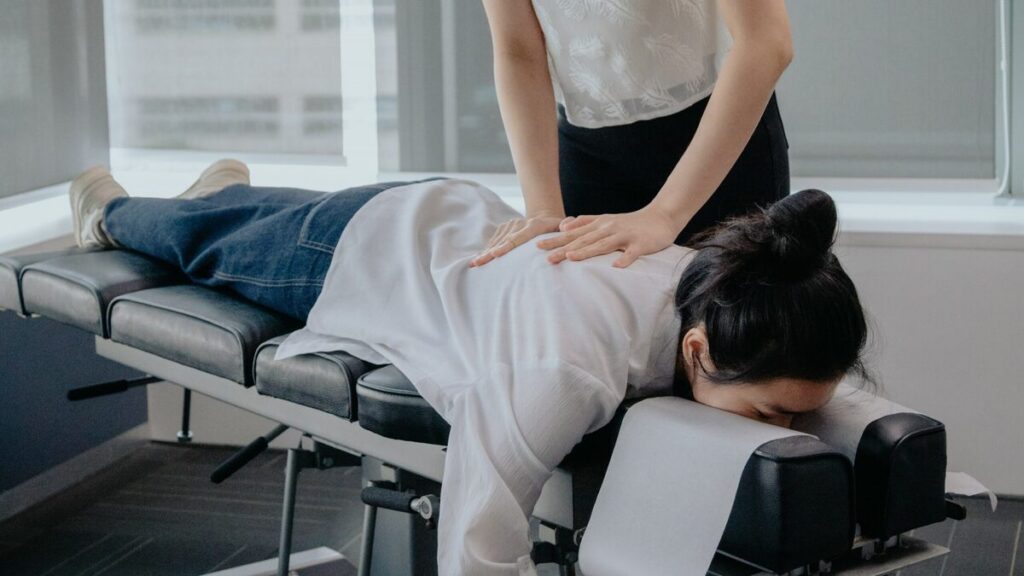
Receiving expert guidance on rehabilitation can greatly enhance your recovery experience. When you're dealing with a sports injury, having a knowledgeable professional by your side can make all the difference. They'll assess your specific situation and tailor a rehabilitation program that suits your needs. This personalized approach helps you regain strength and mobility more effectively.
With expert guidance, you'll learn the proper techniques and exercises to promote healing. You won't waste time on ineffective methods or risk re-injuring yourself by pushing too hard. Professionals understand the science behind recovery and can monitor your progress, adjusting your plan as necessary to guarantee you stay on track.
Moreover, having someone experienced to consult can alleviate the emotional toll that injuries often bring. They can provide encouragement and motivation, helping you stay focused on your goals. You won't feel alone in your journey; instead, you'll have a partner committed to your success.
Additionally, experts can educate you about your injury, helping you understand what to expect throughout the healing process. This knowledge empowers you to take an active role in your recovery, fostering a sense of control and confidence.
Lastly, expert guidance can introduce you to resources and support systems you mightn't have considered. This network can provide further assistance, from physical therapists to nutritionists, guaranteeing you've got thorough support throughout your rehabilitation.
In short, seeking expert guidance during your recovery isn't just beneficial; it's essential for achieving the best possible outcome.
Prevention of Future Injuries
Preventing future injuries is essential for any athlete looking to maintain peak performance and longevity in their sport. Once you've experienced an injury, it's imperative to understand the importance of taking steps to avoid repeating it. Engaging in sports injury support helps you identify your weaknesses and improve your technique, ensuring that you minimize risks in the future.
One of the primary strategies for injury prevention is strengthening the muscles around vulnerable joints. By focusing on these areas, you can enhance stability and reduce the likelihood of injuries. Physical therapists and trainers can guide you through targeted exercises that build strength and flexibility, tailored specifically to your sport and body type.
Another important aspect is proper warm-up and cool-down routines. You can't just jump into your activity without preparing your body. Warming up increases blood flow and flexibility, while cooling down helps in recovery. Incorporating these routines into your training regimen can greatly lower your chances of injury.
Additionally, listening to your body is essential. If you feel pain or discomfort, don't push through it. Recognizing the signs of overtraining and fatigue can help you avoid serious injuries. Rest and recovery are just as important as training hard and pushing your limits.
Lastly, maintaining good nutrition and hydration plays a key role in injury prevention. Proper nutrition fuels your body and supports recovery, while staying hydrated helps maintain joint health and muscle function.
Customized Training Adjustments
Customized training adjustments are vital for optimizing your performance and minimizing the risk of re-injury. When you've faced an injury, it's important to tailor your training regimen to meet your current capabilities and avoid exacerbating your condition.
Here's how personalized training can make a difference for you:
- Targeted Strengthening: Customized adjustments focus on strengthening the specific muscles and joints that may have been weakened or injured. By targeting these areas, you not only recover faster but also build resilience against future injuries.
- Progressive Load Management: A personalized plan helps manage the intensity and volume of your training. This allows you to gradually increase your workload without overwhelming your body, guaranteeing you're challenging yourself while staying safe.
- Skill Development: Tailored training can also incorporate skill-specific drills that focus on your sport's demands. This guarantees that while you're recovering, you're still honing your skills and preparing effectively for your return to competition.
Mental Health Support
Amidst the physical challenges of recovering from a sports injury, mental health support plays an essential role in your overall well-being. Injuries can be incredibly frustrating and isolating, often leading to feelings of anxiety, depression, or even anger.
Seeking mental health support can help you navigate these emotions, allowing you to regain a sense of control and positivity during this challenging time. Talking to a mental health professional can provide you with coping strategies tailored to your specific situation. They can help you process your feelings and develop resilience, which is vital as you adapt to your new circumstances.
This support can also help you set realistic goals for your recovery, ensuring that you don't push yourself too hard too soon, which could lead to setbacks.
Additionally, connecting with others who've experienced similar injuries can be invaluable. Support groups or online communities offer a platform where you can share your experiences and gain insights from others who understand what you're going through.
This sense of camaraderie can alleviate feelings of loneliness and encourage a more positive outlook.
Conclusion
Injuries can be tough, but seeking sports injury support can make your recovery journey smoother and more effective. With expert guidance, you'll have a personalized rehabilitation plan that addresses your unique needs. You'll not only heal faster but also gain insights that prevent future injuries. Plus, tailored training adjustments and mental health support will keep you motivated and focused on your goals. Don't hesitate—reach out for the help you deserve and get back to doing what you love!