
As a local chiropractor, I want to assure you that if you're experiencing lower back pain, you're not alone, and there are effective solutions available within just 30 days. It's important to recognize that many individuals are unaware of how their daily habits may contribute to their discomfort. Through chiropractic care, we can help you focus on core-strengthening exercises, daily stretches, and proper ergonomic setups that can lead you toward significant relief.
Understanding the connection between your lifestyle and back pain is essential. By addressing these factors, we can implement natural healing strategies that promote both recovery and strength. During your journey with us, you may uncover some surprising elements that are exacerbating your pain. Together, we can work to combat these issues effectively, helping you achieve a healthier, pain-free life.
Understanding Lower Back Pain
As a local chiropractor, I want to help you understand lower back pain and how it can impact your daily life and overall well-being. Many of my patients experience this discomfort unexpectedly—whether it's a sudden twinge while lifting something heavy or a dull ache that greets them in the morning after a long day.
It's crucial to understand the underlying causes of lower back pain so we can work together to address it effectively. Common culprits of lower back pain include muscle strains, ligament sprains, and herniated discs. Often, these issues arise from overexertion or poor posture, especially for those of you who spend long hours at a desk.
Even simple movements like bending or twisting can lead to pain if your back isn't properly conditioned. Lifestyle choices also play a significant role in back health. If you lead a sedentary life, your muscles may weaken, making them more susceptible to injury. Conversely, engaging in excessive physical activity without proper warm-ups can also trigger discomfort.
Additionally, we shouldn't overlook the impact of emotional stress. Stress can manifest as physical tension in your back, exacerbating your discomfort. It's vital to listen to your body and recognize when you're pushing yourself too hard.
Age is another factor that can influence your experience with lower back pain. As we age, the spine naturally undergoes wear and tear, potentially leading to chronic issues. By understanding these various factors, you can take proactive steps—such as chiropractic adjustments, exercise, and mindfulness practices—to manage and alleviate your pain.
Together, we can work towards a more active and enjoyable life, free from the limitations of lower back pain.
Importance of Early Intervention
As a local chiropractor, I want to emphasize the importance of recognizing and addressing lower back pain early. Many people may not be familiar with how chiropractic care can play a crucial role in your recovery and enhance your overall quality of life. If you start to notice discomfort or stiffness in your lower back, it's vital to take action immediately. Ignoring these signs can lead to more serious complications, chronic pain, or even debilitating conditions that may require more intensive treatments.
By taking proactive steps as soon as you feel discomfort, you can prevent your condition from worsening. Early intervention through chiropractic care can help you manage your symptoms effectively, enabling you to continue your daily activities without the disruption that chronic pain can bring. You'll often find that addressing the issue sooner rather than later leads to quicker recovery times and more favorable outcomes.
Additionally, early intervention allows us to work together to identify the root cause of your pain. Whether it's due to poor posture, muscle strain, or an underlying condition, understanding what's causing your discomfort is essential. This knowledge enables us to create a tailored treatment plan that's often more effective than waiting until your pain intensifies.
Moreover, when you seek chiropractic care promptly, we can incorporate preventive measures and lifestyle changes that contribute to long-term relief. Simple adjustments, such as improving your workstation ergonomics or incorporating stretching exercises into your routine, can significantly enhance your well-being and keep lower back pain at bay.
Consulting a Healthcare Professional
If you're dealing with persistent lower back pain, it's essential to explore your options, and chiropractic care might be a suitable path for you. As a local chiropractor, I believe in the importance of understanding the underlying causes of your pain rather than just masking the symptoms.
Whether your discomfort stems from muscle strain, herniated discs, or other issues, a thorough assessment can help us get to the root of the problem.
When you come in for your appointment, I encourage you to share your symptoms in detail. Let me know how long you've been experiencing the pain, what activities aggravate it, and if you're experiencing any additional symptoms, such as numbness or tingling. This information is crucial in tailoring a personalized treatment plan that suits your unique needs.
As part of our initial evaluation, I may perform physical examinations and, if necessary, recommend imaging tests like X-rays to gain a better understanding of your spinal health. This will allow us to visualize the structures involved and create a comprehensive approach to your care.
Once we've a clearer picture of your condition, we can discuss various natural treatment options available to you. Chiropractic adjustments, physical therapy techniques, and lifestyle recommendations are just a few avenues we might explore together.
It's important that you feel comfortable asking questions and discussing any concerns about your treatment plan, as your active participation is key to your healing journey.
Stretching for Relief
As a chiropractor, I want to emphasize the importance of flexibility in your back for overall comfort and mobility, especially when it comes to managing lower back pain. Incorporating regular stretching into your routine is vital for alleviating tension and improving circulation in the muscles that support your spine.
By adding stretching to your daily habits, you may find that your flexibility increases and discomfort decreases.
Let's start with gentle stretches that specifically target your lower back. One of my favorite recommendations is the cat-cow stretch. Begin on your hands and knees, arching your back upwards like a cat, and then gently lowering it down. This creates a soothing flow for your spine. Take a few breaths in each position to truly feel the release.
Another excellent stretch is the child's pose. Sit back on your heels, extend your arms in front of you, and rest your forehead on the ground. This position not only lengthens your spine but also offers a calming stretch.
Additionally, I encourage you to try the seated forward bend. While seated, extend your legs out in front of you. Inhale deeply to lengthen your spine, then exhale as you reach towards your toes. This stretch is great for your lower back as well as your hamstrings, promoting overall flexibility.
It's crucial to listen to your body during these stretches. If you experience any pain, back off a bit. I recommend aiming for 15-30 minutes of stretching each day, focusing on your lower back and surrounding muscles.
Consistency is key; the more regularly you stretch, the better your back will feel, enhancing both your mobility and reducing pain.
Strengthening Core Muscles
As a local chiropractor, I want to share with you the importance of strengthening your core muscles, especially if you're dealing with lower back pain.
A strong core plays a crucial role in supporting your spine, which can help prevent future injuries and promote overall well-being.
Let's delve into some effective core exercises that won't only build strength but also enhance your stability, contributing to a healthier spine and improved quality of life.
Importance of Core Strength
As a local chiropractor, I want to emphasize the crucial role that core strength plays in your overall health and well-being. A strong core serves as the foundation for your entire body. It supports not only your spine but also your everyday movements. When your core is robust, it stabilizes your pelvis and spine, leading to improved posture and alignment. This stability can significantly reduce strain on your lower back, helping to prevent pain and injuries.
Core strength is essential for many daily activities, whether you're lifting groceries, engaging in sports, or even sitting at your desk. A strong core aids in maintaining balance and coordination, making it much easier to carry out tasks without discomfort. Additionally, enhancing your core strength can boost your athletic performance, enabling you to move more efficiently and powerfully.
Neglecting core strength can lead to muscle imbalances that put extra stress on your lower back. Weak core muscles often contribute to poor posture, which can worsen pain and discomfort. By prioritizing core strength, you're making a valuable investment in your overall health and well-being.
Ultimately, developing a strong core isn't just about looking good; it's about functionality and quality of life. By focusing on this critical area, you can significantly reduce your risk of lower back issues and enhance your daily activities.
Strengthening your core isn't just a pathway to a pain-free future; it's a fundamental step toward optimal health. As your chiropractor, I encourage you to incorporate core-strengthening exercises into your routine for a more balanced and healthier life.
Effective Core Exercises
As a chiropractor dedicated to your well-being, I want to emphasize the significance of core strength in maintaining a healthy spine and reducing lower back pain. A robust core not only supports your spine but also helps you uphold proper posture and alignment throughout your daily activities.
One of the fundamental exercises I recommend is the plank. Begin by holding a plank position for 20 to 30 seconds, and as you build strength, gradually increase this duration. This exercise effectively engages your entire core, including both your abdominal and back muscles.
Another beneficial exercise is the bridge. To perform this, lie on your back with your knees bent and feet flat on the floor. Lift your hips towards the ceiling while squeezing your glutes at the top. Hold this position for a few seconds before gently lowering your hips back down. This exercise is essential for strengthening your lower back and glutes, both critical for alleviating pain.
Bird-dogs are also a fantastic addition to your routine. Start on all fours, extend one arm forward while simultaneously extending the opposite leg back. Hold this position briefly before switching sides. This movement is excellent for promoting balance and stability, which are key components of a healthy core.
I encourage you to incorporate these exercises into your routine at least three times a week. Consistency is vital, and as you strengthen your core, you may experience a noticeable reduction in lower back pain as well as improved overall movement.
Incorporating Yoga Practices
As a local chiropractor, I want to share how incorporating yoga practices can be an effective and holistic approach to alleviating lower back pain. Yoga enhances flexibility, strength, and relaxation, which are all crucial elements for maintaining a healthy spine and reducing discomfort.
To begin, I recommend starting with gentle poses such as Child's Pose or Cat-Cow. These movements serve as a warm-up for your back. Pay attention to your breathing during these poses; deep, mindful breathing not only calms your mind but also helps your muscles relax, which can significantly ease tension in your lower back.
As you become more comfortable, you can introduce poses like Downward-Facing Dog and Cobra into your routine. These specific poses are designed to stretch and strengthen your back and abdominal muscles, providing much-needed relief from pain. However, it's important to listen to your body throughout this process. If any pose feels uncomfortable, don't hesitate to modify it or skip it entirely.
Consistency is essential for experiencing the benefits of yoga. I suggest aiming to practice at least three times a week. You might also consider exploring online classes or local studios that focus on yoga for lower back pain relief. There are numerous resources available that offer guided sessions specifically tailored for those dealing with back issues, ensuring you receive the maximum benefits from your practice.
Additionally, I encourage you to integrate mindfulness and meditation techniques into your yoga sessions. This mind-body connection can greatly enhance your overall well-being and promote a deeper sense of relaxation.
With time, patience, and dedication to your practice, you may notice significant improvements in your lower back pain and overall quality of life. Remember, natural healing methods like yoga can complement chiropractic care, providing you with a more comprehensive approach to your health and wellness.
Using Heat Therapy
As a local chiropractor, I'm here to help you find effective ways to alleviate lower back pain naturally. One technique I highly recommend is heat therapy. This method can be incredibly beneficial in relaxing tight muscles, increasing blood flow, and promoting healing, which ultimately helps you feel more comfortable and mobile.
Here are some effective heat therapy options you might want to consider:
- Heating pads: These are a convenient choice for targeted relief. Simply apply them to your lower back, and you'll experience soothing warmth that can help reduce discomfort.
- Warm baths: Taking a warm bath can be a wonderful way to unwind and ease tension throughout your body. The heat of the water helps relax tight muscles and promotes overall relaxation.
- Hot water bottles: A classic option, hot water bottles can conform to your body's shape and maintain heat for an extended period, providing consistent relief.
- Heat wraps: These are designed for convenience and can be worn under your clothing, allowing you to enjoy continuous relief throughout your daily activities.
For the best results, I suggest using heat therapy for about 15-20 minutes at a time. Make sure the heat isn't too intense to avoid burns. You can repeat this process several times a day, particularly before engaging in activities that might aggravate your pain.
It's also important to pay attention to your body's responses; if you find that heat increases your discomfort, it's wise to discontinue use.
Applying heat to your lower back can be especially beneficial after physical activity or during times when you're feeling particularly stiff.
As you explore various pain-relief strategies, don't underestimate the soothing benefits of heat therapy. It can truly be a game-changer in your journey toward lower back pain relief.
If you have any questions or need further guidance, feel free to reach out during your next visit!
Applying Cold Therapy
As a local chiropractor, I want to share with you an effective method for managing lower back pain: cold therapy. This natural approach can help reduce inflammation and alleviate sharp discomfort. Cold therapy works by constricting blood vessels, which minimizes swelling and slows down nerve conduction, providing you with immediate relief.
You can easily implement cold therapy at home using ice packs, frozen peas, or a cold compress wrapped in a cloth. Here's how to get started: it's important to protect your skin. Always wrap your ice pack or cold source in a towel before applying it to your lower back. Aim for about 15 to 20 minutes of exposure at a time. This process can be repeated several times a day, but remember to give your skin a rest between sessions to avoid frostbite.
Timing is crucial when it comes to cold therapy. It's most effective within the first 48 hours after an injury or a flare-up of pain. If you notice any swelling, that's your cue to apply your cold pack. Additionally, cold therapy can be particularly beneficial right after physical activity when your back may feel sore or strained.
Listen to your body throughout this process. If you experience increased pain or discomfort while using cold therapy, stop immediately. It's important to remember that cold therapy is a temporary solution—it's meant to provide relief while you address the underlying causes of your lower back pain.
Alongside cold therapy, consider exploring other natural methods to promote healing and strengthen your back for long-term pain relief. By understanding and utilizing these natural healing techniques, you can take proactive steps toward better back health.
If you have any questions or would like to learn more about how chiropractic care can benefit you, don't hesitate to reach out!
Ergonomic Workstation Setup
As a local chiropractor, I often see patients struggling with lower back pain. While immediate relief methods like cold therapy can help, it's essential to address the root cause by creating a supportive environment for your body. One of the most effective ways to achieve this is by setting up an ergonomic workstation. A well-designed workspace can significantly reduce strain on your back and encourage better posture, especially during those long hours spent at a desk.
Here are a few key elements to consider when establishing your ergonomic workstation:
- Chair Height: Ensure that your feet rest flat on the floor while your knees are at or slightly below hip level. This positioning helps maintain the natural curve of your spine and reduces pressure on your back.
- Desk Height: Your desk should be adjusted so that your elbows form a 90-degree angle while typing, allowing your wrists to stay straight. This alignment helps prevent tension and discomfort in your upper body.
- Monitor Position: Your computer screen should be at eye level, positioned about an arm's length away. This setup minimizes neck strain and encourages you to sit up straight, further supporting your spine.
- Keyboard and Mouse Placement: Place these tools within easy reach to avoid excessive reaching. Keeping your arms relaxed while using them can help prevent unnecessary strain on your muscles.
By focusing on these ergonomic principles, you can create a workspace that not only enhances comfort but also supports your overall health and well-being.
Adjusting Your Posture
As a local chiropractor, I want to emphasize the importance of adjusting your posture to prevent lower back pain, particularly if you find yourself sitting for extended periods.
One of the best investments you can make for your health is in ergonomic seating. These chairs are designed to provide the necessary support to keep your spine aligned and reduce strain on your back.
In addition to proper seating, incorporating daily stretching techniques into your routine can be incredibly beneficial. Stretching helps maintain muscle flexibility and alleviates tension that often builds up from poor posture.
By making these adjustments, you can significantly improve your overall well-being and reduce the risk of discomfort.
Importance of Ergonomic Seating
As a local chiropractor, I often encounter patients who underestimate the importance of ergonomic seating and its profound impact on overall comfort and spinal health.
An ergonomic chair is designed to support your body's natural curves, helping you maintain proper posture throughout the day. When you choose to invest in ergonomic seating, you're not merely enhancing comfort; you're actively taking steps to prevent issues like lower back pain, which I often see in my practice.
Here are some key benefits of ergonomic seating that I want you to consider:
- Reduces Strain: A chair that provides proper support can significantly minimize pressure on your spine and lower back, which is essential for your overall well-being.
- Improves Posture: Ergonomic seating encourages a neutral spine position, which helps reduce slouching and the associated discomfort.
- Boosts Productivity: When you're comfortable, you can focus better and for longer periods without the distraction of discomfort.
- Promotes Movement: Many ergonomic chairs are adjustable, allowing you to shift your position throughout the day, which is crucial in preventing stiffness.
Adjusting your workspace with the right chair can greatly influence your health.
Ensure your chair is set to the appropriate height and consider features such as lumbar support and adjustable armrests.
Remember, even small changes in your seating arrangement can lead to significant improvements in how you feel each day.
By prioritizing ergonomic seating now, you're investing in a healthier, pain-free tomorrow.
As your chiropractor, I encourage you to take these steps towards better spinal health and overall comfort.
Daily Stretching Techniques
As a local chiropractor, I want to emphasize the significant benefits of incorporating daily stretching techniques into your routine, especially for those who may not be familiar with chiropractic care and natural healing methods.
One of the first steps to improving your overall well-being is to pay attention to your posture throughout the day. When you sit, ensure that your back is straight, your shoulders are relaxed, and your feet are flat on the ground. Proper alignment is crucial in preventing strain on your lower back, which can lead to discomfort and decreased mobility.
I often recommend simple stretches that can be easily integrated into your day-to-day activities. For instance, the Cat-Cow stretch is a fantastic way to alleviate tension in your spine. Begin on your hands and knees, and as you inhale, arch your back while looking up. Then, as you exhale, round your spine and tuck your chin towards your chest. Repeat this gentle movement for about a minute to help relieve accumulated tension.
Another effective stretch is the Child's Pose. To perform this stretch, kneel down and sit back on your heels, extending your arms forward on the floor. Hold this position for 30 seconds while focusing on your breath. This stretch not only enhances relaxation but also helps to soothe your back and shoulders.
Additionally, the Standing Forward Bend is a great way to release tightness in your lower back and hamstrings. Stand tall and bend forward at the hips, allowing your arms to hang freely towards the floor. Maintain this position for 20-30 seconds, allowing gravity to assist in releasing any built-up tension.
Incorporating these stretches into your daily routine can significantly improve your comfort and functionality, paving the way for a healthier lifestyle.
Embracing these practices aligns perfectly with the principles of chiropractic care, which focuses on natural healing and the importance of maintaining an optimal posture for your overall health.
Choosing the Right Mattress
As a local chiropractor, I want to emphasize the importance of choosing the right mattress for your overall health, especially if you're experiencing lower back pain. The right mattress can significantly influence your sleep quality and provide the support your spine needs. Here are some essential points to consider when selecting a mattress:
- Firmness Level: It's crucial to find a mattress that strikes a balance between support and comfort. A mattress that's too soft can cause you to sink, leading to improper spinal alignment, while one that's too firm may create painful pressure points.
- Material Matters: Different materials like memory foam, latex, and innerspring offer varying levels of support. Take some time to think about which material feels best for your body and aligns with your comfort preferences.
- Sleeping Position: Your preferred sleeping position is vital in determining the right mattress for you. For example, side sleepers usually benefit from a softer mattress that cushions the shoulders and hips, while back and stomach sleepers often require a firmer surface to maintain proper spinal alignment.
- Trial Period: Many mattress companies provide trial periods that allow you to test the mattress in the comfort of your home. This is an excellent opportunity to ensure that the mattress meets your needs over time, as it may take a few nights to determine if it's the right fit.
When selecting a mattress, always prioritize comfort and support. A quality mattress should keep your spine properly aligned, which can lead to significant relief from lower back pain.
Pay attention to how your body feels after sleeping on it; if you wake up with discomfort or pain, it may indicate that your mattress isn't providing the necessary support.
Don't hesitate to try out different options in-store or take advantage of online trials. By investing in a mattress that meets your needs, you're taking an important step toward alleviating lower back pain and enhancing your overall sleep quality.
Selecting Supportive Footwear
As a local chiropractor, I often see how crucial footwear is in managing lower back pain.
The right shoes can significantly impact your spinal alignment and overall comfort. It's essential to choose footwear that provides proper arch support and fits your feet well.
This not only helps alleviate discomfort but also promotes better posture, which is vital for your overall health.
Let's take a closer look at how selecting supportive shoes can be a key part of your journey toward natural healing and pain relief.
Importance of Arch Support
As a local chiropractor, I often see how vital the right footwear is for your lower back health, particularly regarding arch support. Many people are unaware that proper arch support plays a crucial role in how your body distributes weight.
When your feet have the right support, it helps reduce the strain on your lower back and can prevent discomfort that might ripple throughout your entire body.
When choosing shoes, here are some important factors to consider:
- Cushioning: Look for footwear with sufficient cushioning to absorb the impact of each step. This not only protects your feet but also your spine.
- Stability: Select shoes that enhance stability. Proper alignment of your feet during movement is essential for maintaining a healthy posture, which can alleviate unnecessary stress on your back.
- Material: Choose breathable materials that offer both flexibility and comfort. Shoes that fit well and allow your feet to move naturally can make a significant difference.
- Design: Consider shoes that are specifically designed for your activities, whether you're walking, running, or standing for extended periods. This tailored approach can greatly enhance your comfort and support.
Investing in footwear that provides proper arch support goes beyond mere comfort; it's a proactive step towards safeguarding your back from unnecessary strain and pain.
When your feet are well-supported, it naturally improves your posture, leading to a noticeable reduction in lower back discomfort.
Choosing the Right Fit
As a local chiropractor, I want to emphasize how essential it's to have the right fit when it comes to your footwear, as it plays a significant role in your overall comfort and spinal health. Many people overlook the importance of choosing shoes that accommodate their unique foot shape, but this can lead to discomfort and even misalignment of the spine.
When you're shopping for shoes, I encourage you to focus not only on style but also on how well the shoes fit your feet. Begin by measuring your feet at the end of the day when they tend to be slightly swollen, as this gives you the most accurate size. It's also important to consider the width of the shoes; various brands offer different widths to ensure you find the perfect fit.
When you try on shoes, please wear the type of socks you intend to use regularly. Stand up and walk around to evaluate comfort. Ensure there's ample space in the toe box—your toes should be able to wiggle freely without feeling cramped. This is crucial for maintaining proper foot function and alignment, which directly impacts your spine.
Don't forget to check for adequate arch support and cushioning. A supportive shoe should feel comfortable right from the start; there shouldn't be a lengthy break-in period.
Also, keep in mind that your footwear needs can change over time, so it's wise to regularly reassess your shoes to ensure they still meet your requirements.
Choosing the right fit isn't just about comfort; it can significantly reduce lower back pain and enhance your overall well-being. If you have any questions or need further guidance on how your footwear can affect your spinal health, don't hesitate to reach out. Your body will thank you!
Staying Hydrated
As a local Chiropractor, I want to emphasize the importance of staying hydrated for your overall health, especially when it comes to maintaining a healthy back.
Many people aren't aware that proper hydration plays a crucial role in how our bodies function, including the way our spine operates. When you become dehydrated, the intervertebral discs—those vital cushions between your vertebrae—can't absorb shock as effectively. This can lead to discomfort and pain, particularly in the lower back region.
By staying hydrated, you ensure these discs remain healthy, which is essential for providing the support your spine needs.
Here are some key reasons why you should prioritize hydration:
- Improved Muscle Function: Adequate hydration allows your muscles to work more efficiently, helping to prevent cramps and strains that can lead to discomfort.
- Increased Flexibility: Good hydration supports better lubrication of your joints, which is critical for maintaining flexibility and reducing stiffness, particularly in your lower back.
- Enhanced Nutrient Transport: Water is vital for transporting essential nutrients to your cells, including those that support your spinal health.
- Reduced Inflammation: Staying well-hydrated can help minimize inflammation in your body, a common contributor to back pain.
To ensure you're drinking enough fluids, aim for at least eight 8-ounce glasses of water each day. Adjust this amount based on your activity level and the climate you live in.
Additionally, consider including hydrating foods like fruits and vegetables in your diet.
Remember, by prioritizing hydration, you're not only supporting your overall health but also taking significant steps toward alleviating and preventing lower back pain.
Maintaining a Healthy Diet
As a local chiropractor, I want to emphasize the importance of maintaining a healthy diet in managing lower back pain. Eating anti-inflammatory foods can significantly benefit your body's healing process.
It's crucial to stay hydrated as well, as proper hydration supports overall health and can alleviate discomfort.
In addition to these dietary choices, ensuring a balanced intake of nutrients is vital. This not only aids in managing pain but also contributes to your overall well-being.
By understanding how nutrition impacts your body, you can better equip yourself to cope with any discomfort you may experience.
Anti-Inflammatory Foods
As a local chiropractor, I often see patients struggling with lower back pain and discomfort. One of the key components to managing this pain lies not just in spinal adjustments, but also in what you eat. Incorporating anti-inflammatory foods into your diet can play a significant role in easing your symptoms.
Inflammation is frequently a contributing factor to pain, and by focusing on incorporating specific foods, you can support your body's healing process.
Here are some anti-inflammatory foods I recommend including in your meals:
- Fatty fish (such as salmon and mackerel) are rich in omega-3 fatty acids, which are known for their anti-inflammatory properties.
- Leafy greens (like spinach and kale) are packed with vitamins and minerals that can help reduce inflammation.
- Nuts and seeds (especially walnuts and flaxseeds) provide healthy fats and antioxidants that combat inflammatory responses.
- Berries (including blueberries and strawberries) aren't only delicious but also loaded with antioxidants that can help lower inflammation.
By integrating these foods into your daily diet, you're not only obtaining essential nutrients but also taking proactive steps toward improving your overall health.
Aim for a colorful plate filled with a variety of fruits, vegetables, lean proteins, and healthy fats. This balanced approach not only helps fight inflammation but can also enhance your well-being in general.
As you begin to make small changes to your meals, you might find that your lower back pain becomes more manageable.
Hydration Importance
As a local chiropractor, I want to emphasize the crucial role that hydration plays in managing lower back pain and supporting your overall health. When we think about maintaining a healthy spine, we often focus on exercises and nutrition, but hydration is just as vital.
Proper hydration is essential for keeping your spinal discs healthy and functioning optimally. When you're not drinking enough water, these discs can become less effective at cushioning your spine, which can lead to increased pressure and discomfort.
Staying well-hydrated also helps lubricate your joints, reducing friction and discomfort as you move. This is especially important if you're active or spending time outdoors in hot weather.
By drinking enough water, you're not only supporting your spine but also aiding in the delivery of essential nutrients to your muscles and tissues, which can help promote recovery and reduce inflammation.
To ensure you're meeting your hydration needs, I recommend aiming for at least eight 8-ounce glasses of water daily. Of course, you may need to adjust this based on your activity level or the climate you're in.
If plain water doesn't excite you, consider infusing it with fresh fruits or herbs to enhance the flavor. Keep in mind that hydration isn't solely about drinking fluids; consuming water-rich foods like fruits and vegetables also contributes significantly to your daily intake.
Balanced Nutrient Intake
As a local chiropractor dedicated to your well-being, I want to emphasize the importance of a balanced nutrient intake in maintaining a healthy back and overall wellness. The foods you choose can significantly impact your spine health, help reduce inflammation, strengthen your muscles, and promote recovery.
By prioritizing a nutrient-rich diet, you can effectively alleviate lower back pain and enhance your general health.
Here are some key nutrients to consider incorporating into your daily meals:
- Calcium: This mineral is crucial for strengthening your bones and preventing fractures, which is vital for spinal health.
- Magnesium: Known for its muscle-relaxing properties, magnesium also supports nerve function, which can help reduce tension and discomfort in your back.
- Omega-3 Fatty Acids: Found in foods like fish, flaxseeds, and walnuts, these fatty acids are excellent for reducing inflammation and supporting joint health.
- Vitamin D: Essential for calcium absorption, vitamin D plays a significant role in maintaining strong bones.
I encourage you to aim for a colorful plate filled with a variety of fruits, vegetables, lean proteins, and whole grains. These foods not only provide essential nutrients but also assist in maintaining a healthy weight, which is crucial for reducing stress on your back.
It's best to avoid processed foods that are high in sugar and unhealthy fats, as these can contribute to inflammation and pain.
Remember, a balanced nutrient intake is about more than just what you eat; it's about making mindful choices that support your back and overall health.
By embracing these dietary changes, you can make a significant difference in managing your back pain and improving your quality of life.
Let's work together on your journey to better health!
Managing Stress Levels
As a local chiropractor, I want to emphasize the importance of managing your stress levels, especially when it comes to alleviating lower back pain. Many people may not realize that stress can significantly contribute to discomfort in the back, as it often leads to muscle tension. When your body is under stress, it tends to tighten the muscles in your back, which can increase your pain levels. By actively managing your stress, you can help ease this tension and improve your overall well-being.
The first step in managing stress is identifying what triggers it in your life. Whether it's work-related pressures, difficulties in relationships, or financial concerns, understanding your specific stressors is crucial. Once you have identified these triggers, we can work together to develop a tailored plan to address them.
For example, if you find that work stress is a significant issue, we might discuss strategies for setting boundaries to create a healthier work-life balance.
Incorporating relaxation techniques into your daily routine can also be extremely beneficial. Practices such as deep breathing exercises, meditation, or yoga can significantly lower stress levels and foster relaxation. Even taking short breaks during your day to focus on your breathing can create a noticeable difference in how you feel.
Additionally, don't underestimate the power of physical activity. Exercise is a natural stress reliever, as it releases endorphins that can improve your mood and decrease stress. Aim for at least 30 minutes of moderate exercise most days of the week; this can be anything from a brisk walk to a gentle yoga session.
Lastly, I encourage you to talk about your stress with someone you trust—whether it's a friend, family member, or even a therapist. Sharing your feelings can help lighten your emotional burden and provide you with additional support.
Remember, managing stress isn't just about reducing pain; it's about enhancing your overall quality of life. By taking these proactive steps, you can cultivate a more peaceful mindset and contribute to a healthier back.
As your chiropractor, I'm here to help guide you through this process and support your journey towards wellness.
Exploring Physical Therapy
Addressing stress not only helps alleviate lower back pain but also paves the way for exploring natural healing solutions like chiropractic care. If you're experiencing persistent discomfort, chiropractic adjustments can be a transformative approach.
It's not just about alleviating pain; it's about identifying underlying issues and creating a tailored strategy to restore your mobility and well-being.
Here are some key benefits of chiropractic care for your lower back pain:
- Personalized Treatment Plans: As your chiropractor, I'll develop a customized treatment plan that focuses on realigning your spine and optimizing your body's function, which is crucial for back support.
- Natural Pain Relief Techniques: Discover natural methods such as spinal adjustments, massage therapy, and therapeutic exercises to help manage and reduce your pain without the use of medications.
- Posture Improvement: I can help identify poor posture habits that may be contributing to your discomfort and guide you on how to correct them for long-term relief.
- Education on Body Mechanics: You'll gain valuable knowledge about how your body works and learn how to perform everyday movements in a way that protects your back.
Chiropractic care typically involves sessions with a licensed chiropractor who'll assess your specific needs. During our sessions, I'll guide you through adjustments and techniques designed to alleviate pain and promote healing.
Furthermore, you'll receive ongoing support and modifications to your treatment plan based on your progress. By choosing chiropractic care, you're making a commitment to a holistic approach that not only aims to relieve your lower back pain but also enhances your overall quality of life.
Trying Chiropractic Care
As a local chiropractor, I want to share how chiropractic care can make a significant difference for those of you struggling with lower back pain. If you're tired of living with discomfort, I encourage you to consider visiting a chiropractor like myself for relief.
Chiropractic care focuses on diagnosing and treating musculoskeletal issues, primarily through a technique known as spinal manipulation. This hands-on approach is designed to help realign your spine, which can alleviate pressure on nerves and enhance your overall mobility.
During your initial visit, I'll conduct a thorough assessment that includes a physical exam and a review of your medical history. This process is crucial in identifying the root cause of your pain. Based on this evaluation, I'll create a personalized treatment plan tailored specifically for you, which may include spinal adjustments, targeted exercises, and lifestyle recommendations to support your healing journey.
Many of my patients experience significant pain relief, improved range of motion, and enhanced posture after just a few sessions. It's not uncommon to notice a decrease in lower back pain relatively quickly.
Additionally, my approach emphasizes prevention, equipping you with techniques and strategies to avoid future discomfort. I believe in the importance of open communication, so I encourage you to share your pain levels and any concerns you may have with me. This collaboration allows me to adjust your treatment as needed to ensure the best possible outcomes.
It's also important to consider your overall health and lifestyle while undergoing chiropractic care; combining our treatments with healthy habits can enhance your results even further.
If you're looking for a non-invasive solution to your lower back pain, I invite you to explore the benefits of chiropractic care. Together, we can work towards a healthier, pain-free life.
Considering Acupuncture
If you're seeking relief from lower back pain, I encourage you to explore the benefits of chiropractic care. This holistic approach not only focuses on alleviating pain but also enhances your overall well-being.
As a chiropractor, I believe in the body's ability to heal itself, and our treatment process involves aligning the spine and improving mobility.
Let's take a closer look at how chiropractic adjustments can be an effective option for you in managing pain and achieving better health.
Benefits of Acupuncture
If you're exploring alternative therapies for your lower back pain, I'd like to introduce you to acupuncture as a potential solution. This ancient practice can complement chiropractic care by stimulating specific points on your body, promoting natural healing and balance.
Here are some benefits of acupuncture that you might find particularly helpful:
- Pain Reduction: Acupuncture can aid in alleviating pain by encouraging the release of endorphins, which are your body's natural painkillers. This can work synergistically with chiropractic adjustments to enhance pain relief.
- Improved Mobility: Incorporating regular acupuncture sessions can improve your flexibility and range of motion. This means everyday activities can become easier and more enjoyable, especially when combined with chiropractic care.
- Stress Relief: The soothing effects of acupuncture can significantly lower your stress levels. Reduced stress can help diminish your perception of pain, making your chiropractic treatment even more effective.
- Holistic Approach: Unlike conventional treatments that often focus solely on symptoms, acupuncture takes a more holistic approach. It aims to address underlying issues, promoting overall well-being alongside the benefits of chiropractic adjustments.
Treatment Process Overview
Understanding the chiropractic treatment process can help ease any concerns you may have as you consider it for your lower back pain. The first step typically involves a thorough consultation with a licensed chiropractor. During this initial visit, we'll discuss your medical history, lifestyle, and specific symptoms related to your pain. This information is crucial in allowing us to tailor a treatment approach that suits your individual needs.
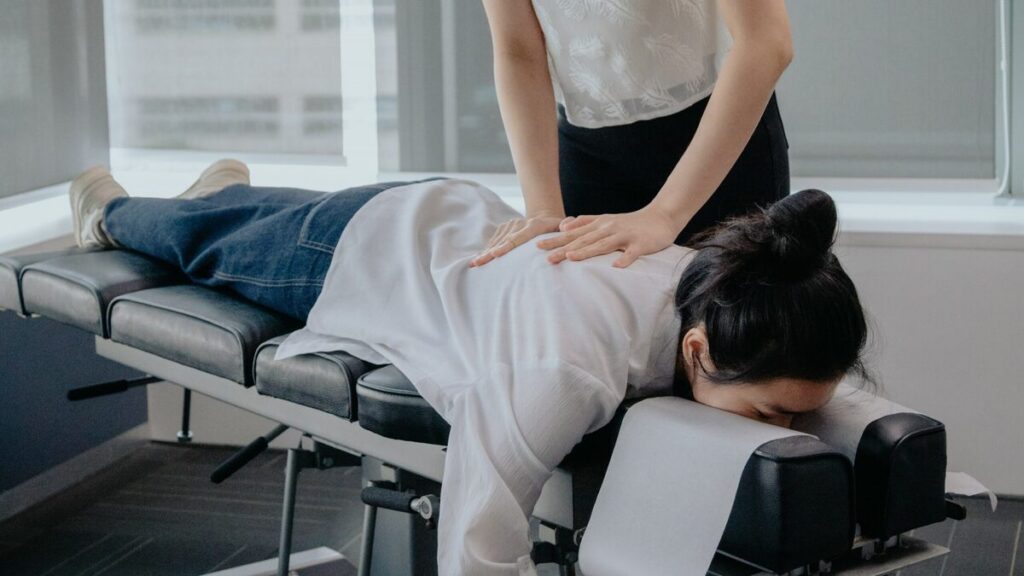
Following the consultation, you'll lie down comfortably on a specialized chiropractic table. The chiropractor will then perform a thorough examination and may use various techniques to assess your spine and overall alignment. You might experience some adjustments, which are gentle manipulations of the spine. While some may feel a slight sensation or pop, most people find the experience to be relieving and often relaxing.
After your session, it's common to feel a sense of relief and increased mobility. Some patients may experience mild soreness in the treated areas, but this usually subsides quickly.
For optimal results, most chiropractors recommend a series of visits over a few weeks to effectively address your lower back pain. By understanding this process, you can better prepare yourself for a journey toward healing and relief through chiropractic care.
Utilizing Massage Therapy
As a local chiropractor, I often see patients seeking relief from lower back pain, and I want to share how massage therapy can complement your journey toward healing. This hands-on technique not only alleviates discomfort but also supports your overall well-being by addressing the underlying causes of your pain.
Here are some benefits of incorporating massage therapy into your routine:
- Reduces muscle tension: By targeting tight muscles, massage can help release built-up tension, leading to reduced pain and enhanced mobility. This is particularly important for anyone experiencing chronic discomfort.
- Increases blood flow: Improved circulation is crucial for healing, as it delivers essential oxygen and nutrients to injured tissues, facilitating a faster recovery process.
- Promotes relaxation: The soothing effects of massage can significantly lower stress and anxiety levels, which often play a role in exacerbating chronic pain.
- Improves posture: Regular massage can encourage better alignment of your spine and posture, helping to prevent further strain on your back and reducing the risk of future pain.
If you're dealing with lower back pain, I recommend seeking a licensed massage therapist who's experienced in this area. They can customize sessions to meet your specific needs, whether you prefer deep tissue, Swedish, or trigger point therapy.
For optimal results, consider scheduling weekly or bi-weekly sessions, especially during the initial stages of your recovery.
Additionally, I encourage you to learn some self-massage techniques and gentle stretches that you can easily integrate into your daily routine. These simple practices can make a significant difference in managing your discomfort.
Implementing Mindfulness Techniques
As a local chiropractor, I want to share with you how incorporating mindfulness techniques into your daily routine can significantly enhance your journey toward alleviating lower back pain. Mindfulness is a powerful tool that encourages you to focus on the present moment, fostering a deeper awareness of your body and its sensations. By practicing mindfulness, you can gain insight into your pain, which may help reduce its intensity.
To get started, I recommend simple breathing exercises. Find a comfortable position, close your eyes, and take deep, intentional breaths. Concentrate on your inhale and exhale, allowing your mind to settle. This practice can effectively lower stress levels, which often contribute to muscle tension and pain in the back.
Another technique to consider is the body scan. Lie down comfortably and mentally examine your body from head to toe. Acknowledge any areas of tension or discomfort without judgment. This approach helps you connect with your physical self and pinpoint where you might need to relax or stretch, making it easier to inform your chiropractic care.
Additionally, it's beneficial to weave mindfulness into your everyday activities. Whether you're walking, eating, or even doing household chores, take a moment to pay attention to how your body feels during these tasks. Notice any sensations or discomfort that arises. This heightened awareness can prompt you to adjust your posture or take necessary breaks, which is essential for maintaining spinal health.
Lastly, I encourage you to explore guided mindfulness meditation. Many apps and online resources offer sessions specifically designed for pain relief. Regular practice can lead to long-term benefits, enhancing your ability to cope with lower back pain while promoting overall well-being.
Incorporating these mindfulness techniques into your routine can complement chiropractic care, helping you achieve a healthier, pain-free life. If you have any questions or would like to learn more about how mindfulness and chiropractic care can work together, feel free to reach out. Your journey to wellness is important, and I'm here to support you every step of the way.
Setting Realistic Goals
As your local chiropractor, I want to emphasize the importance of setting realistic goals for managing your lower back pain.
It's crucial to begin by identifying achievable outcomes that fit your unique lifestyle and recovery needs. For instance, you might aim to improve your mobility or reduce discomfort during daily activities.
Regularly tracking your progress is key—it helps you stay motivated and allows us to make any necessary adjustments to your treatment plan.
Define Achievable Outcomes
As a local chiropractor dedicated to helping you understand the healing process, I want to emphasize the importance of setting achievable outcomes when it comes to managing lower back pain.
These outcomes won't only guide your recovery journey but also help you stay motivated and monitor your progress.
It's crucial to remember that our goal isn't just to eliminate pain but also to enhance your overall quality of life.
Here are some realistic outcomes you might consider as part of your healing journey:
- Reduce Pain Intensity: Work towards achieving a noticeable decrease in your daily pain levels. This could mean feeling more comfortable during activities you enjoy.
- Increase Mobility: Aim to perform everyday tasks—like bending down to tie your shoes or lifting groceries—more easily and without discomfort.
- Enhance Strength: Focus on building strength in your core and back muscles. This support is vital for your spine and can help prevent future issues.
- Improve Posture: Set achievable goals for adopting better posture habits. Good posture can significantly reduce strain on your lower back, promoting long-term health.
Track Progress Regularly
As your local chiropractor, I want to emphasize the importance of tracking your progress when managing lower back pain. Keeping a detailed record of your symptoms, daily activities, and any treatments you're exploring can provide you with invaluable insights into what works for you and what might not.
Start by setting realistic goals for yourself. This could mean aiming to reduce your pain levels or enhance your mobility over a specific period of time. A practical way to do this is by maintaining a daily journal or utilizing a mobile app to log your experiences. Be sure to document key details such as your pain intensity, the types of activities you participated in, and any treatments or exercises you engaged in.
This tracking process helps you identify patterns and triggers related to your pain, allowing us to adjust your chiropractic care and treatment plan more effectively.
Plus, celebrating small victories along the way can be a tremendous motivator to stay committed to your healing journey. If you notice improvements, we can gradually elevate your goals together. Conversely, if your pain increases, we can reassess your approach and determine the best next steps for you.
Ultimately, regular progress tracking empowers you to take charge of your lower back pain management. By working together and being mindful of your journey, we can achieve better outcomes and enhance your overall well-being through natural healing methods.
Tracking Your Progress
As your local chiropractor, I want to emphasize the importance of tracking your progress in managing lower back pain. Understanding what methods work best for you is crucial in your journey towards relief and healing. By monitoring your symptoms and responses to various treatments, you can identify patterns that inform your choices.
Here are some effective ways to keep track of your progress:
- Daily Pain Journal: I recommend that you maintain a journal where you record your pain levels, any triggers you notice, and the natural relief methods you experiment with each day. This practice will help you recognize trends over time and understand what makes your pain better or worse.
- Activity Log: Keeping a detailed record of your daily activities can provide insights into how different movements affect your back pain. Make a note of which activities cause discomfort and which ones alleviate it. This information is valuable for us to discuss during your chiropractic visits.
- Symptom Rating Scale: Consider using a simple 1-10 scale to rate your pain each day. This quantifiable approach helps you visualize your progress and can be a useful tool to share with me during our sessions.
- Treatment Response: After trying any new treatment or exercise, please take a moment to jot down how you felt afterward. This feedback is essential as we work together to find the most effective strategies for your recovery.
Staying Consistent With Exercises
As your local chiropractor, I want to emphasize the importance of consistency in managing your lower back pain.
One of the most effective ways to support your healing journey is by incorporating a daily stretching routine into your life. I encourage you to set achievable goals that will keep you motivated along the way.
It's also beneficial to track your progress; this not only helps you to see how far you've come, but it also reinforces your commitment to a healthier spine.
Remember, chiropractic care works best in conjunction with your own efforts to stay active and engaged in your recovery process.
Together, we can help you achieve lasting relief and improved well-being.
Daily Stretching Routine
As a local chiropractor, I want to emphasize the importance of establishing a daily stretching routine for managing lower back pain and enhancing your overall flexibility. Many of my patients have found that incorporating specific stretches into their daily lives can lead to significant improvements in their comfort and mobility.
Here are some key benefits of maintaining a consistent stretching routine:
- Increases Blood Flow: Stretching promotes blood circulation to the muscles, which can aid in healing and reduce stiffness—a crucial factor for those experiencing lower back pain.
- Enhances Range of Motion: Regular stretching can improve your flexibility, making everyday activities—such as bending or lifting—much easier and more comfortable.
- Strengthens Supporting Muscles: By stretching, you help to strengthen the muscles that support your spine, providing greater stability for your lower back and reducing the risk of injury.
- Reduces Stress and Tension: Stretching can also be a great way to relieve stress, contributing to your overall sense of well-being.
To help you stay on track, I recommend setting aside a specific time each day for your stretching routine. You might choose to do it in the morning to energize your day or in the evening to help you relax.
Start with just a few minutes and gradually increase the duration as you become more comfortable. Keeping a journal of your progress or using an app to remind you can also be beneficial.
Set Achievable Goals
As a chiropractor, I want to emphasize how important it's to set achievable goals when it comes to managing your lower back pain through exercise. The journey to better health begins with identifying specific outcomes you wish to achieve. This might include goals such as improving your flexibility, reducing your pain levels, or increasing your strength.
It's beneficial to break these larger aspirations down into smaller, manageable steps. For example, if your goal is to stretch for 15 minutes each day, you might start with just 5 minutes and gradually increase that time as you become more comfortable and confident.
Measurable goals are crucial in tracking your progress effectively. Instead of a vague goal like "I want to feel better," try something more specific, like "I want to reduce my pain level by 50% within four weeks." Having clear objectives not only keeps you motivated but also provides a focused pathway to recovery.
In addition, consider establishing time-based goals. For instance, you could commit to exercising three times a week for 30 minutes. This structured approach lays a solid foundation for your routine and helps you stay consistent.
Remember, consistency is key in chiropractic care and rehabilitation; starting small is often more beneficial than overexerting yourself and risking injury.
Lastly, I encourage you to celebrate your achievements, no matter how minor they may seem. Recognizing your progress can significantly boost your motivation and reinforce your commitment to maintaining a consistent exercise routine.
Your journey to healing and improved well-being is a partnership, and I'm here to support you every step of the way.
Track Your Progress
As a chiropractor dedicated to your health and well-being, I want to emphasize how important it's to track your progress in managing lower back pain. Keeping a close eye on your improvements can enhance your commitment to your exercise routine and help you achieve your healing goals.
By monitoring your journey, you'll not only find motivation but also gain insight into the methods that work best for you. Here are some effective strategies to help you track your progress:
- Maintain a workout journal: Document your exercises, sets, and repetitions. This practice allows you to observe your advancements over time, making it easier to identify what contributes to your relief.
- Utilize apps or fitness trackers: These modern tools can assist you in logging your workouts and offer valuable insights into your performance. They can also remind you to stay consistent with your routines, which is crucial for healing.
- Schedule regular check-ins: I recommend setting up weekly or bi-weekly evaluations to assess not just your pain levels but also your flexibility improvements. This will help us adjust your chiropractic care plan as needed.
- Capture progress photos: Taking visual records of your journey can serve as powerful reminders of how far you have come. These photos can be incredibly motivating as you witness your transformation.
By actively tracking your progress, you empower yourself in the healing process.
Avoiding Prolonged Sitting
As a local chiropractor, I want to emphasize how prolonged sitting can significantly contribute to lower back pain, a common issue many people face today. If you find yourself spending long hours at a desk or in front of a screen, it's crucial to understand how these habits can affect your spine and overall well-being.
Your posture plays a vital role in your back health; slouching or leaning forward can place extra stress on your spine, leading to discomfort and pain.
To help alleviate this strain, I recommend setting up an ergonomic workspace. Your chair should provide adequate support for your lower back, ensuring that your feet rest flat on the floor. Position your computer screen at eye level to prevent unnecessary strain on your neck and back.
If possible, consider switching to a standing desk or using a desk converter so you can alternate between sitting and standing throughout your day.
In addition to an ergonomic setup, it's essential to take regular breaks. Every 30 to 60 minutes, I encourage you to get up, stretch, or take a brief walk. This simple practice can relieve the tension that builds up from prolonged sitting.
Setting reminders on your phone or computer can be a helpful way to encourage movement.
Incorporating gentle stretches that target the lower back can also be beneficial. Simple twists or forward bends can alleviate tightness and enhance circulation.
By making these adjustments, you can't only reduce your lower back pain but also improve your overall health and vitality.
Incorporating Daily Walks
As your local chiropractor, I want to emphasize the importance of incorporating daily walks into your routine, especially if you're dealing with lower back pain.
Walking is a natural and effective way to alleviate discomfort, as it improves circulation and strengthens the core muscles that support your spine.
I encourage you to consider the following tips to help you stay consistent with your walking routine and determine the ideal duration for your walks.
Remember, even small amounts of movement can lead to significant improvements in your overall well-being.
Let's work together to find a walking plan that works for you!
Benefits of Daily Walking
As a local chiropractor, I often see patients who underestimate the incredible benefits of a simple daily walk. It's a natural and effective way to enhance your overall well-being, particularly when it comes to alleviating lower back pain.
Walking is a low-impact exercise that promotes movement without putting excessive strain on your back. Here are some key benefits you can experience by incorporating daily walks into your routine:
- Improved Flexibility: Regular walking helps maintain flexibility in your muscles and joints, which is crucial for good posture and reducing stiffness. This flexibility is essential for preventing injuries and maintaining a healthy spine.
- Strengthened Core Muscles: When you walk, your core muscles engage to stabilize your body. Over time, this engagement leads to stronger abdominal and lower back muscles, which are vital for supporting your spine and reducing pain.
- Enhanced Mood: Walking stimulates the release of endorphins, the body's natural mood lifters. This can elevate your mood and decrease stress levels, contributing to a greater sense of overall well-being, which is important in your healing journey.
- Weight Management: Incorporating daily walks can aid in maintaining a healthy weight, which alleviates pressure on your lower back. Reducing this pressure can significantly decrease pain and improve your quality of life.
By making daily walks a regular part of your routine, you're not only promoting your physical health but also nurturing your mental clarity and emotional balance.
This holistic approach is a powerful tool in your journey toward relief from lower back pain and overall wellness. Remember, taking care of your body is essential, and walking can be a simple yet effective step in the right direction.
Tips for Consistency
As a local chiropractor, I understand the importance of incorporating daily walks into your routine for both your physical health and overall well-being. Establishing consistency in this new habit is crucial, especially if you're looking to alleviate lower back pain and improve your body's function.
Start by selecting a specific time each day that suits your lifestyle—whether that's in the morning to energize your day, during lunch for a refreshing break, or after dinner to unwind. By sticking to a regular schedule, you allow your body to adapt more easily to this beneficial practice.
It's also important to begin with manageable goals. I recommend starting with short walks of just 10-15 minutes. This way, you won't overwhelm yourself and can gradually build your confidence and endurance. As you feel more comfortable, you can slowly increase the duration of your walks.
Tracking your progress can be a powerful motivator. Consider using a journal or a smartphone app to log your walks. When you see how far you've come, it can boost your motivation and commitment to this healthy habit.
Additionally, mixing up your walking routes by exploring different paths or parks can keep your routine exciting and engaging.
Another effective strategy is to find a walking buddy or join a group. Walking with someone can make the experience more enjoyable and provides accountability, which helps reinforce your commitment.
Remember, consistency is key in reaping the benefits of your walking routine. So, take time to celebrate your achievements, no matter how small they may seem.
Ideal Walking Duration
As a local chiropractor dedicated to helping you understand natural healing and pain management, I want to emphasize the importance of incorporating walking into your daily routine, especially if you're dealing with lower back pain.
Walking for at least 30 minutes each day can significantly enhance your overall well-being and support your efforts in managing discomfort.
Here's why walking is beneficial for your back health:
- Reduces stiffness: Regular walking promotes flexibility in your spine and helps diminish tightness in your lower back, which is crucial for maintaining mobility.
- Boosts circulation: Walking increases blood flow to your muscles and tissues, facilitating recovery and alleviating pain. This improved circulation can also enhance the effectiveness of chiropractic adjustments.
- Enhances mood: Physical activity, such as walking, triggers the release of endorphins—your body's natural painkillers. This can elevate your mood and assist you in coping with pain more effectively.
- Encourages weight management: Keeping a healthy weight is essential for reducing stress on your lower back. Walking is a low-impact exercise that can help you achieve and maintain a healthy weight, making pain management more manageable.
I recommend aiming for a brisk walking pace and ensuring you wear supportive shoes to protect your feet and back.
If walking for 30 minutes straight feels daunting, don't worry! You can break it into shorter sessions throughout the day. Start with what feels comfortable for you and gradually increase your duration.
It's vital to listen to your body and adjust your pace as needed. Consistency is key; by making walking a regular part of your daily routine, you can experience lasting relief from lower back pain.
If you have any questions or would like to learn more about how chiropractic care can complement your walking routine, feel free to reach out!
Engaging in Low-Impact Activities
As a local chiropractor, I want to share how engaging in low-impact activities can significantly benefit those managing lower back pain. These exercises enable you to remain active while minimizing strain on your back, which is essential for promoting strength and flexibility without exacerbating discomfort.
Consider incorporating activities like swimming, cycling, or gentle yoga into your routine. Swimming is particularly beneficial because the buoyancy of the water reduces stress on your joints and spine, allowing you to move with ease.
Cycling, whether you're on a stationary bike or out in nature, is another excellent option. It helps strengthen your core and leg muscles while avoiding harsh impacts that can cause pain.
Gentle yoga also plays a vital role by focusing on stretching and strengthening, which can improve your posture and alignment—both crucial for maintaining back health.
I can't stress enough the importance of consistency. Aim to include these low-impact activities in your life several times a week. If you're just starting, begin with shorter sessions and gradually extend them as your endurance builds. Always listen to your body; if something doesn't feel right, it's important to modify the activity or take a break.
Don't forget to warm up before you engage in any physical activity and cool down afterward. This practice can help prevent injuries and enhance the effectiveness of your workouts.
Recognizing Pain Triggers
As a local chiropractor, I want to emphasize the importance of recognizing pain triggers for effectively managing lower back pain. Identifying what aggravates your discomfort can empower you to take proactive steps towards relief and recovery. Here are some common triggers that you should consider:
- Poor posture: Many of us tend to slouch while sitting or standing, which can place unnecessary strain on your lower back.
- Prolonged inactivity: Remaining in one position for an extended period can lead to stiffness and increased pain.
- High-impact activities: Engaging in intense exercise or making sudden movements may provoke flare-ups of discomfort.
- Stress: Emotional tension can physically manifest, leading to muscle tightness in your lower back.
To begin understanding your pain, I recommend keeping a pain diary. Document when your pain occurs, what activities you were engaged in, and the intensity of the pain. Over time, you may begin to notice patterns that help you identify specific triggers.
For instance, many patients find that their pain intensifies after a long workday or following a rigorous workout.
Additionally, it's important to listen to your body. If you experience discomfort after certain activities or positions, make a note of it and consider adjusting your routine.
For example, if sitting at your desk for long hours contributes to your pain, it might be worthwhile to reevaluate your workspace ergonomics or incorporate regular breaks into your day.
Understanding these triggers not only aids in managing your pain but also enhances the effectiveness of chiropractic care and natural healing methods we utilize to support your recovery.
Learning Proper Lifting Techniques
As a local chiropractor, I want to emphasize the importance of recognizing your pain triggers, especially when it comes to managing lower back discomfort. However, understanding proper lifting techniques is crucial in preventing injuries and promoting a healthier spine.
When lifting, it's essential to position yourself close to the object you're about to lift. This minimizes the strain on your back and helps maintain proper alignment. Stand with your feet shoulder-width apart for a stable base. Before you lift, bend at your knees and hips, making sure to keep your back straight. Visualize your spine as a long, straight line, and strive to maintain that alignment throughout the entire lifting process.
Engaging your core muscles while lifting is vital. This not only supports your spine but also helps distribute the weight more evenly. Remember to use your legs to lift, rather than relying on your back. Keeping the object close to your body will further reduce strain. If you find the object too heavy or awkward, please don't hesitate to ask for assistance or utilize tools like dollies or lifting straps.
Another important tip is to avoid twisting your body while lifting. If you need to change direction, turn your feet instead of twisting at your waist. When it's time to set the object down, remember to reverse the lifting process: bend your knees while keeping your back straight.
Seeking Support From Others
As a local chiropractor, I want to emphasize the importance of seeking support from others when managing lower back pain. You don't have to face this challenge alone, and building a support network can significantly enhance your healing journey. Connecting with friends, family, or support groups can offer the encouragement and understanding you need.
Here's how seeking support can be beneficial:
- Emotional Support: Sharing your experiences with those who understand can help lighten the emotional burden that often accompanies chronic pain. It's essential to talk about your feelings and frustrations with people who care.
- Practical Help: Family and friends can assist with everyday tasks, such as grocery shopping or household chores, allowing you the time to focus on your recovery. This practical support is crucial in managing your pain effectively.
- Motivation to Stay Active: Surrounding yourself with supportive individuals can inspire you to adhere to your treatment plan and keep moving. Staying active is vital for your recovery, and encouragement from loved ones can make a difference.
- Shared Insights: Others may have valuable experiences to share, such as recommendations for effective physical therapists, exercises, or wellness strategies that have worked for them. Learning from others can provide new avenues for relief.
I encourage you to consider reaching out to local support groups, online forums, or social media communities focused on back pain. Engaging with others can help you discover coping techniques and gain fresh perspectives on your situation.
You may even find someone facing similar challenges, which can foster a supportive bond.
Additionally, don't hesitate to discuss your pain with healthcare professionals, including your chiropractor. We can help guide you in communicating your needs to those around you.
Celebrating Small Wins
As a local chiropractor, I want to emphasize the importance of celebrating small wins as you embark on your journey to manage lower back pain. Many patients often overlook their progress when they're fixated on long-term goals, but recognizing these little victories can significantly boost your motivation. Every small step you take contributes to your overall health and well-being.
Start by keeping track of your achievements. This could be as simple as a day without pain, successfully completing a set of exercises I've recommended, or even getting out of bed with greater ease. When you acknowledge these moments, you reinforce positive behavior and foster a sense of accomplishment.
I encourage you to share these wins with your support network—friends, family, or even fellow patients. They can help celebrate your achievements and remind you of how far you've come, making your journey feel less isolating.
It's essential to remember that progress isn't always a straight path. You may experience ups and downs along the way, but celebrating these small wins can help shift your focus from setbacks to successes. I suggest creating a reward system for yourself. After hitting a milestone—whether it's treating yourself to a favorite snack or indulging in an episode of a show you love—you reinforce the notion that you're making headway.
Additionally, I can't stress enough the power of positive self-talk. Rather than being hard on yourself for not progressing as quickly as you'd like, take a moment to reflect on the wins you've already achieved. This shift in mindset can be crucial in maintaining your determination.
Conclusion
As a local chiropractor, I want to share with you how you can make meaningful strides toward alleviating your lower back pain in just 30 days. By integrating core-strengthening exercises into your routine, daily stretching, and using proper lifting techniques, you can create a solid foundation for your back health.
It's also essential to optimize your workspace to promote good posture and comfort. Don't hesitate to lean on your loved ones for support during this journey—having a solid support system can make a world of difference.
Celebrate every bit of progress, no matter how minor it may seem. Remember, consistency is crucial in this process. With commitment and the right natural approaches, you can move toward a future free from pain. Embrace chiropractic care as a holistic path to healing, and together, we can work towards restoring your back health.