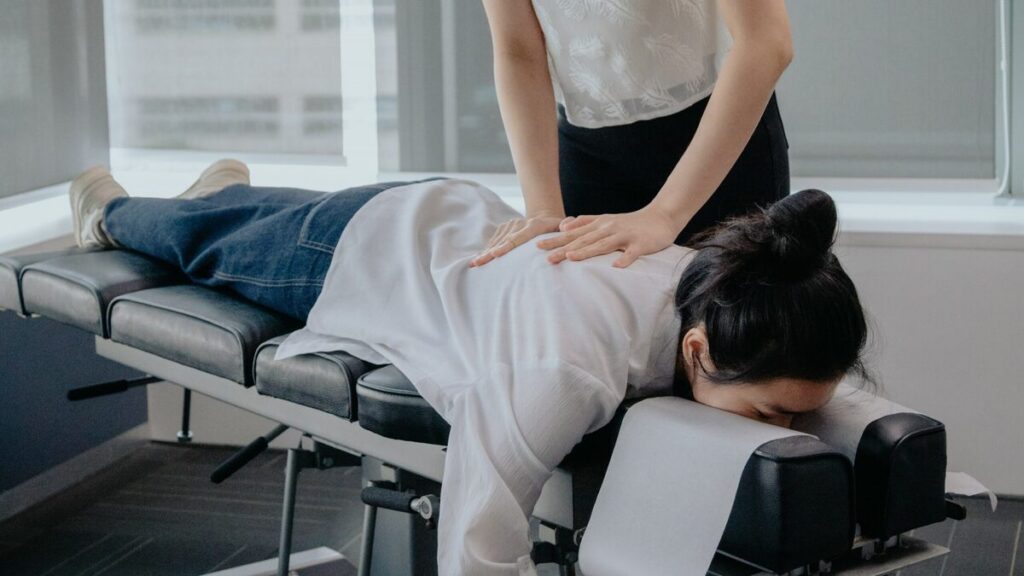

If you’re dealing with lower back pain, you’re certainly not alone. Many individuals are seeking effective ways to manage their discomfort, and one of the most promising paths is chiropractic care. This natural approach to wellness focuses on the alignment of your spine and the overall health of your musculoskeletal system, making it an excellent choice for pain relief.
Chiropractic care combines traditional techniques with innovative practices to help alleviate lower back pain. By focusing on spinal adjustments, chiropractors can help restore proper alignment, reduce inflammation, and improve mobility. These adjustments not only address the immediate pain but also work toward preventing future issues.
In addition to chiropractic adjustments, there are several tips and techniques you can incorporate into your daily routine to support your back health:
- Practice Good Posture: Whether sitting at a desk or lifting objects, maintaining proper posture can significantly reduce strain on your back.
- Stay Active: Engaging in regular physical activity strengthens the muscles that support your spine, making you less susceptible to injury.
- Mindfulness and Relaxation: Techniques such as deep breathing or gentle yoga can help reduce stress and tension in your body, providing additional relief from pain.
- Heat and Ice Therapy: Applying heat can relax tight muscles, while ice can reduce inflammation. Alternating between the two can be particularly effective.
- Ergonomic Support: Using ergonomic furniture and tools can help maintain proper alignment during daily activities, reducing the risk of aggravating your back.
Curious about how chiropractic care can enhance your pain management strategy? Let’s explore how this holistic approach can lead to lasting relief and help you achieve optimal health. Remember, a well-aligned spine is key to a healthier, pain-free life.
Mindfulness and Meditation for Pain Relief
Mindfulness and meditation can be excellent complementary practices for managing lower back pain, especially when combined with chiropractic care. By focusing your attention on the present moment, you can effectively reduce stress and anxiety, which often intensify pain.
I recommend setting aside just a few minutes each day to practice mindfulness. Look for a quiet space, sit comfortably, and close your eyes. As you take deep breaths, gently observe your thoughts and feelings without judgment. This practice helps create a sense of calm and can shift your focus away from discomfort.
Incorporating guided meditation can also enhance your experience. Many apps offer specific sessions designed to aid in pain relief, allowing you to visualize a state of relaxation. During these sessions, you’ll learn to acknowledge your pain without letting it take control. Consistent practice can improve your resilience to pain, making it easier to cope.
While mindfulness and meditation are beneficial, remember that chiropractic care is a fundamental aspect of achieving optimal health and wellness. Regular adjustments can help realign your spine, reduce tension, and improve overall function, which complements your mindfulness practice beautifully.
For additional tips, consider maintaining good posture throughout the day, taking regular breaks to stretch if you sit for long periods, and staying active with gentle exercises like walking or yoga.
Embrace these holistic techniques alongside chiropractic care, and you may discover a newfound sense of control over your lower back pain and overall well-being.
Physical Therapy and Rehabilitation Techniques
While mindfulness and meditation are great tools for managing lower back pain, chiropractic care takes it a step further by focusing on the spine’s alignment and overall body function. Chiropractic adjustments help restore proper movement in the spine, which is essential for alleviating pain and improving your overall health.
A chiropractor will assess your condition and create a personalized treatment plan that may include gentle spinal adjustments and exercises designed to strengthen your core and back muscles. These exercises are crucial for maintaining good posture and stability, which can prevent future discomfort.
In addition to adjustments, your chiropractor may recommend techniques like stretching and mobility exercises to release tension and improve your range of motion. They’ll also educate you on proper body mechanics for daily activities, helping you avoid positions that could lead to flare-ups.
Consistency is important in your recovery journey. Regular chiropractic visits and practicing recommended exercises at home will help you achieve the best results.
By combining chiropractic care with mindfulness practices, you can take charge of your recovery and boost your overall well-being.
Acupuncture and Traditional Chinese Medicine
If you’re dealing with lower back pain, you might want to consider chiropractic care as a natural and effective way to find relief. Chiropractic treatment involves hands-on adjustments to the spine, which can help to realign your body, reduce pain, and improve mobility. Many patients report feeling significant relief after just a few sessions, as chiropractic care focuses on addressing the underlying issues contributing to your discomfort.
In addition to spinal adjustments, a good chiropractor will provide you with personalized advice on lifestyle changes, exercise, and nutrition that can support your healing process. This holistic approach not only targets the pain but also promotes overall wellness. By focusing on the root causes of your pain, chiropractic care can help you achieve long-lasting relief and prevent future issues.
Research has shown that chiropractic adjustments can help reduce inflammation and improve blood flow, which are essential for healing. If you’re considering this path, it’s important to consult with a qualified chiropractor who can create a tailored treatment plan for you.
Here are a few tips you can incorporate into your daily routine to support your back health:
- Maintain Good Posture: Whether you’re sitting at a desk or standing, be mindful of your posture. Keeping your spine aligned can prevent strain and discomfort.
- Stay Active: Regular gentle exercise, such as walking or stretching, can strengthen your back muscles and improve flexibility.
- Use Proper Lifting Techniques: When lifting heavy objects, bend at your knees and keep your back straight to avoid injury.
- Be Mindful of Your Sleep Position: Use a supportive mattress and pillow to keep your spine aligned while you sleep.
Chiropractic Care and Spinal Manipulation
Chiropractic care, especially spinal manipulation, is a natural and effective way to relieve lower back pain and enhance overall wellness. By focusing on misaligned vertebrae, we help restore your spinal alignment, which can lead to reduced pain and improved mobility.
During your visit, I’ll take the time to assess your posture and movement, creating a personalized treatment plan that meets your unique needs.
Spinal manipulation involves a gentle, controlled force applied to your joints, which helps relieve pressure on nerves and improves blood circulation. Many of my patients experience noticeable relief and increased range of motion after just a few sessions.
It’s amazing how quickly your body can respond to this natural approach!
In addition to providing immediate relief, regular chiropractic care plays a crucial role in preventing future episodes of lower back pain. By keeping your spine aligned and addressing any issues early, you’re setting yourself up for long-term back health.
This proactive approach allows you to enjoy a more active and fulfilling lifestyle.
Here are some simple tips to maintain a healthy spine at home:
- Stay Active: Engage in regular exercise to strengthen your core muscles, which support your spine.
- Practice Good Posture: Be mindful of your posture while sitting, standing, or lifting to reduce strain on your back.
- Stretch Regularly: Incorporate stretching into your daily routine to enhance flexibility and reduce tension in your back.
- Use Supportive Furniture: Invest in ergonomic chairs and supportive mattresses to promote proper spinal alignment.
By choosing chiropractic care, you’re opting for a safe, natural path toward optimal health and wellness.
Let’s work together to keep your spine healthy and pain-free!
Innovative Technologies: TENS and Biofeedback
When it comes to managing lower back pain, I want to highlight the importance of chiropractic care as a natural and effective solution. While innovative technologies like TENS and biofeedback can provide some temporary relief, they aren’t substitutes for the holistic benefits of chiropractic adjustments.
TENS devices send electrical impulses to help block pain signals, which can offer short-term relief, but they don’t address the underlying issues that may be causing your pain. Biofeedback helps you become more aware of your body’s responses, but again, it doesn’t treat the root of the problem. This is where chiropractic care truly shines.
Chiropractors focus on aligning the spine and improving overall function, which allows your body to heal naturally. Regular adjustments can reduce pain, improve mobility, and enhance your overall well-being. By correcting misalignments, we help your nervous system function optimally, which can lead to lasting pain relief.
In addition to chiropractic adjustments, here are some simple tips you can incorporate into your daily routine to support your back health:
- Maintain Proper Posture: Be mindful of your posture while sitting and standing. Use ergonomic chairs and take breaks to stretch if you sit for long periods.
- Stay Active: Engage in low-impact exercises like walking, swimming, or yoga to keep your back muscles strong and flexible.
- Use Heat or Cold Therapy: Applying heat can help relax tight muscles, while cold packs can reduce inflammation. Alternate between the two for the best results.
- Practice Stress Management: Stress can contribute to muscle tension. Techniques such as deep breathing, meditation, or gentle stretching can help alleviate stress-related pain.
- Stay Hydrated and Eat Well: A balanced diet and staying hydrated support overall health and can help with muscle recovery.
By prioritizing chiropractic care and these healthy habits, you can take charge of your pain relief journey and work towards optimal health without the need for medications or invasive procedures.
TENS Device Mechanism Explained
Managing lower back pain can often feel overwhelming, but understanding how a TENS device works can empower you to take control of your relief. TENS, or Transcutaneous Electrical Nerve Stimulation, utilizes low-voltage electrical currents to stimulate the nerves in your skin.
When you place the electrodes on your skin, the device sends electrical impulses that can block pain signals from reaching your brain. This technique can help reduce your perception of pain and promote the release of endorphins, which are your body’s natural painkillers.
While TENS can offer temporary relief, it’s important to remember that chiropractic care addresses the root cause of pain. A chiropractor can assess your spine and overall musculoskeletal health, providing targeted adjustments that improve alignment and function.
This holistic approach not only alleviates pain but also enhances your body’s ability to heal naturally.
To get the most out of your pain management routine, consider these tips:
- Stay Active: Gentle stretches and low-impact exercises can strengthen your back and improve flexibility. A chiropractor can guide you on safe movements that support healing.
- Practice Good Posture: Be mindful of your posture while sitting or standing to reduce strain on your back. Your chiropractor can provide insights on ergonomic adjustments to your workspace.
- Incorporate Heat and Cold Therapy: Alternating between warm and cold packs can soothe inflammation and provide relief.
- Stay Hydrated and Eat Well: Proper nutrition and hydration support overall health, including your spine. Foods rich in omega-3 fatty acids, antioxidants, and hydration can promote healing.
- Consider Regular Chiropractic Visits: Regular adjustments can help maintain spinal health and prevent future pain.
Incorporating a TENS device into your routine can be a helpful tool for temporary relief, but partnering with a chiropractor is the best choice for long-term pain management and natural wellness.
Biofeedback Techniques Overview
Building on the understanding of TENS devices, biofeedback techniques present a valuable addition to managing lower back pain naturally. With biofeedback, you can learn to control certain bodily functions that may contribute to your pain. This technique uses sensors to monitor processes like muscle tension and heart rate, giving you real-time feedback on how your body is responding.
By becoming aware of these functions, you can develop effective strategies to relax your muscles and alleviate discomfort. During your biofeedback sessions, you might visualize calming images or practice deep breathing exercises while tracking your progress on a monitor. Over time, this increased awareness helps you take control of your body, empowering you to manage pain more effectively and naturally.
Incorporating biofeedback into your wellness routine complements the benefits of chiropractic care, which focuses on aligning your spine and enhancing your overall health. Together, they create a holistic approach to pain management that avoids the need for medications or surgeries.
Here are some tips you can take away:
- Consider adding biofeedback sessions to your wellness journey to enhance your ability to manage pain.
- Practice relaxation techniques at home, such as deep breathing or visualization, to help reduce stress and muscle tension.
- Regular chiropractic adjustments can improve spinal alignment and support your body’s natural healing processes.
Effectiveness in Pain Relief
Innovative technologies like TENS and biofeedback can offer some relief for those dealing with lower back pain, but it’s important to remember that chiropractic care is one of the most effective methods for achieving long-term wellness.
At our clinic, we focus on aligning your spine and addressing the root causes of pain, rather than just masking the symptoms.
TENS, or transcutaneous electrical nerve stimulation, works by sending electrical impulses through the skin to help reduce pain perception. While many users experience temporary relief, the most effective way to tackle pain is through spinal adjustments that promote healing and restore function.
Chiropractic care not only helps alleviate discomfort but also improves overall mobility and quality of life.
Biofeedback is another technique that teaches you to control physiological functions, such as muscle tension. While it can help you become more aware of your body’s responses, chiropractic adjustments provide a direct approach to relieving tension in your muscles and joints.
By combining chiropractic care with lifestyle changes—like regular exercise, proper posture, and stress management—you can enhance your pain management strategies and empower yourself on the road to recovery.
Both TENS and biofeedback are non-invasive, but they can be complementary to chiropractic care, which focuses on natural healing and wellness.
By choosing chiropractic, you’re opting for a holistic approach that not only addresses pain but also promotes optimal health.
Remember, maintaining a healthy lifestyle through regular chiropractic visits, proper ergonomics, and staying active can significantly reduce your reliance on other forms of pain relief.
Take charge of your health today—your spine will thank you!
Lifestyle Changes and Ergonomic Solutions
Managing lower back pain effectively involves embracing lifestyle changes and ergonomic solutions, and chiropractic care plays a vital role in achieving optimal health and wellness. As a chiropractor, I encourage you to take proactive steps that not only alleviate discomfort but also promote overall well-being.
Start by incorporating regular physical activity into your daily routine. Focus on exercises that strengthen your core muscles and improve flexibility. A strong core supports your spine and can significantly reduce discomfort. Consider activities like yoga or pilates, which are gentle on the body and can enhance your alignment.
Pay close attention to your posture throughout the day. When sitting, choose a chair that provides adequate support for your lower back and ensures your feet are flat on the ground. If your job requires spending long hours at a desk, think about investing in an ergonomic chair or a standing desk to help maintain better posture and spinal alignment.
Your sleeping arrangements also play a crucial role in spinal health. A medium-firm mattress can offer the necessary support for your back. When you sleep, try lying on your side with a pillow between your knees to help keep your spine aligned.
When lifting heavy objects, remember to always bend your knees and keep the load close to your body. Proper lifting techniques can prevent strain and injury to your back.
Incorporating chiropractic care into your routine can further support these lifestyle changes. Regular adjustments can help align your spine, reduce pain, and enhance your body’s natural healing processes.
Conclusion
As a local chiropractor, I want to share some trending techniques that can truly revolutionize the way you manage lower back pain. By incorporating chiropractic care into your routine, you can not only alleviate discomfort but also promote overall wellness.
Chiropractic adjustments are a powerful way to address the root cause of your pain, helping to restore proper alignment and function to your spine. This natural approach encourages your body’s innate ability to heal itself, reducing reliance on medications or invasive procedures.
Alongside chiropractic care, consider embracing mindfulness practices such as deep breathing or meditation. These techniques can help you manage stress, which often contributes to muscle tension and pain. Engaging in regular physical therapy or gentle exercises tailored to your needs can also strengthen the muscles supporting your spine and improve flexibility.
Don’t overlook the importance of lifestyle changes! Simple adjustments like maintaining good posture, using ergonomic furniture, and incorporating stretches into your daily routine can go a long way in preventing pain.
Take charge of your health today by exploring these holistic strategies. Chiropractic care stands out as a leading choice for achieving optimal health and a pain-free life. Your journey toward wellness begins now!