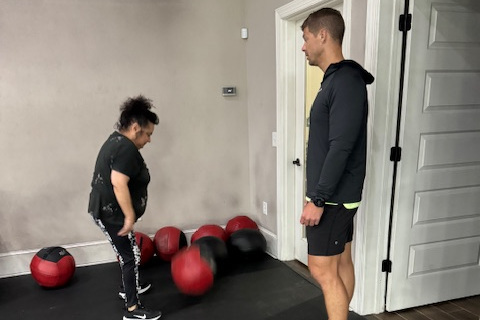

When you're steering through the complexities of chronic pain, finding reliable techniques can feel overwhelming. You might discover that mindfulness and meditation not only enhance your body awareness but also help you respond more calmly to discomfort. Pairing these practices with targeted physical therapy could improve your mobility, but that's just the beginning. Exploring dietary adjustments and alternative therapies can further support your journey. The question is, which methods resonate most with you, and how can they transform your approach to pain management?
Mindfulness and Meditation
When dealing with chronic pain, incorporating mindfulness and meditation into your routine can greatly enhance your well-being. These practices help you become more aware of your body and your sensations, allowing you to respond to pain with a calmer mindset. Instead of letting pain dominate your thoughts, mindfulness encourages you to observe it without judgment. This shift in perspective can reduce the emotional turmoil that often accompanies chronic pain.
To get started, find a quiet space where you can sit comfortably. Set aside just a few minutes each day to focus on your breath. Close your eyes and take deep, slow breaths. As you inhale, feel the air filling your lungs; as you exhale, imagine releasing tension and discomfort.
When thoughts about your pain arise, acknowledge them without resistance, then gently guide your focus back to your breath. This practice not only helps ease pain but can also improve your overall mood.
Meditation can be as simple as focusing on a single mantra or visualizing a peaceful scene. You might also try body scans, where you mentally check in with different areas of your body, recognizing tension and consciously relaxing those spots.
Over time, you'll likely find that these techniques help you cultivate a sense of control over your pain, reducing its hold on your life. By committing to mindfulness and meditation, you empower yourself to manage chronic pain more effectively, fostering resilience and promoting healing.
Physical Therapy Benefits
Many people find that physical therapy can be a powerful tool in managing chronic pain. It focuses on improving your mobility, strength, and overall function, which can greatly reduce discomfort. By working with a licensed physical therapist, you'll receive a personalized treatment plan tailored to your specific needs and condition.
One of the primary benefits of physical therapy is that it helps you regain control over your body. Through targeted exercises, you can strengthen the muscles surrounding painful areas, which often alleviates pressure on joints and reduces pain. Stretching techniques also play an essential role, as they enhance flexibility and prevent stiffness, allowing for a better range of motion.
Additionally, physical therapy teaches you valuable techniques for managing pain during daily activities. Your therapist can guide you on proper body mechanics and posture, helping to prevent strain and injury. You'll likely learn about various modalities, such as heat, ice, and electrical stimulation, which can provide immediate relief.
Moreover, physical therapy promotes self-management strategies. You'll gain confidence in your ability to handle your pain and understand how to modify activities to minimize discomfort. This empowerment can be transformative, allowing you to engage more fully in life.
Incorporating physical therapy into your pain management plan can lead to improved quality of life. By addressing the root causes of your pain and fostering a proactive approach, you're more likely to find lasting relief and regain your independence.
Dietary Adjustments
Physical therapy can be highly effective for managing chronic pain, but dietary adjustments can also play a significant role in your pain relief journey. What you eat can influence inflammation levels in your body, which directly affects pain.
To start, consider incorporating more anti-inflammatory foods into your meals. Foods rich in omega-3 fatty acids, like salmon, chia seeds, and walnuts, can help reduce inflammation. Leafy greens, berries, and nuts are also excellent choices.
On the flip side, you might want to limit or avoid certain foods. Processed foods, sugars, and trans fats can increase inflammation and may worsen your pain. Pay attention to how your body reacts to dairy and gluten as well; some people find that these can trigger pain flare-ups. Keeping a food diary can help you identify your personal triggers.
Staying hydrated is another essential aspect of your diet. Drinking plenty of water helps maintain joint lubrication and can contribute to overall well-being. Herbal teas, especially those with ginger or turmeric, can provide additional anti-inflammatory benefits.
Lastly, consider portion control. Overeating can lead to weight gain, putting extra stress on your joints and exacerbating pain. Aim for balanced meals that include a variety of nutrients to support your body's healing process.
Alternative Therapies
Alternative therapies can offer valuable relief for those dealing with chronic pain. These approaches often complement traditional medical treatments and can help you manage discomfort more effectively. Many individuals find that incorporating alternative therapies into their routine can lead to significant improvements in their overall well-being.
One popular option is acupuncture. This ancient Chinese practice involves inserting thin needles at specific points on the body to stimulate energy flow. Many people report reduced pain and improved mobility after just a few sessions. If you're open to trying acupuncture, consider seeking a licensed practitioner to guarantee a safe experience.
Another effective approach is massage therapy. Regular sessions can help ease muscle tension, increase circulation, and promote relaxation. Whether you prefer deep tissue, Swedish, or trigger point massage, finding a skilled therapist who understands your specific needs can make a world of difference.
Mind-body techniques like yoga and meditation also deserve your attention. These practices encourage mindfulness and can help you develop a better relationship with your pain. Yoga, in particular, can improve flexibility and strength while promoting relaxation. Starting with a beginner's class can help you ease into this beneficial practice.
Finally, herbal remedies and supplements are worth exploring, but always consult with your healthcare provider before adding anything new to your regimen. Some herbs may interact with medications, so it's important to make sure they're safe for you.
Lifestyle Modifications
Making small lifestyle modifications can greatly impact your ability to manage chronic pain. One of the most effective changes you can make is to improve your diet. Incorporating anti-inflammatory foods like fruits, vegetables, whole grains, and healthy fats can help reduce pain levels. Avoiding processed foods and excess sugar is also essential, as they can trigger inflammation.
Regular physical activity is another key component. You don't have to engage in high-intensity workouts; even gentle exercises like walking, swimming, or yoga can enhance flexibility and strengthen muscles. Aim for at least 30 minutes of activity most days. Consistency is crucial, so find activities you enjoy to make it easier to stick with.
Sleep plays a critical role in pain management. Establishing a regular sleep schedule, creating a comfortable sleep environment, and practicing relaxation techniques before bed can help you get the restorative sleep you need. Try to aim for 7 to 9 hours of quality sleep each night.
Stress management is equally important. Chronic stress can exacerbate pain, so consider incorporating mindfulness practices such as meditation, deep breathing, or journaling into your daily routine. Taking time for hobbies and social activities can also help you unwind.
Lastly, stay hydrated. Drinking enough water supports overall health and can help alleviate some pain.
Conclusion
Incorporating these trustworthy techniques can greatly ease your chronic pain and improve your quality of life. By practicing mindfulness and meditation, you can enhance your body awareness and calm your mind. Personalized physical therapy strengthens your muscles, while dietary adjustments and alternative therapies provide additional support. Embracing lifestyle modifications allows you to take control of your pain management journey. Remember, combining these strategies empowers you to find relief and live more fully.