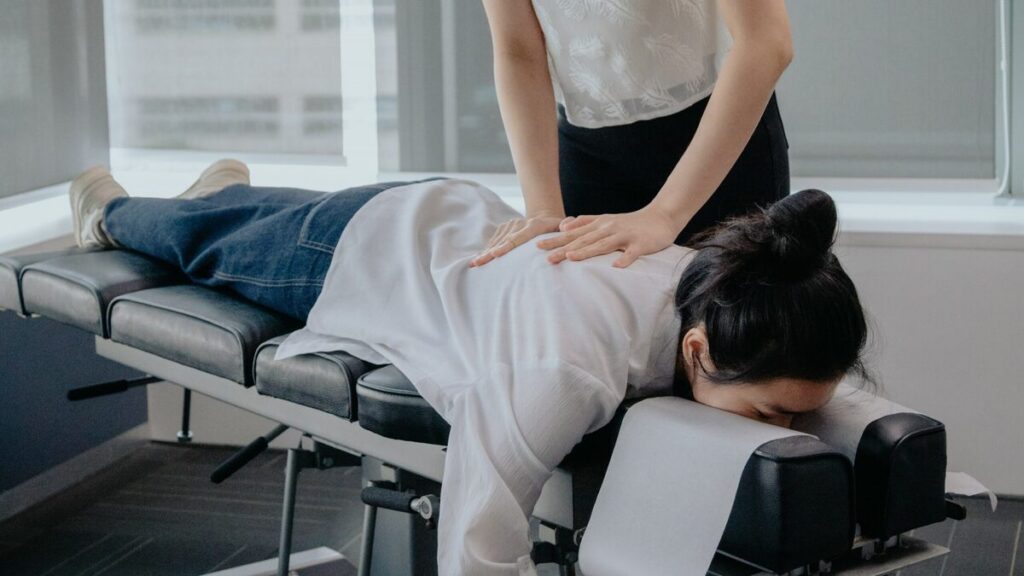

You might overlook routine care as just another task on your to-do list, but it's actually a key factor in enabling greater mobility. By prioritizing regular check-ups and preventive measures, you can catch potential health issues before they escalate. This proactive approach not only supports your physical therapy but also encourages a more active lifestyle. Imagine the freedom of moving with ease and confidence. What if you could transform your daily routine into a foundation for lasting independence?
Importance of Routine Care
Routine care is vital for maintaining your mobility and overall well-being. It guarantees that your body functions at its best, allowing you to engage in daily activities without unnecessary discomfort or limitations. When you prioritize routine care, you're not just addressing existing issues; you're also preventing future problems from arising.
Regularly monitoring your physical health can help identify potential concerns before they escalate into serious conditions. This proactive approach allows you to take action, ensuring that you remain active and engaged in life. By scheduling routine check-ups, you create a foundation for understanding your body's needs, from nutrition to exercise, and even mental health.
Incorporating routine care into your lifestyle means committing to practices that support your mobility. This can include physical therapy, chiropractic adjustments, or simply routine assessments by healthcare professionals. These practices help maintain your range of motion and flexibility, which are essential as you age or if you lead a sedentary lifestyle.
You'll also benefit from staying informed about your health status, which empowers you to make better choices. Knowing what works for your body and what doesn't can lead to improved energy levels and a more active lifestyle.
Ultimately, routine care is about cultivating a lifestyle that emphasizes movement, strength, and wellness. By prioritizing it, you're not just preserving your current mobility; you're enhancing your quality of life for years to come.
Benefits of Regular Check-Ups
Regular check-ups can help you spot health issues before they become serious, giving you a better chance to manage them effectively.
These appointments also allow for personalized health strategies tailored to your specific needs.
Early Detection of Issues
When you prioritize check-ups, you open the door to early detection of potential health issues that could impact your mobility. Regular visits to your healthcare provider can help identify problems before they escalate. For instance, conditions like arthritis or cardiovascular issues can gradually affect your ability to move freely. By catching them early, you can manage them effectively, minimizing their impact on your daily life.
During these check-ups, your doctor will assess your overall health, discuss any concerns, and may recommend tests or screenings tailored to your age and lifestyle. This proactive approach allows you to stay ahead of potential complications that could limit your movement or lead to more serious health issues down the line.
You'll also gain valuable insights into your body's specific needs, empowering you to make informed decisions about your care. Early detection isn't just about treating illnesses; it's about maintaining your independence and quality of life.
Personalized Health Management
Check-ups are more than just a chance for early detection; they play a significant role in personalized health management. When you visit your healthcare provider regularly, you create a thorough picture of your health over time. This ongoing relationship allows them to tailor recommendations specifically for you, considering your unique medical history, lifestyle, and risk factors.
Through these routine visits, your provider can monitor changes in your health, adjust medications, and suggest targeted lifestyle modifications. For instance, if you have elevated blood pressure, they can help you develop a personalized plan that includes dietary changes or exercise routines that fit your lifestyle.
Moreover, regular check-ups empower you to take control of your health. You'll have the opportunity to ask questions, voice concerns, and discuss any new symptoms that may arise. This proactive approach not only fosters trust but also enhances your overall health outcomes.
In the long run, personalized health management through regular check-ups can lead to better disease prevention and improved quality of life.
Prioritize these visits, and you'll reveal greater mobility and a healthier future.
Role of Physical Therapy
Understanding the role of physical therapy is critical for enhancing mobility and overall well-being. Physical therapy focuses on improving your physical function and quality of life through targeted exercises and manual techniques. When you engage in physical therapy, you're not just addressing pain or injury; you're also working on strengthening muscles, improving flexibility, and restoring movement patterns.
A qualified physical therapist evaluates your specific needs and designs a personalized treatment plan. They'll guide you through exercises that increase strength and endurance while also enhancing coordination and balance. This tailored approach guarantees that you're not overwhelmed and can progress at your own pace.
In addition to physical exercises, your therapist may employ modalities such as heat, ice, or electrical stimulation. These techniques help alleviate pain and prepare your body for movement, making it easier for you to engage in therapy sessions. Your therapist will also educate you on proper body mechanics, which is essential in preventing future injuries and assuring ideal movement.
As you progress through your physical therapy sessions, you'll likely notice improvements not just in your mobility but in your confidence as well. Achieving small milestones can greatly boost your motivation to continue.
Staying Active Daily
Physical therapy sets the foundation for staying active daily by equipping you with the skills and confidence to incorporate movement into your routine. It's not just about recovery; it's about building a lifestyle that embraces activity.
Once you've completed your physical therapy, you can start applying those techniques in your everyday life, making movement a priority.
Begin by setting small, achievable goals. Whether it's a 10-minute walk, stretching during your lunch break, or taking the stairs instead of the elevator, these little changes add up. You don't have to commit to an hour at the gym every day. Instead, find opportunities throughout your day to be active.
Consider engaging in activities you enjoy—dance, gardening, or playing with your kids. This not only makes staying active fun but also sustainable.
Establish a routine that fits your lifestyle. Plan your activity around other commitments, and try to stay consistent. Consistency is key to developing a healthy habit.
Also, don't forget to listen to your body. If you feel fatigued or experience any discomfort, take a break or modify the activity.
Incorporating movement into your daily life enhances your overall well-being. You'll notice improvements in your energy levels and mood, making it easier to stay engaged in your daily responsibilities.
Preventing Mobility Issues
Maintaining your mobility is essential for a fulfilling life, and taking proactive steps can help prevent issues down the road. You don't have to wait until problems arise; incorporating simple habits into your daily routine can make a significant difference.
By focusing on strength, flexibility, and balance, you can keep your body functioning effectively.
Here are some key strategies to prevent mobility issues:
- Strength Training: Engaging in resistance exercises two to three times a week can help build muscle and support your joints. Stronger muscles provide better stability, reducing the risk of falls and injuries.
- Flexibility Exercises: Incorporating stretching into your routine enhances your range of motion and prevents stiffness. Aim for daily stretching, focusing on major muscle groups like your legs, hips, and back.
- Balance Training: Activities such as yoga, tai chi, or simple balance exercises can improve coordination and stability. Practicing balance techniques regularly helps you stay steady on your feet and reduces the likelihood of falls.
Enhancing Quality of Life
Through small, intentional changes in your daily routine, you can greatly enhance your quality of life. Focusing on mobility and physical health isn't just about avoiding injury; it's about living fully and enjoying every moment. When you incorporate regular movement, you'll find you have more energy, better mood, and improved overall well-being.
Start by setting aside time each day for physical activity. It doesn't have to be a rigorous workout; even a brisk walk or gentle stretching can make a difference. This regular movement helps to keep your joints flexible and muscles strong, which means you'll be able to engage more freely in activities you love, whether it's gardening, playing with your kids, or simply getting around town.
Don't underestimate the power of routine check-ups and preventive care. By prioritizing your health, you'll catch potential issues before they escalate, allowing you to maintain your independence and quality of life. This proactive approach means you can continue doing what you enjoy without limitations.
Additionally, pay attention to your nutrition. A balanced diet fuels your body and enhances your energy levels, making it easier to stay active and engaged. Staying hydrated also plays a critical role in your overall health.
Ultimately, by embracing these small changes, you'll reveal greater mobility and a richer, more fulfilling life. Remember, it's the little things you do daily that add up to significant improvements in your overall well-being. You've got the power to enhance your life—take that first step today!
Conclusion
By prioritizing routine care, you can greatly enhance your mobility and overall well-being. Regular check-ups and preventive measures empower you to catch health issues early, while integrating strength and balance exercises into your daily life helps you stay active. Embracing these practices not only reduces the risk of falls but also enriches your quality of life. So take charge of your health today—your independence and vigor depend on it!