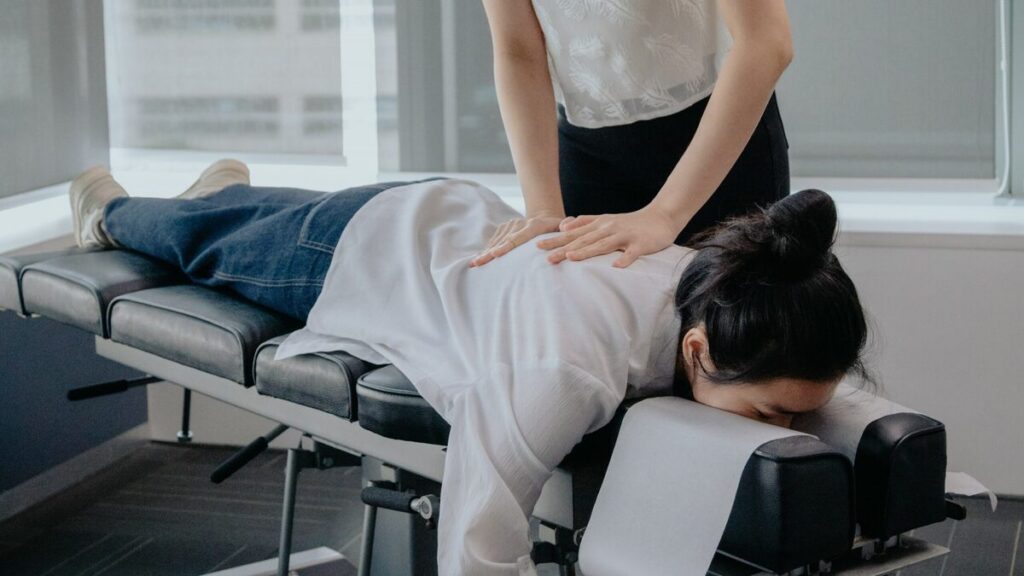

As a local chiropractor, I understand that dealing with lower back pain can be quite challenging and overwhelming. Many of my patients often wonder if chiropractic adjustments, targeted exercises, or medications will provide the relief they seek. It's important to know that there are numerous effective treatment options available. However, what truly matters is understanding how these treatments can work together for optimal results.
At our practice, we emphasize a holistic approach to managing lower back pain. It's not merely about finding quick fixes; instead, we focus on creating a comprehensive plan that promotes long-term relief and healing. Chiropractic care is designed to address the root causes of pain, not just the symptoms. Through gentle adjustments, we align your spine and improve your overall function, which can significantly alleviate discomfort.
In addition to chiropractic adjustments, I encourage incorporating specific exercises into your daily routine to strengthen your back and improve flexibility. These exercises, tailored to your individual needs, can complement your chiropractic care and enhance your recovery.
So, as you navigate your journey toward relief, consider exploring these treatments and how they can be integrated into your lifestyle. Together, we can work towards achieving lasting relief from lower back pain and improving your overall well-being.
Understanding Lower Back Pain
As a local chiropractor, I understand that experiencing lower back pain can be incredibly frustrating and debilitating. Many of my patients come in feeling overwhelmed, as even the simplest daily tasks can become a challenge when you're in pain.
It's crucial to understand the nature of your discomfort to find the right path toward relief. Lower back pain can arise from various sources, including muscle strains, herniated discs, or conditions like arthritis.
I encourage you to think about your lifestyle habits as well. Poor posture, insufficient physical activity, and carrying excess weight can all contribute to your discomfort. Your body's mechanics significantly impact your back health, so being mindful of how you sit, stand, and lift can lead to improvements in your condition.
Additionally, it's important to differentiate between acute and chronic pain. Acute pain typically lasts for a short duration and often results from an injury, while chronic pain can persist for months or longer and may not have a clear cause. Understanding which type of pain you're experiencing can help us tailor the right treatment approach for you.
Moreover, I want to highlight that emotional stress can intensify physical pain. When you're under stress, your body tends to tense up, which can aggravate your back issues. Incorporating mindfulness and relaxation techniques into your routine can be beneficial for managing both your emotional well-being and physical pain.
At my practice, we focus on natural healing approaches that address the root causes of your discomfort. I'm here to support you on your journey to better health and to help you regain the quality of life you deserve.
Physical Therapy Techniques
As a local chiropractor, I want to share how chiropractic care can be a vital part of managing and alleviating lower back pain. When you come to see me, I'll start with a thorough assessment of your specific condition, allowing me to create a customized treatment plan tailored just for you. This personalized approach ensures that you receive the most effective strategies for your unique situation.
One of the primary techniques I utilize is spinal manipulation, where I use precise adjustments to align your spine and surrounding structures. This can enhance circulation, reduce stiffness, and improve your overall mobility.
You may also benefit from adjunct therapies, such as heat or cold applications, which can provide immediate relief by soothing inflamed tissues or easing muscle spasms.
Education is a crucial part of our chiropractic care. I'll explain your condition in detail, helping you understand the underlying mechanics of your back pain. This knowledge empowers you to make informed decisions about your daily activities and posture.
I often recommend ergonomic adjustments to your workspace to help prevent further strain on your back. Additionally, I may incorporate supportive techniques like electrical stimulation or therapeutic ultrasound.
These methods can assist in decreasing pain and promoting healing by enhancing blood flow to the affected areas. By embracing chiropractic care, you can't only manage your lower back pain more effectively but also equip yourself with tools to prevent future issues.
Exercise and Stretching
As a local chiropractor, I can't emphasize enough the crucial role that regular exercise and stretching play in managing lower back pain and enhancing your overall spinal health. A consistent routine of physical activity not only strengthens the muscles that support your spine but also improves stability and reduces discomfort.
By focusing on core-strengthening exercises, you can enhance your body's ability to maintain proper posture, which is vital for minimizing strain on your lower back.
In addition to strengthening exercises, incorporating stretching into your routine is just as important. Gentle stretches can alleviate tension in the muscles surrounding your spine and increase flexibility and range of motion. This is particularly beneficial if you've been sedentary or are dealing with tightness from prolonged sitting.
Simple stretches, like the cat-cow or child's pose, can provide immediate relief and should be incorporated into your daily routine.
There's no need to dive headfirst into an intense workout regimen. I recommend starting slowly and gradually increasing the intensity and duration of your exercises as your back grows stronger. Aim for at least 30 minutes of moderate activity—like walking or swimming—most days of the week.
It's essential to listen to your body; if you experience pain during an exercise, please stop and consult with a healthcare professional.
Consistency is key in this journey. Make exercise and stretching a part of your daily routine, and over time, you'll likely notice significant improvements in your back pain.
Remember, the goal is to keep moving while being mindful of your body's limits. By nurturing your spine through these practices, you're paving the way for better long-term health.
If you have any questions or need guidance on specific exercises that are right for you, don't hesitate to reach out. Your journey to a healthier back starts here!
Medications for Pain Relief
As a local chiropractor, I want to share some insights on managing lower back pain, particularly through natural healing methods.
While medications can provide temporary relief, they often mask the underlying issues rather than addressing them. I encourage you to explore over-the-counter options initially, but remember that they mightn't be the best long-term solution.
If you find that these options are insufficient, consider seeking a holistic approach. Chiropractic care focuses on the alignment of the spine and overall body mechanics, which can lead to more sustainable pain management.
Understanding your options and the benefits of natural healing is essential to finding the right approach for your lower back pain.
Over-the-Counter Options
If you're experiencing lower back pain and seeking quick relief, I want to share some over-the-counter options that can be helpful. These remedies are accessible and can provide comfort without needing a prescription. Here are three common choices that I often discuss with my patients:
1. Nonsteroidal Anti-Inflammatory Drugs (NSAIDs): Medications such as ibuprofen and naproxen are known for their ability to reduce inflammation and alleviate pain. They work by inhibiting specific enzymes in the body that contribute to discomfort and swelling.
While they can be beneficial, it's important to use them responsibly and discuss them with your healthcare provider if you have any concerns.
2. Acetaminophen: This is another pain reliever that can be a good option, especially for those who may be sensitive to NSAIDs. It's effective for managing mild to moderate pain and tends to be gentler on the stomach.
Again, consulting with a healthcare professional is advisable to ensure it's the right choice for you.
3. Topical Analgesics: Products like creams and patches that contain ingredients such as menthol or capsaicin can offer localized relief. When applied directly to the affected area, they create a warming or cooling sensation that can distract from pain.
These can be a great complement to other forms of treatment.
As a chiropractor, I encourage you to explore natural healing methods alongside these medications. Before starting any new treatment, it's always wise to read the label thoroughly and consult with a healthcare professional to ensure safety and effectiveness tailored to your individual needs.
Your health is important, and I'm here to support you on your journey to recovery!
Prescription Medications
As a local chiropractor, I want to share some insights about managing persistent lower back pain, especially for those who may not be familiar with chiropractic care and natural healing methods.
While many people turn to prescription medications for relief, it's important to consider a holistic approach to pain management.
For those experiencing ongoing discomfort, it's common to first explore over-the-counter options like nonsteroidal anti-inflammatory drugs (NSAIDs) such as ibuprofen or naproxen. These can help reduce inflammation and alleviate pain, but if you're still struggling, it might be worth looking into alternative solutions before considering stronger medications.
In some cases, healthcare providers may prescribe opioids like oxycodone or hydrocodone for severe pain. However, it's crucial to be aware of the risks associated with these medications, including dependency and various side effects.
This is where chiropractic care can play a vital role in your healing journey. We focus on addressing the underlying causes of pain through spinal adjustments, which can help enhance your body's natural healing processes without the need for strong medications.
Muscle relaxants may also be prescribed by some doctors if muscle spasms are an issue, but chiropractic techniques can effectively relieve muscle tension and improve mobility as well. We utilize specific adjustments and therapeutic exercises tailored to your needs.
Additionally, topical pain relievers like lidocaine patches or creams are often recommended for localized pain, but again, chiropractic care offers targeted treatments that can alleviate discomfort right at the source.
If you're concerned about side effects or interactions with other medications, I encourage you to discuss these with your healthcare provider. Remember, it's essential to follow their guidance on dosage and duration if you're using medications.
Ultimately, while prescription medications can provide temporary relief, I believe they should be part of a comprehensive pain management plan. This plan may include regular chiropractic adjustments, physical therapy, and lifestyle modifications to promote long-term health and well-being.
Embracing a natural healing approach can empower you to take control of your health and find lasting relief from lower back pain.
Alternative Treatments
As a local chiropractor, I'm passionate about educating my patients on the various alternative treatments available for lower back pain. Many individuals are looking for relief beyond traditional medications, and I'm here to share some effective methods that can make a significant difference in your wellness journey.
Let's explore three popular alternative treatments that I often recommend:
1. Acupuncture: This ancient Chinese technique involves the insertion of thin needles into specific points on the body. Many of my patients have found that acupuncture effectively reduces pain and promotes healing by activating your body's natural pain relief mechanisms.
It's a holistic approach that has been used for centuries and can complement chiropractic care beautifully.
2. Chiropractic Care: At our practice, we focus on the alignment of the spine and other joints, which is key to relieving pain and improving your overall health. Regular chiropractic adjustments can enhance your posture, increase your mobility, and reduce tension in your back.
Many patients report significant improvements in their lower back discomfort after just a few sessions.
3. Yoga and Stretching: Incorporating gentle yoga poses and stretching exercises into your routine can greatly enhance flexibility and strength in your back muscles. I encourage my patients to practice yoga not only for pain relief but also for the relaxation and mindfulness it promotes.
These benefits contribute to your overall well-being and can support your healing process.
While these alternative treatments can offer substantial relief, it's essential to consult with a healthcare professional—like a chiropractor—before starting any new therapies.
We can work together to determine which options are best suited to your unique needs and condition. Remember, what works for one person may not work for another, so it's important to remain open to exploring different approaches.
By integrating alternative treatments into your pain management plan, you may discover a combination that leads to lasting relief and improved quality of life.
I'm here to guide you every step of the way!
Injections and Procedures
As a local chiropractor, I want to help you understand the different options available for managing lower back pain, particularly through chiropractic care and natural healing methods. While many patients are familiar with alternative treatments, it's essential to recognize that injections and procedures can also provide immediate relief in certain cases.
If you're experiencing persistent discomfort, it may be worth exploring these interventions alongside chiropractic care.
One common method used in managing pain is corticosteroid injections. These injections deliver anti-inflammatory medication directly into the targeted area, helping to reduce swelling and ease pain. Patients often report improvements within a few days, making it a quick option for relief.
Another technique you might come across is a nerve block, where an anesthetic is injected near a specific nerve to interrupt pain signals. This can be beneficial not only for immediate pain relief but also for diagnosing the underlying cause of your discomfort.
For chronic conditions, epidural steroid injections can target inflammation within the spinal canal. This procedure can be particularly effective for those struggling with issues like herniated discs or spinal stenosis.
Additionally, some patients may hear about radiofrequency ablation, a technique that uses heat to disrupt nerve signals, providing longer-lasting pain relief.
However, it's crucial to remember that these procedures often work best when integrated into a comprehensive treatment plan. While they may not address the root cause of your pain, they can significantly enhance your quality of life as you explore other healing options.
As your chiropractor, I'm here to guide you in determining which approach—whether it's chiropractic adjustments, lifestyle changes, or considering injections—might be best suited for your unique condition and medical history.
Together, we can work towards finding the relief you need to return to your daily activities and enjoy a healthier, pain-free life.
Lifestyle Modifications
As a local chiropractor, I want to share with you how simple lifestyle modifications can significantly help in managing your lower back pain. These adjustments can't only alleviate discomfort but also enhance your overall well-being.
Here are three effective changes you might consider integrating into your daily routine:
- Stay Active: Engaging in regular physical activity is crucial for strengthening your back muscles and improving flexibility. This doesn't mean you have to hit the gym every day; low-impact exercises such as walking, swimming, or yoga can be incredibly beneficial. These activities promote circulation and keep your body functioning optimally.
- Maintain Good Posture: It's essential to be mindful of your posture while sitting, standing, and lifting. Proper alignment of your spine can prevent unnecessary strain and discomfort. I recommend using ergonomic furniture and being conscious of your body mechanics. When lifting objects, remember to bend your knees and keep the item close to your body to avoid injury.
- Manage Weight: Carrying excess weight can place additional stress on your back. A balanced diet, combined with regular exercise, can help you achieve and maintain a healthy weight. This, in turn, reduces the pressure on your spine and can lead to less pain.
Incorporating these lifestyle changes into your daily life can make a remarkable difference in managing lower back pain.
Remember, consistency is crucial. Start by making small adjustments and gradually increase your physical activity or focus on your posture throughout the day.
By embracing these modifications, you can take charge of your pain and improve your quality of life. Don't underestimate the impact of these changes; they could be the key to feeling better and living more comfortably.
If you have any questions or need guidance, don't hesitate to reach out. Your journey to wellness is important to us!
When to Seek Surgery
If you've been dealing with persistent lower back pain despite trying various treatments, it may be time to consider your options, including the possibility of surgery.
As a local chiropractor, I want to emphasize the importance of listening to your body—especially if you start noticing neurological symptoms such as numbness or weakness, which could indicate a more serious underlying issue.
While many patients find relief through natural healing methods and chiropractic care, it's crucial to recognize when conservative treatments aren't working.
If you've tried various approaches without success, I encourage you to consult with a healthcare specialist who can discuss surgical options if needed.
Remember, surgery is often seen as a last resort, and exploring all natural avenues can be beneficial.
Your health is important, and I'm here to help guide you on your journey to relief.
Persistent Pain Duration
When lower back pain persists despite trying various natural treatments, it may be time to consider a more thorough evaluation of your condition. As a local Chiropractor, I want to help you understand when it might be appropriate to consult a specialist about surgical options.
1. Duration of Pain: If your lower back pain has lasted more than three months without any signs of improvement, it could be a signal that further assessment is necessary.
Our bodies often respond to natural healing over time, but persistent pain may require additional attention.
2. Daily Life Impact: Consider how your pain affects your daily activities. If it significantly limits your ability to work, exercise, or enjoy time with loved ones, this is a strong sign that you should seek further care.
Quality of life is essential, and we want to help you reclaim it.
3. Treatment Effectiveness: If you've engaged in various natural treatments—like chiropractic care, physical therapy, or other holistic approaches—and haven't found relief, it might indicate that a different strategy is needed.
While we focus on natural healing, understanding all of your options is important for your overall well-being.
In these circumstances, I encourage you to have an open dialogue with your healthcare provider about your experience and any potential next steps.
It's crucial to weigh the benefits and risks of any procedure.
Remember, our goal is to explore all avenues of healing, and while surgery may not be the first option, it can be a consideration if natural treatments don't yield the results you need to restore your quality of life.
Always prioritize discussions about your health and wellness with professionals who understand your unique situation.
Neurological Symptoms Present
As a local chiropractor, I want to help you understand the importance of recognizing neurological symptoms related to lower back pain. These symptoms can indicate a more serious underlying issue that may require careful evaluation and, in some cases, surgical intervention.
If you experience numbness, tingling, or weakness in your legs, it's crucial to seek medical attention promptly. These sensations may signify nerve compression or damage, and addressing them early can prevent them from worsening.
Additionally, be aware of any changes in bowel or bladder control. If you notice anything unusual, please reach out to your healthcare provider right away. Such changes can be indicative of cauda equina syndrome, a rare condition that necessitates urgent medical care to avoid permanent damage.
It's also important to pay attention to severe pain that radiates down your legs, commonly referred to as sciatica. If this pain is accompanied by neurological symptoms, I encourage you to discuss your situation with a spine specialist.
They can assess your condition and help determine the best course of action, which may include chiropractic care as a natural and effective treatment option to alleviate your symptoms and promote healing.
Failed Conservative Treatments
Understanding the limitations of conservative treatments for lower back pain is crucial for your healing journey. As a local chiropractor, I want to emphasize that while therapies such as physical therapy, medications, and lifestyle changes can be beneficial, they may not provide relief for everyone.
If you've already tried these approaches without success, it might be a good time to consider alternative options, including chiropractic care. Here are three signs that suggest you should explore chiropractic treatment:
- Persistent Pain: If your lower back pain has lasted for more than six weeks despite trying conservative measures, it may indicate that your condition requires a deeper look, and chiropractic adjustments could help realign your spine and relieve pressure.
- Neurological Symptoms: Experiencing numbness, tingling, or weakness in your legs can signal nerve compression. Chiropractic care focuses on spinal alignment, which can alleviate these symptoms and promote better nerve function.
- Daily Limitations: If pain is disrupting your daily activities, work, or sleep, it's important to reassess your treatment options. A chiropractor can provide a thorough evaluation and develop a personalized care plan that aims to restore your function and enhance your quality of life.
Consulting with a chiropractor can provide insights into whether chiropractic adjustments are the right path for your recovery.
Together, we can explore tailored techniques that focus on natural healing, helping you regain mobility and enjoy life without the constraints of pain.
Don't hesitate to reach out for support when conservative treatments fall short; there's a path to wellness that may be just a visit away.
Conclusion
As your local chiropractor, I want to emphasize the importance of a holistic approach to managing lower back pain. Many patients are unaware of the benefits chiropractic care can offer, but it plays a crucial role in alleviating discomfort and enhancing your overall quality of life.
Incorporating chiropractic adjustments, targeted exercises, and thoughtful lifestyle changes can significantly improve your back health. I encourage you to explore these natural treatments and always consult with healthcare professionals—like myself—who can guide you on your healing journey.
It's essential to stay proactive with your treatment plan and make necessary adjustments as your body responds. Remember, you're not alone in this process; together, we can find the relief you need and help you regain control over your back health. Take the first step towards feeling better today!