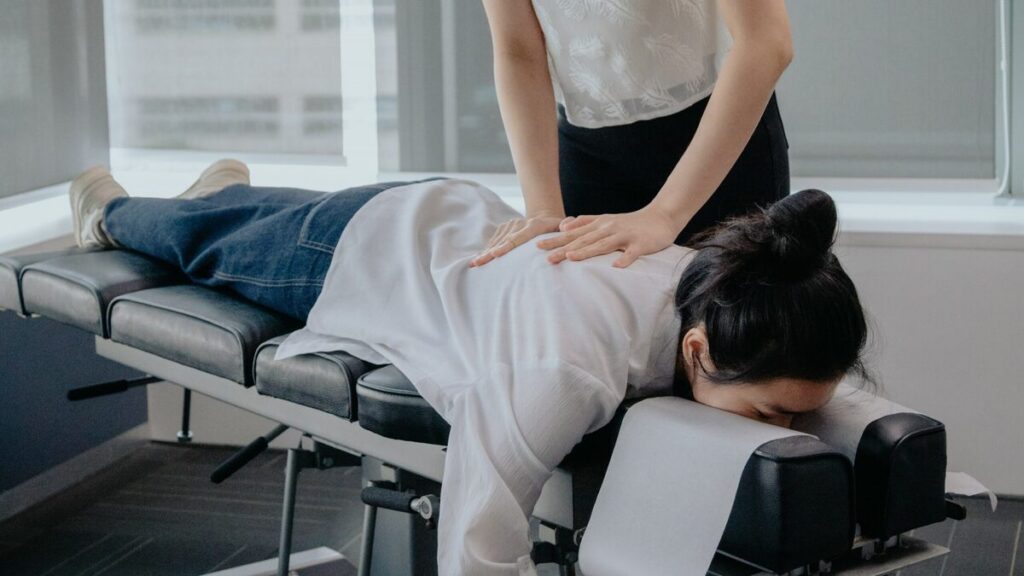

As a local chiropractor, I want to help you understand the treatments available for neurological disorders from a natural healing perspective. There are many options out there, ranging from medications that can ease symptoms to various therapies designed to enhance daily functioning. At our clinic, we believe in a holistic approach, which often includes chiropractic care, physical therapy, and even advanced techniques like neurostimulation.
Chiropractic care can play a significant role in managing neurological conditions by promoting overall nervous system health and improving communication between the brain and body. Additionally, you might come across alternative treatments that can provide further support in your healing journey. It's essential to consider your unique needs and circumstances when exploring these options.
As you evaluate different treatment pathways, think about factors such as your lifestyle, the severity of your symptoms, and any previous experiences with other healthcare approaches. Our goal is to work with you to find the combination of treatments that will be most effective for your specific situation. Let's explore how we can enhance your well-being together!
Medications for Neurological Disorders
When it comes to managing neurological disorders, it's important to understand the role of various treatments, including chiropractic care and natural healing approaches. While medications are often used to address symptoms and improve quality of life, many patients are discovering the benefits of holistic methods that can complement traditional treatments.
In chiropractic care, we focus on the connection between the nervous system and overall health. By ensuring proper alignment of the spine and improving nervous system function, we can help alleviate symptoms associated with conditions like seizures, pain, and mood disturbances. For instance, spinal adjustments may help reduce tension and improve communication within the nervous system, potentially leading to better management of these symptoms.
You may also hear about different natural therapies that can support your well-being. Techniques such as physical therapy, massage, and nutritional counseling can aid in addressing issues like muscle spasms and fatigue, while also promoting overall wellness. These integrative approaches can work alongside traditional medications, offering a more comprehensive strategy to manage your condition.
While many patients experience positive outcomes from chiropractic care and natural healing, it's important to recognize that individual responses can vary. Side effects from medications can include fatigue, dizziness, and gastrointestinal issues, which may prompt some to explore alternative options. By discussing your experiences and concerns with your chiropractor, you can create a tailored plan that prioritizes your health and comfort.
Maintaining open communication with your healthcare team is vital. This collaborative approach allows us to monitor your progress and adjust your treatment plan as needed.
Physical Therapy Options
As a local chiropractor, I want to share the valuable role that chiropractic care can play in managing symptoms of neurological disorders through natural healing.
When you come to see me, I'll perform a thorough assessment of your condition and create a personalized care plan tailored to your unique needs. This plan may include specific exercises to enhance your strength, flexibility, and coordination.
One effective strategy I might recommend is therapeutic exercises. These exercises are specifically designed to improve muscle control and overall mobility, helping you regain strength and minimize the risk of falls.
Additionally, we often incorporate balance training into your sessions, which focuses on enhancing your stability and preventing accidents.
Another essential component of our approach includes gait training. If you're facing challenges with walking, I can guide you through techniques that will help improve your walking pattern, making it safer and more efficient.
We also emphasize neuromuscular re-education, which works to retrain your brain and muscles to function together more effectively.
In certain cases, I may suggest the use of assistive devices like canes or walkers to improve your mobility and independence. I'll ensure that you feel comfortable using these tools and help you integrate them smoothly into your daily routine.
Through chiropractic care, we aim to support your body's natural healing processes and enhance your overall well-being.
Occupational Therapy Benefits
As a local chiropractor, I want to share with you the incredible benefits of chiropractic care, particularly for individuals coping with neurological disorders. Chiropractic adjustments and holistic approaches can help you regain independence and enhance your overall quality of life. Our focus is on tailored treatment plans that address your unique needs, empowering you to perform daily activities with greater ease and comfort.
One of the key advantages of chiropractic care is its emphasis on restoring proper alignment and function to the nervous system. Through gentle adjustments, we can improve your coordination and overall motor skills, which may be compromised due to neurological conditions. This enhancement not only boosts your physical capabilities but also helps to improve your confidence in tackling everyday tasks.
Chiropractic care also addresses cognitive and sensory challenges that may accompany your disorder. By optimizing spinal health, we can improve blood flow and nerve communication, leading to better memory, focus, and problem-solving skills. This holistic approach can help you navigate your daily life with greater ease and clarity.
Furthermore, as your chiropractor, I'll work closely with you to develop a personalized wellness plan that reflects your individual goals and preferences. This customized approach ensures that your care is relevant and meaningful, fostering your motivation and commitment to your healing journey.
Lastly, chiropractic care promotes social engagement and emotional wellness. By encouraging you to participate in community activities and fostering connections with others, we help you cultivate a sense of belonging and purpose, which is vital for mental health.
Embracing chiropractic care can significantly enhance your quality of life as you manage the complexities of living with a neurological disorder.
Speech and Language Therapy
Chiropractic care plays an essential role in helping individuals achieve optimal health and well-being, particularly for those experiencing discomfort or dysfunction in their movement and posture. If you or someone you know is struggling with pain, stiffness, or limited mobility, chiropractic adjustments can be a transformative solution. This approach targets various aspects of physical health, including spinal alignment, muscle function, and overall body mechanics.
During your visits, a licensed chiropractor will assess your unique condition and develop a personalized treatment plan tailored to your needs. You can expect to engage in hands-on adjustments that improve your spinal alignment, strengthen your muscles, and enhance your movement patterns. Your chiropractor might also introduce supportive techniques such as stretches or exercises to aid in your recovery and promote long-term wellness.
A key focus of chiropractic care is its emphasis on functional movement. You'll learn strategies to maintain a healthy posture and move more efficiently in everyday activities, which can make a significant difference in your comfort and quality of life. This newfound awareness can greatly enhance your confidence and engagement in daily activities, which is vital for your overall health.
Additionally, chiropractic therapy often involves family involvement, educating loved ones on how to support your healing journey. This collaborative approach ensures that you receive the encouragement and understanding you need in various environments.
Lifestyle Modifications
As a local chiropractor, I want to emphasize how making lifestyle modifications can significantly benefit your neurological health.
By incorporating a nutritious diet, participating in regular physical activity, and utilizing effective stress management techniques, you can improve your overall well-being.
These changes not only support your body but also enhance the effectiveness of chiropractic care.
Let's delve into how adopting these healthy habits can positively influence your journey towards optimal neurological health.
Healthy Diet Choices
As your local chiropractor, I want to emphasize the importance of adopting healthy diet choices not just for your overall well-being, but also for supporting your neurological health. While chiropractic care can help with spinal alignment and nervous system function, your diet plays a crucial role in how you feel and manage any symptoms you may experience.
Incorporating a balanced diet that includes plenty of fruits, vegetables, whole grains, and lean proteins can provide your body with the essential nutrients it needs to support optimal brain function. For instance, omega-3 fatty acids found in fish, such as salmon, and in walnuts are known to promote cognitive function and reduce inflammation, which complements the benefits of chiropractic care.
Don't overlook the power of antioxidants, which are vital for combating oxidative stress in the brain. Foods like berries, dark chocolate, and leafy greens are fantastic sources to include in your diet.
Additionally, I encourage you to limit your intake of processed foods, sugars, and unhealthy fats, as these can complicate your health and hinder the natural healing process we strive for through chiropractic adjustments.
Hydration is another key factor to consider. Ensure that you're drinking enough water throughout the day to keep your body functioning optimally.
Remember, moderation is essential; even the healthiest foods can lead to weight gain if overconsumed.
For those looking to tailor their diet to enhance their wellness journey, I recommend consulting with a nutritionist or healthcare provider who specializes in dietary approaches for neurological health. By making these conscious dietary choices, you empower yourself to manage your condition more effectively and improve your overall quality of life alongside the benefits of chiropractic care.
Regular Physical Activity
As a local chiropractor, I want to emphasize the importance of incorporating regular physical activity into your daily routine for enhancing your neurological health and overall well-being. Engaging in exercise isn't just about physical fitness; it plays a crucial role in boosting blood flow to the brain, which can significantly improve cognitive function and memory.
I encourage you to explore various forms of exercise that you enjoy, whether it's brisk walking, swimming, or even practicing yoga. Finding activities that resonate with you makes it easier to stay committed to a regular routine. Aim for at least 150 minutes of moderate aerobic activity each week, which can include activities like brisk walking or cycling.
Additionally, incorporating strength training exercises at least twice a week can help build muscle, improve coordination, and support your overall health. Even simple movements, such as stretching, can provide substantial benefits. Stretching helps maintain flexibility and reduces the risk of injury, which is essential for everyone, especially if you're considering chiropractic care.
The benefits of regular physical activity extend far beyond just physical health. It can significantly improve your mood, reduce anxiety, and enhance your sleep quality—all of which are vital components of good neurological health.
Furthermore, exercising in a group or with friends can foster social connections, which is equally important for your mental wellness. Incorporating these habits into your lifestyle can complement the natural healing practices we promote in chiropractic care, leading to a healthier, more balanced life.
Stress Management Techniques
As a chiropractor, I want to emphasize the importance of stress management in your journey toward better neurological health and overall well-being. Stress can significantly impact your body and mind, exacerbating neurological disorders and hindering your physical health.
The good news is that there are natural and effective techniques you can integrate into your daily routine. One of the best ways to manage stress is through mindfulness or meditation. Even dedicating just a few minutes each day can help ground your thoughts and alleviate anxiety.
Deep breathing exercises are another fantastic tool. Whenever you feel overwhelmed, pause for a moment to focus on your breath—inhale deeply and exhale slowly. This practice can help calm your mind and body.
Consider incorporating relaxation techniques such as yoga or tai chi into your lifestyle. These practices not only enhance your physical fitness but also promote mental clarity and emotional stability.
Additionally, don't overlook the significance of quality sleep; restful nights are crucial for managing stress and enhancing your overall health.
Lastly, remember the value of social support. Engaging with friends, family, or support groups can provide emotional relief and help you face challenges more effectively.
Alternative and Complementary Treatments
As a local chiropractor, I want to introduce you to the world of alternative and complementary treatments that can greatly enhance your journey towards managing neurological disorders. These therapies can provide additional support and help alleviate symptoms, often working hand-in-hand with traditional medical approaches.
One effective method is chiropractic care, which focuses on the alignment of the spine and overall musculoskeletal health. Many of my patients have experienced relief from pain and improved function through targeted spinal adjustments, which can be particularly beneficial for conditions that affect the nervous system, such as migraines or chronic pain.
Incorporating practices like acupuncture can also be advantageous. This ancient technique involves the insertion of thin needles into specific points on the body, and many individuals have reported significant reductions in pain and improvements in overall well-being.
Additionally, herbal remedies—like ginkgo biloba or turmeric—are often utilized to support brain health and manage symptoms. However, it's essential to discuss any herbal supplements with your healthcare provider before starting them.
Yoga and meditation are other powerful tools in our holistic approach. These practices emphasize mindfulness and relaxation, which can help reduce stress and anxiety often associated with neurological conditions. Regular engagement in these activities may enhance both mental clarity and emotional health.
Moreover, dietary adjustments can have a profound impact on managing neurological symptoms. A balanced diet that includes omega-3 fatty acids, antioxidants, and essential vitamins is crucial for supporting brain health. Some patients have found success with specialized diets, like the ketogenic diet, which can help alleviate symptoms related to epilepsy.
As you explore these alternative and complementary treatments, I encourage open communication with your healthcare provider. By combining chiropractic care and these holistic approaches with your traditional treatments, you may discover a more comprehensive and effective way to manage your neurological disorder.
Your journey towards better health is a partnership, and I'm here to support you every step of the way.
Surgical Interventions
As you explore options for managing neurological disorders, it's important to consider holistic approaches, such as chiropractic care, which may help alleviate symptoms without the need for surgical interventions.
While surgery can provide relief in certain cases, many patients find that conservative treatments, including chiropractic adjustments, can often address underlying issues and improve overall function.
For conditions like tension headaches or migraines, chiropractic adjustments can help reduce the frequency and intensity of episodes by improving spinal alignment and function.
Similarly, if you're dealing with discomfort related to nerve compression, such as in cases of carpal tunnel syndrome, a chiropractor can provide techniques to relieve pressure on nerves and promote healing.
Chiropractors also use various methods, such as spinal manipulation and soft tissue therapy, to enhance mobility and reduce pain associated with conditions like sciatica or herniated discs.
These non-invasive techniques aim to restore balance to the body and support your natural healing processes.
Before considering more invasive procedures, it's crucial to have a thorough evaluation by a healthcare provider, including a chiropractor who can assess your specific situation.
They'll discuss potential benefits and risks, guiding you through the options available. Open communication about your health goals and any concerns is essential in developing a tailored treatment plan.
Remember, while surgical options may be necessary for some, many patients experience significant improvements in their quality of life through chiropractic care and natural healing methods.
It's worth exploring these alternatives to see if they can provide the relief you're seeking.
Innovative Therapies
As a local chiropractor, I want to share some exciting advancements in the field of natural healing that can be beneficial for those dealing with neurological disorders.
One area that shows great promise is gene therapy, which is paving the way for new solutions and hope for many patients.
Additionally, neurostimulation techniques are gaining attention as effective alternatives for managing symptoms, helping individuals find relief without relying solely on medication.
Moreover, ongoing stem cell research is opening doors to potential treatments that might significantly improve quality of life.
At our practice, we emphasize the importance of a holistic approach to health, incorporating these innovative therapies alongside chiropractic care to support your overall well-being.
Gene Therapy Advancements
As a local chiropractor, I want to share some exciting developments in the field of healthcare that mightn't be on your radar—specifically, advancements in gene therapy and how they relate to the treatment of neurological disorders.
While this may seem far removed from chiropractic care, understanding these breakthroughs can help you appreciate the broader picture of health and healing.
Recent progress in gene therapy is giving hope to those with neurological conditions that were once considered untreatable. This innovative approach focuses on correcting or replacing faulty genes, which may alleviate or even reverse symptoms.
For example, spinal muscular atrophy (SMA) has seen significant improvements with gene therapy, where a single injection can provide a healthy gene for muscle function, greatly enhancing the quality of life for patients.
Moreover, researchers are investigating treatments for other neurological issues, such as Huntington's disease and certain types of epilepsy. They're using advanced tools like CRISPR to make precise changes at the genetic level.
What's particularly fascinating is how these advancements align with the principles of chiropractic care and natural healing. Just as chiropractic focuses on optimizing the body's natural ability to heal itself, these gene therapies aim to restore optimal function at a cellular level.
As we learn more about personalized medicine—tailoring treatments to fit individual genetic profiles—there's potential for more effective care with fewer side effects than traditional methods.
While gene therapy is still developing and faces hurdles like delivery methods and understanding long-term effects, it opens up new avenues for healing.
As your chiropractor, I encourage you to stay informed about these exciting possibilities. Together, we can explore how both chiropractic care and emerging therapies can play a role in managing neurological disorders and enhancing your overall well-being.
Neurostimulation Techniques
As a local chiropractor, I'm excited to share with you some innovative approaches to managing neurological disorders that go beyond traditional methods.
Neurostimulation techniques are emerging as powerful tools for addressing conditions such as Parkinson's disease, epilepsy, and chronic pain. It may surprise you to learn that these techniques work by sending electrical impulses to specific areas of the brain or nervous system, effectively helping to regulate abnormal activity.
One of the most well-known methods is deep brain stimulation (DBS), where electrodes are carefully implanted in targeted regions of the brain. This technique has shown great promise in reducing symptoms and enhancing the quality of life for many patients.
Another fascinating approach is transcranial magnetic stimulation (TMS), which utilizes magnetic fields to stimulate nerve cells in the brain. This non-invasive option has been particularly beneficial for individuals dealing with depression and anxiety related to neurological issues.
What's great about these therapies is that they can be customized to meet your individual needs, making them an appealing alternative or complement to traditional medications.
If you're curious about these innovative treatments, I encourage you to have a conversation with your healthcare provider. They can help you weigh the potential benefits and risks based on your unique health circumstances.
As research continues to advance, neurostimulation techniques may provide even more hope for effective treatment options in the future, aligning with the principles of chiropractic care and natural healing.
Stem Cell Research
As a local chiropractor, I want to share some exciting advancements in the realm of natural healing, particularly in how stem cell research is paving the way for innovative therapies that may benefit those with neurological disorders.
While you may not be familiar with stem cells, they represent a remarkable area of study that holds promise for repairing damaged brain tissues and enhancing the quality of life for patients facing challenges in their neurological health.
Let's explore how these therapies could make a difference:
- Regeneration: Stem cells have the unique ability to transform into various types of neurons. This means they could potentially replace damaged or lost cells in conditions such as Parkinson's disease and multiple sclerosis, which can impact mobility and overall well-being.
- Neuroprotection: One of the fascinating aspects of stem cells is their capacity to release neurotrophic factors. These substances can protect existing neurons from degeneration, which may help slow the progression of neurological disorders and keep your nervous system functioning optimally.
- Functional Recovery: By integrating into existing neural networks, stem cells might enhance motor and cognitive functions. This is particularly promising for individuals with significant impairments, offering hope for improved daily activities and overall quality of life.
While we're still navigating the complexities of stem cell applications, the potential they hold is truly exciting.
As ongoing studies work to refine these therapies, it's important to stay informed about how they might someday contribute to your recovery journey.
Embracing natural healing methods, including chiropractic care, can complement these advancements and support your overall health.
Together, we can look forward to a brighter future in neurological treatment and recovery.
Support and Counseling Services
As a chiropractor, I want to emphasize the importance of holistic support and counseling services for individuals dealing with neurological disorders. Integrating these services into your care can provide you with essential emotional and psychological support as you navigate the challenges of your condition.
If you're experiencing stress, anxiety, or depression related to your diagnosis, seeking professional guidance can significantly enhance your overall well-being. Chiropractic care focuses on the spine and nervous system, and while we aim to alleviate physical discomfort, we also recognize the value of mental health.
Counseling can equip you with coping strategies to manage daily challenges. You'll learn effective ways to express your feelings, establish realistic goals, and adjust your expectations in a supportive environment.
Support groups are another valuable resource. Connecting with others who share similar experiences can create a sense of belonging and diminish feelings of isolation. Sharing your journey and learning from others can inspire hope and empower you to take an active role in your healing process.
Family counseling is also an important avenue to consider. Your loved ones may find it difficult to comprehend your condition. By involving them in therapy, we can improve communication and strengthen your relationships.
These sessions can teach everyone the best ways to support you through your healing journey. Additionally, many organizations provide resources, online forums, and workshops tailored to specific neurological disorders.
Staying informed about your condition and connecting with others can complement your chiropractic care and help you thrive in your everyday life. Remember, your health is a holistic journey, and we're here to support you every step of the way.
Conclusion
As a local chiropractor, I want to share valuable insights about navigating treatments for neurological disorders through natural healing methods. When it comes to addressing these conditions, we prioritize a holistic approach tailored to each individual's unique needs. Chiropractic care can play a vital role in your treatment plan, often alongside medications and physical therapy.
We focus on restoring proper alignment and function to the nervous system, which can significantly improve your overall well-being. Additionally, we emphasize the importance of lifestyle modifications—such as nutrition, exercise, and stress management—that can enhance the effects of your chiropractic treatments.
Alternative therapies, including acupuncture and massage, can also complement your care, promoting relaxation and healing. By collaborating with healthcare professionals, we can explore a variety of options that empower you to take charge of your health. Remember, there's hope for improving your quality of life, and together, we can find a path that supports your journey to better health.