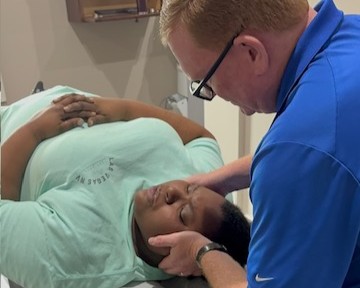

When it comes to recovering from sports injuries, exploring all available options is crucial for a successful healing journey. One of the most effective and natural approaches is chiropractic care. Adjustments made by a chiropractor can significantly aid your recovery process by promoting natural healing and improving your mobility. This means you can get back to enjoying your favorite sports sooner and with greater ease.
So, how do these chiropractic adjustments fit into your overall recovery plan? They help realign your spine and joints, reducing pain and inflammation while enhancing your body’s ability to heal itself. Understanding how these adjustments work can empower you to make informed decisions about your health and wellness.
Here are some tips to consider during your recovery:
- Stay Active Within Limits: Engage in gentle movements or stretches recommended by your chiropractor to maintain flexibility without straining your injury.
- Hydration is Key: Drinking plenty of water helps keep your body functioning optimally and supports the healing process.
- Listen to Your Body: Pay attention to how your body responds to adjustments and activities. If something doesn’t feel right, communicate with your chiropractor.
- Follow a Balanced Diet: Eating nutritious foods rich in vitamins and minerals can boost your immune system and aid recovery.
- Prioritize Rest: Allow your body the time it needs to heal. Rest is just as important as treatment.
By incorporating chiropractic care and these simple tips into your recovery plan, you’re on your way to achieving optimal health and a swift return to the sports you love. Remember, chiropractic care is not just about alleviating pain; it’s about fostering overall wellness and enhancing your quality of life.
Understanding the Nature of Sports Injuries
When you participate in sports, it’s crucial to understand the types of injuries that can occur and how chiropractic care can support your recovery. Sports injuries often arise from overuse, improper techniques, or accidents, leading to conditions such as sprains, strains, fractures, and tendonitis. Being aware of the signs of these injuries—like swelling, pain, or limited range of motion—allows you to address them quickly and effectively.
Injuries can differ in severity, and distinguishing between a minor issue and something more serious can greatly affect your recovery approach. Factors such as your age, fitness level, and the specific sport you’re involved in play a significant role in both the likelihood of injury and the healing process. By understanding these factors, you can make informed decisions about your health.
Chiropractic care is an excellent option for treating sports injuries naturally. Chiropractors focus on spinal health and overall wellness, helping to alleviate pain and improve function without the need for medications or surgery. Regular chiropractic adjustments can promote healing, enhance mobility, and support your body’s natural ability to recover.
Here are some general tips to keep in mind for a healthier approach to sports:
- Warm Up and Cool Down: Always take the time to properly warm up before engaging in sports and cool down afterward. This helps to prepare your muscles and joints for activity and aids in recovery.
- Listen to Your Body: Pay attention to any unusual pain or discomfort. If something doesn’t feel right, don’t push through it. Seeking chiropractic care early can prevent minor issues from developing into serious injuries.
- Stay Hydrated and Nourished: Proper hydration and nutrition are essential for optimal performance and recovery. Make sure to drink plenty of water and consume a balanced diet rich in vitamins and minerals.
- Incorporate Stretching and Strengthening Exercises: Regularly incorporate stretching and strength-building exercises into your routine. This can help improve flexibility, reduce the risk of injury, and support overall health.
- Consider Regular Chiropractic Visits: Making chiropractic care a part of your health routine can help maintain optimal spinal alignment and overall wellness, allowing you to perform at your best and recover quickly when injuries occur.
The Role of Physical Therapy in Recovery
Chiropractic care plays a vital role in the recovery from sports injuries, helping you regain strength, flexibility, and overall function without the need for medications or invasive procedures.
When you experience an injury, a chiropractor will thoroughly assess your condition and develop a personalized wellness plan designed specifically for you. They’ll guide you through natural healing exercises that promote recovery and help prevent future injuries.
Chiropractors utilize a range of techniques, including spinal adjustments, manual therapy, and targeted exercises, to address your unique challenges. This hands-on approach not only supports your physical healing but also enhances your confidence, allowing you to feel more secure in your movements.
Moreover, chiropractic care educates you about your injury, providing insight into the healing process and emphasizing the importance of following your wellness plan. With their support, you’ll cultivate a deeper mind-body connection, which is crucial for returning to your sport at your best.
Here are some general tips for recovery and wellness:
- Stay Active: Engage in light activities that don’t exacerbate your injury. Movement promotes healing.
- Listen to Your Body: Pay attention to pain signals and adjust your activities accordingly.
- Stay Hydrated: Proper hydration supports muscle function and recovery.
- Good Posture: Maintaining proper posture can prevent additional strain and promote better spinal health.
- Nutrition: A balanced diet rich in anti-inflammatory foods can aid in your recovery.
Ultimately, regular chiropractic care can significantly expedite your recovery and help you achieve peak performance naturally. By choosing chiropractic, you’re opting for a holistic approach to health and wellness that prioritizes your body’s natural ability to heal.
Modifying Workout Routines for Healing
When you’re on the path to recovery from an injury, prioritizing rest is vital for your healing journey. However, staying active is equally important, and that’s where chiropractic care shines. By working with a chiropractor, you can discover alternative exercises that gently engage your body while minimizing strain on your injured area. This approach not only keeps you active but also supports your overall healing without the risk of further injury.
Chiropractic care focuses on restoring balance and function to your body, which can significantly enhance your recovery process. As you start to feel better, your chiropractor can guide you in gradually increasing the intensity of your workouts. This step-by-step progression helps you regain strength and mobility in a safe manner, ensuring that you’re on the right track towards optimal health.
Remember, the goal is to listen to your body and respect its limits. Here are some general tips to keep in mind:
- Consult Your Chiropractor: Always discuss your recovery plan with your chiropractor. They can tailor exercises specifically to your needs and monitor your progress.
- Focus on Low-Impact Activities: Engage in activities like walking, swimming, or gentle stretching, which can promote healing without putting too much strain on your body.
- Incorporate Chiropractic Adjustments: Regular adjustments can help improve your spinal alignment and enhance your body’s natural healing abilities.
- Stay Hydrated and Nourished: Proper hydration and nutrition are crucial for recovery. They support your body’s healing processes and can help reduce inflammation.
- Listen to Your Body: Pay attention to how you feel during and after exercising. If something doesn’t feel right, consult with your chiropractor before proceeding.
Importance of Rest
While pushing through pain might feel like a show of strength, it’s crucial to prioritize rest, especially when recovering from sports injuries. Your body requires time to heal, and without sufficient rest, you risk prolonging your injury or even making it worse. Ignoring the signals your body sends can set back your overall progress.
Rest doesn’t mean complete inactivity, though. It’s about finding a balance that allows your muscles, ligaments, and tendons to recover while still engaging in gentle activities that promote healing. As a chiropractor, I emphasize the importance of listening to your body. Incorporating chiropractic care into your routine can enhance your recovery process by addressing misalignments and ensuring your spine is in optimal condition for healing.
Here are some tips to help you recover effectively:
- Prioritize Sleep: Quality sleep is vital for recovery. Aim for 7-9 hours of restful sleep each night to allow your body to repair itself.
- Stay Hydrated: Drinking plenty of water helps your body flush out toxins and can aid in the healing process.
- Gentle Movement: Engage in light activities, like walking or stretching, to maintain circulation without overexerting yourself.
- Chiropractic Adjustments: Regular visits to a chiropractor can help align your spine, reduce pain, and improve overall function, facilitating a quicker recovery.
- Listen to Your Body: Pay attention to how you feel. If something hurts, give yourself permission to take a break.
Alternative Exercises Selection
Choosing alternative exercises is crucial for your recovery, especially if you’re dealing with an injury. Modifying your workout routine allows you to maintain your fitness levels without putting additional strain on the affected area. Embrace low-impact activities such as swimming, cycling, or yoga, which can offer a great workout while promoting healing.
When selecting exercises, focus on movements that avoid stressing the injured area, ensuring that you can still engage other muscle groups effectively. Incorporating resistance bands or bodyweight exercises can also help build strength safely without risking further injury.
It’s important to listen to your body—if you feel pain, it’s wise to adjust your routine or switch to a different exercise. Remember, chiropractic care can be an excellent resource for managing pain and promoting natural healing during your recovery. A chiropractor can help you tailor your exercise routine to fit your needs, ensuring you stay active while supporting your healing process.
For overall wellness, consider incorporating gentle stretches and mobility exercises into your daily routine. This can enhance flexibility and support spinal health, which is essential for your overall well-being.
Always prioritize your health by seeking the guidance of a chiropractor, who can provide personalized care to help you achieve optimal health through natural means.
Gradual Intensity Increase
As you recover from your injury, it’s crucial to gradually increase the intensity of your workouts to regain strength and mobility safely. Start with low-impact exercises to build a solid foundation, which is essential for your body’s natural healing process. Focus on controlled movements that nurture recovery without putting too much strain on your spine and joints.
Once you feel comfortable, you can slowly ramp up the intensity by incorporating more challenging activities. However, always listen to your body—if you experience any pain or discomfort, it’s a signal to scale back and consult with your chiropractor. They can offer guidance tailored to your specific needs and help ensure that your recovery is on track.
Balancing the urge to push your limits with the necessity of recovery time is vital. Setting realistic, achievable goals will keep you motivated and help you track your progress. Remember, consistency is key; regular adjustments and care from your chiropractor can support your journey to optimal health.
Incorporating chiropractic care into your recovery plan not only aids in healing but also reduces the risk of re-injury, making your return to sports safer and more efficient.
Embrace a holistic approach to wellness by focusing on natural healing methods and making chiropractic care a cornerstone of your health routine. By prioritizing your spine’s health, you’re investing in your overall wellbeing.
The Importance of Nutrition During Recovery
Nutrition plays a vital role in your recovery from sports injuries, and as a chiropractor, I want to emphasize how the right nutrients can’t only speed up healing but also support your overall wellness.
When you’re facing an injury, your body craves a balanced diet to help repair tissues and minimize inflammation. By being mindful of what you eat, you can significantly enhance your healing journey.
Here are some key nutrients to consider incorporating into your diet:
- Protein: This is essential for muscle repair and growth. Foods like lean meats, fish, beans, and nuts are great sources to help your body recover.
- Omega-3 Fatty Acids: Found in fish like salmon and in flaxseeds, these healthy fats can help reduce inflammation and support joint health, making them a great addition to your meals.
- Vitamins C and D: Vitamin C is crucial for collagen formation, which is important for tissue repair, while Vitamin D supports bone health. Citrus fruits, berries, and leafy greens are excellent sources of Vitamin C, and you can get Vitamin D from sunlight and fortified foods.
- Hydration: Staying well-hydrated is essential for your body to function effectively and absorb nutrients. Aim to drink plenty of water throughout the day, especially if you’re active.
In addition to a nutritious diet, remember that chiropractic care is a natural and effective way to manage pain and promote healing.
Regular adjustments can help align your spine, improve mobility, and reduce discomfort, supporting your body’s natural healing processes.
As you focus on nutrition and consider chiropractic care, you’ll be taking important steps toward a healthier and more resilient body.
Always remember that your body has an amazing ability to heal itself with the right support—both from the food you eat and the care you receive.
Mental Health Considerations in Injury Recovery
While focusing on nutrition and physical care is fundamental during your recovery, it’s equally important to address your mental health. Injuries can impact your emotional well-being, leading to feelings of frustration, anxiety, or even depression. It’s crucial to acknowledge these feelings and not let them go unnoticed.
Engaging in open discussions with your support network—whether it’s friends, family, or even your chiropractor—can provide a helpful outlet for processing your emotions. Additionally, consider incorporating stress-relief techniques like mindfulness and meditation. These practices can help you maintain a positive outlook during this challenging time.
If you find yourself feeling overwhelmed, don’t hesitate to reach out for support. A sports psychologist or a mental health professional can offer guidance tailored specifically to your needs.
However, chiropractic care can also play a vital role in your recovery by addressing the physical aspects of your injury, which can, in turn, positively affect your mental state. Regular chiropractic adjustments can help alleviate pain, improve mobility, and reduce stress, contributing to a more holistic approach to wellness.
Remember, your mental health is intertwined with your physical recovery. By prioritizing both mental wellness and chiropractic care, you’ll create a comprehensive healing experience. This balanced approach won’t only enhance your recovery but also prepare you to return to your sport feeling stronger and more resilient.
Here are some takeaway tips:
- Keep Communication Open: Talk to those around you about how you’re feeling.
- Practice Mindfulness: Spend a few minutes each day focusing on your breath or practicing meditation.
- Stay Active: Engage in gentle movements or exercises recommended by your chiropractor to maintain physical health.
- Seek Chiropractic Care: Regular adjustments can help reduce pain and improve overall wellness.
The Benefits of Gradual Return to Activity
When you’re recovering from an injury, taking a gradual return to activity is essential for preventing future setbacks and ensuring a smooth healing process. This method allows your body to adjust comfortably and can significantly enhance your recovery.
By easing back into your routine, you not only build strength and confidence but also minimize the risk of re-injury. Chiropractic care plays a vital role in this process. A qualified chiropractor can help assess your injury, provide tailored adjustments, and guide you through safe exercises that promote healing.
This natural approach focuses on restoring your body’s function without the need for medications or invasive procedures.
Here are some helpful tips for a successful return to activity:
- Listen to Your Body: Pay attention to how you feel during and after activities. If you experience pain, it may be a sign to take it easy or consult your chiropractor.
- Start Slow: Begin with low-impact activities that are easy on your body. Walking, stretching, or gentle yoga are great ways to ease back into movement.
- Focus on Core Strength: Strengthening your core muscles can provide better support for your spine and reduce the risk of injury.
- Stay Hydrated: Proper hydration is crucial for recovery. Drinking enough water can help keep your muscles and joints lubricated.
- Schedule Regular Chiropractic Visits: Regular adjustments can help maintain proper spinal alignment, enhance mobility, and alleviate any discomfort you may be experiencing during your recovery.
Injury Prevention Strategies
To effectively prevent injuries and support your body’s natural healing process, it’s essential to take a gradual approach when returning to activity after a setback. Jumping back into sports too quickly can result in re-injury, so it’s important to be patient and mindful.
Here are some strategies to help you ease back into your routine safely while prioritizing your overall wellness:
- Start with low-impact exercises: Engage in gentle activities like walking or swimming that put less stress on your spine and joints. This allows your body to regain strength without risking further injury.
- Increase intensity gradually: Slowly elevate the difficulty of your workouts over time. This approach helps build your strength and endurance while keeping your spine and body safe.
- Listen to your body: Always be attuned to what your body is telling you. If you experience any pain or discomfort, it’s essential to modify your activities. Chiropractic care can also help identify and address any underlying issues that may contribute to discomfort.
- Incorporate rest days: Give your body the time it needs to recover. Rest days are crucial for allowing your spine and muscles to adapt to increased activity levels.
- Consider chiropractic care: Regular visits to your chiropractor can enhance your recovery process by improving spinal alignment and function. Chiropractic adjustments can help relieve pain, promote healing, and support your overall wellness journey.
Embracing these strategies not only aids in injury prevention but also fosters a healthier lifestyle.
Enhanced Performance Recovery
Returning to activity gradually is crucial for not only preventing re-injury but also for enhancing your overall performance recovery. As a chiropractor, I believe that easing back into your routine allows your body to adapt and rebuild strength naturally, without overwhelming it. This gradual approach helps maintain muscle memory and coordination, which are essential for performing at your best.
Incorporating chiropractic care during your recovery can significantly improve your endurance and flexibility as you progress. Regular adjustments can help align your spine, improve your range of motion, and reduce any discomfort you may experience. This way, you can engage in low-impact activities initially to boost your confidence while minimizing stress on your injured area.
Always listen to your body; if you feel discomfort, it’s perfectly okay to scale back. Chiropractic care emphasizes a thoughtful return to sports, focusing on coming back stronger and more resilient than before. Remember, it’s not just about getting back on the field; it’s about ensuring your long-term health and wellness.
Here are some general tips to aid your recovery:
- Stay Hydrated: Drink plenty of water to help maintain your energy levels and support muscle recovery.
- Incorporate Stretching: Gentle stretching can improve flexibility and prevent stiffness as you return to activity.
- Focus on Nutrition: Eating a balanced diet rich in vitamins and minerals can aid in healing.
- Consider Regular Chiropractic Visits: Regular adjustments can help keep your spine aligned and support your overall recovery process.
Preventative Strategies to Avoid Future Injuries
While injuries are an unfortunate reality in sports, there are effective preventative strategies that can help you stay active and healthy. By taking proactive steps, you can enhance your performance, protect your body, and maintain optimal spinal health. Here are some helpful strategies to consider:
- Warm-up and Cool-down: Always start your workouts with dynamic stretches to prepare your muscles and end with static stretches to aid recovery. This helps keep your spine aligned and muscles flexible, reducing the risk of injury.
- Strength Training: Incorporating resistance exercises into your routine can help build muscle strength and support your joints. Strong muscles provide better stability for your spine, which can significantly lower your chances of injury.
- Listen to Your Body: Your body sends signals when it needs rest. Pay attention to any pain or fatigue, and take breaks as needed. Pushing through severe discomfort can lead to more significant issues down the line, so it’s essential to prioritize your well-being.
- Cross-Training: Engaging in a variety of exercises can help you work different muscle groups and avoid overuse injuries. This approach not only promotes overall fitness but also supports healthy spinal alignment.
By integrating these strategies into your routine, you can enjoy a healthier, more active lifestyle while minimizing the risk of injuries.
The Impact of Sleep on Recovery
Sleep is a vital part of your recovery journey, and it’s during this restorative time that your body works to heal itself. Many people may not realize how closely quality sleep is tied to muscle recovery, hormone balance, and a strong immune system.
When you sleep, your body produces growth hormones that help repair tissues and promote muscle growth, which is especially important after dealing with injuries. If you’re cutting corners on sleep, you could slow down your healing process and increase any discomfort you’re experiencing.
To support your recovery, aim for 7-9 hours of quality sleep every night. Establishing a calming bedtime routine and reducing screen time before sleep can help enhance the quality of your rest.
Creating a conducive sleep environment is also key. A dark, quiet room with a comfortable mattress can significantly improve your sleep experience. Remember, prioritizing sleep isn’t just about resting; it’s a crucial part of getting back to peak performance.
Incorporating regular chiropractic care into your routine can also greatly enhance your recovery. Chiropractic adjustments support your body’s natural healing processes and help alleviate pain, allowing you to achieve the restorative sleep your body needs.
Listening to Your Body: Recognizing Signs of Overexertion
When you’re pushing your limits, it’s crucial to listen to your body. As a chiropractor, I often see patients who’ve ignored the signs of overexertion, which can lead to discomfort and injury. Physical pain, fatigue, and even emotional stress can be indicators that your body is telling you to take a step back. It’s important to recognize these signs early on to adjust your training and prevent further issues.
One of the best ways to maintain your health is through regular chiropractic care. It can help alleviate pain and improve your overall wellness, ensuring that your body is functioning optimally. Incorporating chiropractic adjustments into your routine can enhance your body’s natural healing processes and support your physical activity.
Here are some general tips to help you listen to your body and promote better health:
- Pay Attention to Pain: If you feel unusual pain while exercising, it’s your body’s way of signaling that something might be wrong. Take a break and consult with a chiropractor if the pain persists.
- Prioritize Rest: Fatigue is a clear sign that your body needs a break. Allow yourself time to recover to prevent injuries that could sideline you for longer.
- Stretch Regularly: Incorporate stretching into your routine to maintain flexibility and reduce the risk of injury. Chiropractors can provide guidance on effective stretches tailored to your needs.
- Stay Hydrated: Dehydration can lead to fatigue and muscle cramps. Drink plenty of water, especially during physical activities.
- Listen to Your Emotions: Stress and emotional fatigue are just as important to address as physical symptoms. Techniques such as deep breathing, meditation, or yoga can help manage stress levels.
- Seek Chiropractic Care: Regular chiropractic adjustments can help keep your spine aligned and ensure your nervous system is functioning properly. This can lead to improved performance and reduced risk of injury.
Physical Pain Indicators
Listening to your body is crucial in sports and everyday activities, especially when it comes to recognizing signs of overexertion. Your body has its own alarm system—these physical pain indicators signal when it’s time to take a break and prioritize your health. Ignoring these signals can lead to more serious injuries, which is why it’s important to be aware of them. Here are some signs to watch out for:
- Sharp pain during movement: This could indicate that something isn’t right. Instead of pushing through, consider consulting a chiropractor who can help assess your alignment and provide gentle adjustments to relieve discomfort.
- Persistent soreness that doesn’t improve: If you’re feeling sore for an extended period, it may be a sign that your body needs a break. Regular chiropractic care can help facilitate recovery by improving circulation and promoting healing.
- Swelling or inflammation in affected areas: This is your body’s way of signaling that something needs attention. A chiropractor can use natural methods to reduce inflammation and help restore your body’s balance.
- Decreased range of motion or stiffness: If you’re having trouble moving freely, it’s a good idea to seek chiropractic care. Gentle adjustments can help restore mobility and alleviate stiffness, allowing you to enjoy your activities without pain.
Remember, taking care of your spine and overall health is essential for optimal performance and well-being. Incorporating regular chiropractic visits into your wellness routine can help prevent injuries and promote natural healing.
Always listen to your body, and take the necessary steps to ensure you’re moving well and feeling great!
Fatigue and Performance Decline
Recognizing signs of overexertion is essential for maintaining not just your physical health but also your overall well-being. Fatigue and a noticeable decline in performance can signal that your body is in need of a break. If you find yourself feeling unusually tired during workouts or struggling to keep up your usual intensity, it’s crucial to pay attention. Ignoring these signs can lead to more serious issues, including chronic pain or longer recovery times.
As a chiropractor, I encourage you to listen to your body. Are you taking longer to recover after exercise? Do your muscles feel heavier or weaker than normal? These could be important indicators that you’re pushing yourself too hard. Prioritizing rest and recovery is key, and it can significantly enhance your performance over time.
Incorporating regular chiropractic care into your routine can be a powerful way to support your body during these times. Chiropractic adjustments can help alleviate tension, improve your range of motion, and enhance your overall health, allowing your body to function optimally.
Here are some general tips to help you manage fatigue and support your wellness:
- Stay Hydrated: Dehydration can contribute to fatigue. Make sure you’re drinking enough water throughout the day.
- Listen to Your Body: If you feel tired, allow yourself to rest. Rest is just as important as your workouts.
- Focus on Nutrition: Eating a balanced diet full of whole foods can provide your body with the nutrients it needs to recover and perform well.
- Incorporate Stretching: Gentle stretching can help relieve muscle tightness and improve circulation, promoting faster recovery.
- Consider Regular Chiropractic Visits: Frequent adjustments can help keep your spine aligned and support your body’s natural healing processes.
Mental and Emotional Signals
How can you tell if your mental and emotional state is signaling that you’ve pushed yourself too far? It’s essential to pay attention to these signals, as they can indicate that your body needs care and attention.
When you overexert yourself, your mind and emotions often respond in ways that can affect your overall health. Recognizing these signs can help you adjust your recovery plan and promote natural healing.
Here are some common indicators to look out for:
- Increased irritability or mood swings: If you find yourself more easily frustrated or experiencing unexpected mood changes, it might be a sign that your body is overwhelmed and could benefit from rest and chiropractic care.
- Difficulty concentrating or making decisions: Mental fog can be a sign that your nervous system is overstressed. Chiropractic adjustments can help restore balance, allowing your mind to clear and focus better.
- Persistent feelings of anxiety or stress: Chronic stress can take a toll on your spine and overall health. Regular chiropractic care can help alleviate tension and promote a sense of calm and well-being.
- Lack of motivation or enthusiasm for training: If your usual excitement for physical activity has waned, it may be time to listen to your body. Chiropractic adjustments can enhance your energy levels and help you regain your enthusiasm for a healthy lifestyle.
Remember, your body communicates with you, and it’s important to heed its signals.
Regular chiropractic care not only alleviates pain but also supports your overall mental and emotional well-being. By focusing on natural healing, you can achieve optimal health and maintain a balanced lifestyle.
If you notice any of these signs, consider scheduling a visit to your chiropractor for a holistic approach to recovery and wellness.
Building a Support System for Successful Recovery
Recovering from a sports injury can indeed be challenging, but building a strong support system is crucial for your healing journey. Surrounding yourself with friends, family, and teammates who understand your situation can provide not only emotional encouragement but also practical assistance. Sharing your recovery goals and progress with them can help keep you motivated and accountable.
Incorporating the expertise of coaches or trainers can also be beneficial. They can work with you to develop a recovery plan that respects your body’s needs and aligns with chiropractic principles for optimal healing. Their guidance can be invaluable as you adjust your training to facilitate recovery.
Connecting with others who’ve faced similar injuries can give you valuable insights and reassurance. They can share what worked for them, which can be particularly helpful as you navigate your own recovery journey.
Remember, encouragement and accountability from your support network can significantly enhance your recovery experience. Leaning on these relationships will help you stay focused and maintain a positive mindset.
As you embark on your recovery, consider integrating chiropractic care into your healing process. Chiropractic adjustments can help reduce pain, improve mobility, and enhance overall wellness. This natural approach focuses on aligning your spine and supporting your body’s innate ability to heal itself.
In addition to chiropractic care, here are some general tips to aid your recovery:
- Stay Active: Engage in gentle, low-impact activities that don’t exacerbate your injury. Movement can help keep your body functioning well.
- Hydration: Drink plenty of water to keep your body hydrated, which is essential for recovery.
- Nutrition: Focus on a balanced diet rich in whole foods, including fruits, vegetables, lean proteins, and healthy fats, to fuel your recovery.
- Rest: Ensure you’re getting adequate rest to allow your body to heal.
- Mindfulness and Relaxation: Practices like meditation or deep breathing can help reduce stress, which is important for overall health and recovery.
Conclusion
Incorporating chiropractic adjustments into your sports injury recovery can truly transform your healing journey. By realigning your spine and improving your mobility, chiropractic care not only provides relief from pain but also enhances your overall function. It’s important to listen to your body during this time; if something doesn’t feel right, adjust your workouts accordingly.
Prioritizing good nutrition and adequate sleep is essential for optimal healing. Remember, your body needs the right fuel and rest to repair itself effectively. Building a support system with friends, family, or even a wellness community can also make a big difference in your recovery.
Focusing on prevention is key. By maintaining regular chiropractic care, you can help prevent future injuries and ensure your body is functioning at its best. Embrace these strategies, and you will be well on your way to returning to your favorite activities, stronger and healthier than ever. Chiropractic care is not just a remedy—it’s a pathway to optimal health and wellness.