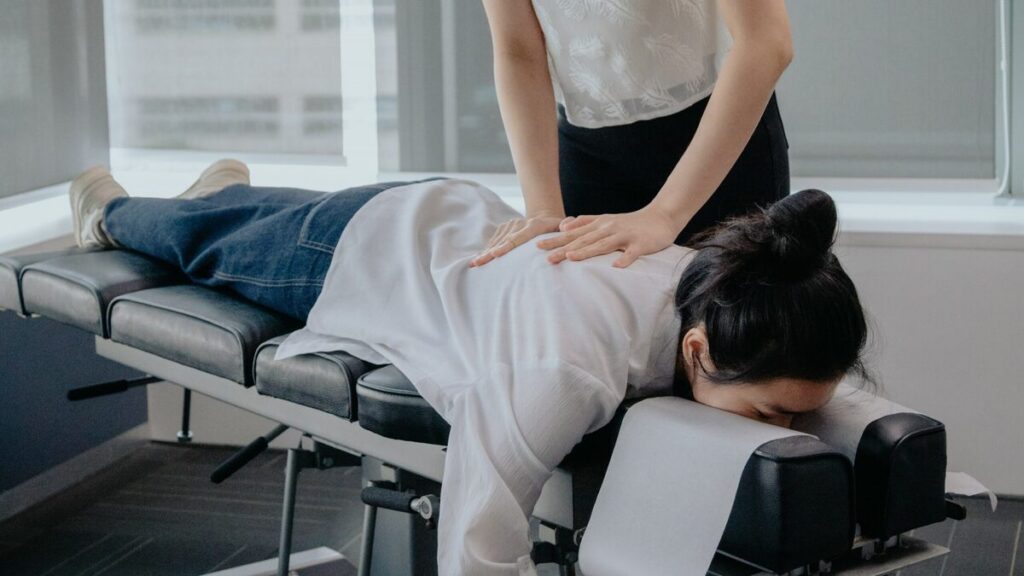

If you're dealing with upper back pain, you may be curious about how chiropractic adjustments could benefit you. As a chiropractor, I want to emphasize that these targeted interventions can significantly alleviate your discomfort by correcting misalignments in your spine. But the advantages extend beyond just immediate relief. Regular adjustments can also enhance your posture and contribute to your long-term health and wellness.
As you consider your options for managing your pain, it's important to recognize how chiropractic care can be an integral part of your recovery strategy. Many people overlook the importance of spinal health, which is crucial for overall well-being. By incorporating adjustments into your routine, you could be taking a proactive step towards not only relieving your pain but also improving your quality of life. Have you thought about how chiropractic care might fit into your journey to feeling better?
Understanding Upper Back Pain
As a local chiropractor, I often encounter patients who experience upper back pain, a common issue that many people face at some point in their lives. Understanding the underlying causes of this discomfort is essential for finding effective relief. Upper back pain typically occurs in the area between the neck and lower back and can arise from a variety of factors, including muscle strain, poor posture, or even emotional stress.
Recognizing the symptoms of upper back pain is the first step toward managing it effectively. You may experience stiffness, tightness, or a dull ache that disrupts your daily activities. It's important to take note of these sensations as they can provide valuable insights into the root of the problem.
In our daily routines, certain habits may inadvertently contribute to upper back pain. For instance, spending long hours hunched over a computer or slouched on the couch can put excessive strain on your upper back. You might also feel discomfort after engaging in intense physical activity or lifting heavy items without using proper techniques. These scenarios can lead to muscle imbalances and pain.
Moreover, emotional stress can have a physical impact, often resulting in tension in the upper back. When you're feeling overwhelmed, your muscles may tighten, leading to persistent discomfort over time. It's crucial to be aware of how stress affects your body and to incorporate relaxation techniques into your daily routine.
To manage upper back pain effectively, I encourage my patients to adopt practices that promote good posture and muscle health. This includes regular stretching and strengthening exercises as well as mindfulness practices.
As a chiropractor, I focus on helping you understand the nature of your upper back pain so that together, we can develop the right adjustments and treatment plans for long-term relief. Through a holistic approach to healing, you can achieve a healthier and more comfortable lifestyle.
Common Causes of Discomfort
As a local chiropractor, I want to help you understand some common causes of discomfort in the upper back so you can take proactive steps toward finding relief. One of the main culprits I often see in my practice is poor posture. Many of us spend long hours sitting at a desk or hunched over our phones, which can put a strain on the muscles in our upper back. This can lead to persistent tension and discomfort that can affect you throughout the day.
Another frequent cause I encounter is muscle strain. If you've recently overexerted yourself during physical activities, lifted heavy objects, or made sudden movements, you might experience muscle strains. It's important to listen to your body and recognize that these activities can lead to soreness.
Stress and tension also play a significant role in upper back discomfort. When we're stressed, our bodies tend to tense up, especially in the shoulders and upper back. This chronic tension can create a cycle of pain that can be difficult to break without addressing the underlying issue.
Additionally, underlying medical conditions such as herniated discs or arthritis can contribute to upper back pain. If you suspect that this is the case, it's wise to seek further evaluation from a healthcare professional. As your chiropractor, I can work with you to determine the best course of action.
Lastly, a sedentary lifestyle can lead to upper back discomfort as well. When our muscles aren't used regularly, they can weaken, making them more susceptible to injury and pain. Incorporating regular physical activity into your routine can help strengthen your upper back and relieve discomfort.
Benefits of Chiropractic Adjustments
As a local chiropractor, I want to take a moment to share with you the incredible benefits of chiropractic adjustments, especially if you're dealing with upper back pain. Many people are unaware of how these natural healing techniques can significantly enhance your overall health and well-being.
First and foremost, one of the most remarkable benefits of chiropractic adjustments is pain relief. Through gentle realignment of the spine, we can reduce the tension in the surrounding muscles, which often alleviates discomfort and improves your range of motion. After a session, you may find that activities you once dreaded become much more manageable and enjoyable.
Another crucial aspect of chiropractic care is its ability to promote better posture. In our modern world, many of us develop poor posture habits, particularly from long hours spent sitting at desks. By correcting spinal misalignments, we help you maintain a healthier posture, which can ultimately prevent further strain on your upper back.
Moreover, chiropractic adjustments can enhance your overall bodily function. A properly aligned spine allows your nervous system to communicate more effectively with the rest of your body, which can lead to increased energy levels, improved bodily functions, and even a stronger immune system.
What's more, our chiropractic care is personalized to fit your individual needs. During your visit, I'll assess your specific condition and work with you to develop a tailored treatment plan that addresses your unique concerns. This individualized approach ensures you receive the most effective care possible.
Lastly, many of my patients report feeling a greater sense of relaxation after their chiropractic appointments. This reduction in stress can significantly contribute to a better quality of life.
Role of Physical Therapy
As a local chiropractor, I want to emphasize how chiropractic care can be a vital part of managing your upper back pain.
Our approach includes a variety of natural healing techniques aimed at enhancing your strength and flexibility, which can lead to long-lasting relief.
By understanding the benefits of chiropractic treatment, you can empower yourself to take proactive steps towards achieving better back health.
With personalized care and a focus on holistic wellness, we can work together to alleviate your discomfort and improve your overall quality of life.
Benefits of Physical Therapy
Relief from upper back pain is often achieved through effective chiropractic care, which plays a crucial role in your overall recovery. By seeking chiropractic treatment, you can regain strength and flexibility, making everyday activities not only easier but also more comfortable.
As your local chiropractor, I'll work closely with you to understand your specific needs, ensuring that you receive personalized care that addresses the root cause of your discomfort.
One of the primary benefits of chiropractic care is our focus on improving posture and spinal alignment. By correcting these issues, we can alleviate pressure on your spine and the surrounding muscles, leading to a reduction in pain over time.
Additionally, chiropractic sessions often include exercises that strengthen your core, which is essential for providing better support for your upper back.
Another significant advantage of chiropractic care is the education you'll receive about body mechanics and movement. You'll learn how to move safely and efficiently, which minimizes the risk of future injuries.
This knowledge is vital for developing long-term habits that promote a healthy back.
Furthermore, chiropractic care empowers you on your healing journey. As you progress through treatment, you'll gain confidence in your body's abilities, enhancing your overall well-being.
Ultimately, investing time in chiropractic care can lead to lasting relief and help you enjoy a more active and fulfilling life.
Treatment Techniques Explained
As a local chiropractor, I want to help you understand how chiropractic care can be an effective foundation for your recovery, especially when it comes to upper back pain. While chiropractic adjustments are essential in realigning your spine and relieving discomfort, incorporating physical therapy into your treatment can significantly enhance your overall healing process.
When you start physical therapy, a qualified therapist will evaluate your posture, flexibility, and strength. This assessment allows them to create a personalized program that caters to your unique needs. You'll likely participate in exercises that specifically target the upper back muscles, which are designed to improve both flexibility and strength.
Engaging in stretching exercises can enhance your mobility, while strengthening routines will support your spine and reduce pressure on affected areas. Additionally, manual therapy techniques, such as soft tissue mobilization, may be integrated into your treatment plan. These techniques are beneficial for relieving muscle tension and promoting better circulation, which is crucial for your recovery.
Your therapist will also provide guidance on ergonomics and posture correction to help you avoid future problems. By combining chiropractic care with physical therapy, you're taking a holistic approach to healing that addresses both the symptoms and underlying causes of your upper back pain.
I'm here to support you every step of the way on your journey to better health.
Long-term Pain Management
Managing long-term pain effectively often requires a comprehensive approach that includes chiropractic care. As a local chiropractor, I want to help you understand how our methods can support your journey towards relief from upper back pain.
By working with a qualified chiropractic professional, you can receive a customized treatment plan designed specifically for your needs. This proactive strategy not only aims to alleviate pain but also enhances your overall function and mobility.
Here are three key benefits of incorporating chiropractic care into your long-term pain management:
- Spinal Adjustments: As chiropractors, we focus on spinal health and alignment. Our adjustments can help realign the spine, relieve nerve pressure, and reduce pain. These adjustments are tailored to your individual condition and adjusted as you progress in your treatment.
- Holistic Techniques: We employ a range of hands-on techniques that target muscle tension and joint mobility. These methods can be highly effective in alleviating pain and improving your range of motion, allowing you to move more freely and comfortably.
- Education and Self-Care: We believe in empowering our patients with knowledge. You'll learn essential techniques for managing pain at home, including proper posture, ergonomic practices, and tailored stretches. This understanding enables you to take an active role in your pain management and overall wellness.
At our chiropractic office, we're dedicated to helping you achieve a pain-free life through natural healing and personalized care.
Lifestyle Changes for Relief
As a local chiropractor, I want to share some valuable insights on how simple lifestyle changes can effectively alleviate upper back pain and enhance your overall well-being. Many people are unaware of how crucial posture is, especially if you find yourself at a desk for extended periods.
I encourage you to assess your sitting habits. Ensure that your chair offers proper support for your lower back, and position your computer screen at eye level. Maintaining an upright posture can significantly impact how your back feels throughout the day.
Incorporating regular physical activity into your daily routine is essential for promoting spinal health. I recommend exercises that specifically target your back and core muscles, such as yoga or Pilates. These practices not only enhance flexibility but also contribute to building the muscular support your spine needs.
Even taking short walks can stimulate circulation and alleviate stiffness in your back.
Don't overlook the importance of quality sleep in your healing process. It's important to ensure that your mattress and pillows provide the necessary support for your spine. A restful night's sleep is vital for recovery and can help reduce pain.
If you typically sleep on your stomach, consider transitioning to side or back sleeping to minimize pressure on your spine.
Nutrition also plays a pivotal role in managing pain. A balanced diet rich in anti-inflammatory foods—like fruits, vegetables, and healthy fats—can help mitigate discomfort. Additionally, staying well-hydrated is crucial, as dehydration can lead to muscle cramps and exacerbate pain.
Lastly, I encourage you to manage stress through mindfulness practices or engaging in hobbies that bring you joy. Stress can lead to muscle tension, which often worsens pain.
By adopting these lifestyle changes, you can find relief from upper back pain and significantly improve your quality of life. Remember, even small adjustments can lead to noteworthy improvements in your well-being.
If you have any questions about how chiropractic care can support these lifestyle changes, feel free to reach out!
Preventing Future Pain Episodes
As your local chiropractor, I want to share some important insights on how you can prevent future episodes of upper back pain.
One of the key factors in maintaining a healthy back is improving your posture. Simple changes in how you sit, stand, and even sleep can significantly enhance your comfort and overall well-being.
Incorporating regular stretching into your daily routine is equally vital. Stretching not only helps keep your muscles flexible but also strengthens them, which can greatly reduce your risk of experiencing pain.
By taking these proactive steps, you can support your spine and promote natural healing, leading to a healthier, pain-free life.
If you have any questions or need personalized guidance, I'm here to help you on your journey to better health!
Posture Improvement Techniques
As a local chiropractor, I want to share some important insights on how good posture can significantly reduce your chances of experiencing upper back pain in the future.
Proper alignment not only alleviates discomfort but also promotes overall health and well-being. Here are three simple yet effective techniques that you can easily integrate into your daily life:
1. Optimize Your Workspace: It's crucial to set up your work environment to support your spine.
Position your computer screen at eye level to avoid straining your neck. Ensure that your chair provides adequate lower back support, and keep your feet flat on the ground with your knees forming a right angle. This alignment helps maintain your body's natural posture and reduces strain on your muscles.
2. Sit with Intention: When you're sitting, focus on keeping your back straight and your shoulders relaxed.
Avoid the common habit of slumping or leaning forward, as this can lead to muscle tension and discomfort. If you find it challenging to maintain this posture, consider using a cushion or lumbar support to help preserve the natural curve of your spine.
3. Be Conscious of Your Movements: Proper lifting techniques are vital in preventing injury.
Always bend at your knees instead of your waist when lifting objects. This approach distributes the weight more evenly across your body and safeguards your back from unnecessary strain.
By incorporating these practices into your routine, you can promote better posture and enhance your overall spinal health.
Regular Stretching Routines
As a chiropractor, I want to emphasize the importance of incorporating regular stretching routines into your daily life to help prevent upper back pain. Stretching is a simple yet effective way to maintain flexibility and improve blood flow to your muscles, which is vital for overall back health.
By dedicating just a few minutes each day to stretching, you can keep your upper back muscles relaxed and prevent the stiffness that often leads to discomfort. I recommend starting your routine with gentle stretches that focus on the shoulders, chest, and upper back. Simple movements like shoulder rolls, neck tilts, and cat-cow stretches can significantly relieve tension and promote better posture.
Aim for at least five to ten minutes of stretching, especially after a warm-up or any physical activity. This practice not only enhances your physical well-being but can also uplift your mood and alleviate stress.
Consistency is crucial. I encourage you to make stretching a part of your morning routine or to incorporate it into short breaks during your workday. You'll likely notice an improvement in your overall comfort and well-being.
Lastly, always listen to your body. If you experience pain or discomfort while stretching, it's essential to modify your movements or consult with a healthcare professional.
When to Seek Professional Help
As a local chiropractor, I want to help you understand when it's time to seek professional help for upper back pain. Many people experience discomfort occasionally, but there are specific signs that indicate you should consult a healthcare professional, such as a chiropractor. Ignoring these signs can lead to more serious issues in the long run.
Here are three key indicators that it's time to reach out for help:
- Persistent Pain: If your upper back pain persists for more than a few weeks or begins to intensify, it's essential to have it evaluated. Chronic pain can often point to an underlying issue that needs to be addressed, and chiropractic care can provide relief and promote healing.
- Radiating Symptoms: If you notice that your pain radiates down your arms or legs, or if you experience numbness or tingling sensations, don't delay in seeking help. These symptoms may indicate nerve involvement, which requires prompt assessment and treatment. Chiropractic adjustments can help relieve pressure on nerves and restore proper function.
- Limited Range of Motion: Difficulty with simple movements—like reaching for objects or twisting your torso—can be a warning sign. When mobility is affected, it's crucial to consult with a chiropractor. We can help identify the cause of your limitations and work with you to restore your range of motion through targeted adjustments and therapy.
Seeking professional help isn't only about managing pain; it's also about ensuring that you don't overlook potentially serious conditions. Early intervention through chiropractic care can lead to better outcomes.
We can develop a personalized treatment plan to help you regain your strength and flexibility. If you recognize any of these warning signs, don't hesitate to reach out—your health and well-being are worth it!
Conclusion
As a local chiropractor, I want to emphasize the importance of considering adjustments for upper back pain. These adjustments can truly transform your comfort and overall well-being. By addressing misalignments in your spine, we can enhance the communication within your nervous system, which plays a crucial role in managing pain.
Chiropractic care is just one piece of the puzzle. When combined with physical therapy and positive lifestyle changes, it can provide significant relief and help prevent future discomfort. If you're experiencing upper back pain, I encourage you to seek professional help. Taking charge of your health is a vital step towards achieving a pain-free life. Remember, you don't have to navigate this journey alone—we're here to support you every step of the way.