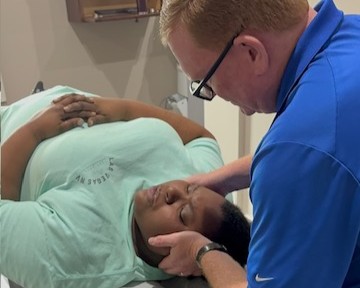

You might not realize how personalized back pain plans can transform your approach to treatment. Each person's back pain stems from unique factors, and a one-size-fits-all solution often falls short. By tailoring your plan to your specific needs, you can address the root causes more effectively, enhancing your motivation and adherence to the recommended strategies. This level of customization not only improves your chances of relief but also empowers you in your recovery journey. So, what elements should you consider to create a truly effective plan for yourself?
Understanding Back Pain Variability
Back pain varies widely among individuals, and understanding this variability is essential for effective management. You might experience sharp, stabbing pain, while someone else could describe a dull, nagging ache. Factors like age, lifestyle, and overall health contribute to how back pain manifests in each person. It's vital to recognize that what works for one individual may not be effective for another.
Different types of back pain exist, including acute pain, which may arise suddenly due to an injury, and chronic pain, which lingers for three months or longer. You might be dealing with pain resulting from a specific incident, like lifting something heavy or an accident, or it could be due to ongoing issues, such as poor posture or degenerative disc disease. Each type requires a different approach to treatment.
Your emotional and mental state can also influence your perception of pain. Stress, anxiety, and depression may amplify your discomfort, while a positive mindset could help you cope better.
Additionally, personal habits—like your activity level, diet, and sleep patterns—play a significant role in how you experience and manage back pain.
Finally, your unique anatomy, including the structure of your spine and muscles, affects how pain is felt and treated. By understanding these various factors, you can take the first steps toward a more tailored approach to managing your back pain, leading to better outcomes and improved quality of life.
Benefits of Personalized Approaches
When it comes to managing back pain, personalized approaches can greatly enhance your recovery and overall well-being. Instead of relying on a one-size-fits-all method, tailoring a plan to your unique situation can make a significant difference. You're more likely to engage with a program that resonates with your specific needs, preferences, and lifestyle.
One major benefit of personalized approaches is that they address the root causes of your pain. By evaluating your individual condition, healthcare professionals can identify the underlying factors contributing to your discomfort. This targeted strategy enables you to focus on the most effective treatments and exercises, improving your chances of long-term relief.
Additionally, personalized plans can boost your motivation and adherence to the treatment process. When you see that a program is designed just for you, it fosters a sense of ownership over your recovery. You're more likely to stick with a regimen that feels relevant and manageable, increasing your commitment to the process.
Moreover, personalized approaches often incorporate a variety of treatments, from physical therapy to lifestyle modifications. This holistic view not only addresses your physical symptoms but also considers psychological and emotional aspects, ensuring a thorough approach to pain management.
Ultimately, by embracing a personalized strategy, you empower yourself to take control of your back pain. You'll not only experience better outcomes but also cultivate a greater understanding of your body, leading to more informed decisions about your health in the future.
Key Components of a Plan
A successful personalized back pain plan typically includes several key components that work together to address your specific needs.
First, a thorough assessment is essential. This involves understanding your medical history, lifestyle, and the nature of your pain. By pinpointing the root cause, you can tailor your approach effectively.
Next, setting realistic goals is important. Whether you aim to reduce pain, improve mobility, or enhance overall function, clear objectives will guide your progress. These goals should be specific, measurable, achievable, relevant, and time-bound (SMART), giving you a roadmap to follow.
Incorporating a variety of treatment modalities can also make a significant difference. This may include physical therapy, chiropractic adjustments, or acupuncture.
Combining these with at-home exercises, stretching routines, and ergonomic adjustments guarantees a thorough approach.
Don't overlook the role of education. Understanding your condition empowers you to make informed choices. Learning about proper body mechanics and pain management strategies can help you avoid aggravating your back pain.
Finally, regular follow-ups are critical for monitoring your progress. These check-ins allow you to adjust your plan based on what's working and what isn't.
They also provide an opportunity for encouragement and motivation, which can be invaluable on your journey to recovery.
Case Studies and Success Stories
Real-life examples of individuals overcoming back pain can be incredibly motivating and insightful.
Take Sarah, for instance. After years of struggling with chronic lower back pain, she finally sought a personalized plan tailored to her specific needs. With the help of a physical therapist, she learned targeted exercises and stretching techniques that not only strengthened her core but also improved her flexibility. Within weeks, she noticed a significant reduction in pain, allowing her to enjoy activities she once thought impossible.
Then there's Mike, who faced debilitating pain from a herniated disc. Instead of resorting to surgery, he opted for a thorough plan that included a mix of chiropractic adjustments, yoga, and nutritional changes. By addressing both his physical and lifestyle habits, Mike found relief and regained mobility. His story is an indication of how a well-rounded approach can lead to remarkable results.
Lastly, consider Jenna, an avid runner whose back pain threatened her passion. By implementing a personalized plan that focused on proper biomechanics and strength training, she not only managed her pain but also improved her running performance.
These success stories illustrate how each individual's journey is unique, yet they all share a common thread: the effectiveness of personalized back pain plans.
You can draw inspiration from these cases to take charge of your own journey, knowing that with the right approach, relief and recovery are possible.
Steps to Create Your Plan
Creating a personalized back pain plan starts with evaluating your specific needs and pain triggers. Begin by keeping a detailed pain diary for at least a week. Record when your pain occurs, its intensity, and any activities or postures that worsen it. This will help you identify patterns and specific triggers.
Next, consult with a healthcare professional, such as a physical therapist or chiropractor. They can assess your condition and recommend appropriate exercises or treatments tailored to your situation. Make sure to ask questions and clarify any doubts during your appointment.
Once you've gathered insights from your diary and professional advice, set realistic goals for your plan. These could include improving your flexibility, strengthening specific muscle groups, or reducing pain during certain activities. Prioritize your goals based on what matters most to you.
Incorporate a variety of strategies into your plan. This may include stretching and strengthening exercises, ergonomic adjustments to your workspace, and mindfulness techniques to manage stress. Consistency is key, so create a schedule that fits your lifestyle.
Don't forget to monitor your progress. Regularly check in on your pain levels and adjust your plan as needed. If something isn't working, don't hesitate to revisit your healthcare professional for further guidance.
Conclusion
Personalized back pain plans are essential for your recovery journey. By addressing your unique experiences and challenges, these tailored approaches help you find effective relief and improve your overall quality of life. With the right combination of therapies and support, you can take control of your healing process. Remember, your back pain is unique to you, so investing time in creating a personalized plan can lead to lasting results and a healthier, more active lifestyle.