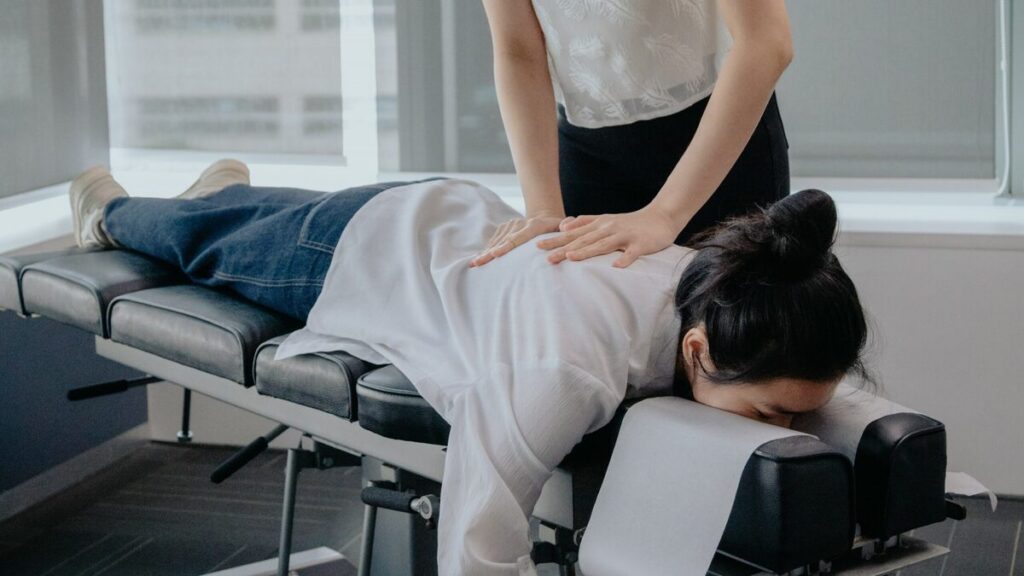

You might wonder why seeking care for stress relief benefits is important in today's fast-paced world. Stress can manifest in various ways, impacting your physical and mental health. By engaging with a professional, you gain access to tailored strategies that can help you navigate these challenges effectively. It's not just about managing stress in the moment; understanding how to build resilience can lead to lasting changes. But what specific techniques and support can truly make a difference in your life?
Understanding Stress and Its Effects
Stress can feel like an unwelcome guest that overstays its welcome, impacting your mental and physical well-being. It creeps into your life, often without warning, and can manifest in various ways, from anxiety and irritability to fatigue and headaches. Understanding stress is essential because it helps you recognize its signs and manage its effects.
When you experience stress, your body reacts physically. You may notice your heart racing or that you're more prone to colds and infections. Stress activates your fight-or-flight response, releasing hormones like cortisol and adrenaline, which can be beneficial in short bursts but detrimental when prolonged.
Over time, chronic stress can lead to serious health issues, including heart disease, obesity, and diabetes. Emotionally, stress can cloud your judgment and lower your self-esteem. You might find it difficult to concentrate, make decisions, or even enjoy activities you once loved.
Relationships can also suffer as irritability and tension increase. Recognizing these effects is essential for taking action before they escalate.
Benefits of Professional Support
Seeking professional support can greatly enhance your ability to manage stress effectively. When you're feeling overwhelmed, a trained professional can provide the guidance and tools you need to navigate difficult emotions and situations. They can help you identify the sources of your stress, whether they're external pressures or internal struggles, and work with you to develop a tailored plan to address them.
One significant benefit of professional support is the objectivity it offers. Unlike friends or family, a therapist or counselor can listen without judgment and provide insights based on their expertise. This perspective can help you see your challenges in a new light, allowing for better decision-making and coping strategies.
Additionally, professionals often employ evidence-based methods that have been proven to work. You'll benefit from techniques that are specifically designed to reduce stress and improve emotional well-being. This structured approach can provide you with a clear path forward, making it easier to tackle your stressors head-on.
Moreover, regular sessions create a safe space for you to express your feelings openly. This therapeutic environment allows you to process emotions that may be difficult to share elsewhere.
Over time, you'll likely notice improvements not just in your stress levels, but also in your overall outlook on life.
Techniques for Effective Stress Relief
Finding effective techniques for stress relief can greatly improve your overall well-being. One of the simplest yet most powerful methods is deep breathing. When you're feeling overwhelmed, take a moment to inhale deeply through your nose, hold for a few seconds, and then exhale slowly through your mouth. This practice calms your mind and reduces tension in your body.
Another technique is mindfulness meditation. By focusing on the present moment, you can help quiet racing thoughts. Set aside a few minutes each day to sit in a quiet space, close your eyes, and concentrate on your breath or a calming mantra. Apps and guided sessions can also support your practice.
Physical activity is also an excellent way to relieve stress. Whether you prefer jogging, dancing, or yoga, moving your body releases endorphins that elevate your mood. Aim for at least 30 minutes of exercise most days of the week to reap the benefits.
Don't forget about the power of social connection. Spending time with friends or loved ones can provide a supportive environment to share your feelings. Talking things out can't only help you feel heard but also lighten your emotional load.
Lastly, consider journaling. Writing down your thoughts and feelings can provide clarity and insight into what's causing your stress. Regularly reflecting on your experiences can foster resilience.
Incorporating these techniques into your daily routine can greatly enhance your ability to manage stress effectively.
Long-term Wellness and Prevention
Over time, prioritizing long-term wellness and prevention can greatly impact your overall quality of life. When you focus on stress relief and build healthy habits, you're not just addressing immediate challenges; you're laying a foundation for a healthier future.
By adopting proactive strategies, you can prevent chronic stress from manifesting into more serious health issues like anxiety, depression, and heart disease.
Incorporating regular physical activity into your routine doesn't just help relieve stress; it boosts your immune system and enhances your mood. You'll find that activities like yoga or even brisk walking can greatly improve your mental clarity and resilience.
Similarly, a balanced diet rich in nutrients can fortify your body against stressors, providing you with the energy needed to navigate daily challenges.
Mindfulness practices, such as meditation or deep-breathing exercises, can cultivate a sense of calm and help you develop emotional regulation. These techniques enable you to respond to stress more effectively, reducing the likelihood of burnout.
Building a strong support network of friends and family also plays a vital role in your long-term wellness. Sharing your experiences and seeking support can lighten your emotional load and provide you with different perspectives on challenges.
Ultimately, the choice to invest in your long-term wellness is a powerful one. By focusing on prevention and adopting healthy habits today, you're ensuring a happier, more balanced life tomorrow.
Don't wait for stress to take its toll; take action now for a brighter future.
Finding the Right Care Options
When it comes to managing stress and maintaining long-term wellness, exploring the right care options can make a significant difference. You've got a variety of choices, each offering unique benefits tailored to your needs. Start by evaluating what works best for you—whether it's therapy, holistic treatments, or lifestyle changes.
If you're leaning towards professional help, consider talking to a therapist or counselor. They can provide a safe space to unpack your feelings and help you develop coping strategies. Look for someone who specializes in stress management; their expertise can guide you through tailored techniques.
Alternatively, you might find relief through holistic approaches. Practices like yoga, meditation, or acupuncture can complement traditional methods. These options often focus on the mind-body connection, promoting relaxation and reducing stress levels effectively.
Don't overlook the power of community support. Joining a support group or participating in workshops can connect you with others facing similar challenges. Sharing experiences and coping methods can be incredibly valuable.
Lastly, evaluate lifestyle changes. Regular exercise, proper nutrition, and sufficient sleep are foundational for stress management. You can consult with a nutritionist or fitness coach to create a personalized plan that aligns with your goals.
Ultimately, finding the right care options means understanding what resonates with you and being proactive in seeking support. Take your time exploring these avenues; the journey to stress relief is just as important as the destination.
Conclusion
In seeking care for stress relief, you're taking a crucial step toward a healthier, more balanced life. The support from a therapist offers you the tools and techniques to effectively manage stress and build resilience. By prioritizing your mental well-being, you not only address immediate challenges but also lay the groundwork for long-term wellness. Remember, it's okay to ask for help—finding the right care can empower you to navigate life's stresses with confidence and clarity.