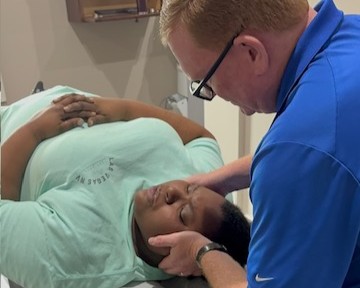

When it comes to back pain, you might notice that what works for one person doesn't necessarily work for you. This variability is influenced by factors like your age, lifestyle, and even emotional health. Tailored treatments are essential because they address your specific pain triggers and needs, leading to more effective management. By understanding these nuances, healthcare providers can create customized plans that not only alleviate pain but also enhance your overall well-being. So, what are the key components of these personalized approaches, and how can they truly make a difference for you?
Understanding Back Pain Variability
Back pain can feel like a puzzle, with each piece representing different causes and experiences. You might find it frustrating as you try to understand why your back hurts. This discomfort doesn't always stem from the same source, and it can vary widely from person to person.
It's important to recognize that your unique situation plays a significant role in how you experience pain. Factors like age, lifestyle, and even emotional state can influence your back pain. For instance, if you're leading a sedentary lifestyle, you may experience stiffness and discomfort due to weak muscles.
On the other hand, if you're regularly active but engaging in improper lifting techniques, you could be putting unnecessary strain on your back. Identifying these specific influences is essential to addressing your pain effectively.
Moreover, the nature of back pain itself can differ. You may feel sharp, shooting pains or a dull ache that lingers. Both can signal different underlying issues, such as muscle strains, herniated discs, or even nerve compression.
It's important to pay attention to how your pain manifests and when it occurs. Ultimately, understanding the variability of back pain helps you take the first steps towards relief.
The Role of Personalized Assessments
To effectively manage your back pain, personalized assessments play an essential role.
By evaluating your individual pain and needs, healthcare providers can create customized treatment plans tailored just for you.
Additionally, ongoing progress monitoring guarantees that your treatment adapts as your condition evolves.
Individual Pain Assessment
Understanding your unique pain experience is vital for effective treatment. When you assess your pain, you can identify its intensity, location, and triggers. This detailed understanding helps healthcare providers tailor their approach to meet your specific needs.
You'll want to take into account not just the physical sensations but also how pain affects your daily life. Are there activities that worsen your discomfort? Do you notice patterns, like pain after prolonged sitting or after lifting heavy objects? By recognizing these factors, you provide valuable insights that can guide your treatment plan.
Additionally, your emotional state can influence your perception of pain. Stress and anxiety may amplify your discomfort, so it's important to discuss these aspects during your assessment.
Open communication with your healthcare provider will guarantee they grasp the full picture of your experience.
Customized Treatment Plans
Once you've assessed your individual pain factors, the next step is creating a customized treatment plan that directly addresses your specific needs. This plan should consider the intensity and location of your pain, your lifestyle, and any underlying conditions. By tailoring your treatment, you're more likely to achieve effective relief and improve your quality of life.
Start by discussing your findings with a healthcare professional who can guide you in developing a balanced approach. This might involve a combination of physical therapy, medication, and lifestyle changes. For instance, if you've identified that certain movements exacerbate your pain, your plan should include exercises that strengthen the surrounding muscles without causing strain.
Additionally, don't forget to incorporate your personal preferences. If you enjoy certain activities, like swimming or yoga, find ways to integrate them into your regimen as low-impact alternatives.
Regular communication with your healthcare provider is key to ensuring that your treatment adapts as your condition evolves. Remember, a successful customized plan is dynamic, reflecting your progress and any changes in your pain levels.
Ongoing Progress Monitoring
Ongoing progress monitoring is essential for ensuring your back pain treatment remains effective and aligned with your evolving needs. Regular assessments allow you and your healthcare provider to evaluate how well your customized plan is working.
By tracking improvements or setbacks, you can make informed decisions about modifying treatment strategies. Incorporating personalized assessments into your routine helps identify which interventions are most beneficial.
You might find that certain exercises reduce pain while others don't yield the same results. By staying attuned to your body's responses, you can adjust your regimen to focus on what truly works for you.
Don't underestimate the power of communication during this process. Sharing your feelings and experiences with your healthcare provider can uncover insights that lead to improved outcomes.
They can help you set realistic goals, ensuring you remain motivated and engaged in your recovery journey.
Common Treatment Options Explained
What treatment options are available for back pain relief? You've got a range of choices to evaluate, depending on the severity and nature of your pain.
First, over-the-counter medications like ibuprofen or acetaminophen can help reduce inflammation and alleviate discomfort. If your pain is more intense, a doctor might prescribe stronger medications, including muscle relaxants or opioids.
Physical therapy is another effective option. A trained therapist can guide you through exercises designed to strengthen your back muscles and improve flexibility. They can also teach you proper body mechanics, which can prevent future injuries.
Chiropractic care is popular for those seeking hands-on treatment. Chiropractors use spinal manipulation to relieve pain and improve mobility. Many people find this approach beneficial, particularly for acute back pain.
For some, acupuncture provides relief by stimulating specific points on the body. This traditional Chinese medicine technique can help ease pain and promote healing.
If conservative treatments don't work, you might evaluate interventional procedures like epidural injections or nerve blocks. These can provide temporary relief by reducing inflammation around the nerves.
Lastly, surgery is an option for severe cases where other treatments have failed. Procedures can range from minimally invasive techniques to more extensive operations, depending on your condition.
Ultimately, the best treatment option will depend on your specific situation, so consulting a healthcare professional is essential to finding the right path to relief.
Benefits of Customized Treatment Plans
When you tailor a treatment plan for back pain, you're more likely to address your unique needs and circumstances effectively. Customized plans take into account your specific symptoms, lifestyle, and medical history, which means you're not just receiving a one-size-fits-all solution. Instead, you're getting a strategy that's designed to work for you.
One of the main benefits of a personalized approach is that it can lead to quicker and more effective relief. By focusing on your particular condition, your healthcare provider can target the root causes of your pain rather than just masking the symptoms. This targeted approach often results in a more efficient recovery process.
Moreover, customized treatment plans can help you stay motivated. When you see progress tailored to your situation, it encourages you to stick with the program. You're more likely to follow through with exercises, medication, or therapy that you understand and believe in. This engagement can lead to better outcomes over time.
Additionally, personalized plans can incorporate your preferences and goals. Whether you're an athlete wanting to return to competition or someone looking to improve daily function, your treatment can align with your aspirations. This alignment not only enhances your overall satisfaction but also makes the plan more effective.
In short, customized treatment plans empower you to take control of your back pain management, offering a pathway that's effective, motivating, and aligned with your life.
Integrating Multiple Therapies
Integrating multiple therapies into your back pain treatment plan can amplify the benefits of a customized approach. By combining different methods, you can address various aspects of your pain and enhance your overall well-being.
For instance, mixing physical therapy with chiropractic care can target muscle imbalances and spinal alignment simultaneously. This dual approach often leads to quicker and more sustained relief.
Consider incorporating acupuncture alongside traditional treatments. This ancient practice can help alleviate pain by stimulating specific points in your body, promoting natural healing, and reducing inflammation. Many people find that adding acupuncture to their regimen creates a more holistic pain management strategy.
Don't overlook the power of mindfulness and relaxation techniques either. Practices like yoga and meditation can complement your physical treatments by teaching you how to manage stress and improve body awareness. Reducing stress can lower muscle tension, which may contribute to your back pain.
You might also explore medication management to control pain levels effectively. Over-the-counter options, or prescribed medications, can help you stay active and engaged in your therapy. However, it's essential to consult with your healthcare provider to find the right balance without relying solely on medications.
Lastly, keep in mind that integrating lifestyle changes, such as improving your posture or adjusting your workstation, can further enhance the effectiveness of your treatment plan.
Monitoring Progress and Adjustments
Tracking your progress is essential in managing back pain effectively. By keeping a close eye on your symptoms and treatment responses, you can make informed adjustments that enhance your recovery.
Regular monitoring allows you to identify what works and what doesn't, ensuring your treatment plan remains tailored to your specific needs.
Here are some key aspects to evaluate when monitoring your progress:
- Pain Levels: Regularly assess your pain intensity using a scale from 1 to 10. This helps you and your healthcare provider understand the effectiveness of your current treatment.
- Mobility: Note any changes in your ability to perform daily activities. Improved mobility can indicate that your treatment is on the right track.
- Activity Log: Maintain a journal of your daily activities, including exercises and any physical strain. This can reveal patterns that contribute to your pain or improvement.
- Feedback Sessions: Schedule consistent check-ins with your healthcare provider. Open discussions about your progress can lead to necessary adjustments in treatment.
Long-term Strategies for Pain Management
When managing back pain long-term, it's essential to reflect on lifestyle modifications that fit your daily routine.
Incorporating physical therapy techniques can also play a significant role in maintaining your comfort and mobility.
Lifestyle Modifications
Making small, consistent lifestyle modifications can greatly improve your back pain management over time.
By integrating these changes into your daily routine, you can create a supportive environment for your back, potentially reducing discomfort and enhancing your overall well-being.
- Maintain a Healthy Weight: Excess weight can strain your back, so focus on a balanced diet and regular exercise.
- Practice Good Posture: Whether sitting at your desk or standing in line, being mindful of your posture can alleviate unnecessary pressure on your spine.
- Stay Active: Engage in low-impact activities like walking or swimming to keep your muscles strong and flexible, which helps support your back.
- Prioritize Sleep: Guarantee you're getting quality sleep. A supportive mattress and proper sleep positions can make a significant difference in how you feel each day.
Incorporating these lifestyle modifications might seem challenging at first, but consistency is key.
Over time, you'll likely notice improvements in your back pain and overall health.
Focus on small, achievable changes and celebrate your progress as you move toward a more pain-free life.
Physical Therapy Techniques
Building on the foundation of lifestyle modifications, physical therapy techniques can play a vital role in managing back pain over the long term. These methods focus on strengthening muscles, improving flexibility, and enhancing posture, all of which contribute to pain relief and prevention.
You might start with manual therapy, where a physical therapist uses hands-on techniques to alleviate pain, reduce muscle tension, and improve mobility. This is often complemented by therapeutic exercises tailored specifically to your needs, targeting weak areas and promoting muscle balance.
Education is key, too. Your therapist will teach you body mechanics and proper lifting techniques to prevent future injuries. Stretching exercises can enhance flexibility, while strengthening routines can fortify your core, providing essential support for your spine.
Incorporating modalities like heat, ice, or electrical stimulation can also help manage pain during your therapy sessions.
Regular follow-ups guarantee that your progress is monitored, allowing adjustments to your treatment plan as needed.
Conclusion
In summary, tailored treatments for back pain are essential for effectively managing your unique experience. By understanding your specific pain triggers and integrating various therapies, you can create a personalized plan that truly works for you. Monitoring your progress and making adjustments along the way guarantees that you stay on track toward relief and improved quality of life. Embracing this individualized approach empowers you to take control of your pain management journey.