
As a local chiropractor, I understand that many of you may be grappling with upper back pain, and you're certainly not alone in this experience. It's important to recognize that effective relief is within reach, and exploring natural techniques can be a game changer for your health.
You might be surprised to learn that simple adjustments to your daily routine, including targeted stretching and strengthening exercises, can significantly alleviate discomfort. These exercises help to improve your muscle strength and flexibility, which are crucial for supporting a healthy spine.
In addition to these exercises, I often recommend incorporating heat and cold therapy into your routine. These methods can provide immediate relief by reducing inflammation and increasing blood flow to the affected areas.
But there's more to consider—posture correction plays a vital role in your overall well-being. Poor posture can exacerbate upper back pain, so learning how to sit and stand properly can make a big difference.
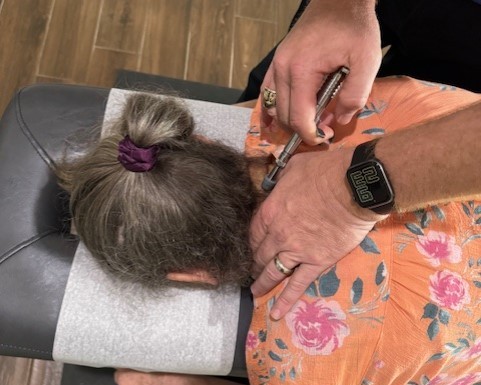
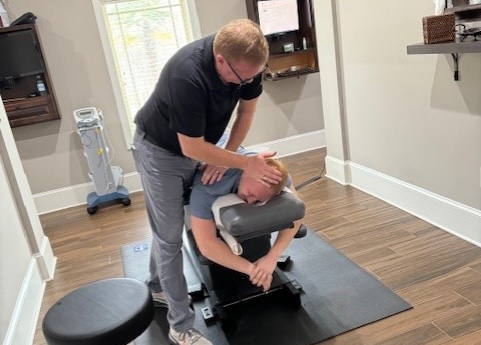
Lastly, professional treatment options, such as chiropractic adjustments, can help realign your spine and alleviate pain. These adjustments work to restore proper function and mobility to your back, which can lead to lasting relief.
I invite you to explore these methods and see how they can work together to enhance your quality of life. If you have any questions or would like to discuss how chiropractic care can benefit you, feel free to reach out!
Stretching Exercises
As a chiropractor, I often emphasize the importance of incorporating stretching exercises into your daily routine to alleviate upper back pain. These exercises not only enhance flexibility but also promote better blood circulation and reduce muscle tension. By dedicating just a few minutes each day to stretching, you can experience significant relief from discomfort.
Let's start with the cat-cow stretch, a fundamental movement that many find beneficial. Begin by positioning yourself on all fours, with your hands aligned under your shoulders and your knees under your hips. Take a deep breath in as you arch your back, lifting your head and tailbone toward the ceiling. Then, exhale as you round your back, tucking your chin and pelvis. Aim for about ten cycles, allowing yourself to feel the gentle stretch along your upper back.
Next, consider the doorway stretch. Stand in a doorway with your arms bent at a 90-degree angle, palms facing the doorframe. Step forward slowly, and you should feel a stretch across your chest and shoulders. Hold this position for 15 to 30 seconds and repeat a few times. This exercise is excellent for opening up the chest and relieving tension in the upper back.
Another effective stretch I recommend is the seated spinal twist. Sit on the floor with your legs extended in front of you. Bend your right knee and place your foot on the outside of your left thigh. Using your left arm, gently pull your right knee toward your left side while twisting your torso. Hold for 15 seconds before switching sides. This twist is particularly helpful for releasing tightness in the upper back.
By incorporating these stretches into your daily routine, you can enhance your overall flexibility and relieve discomfort. Always remember to listen to your body, and never push through pain.
As you explore these natural methods of healing, you may find that they complement the chiropractic care I provide, leading to a healthier, more comfortable lifestyle.
Posture Correction
As a local chiropractor, I want to emphasize the importance of not just stretching, but also focusing on your posture to alleviate upper back pain. Many people don't realize that poor posture can lead to muscle tension and discomfort. Therefore, it's crucial to be mindful of how you sit, stand, and move throughout your day.
Let's start with your workstation. It's essential that your chair provides adequate support for your lower back, and your monitor should be positioned at eye level. When sitting, ensure your feet are flat on the floor and your knees are at a 90-degree angle. If you find yourself hunching over your desk, you might benefit from an ergonomic chair or even a standing desk.
I encourage you to make it a habit to take regular breaks—stand up, stretch, and walk around to give your body a break from static positions.
When it comes to standing, aim to distribute your weight evenly on both feet and avoid locking your knees. Engaging your core muscles is vital for supporting your spine, and remember to keep your shoulders back and relaxed. A helpful visualization is to imagine a string gently pulling you upward from the top of your head, ensuring your neck and spine are properly aligned.
As you walk, maintain a straight posture with your head held high and your shoulders back. This alignment not only reduces strain on your upper back but also enhances your overall body mechanics, making daily activities easier and more comfortable.
Finally, I urge you to practice mindfulness regarding your posture during everyday tasks. Whether you're washing dishes or carrying groceries, being aware of your body's position can have a significant impact.
Heat Therapy
As a local chiropractor, I'm excited to share how heat therapy can be an effective solution for alleviating upper back pain.
This natural approach not only promotes increased blood circulation but also helps to relax tense muscles and diminish stiffness.
By understanding the benefits of heat therapy and learning the most effective application techniques, you can take an active role in your healing journey and find the relief you deserve.
Let's delve into how this simple yet powerful method can enhance your overall well-being.
Benefits of Heat Therapy
As a local chiropractor, I often recommend heat therapy to my patients who are struggling with upper back pain. This natural remedy can provide soothing relief by increasing blood flow to the affected area, which promotes healing and relaxation. When the warmth penetrates your muscles, it helps to ease tension and stiffness, allowing you to move more comfortably throughout your day.
One of the significant advantages of heat therapy is its effectiveness in reducing muscle spasms. Applying heat calms the nerves and helps prevent those painful contractions that can make everyday activities feel daunting.
In addition to alleviating pain, heat therapy can enhance your overall sense of well-being. The soothing warmth often brings about a feeling of comfort and relaxation, which can significantly boost your mood and help lower stress levels.
What I appreciate about heat therapy is its versatility. You can easily incorporate it into your routine using various methods, such as heating pads, warm towels, or even a hot shower.
It's also safe to use alongside other treatments, making it a valuable addition to your pain management strategy. By embracing heat therapy, you're taking an active step toward alleviating your upper back pain and improving your overall quality of life.
If you have any questions about how to effectively use heat therapy or other natural healing techniques, feel free to reach out during your next visit!
Application Techniques Explained
As a chiropractor committed to helping you manage upper back pain naturally, I want to share some effective techniques for applying heat therapy. This approach can significantly alleviate discomfort and promote healing.
First, select a suitable heat source. Options include a heating pad, hot water bottle, or even a warm towel. It's important to ensure that whatever you choose is at a comfortable temperature to avoid burns.
Once you have your heat source ready, apply it to your upper back for about 15-20 minutes. This can be done several times throughout the day, but remember to allow your skin some recovery time between sessions. If you opt for a heating pad, I recommend wrapping it in a thin towel to prevent direct contact with your skin, which can help avoid irritation.
For targeted relief, consider using heat wraps designed to conform to your body. These wraps can stay in place, allowing you to move freely while still reaping the benefits of heat therapy.
Incorporating gentle stretching exercises with heat therapy can enhance its effectiveness. This combination not only boosts the soothing effects of the heat but also promotes flexibility and reduces muscle stiffness.
Always pay attention to how your body responds. If you feel any discomfort or an increase in pain from the heat, stop immediately.
Cold Therapy
As a local chiropractor, I often see patients who struggle with upper back pain, and I want to share how cold therapy can be a valuable tool in your recovery.
Applying ice packs in the correct manner can significantly help reduce inflammation and numb discomfort.
It's important to know how to use cold therapy effectively to maximize your relief.
Let's dive into the practical steps and benefits of incorporating this natural healing method into your self-care routine.
Ice Packs Application
As a chiropractor, I often recommend the use of ice packs as an effective method for alleviating upper back pain, particularly for those of you who spend long hours sitting or engaging in heavy lifting.
Cold therapy can significantly reduce inflammation and numb sore areas, providing much-needed relief.
To begin, it's important to prepare your ice pack properly. Please grab a clean towel and wrap the ice pack in it. This step is crucial as it protects your skin from frostbite and ensures a more comfortable experience.
Next, I advise you to find a relaxing position where you can comfortably place the ice pack against your upper back. Focus on the areas that feel the most tense or painful.
For optimal results, keep the ice pack on the affected area for about 15 to 20 minutes. During this time, concentrate on your breathing and allow the cool sensation to soothe your muscles.
After each application, it's essential to check your skin for any unusual changes or adverse effects. If you notice anything concerning, please reach out to a healthcare professional.
By incorporating ice pack therapy into your routine, you can greatly enhance your recovery process and manage your upper back pain more effectively.
Duration and Frequency
As a local chiropractor, I often emphasize the importance of proper duration and frequency when it comes to cold therapy for alleviating upper back pain. When using cold packs, I recommend applying them for about 15 to 20 minutes at a time. This timeframe is ideal as it helps numb the affected area and reduces inflammation, while minimizing the risk of skin damage.
It's also crucial to allow your skin to return to its normal temperature before reapplying the cold pack, so aim for a break of at least 45 minutes to an hour between applications.
In terms of frequency, I suggest utilizing cold therapy multiple times throughout the day, especially during the initial phases of your discomfort. Applying cold packs three to four times daily can be particularly beneficial, especially after activities that may exacerbate your pain.
However, it's important to listen to your body; if you start to feel increased sensitivity or pain, consider adjusting the duration or frequency of your applications.
Incorporating cold therapy into your daily routine can be a highly effective strategy for managing upper back pain. Remember, consistency and patience are key.
Finding the right balance may take some time and experimentation, but with persistence, you'll discover what works best for your unique situation. I'm here to guide you through this process and support you on your journey to natural healing.
Benefits of Cold Therapy
As a local chiropractor dedicated to helping my patients understand natural healing methods, I want to share with you the surprising benefits of cold therapy for relieving upper back pain.
Applying ice packs or cold compresses to the affected area can significantly reduce inflammation and numb the pain. This technique is especially effective after engaging in strenuous activities or following an injury, as it helps minimize swelling and discomfort.
You might be pleased to learn that cold therapy can also improve your mobility. As the inflammation subsides, many individuals find it easier to move and carry out daily tasks with less strain. Additionally, cold therapy can help prevent muscle spasms, which often accompany upper back pain, providing further relief.
One of the greatest advantages of cold therapy is its simplicity and cost-effectiveness. You don't need fancy equipment or costly treatments; a simple ice pack or a cold compress from your freezer can work wonders.
I recommend applying the cold source for about 15-20 minutes at a time and allowing your skin to return to normal temperature between applications.
Incorporating cold therapy into your pain relief routine can offer both immediate and lasting relief, making it an invaluable tool in your journey toward upper back comfort.
As your chiropractor, I encourage you to consider adding this natural approach to your wellness plan.
Massage Techniques
As a local chiropractor, I want to share the benefits of massage techniques in alleviating upper back pain. Many individuals are unaware of how these approaches can significantly ease discomfort and enhance mobility, whether through professional therapy or self-massage at home.
When visiting a professional massage therapist, consider techniques such as deep tissue massage or myofascial release. These methods target deeper layers of muscle and connective tissue, helping to break down adhesions and release muscle knots that may be contributing to your pain.
It's important to communicate openly with your therapist about your discomfort and the specific areas you're experiencing tension, allowing them to customize the session to suit your needs.
For those who prefer self-care, incorporating tools like massage balls or foam rollers into your routine can be quite effective. Start by finding a comfortable position and apply gentle pressure to any tight areas.
Rolling a massage ball along your upper back and shoulder blades can effectively release built-up tension. Additionally, using your hands to knead the muscles, especially focusing on any trigger points that are causing discomfort, can provide relief.
Another valuable self-care technique is the application of heat. Using a warm towel or heating pad before you engage in self-massage can help relax your muscles, making the massage more effective.
Always remember to move slowly and deliberately, tuning in to your body's signals. If you experience any sharp pain, it's crucial to ease off and reassess.
By integrating these massage techniques into your routine, you can experience lasting relief and improved function in your daily life. Prioritizing care for your upper back is essential, and over time, you may notice significant benefits.
As your chiropractor, I encourage you to explore these natural healing methods to support your overall well-being.
Ergonomic Workspace Setup
Creating an ergonomic workspace is essential for supporting your upper back and overall health, and I'm here to guide you through it as your local chiropractor.
Let's start with your chair. It's crucial that your chair provides adequate support for your lower back, allowing your feet to rest flat on the floor or on a footrest if needed. Your knees should ideally be at hip level or slightly lower. This position helps maintain proper spinal alignment and reduces strain on your upper back.
Next, let's talk about your desk height. When you're typing, your elbows should form a 90-degree angle, close to your body, and your wrists should remain in a neutral position—straight and not bent. If your desk is too high or low, consider investing in a keyboard tray or an adjustable desk to find the optimal height that promotes comfort and reduces stress on your body.
Screen height is another important factor. Your monitor should be positioned at eye level and about an arm's length away. This setup prevents you from having to bend your neck or lean forward, which can lead to increased upper back pain over time. If you work with multiple screens, arrange them so that you can view them comfortably without straining your neck or back.
Lastly, don't forget to take regular breaks! Standing up, stretching, and moving around every 30 to 60 minutes is vital. This practice not only helps alleviate tension but also enhances circulation, which is crucial for your overall health.
Strengthening Exercises
As a chiropractor, I want to emphasize the importance of strengthening exercises in managing upper back pain and enhancing your overall posture. Many people may not realize how crucial these exercises are for achieving a healthier spine and body.
By incorporating specific movements and resistance training into your daily routine, you can build the strength and stability necessary to alleviate discomfort and prevent future issues.
Let's take a closer look at some effective exercises that can truly transform how you feel. These movements are designed to target the muscles that support your spine, improving your posture and helping you maintain a pain-free lifestyle.
Key Strengthening Movements
As a local chiropractor, I often see patients struggling with upper back pain, and I'm here to help you understand how incorporating key strengthening movements into your daily routine can significantly alleviate discomfort.
Strengthening the muscles in your upper back not only helps improve your posture but also reduces pain and enhances overall stability. Here are four effective exercises I recommend for strengthening your upper back:
- Rowing Exercise: You can use resistance bands or dumbbells to perform rowing movements. This exercise specifically targets your upper back muscles, such as the rhomboids and trapezius, which play a crucial role in supporting your spine.
- Face Pulls: Using a resistance band, pull the band towards your face while keeping your elbows elevated. This exercise is fantastic for improving shoulder stability and promoting better posture, both of which are essential for maintaining spinal health.
- Reverse Flys: Start by bending slightly at the waist with a dumbbell in each hand. Raise your arms out to the side while squeezing your shoulder blades together. This movement strengthens the rear deltoids and upper back, contributing to a stronger support system for your spine.
- Plank Shoulder Taps: While in a plank position, alternate tapping your shoulders with your opposite hand. This exercise not only strengthens your back but also engages your core, offering better overall stability—an important aspect of a healthy spine.
Incorporating these movements into your exercise routine can help you build strength in your upper back, ultimately leading to reduced pain and improved functionality.
Remember, a well-aligned spine and strong muscles are key to achieving long-lasting relief from discomfort. If you have any questions or need guidance on performing these exercises correctly, feel free to reach out to me.
Let's work together towards a healthier, pain-free you!
Resistance Training Benefits
As a local chiropractor dedicated to educating my patients about natural healing, I want to emphasize the incredible benefits of incorporating resistance training into your fitness routine, particularly for those dealing with upper back pain.
When you perform resistance exercises, you're not just building muscle; you're also strengthening the surrounding muscles that provide support to your spine. This enhancement in strength can help alleviate discomfort and significantly reduce the risk of injury, particularly for those who spend long hours sitting or engaging in repetitive tasks.
You'll also find that resistance training improves your overall stability and balance. By strengthening your upper back and core muscles, you'll notice better posture and alignment, which can decrease strain on your back during daily activities. Stronger muscles can act as a cushion, absorbing impact and relieving stress on your joints, which is essential for maintaining mobility and comfort.
One of the remarkable advantages of resistance training is its positive effect on your metabolic rate. Building muscle increases the number of calories your body burns at rest, which aids in weight management. Maintaining a healthy weight can relieve additional strain on your back, further promoting comfort and reducing pain.
Lastly, don't underestimate the mental health benefits of resistance training. The endorphin release during your workouts can significantly enhance your mood and lower stress levels—crucial factors in pain management.
I encourage you to consider integrating resistance exercises into your routine as part of a holistic approach to alleviating upper back pain and improving your overall well-being.
If you have any questions or need guidance on how to get started, feel free to reach out!
Posture Improvement Exercises
As a local chiropractor, I want to help you understand the importance of posture and how it can significantly impact your overall well-being. Many of my patients are surprised to learn that strengthening the muscles in your upper back can't only alleviate discomfort but also enhance your posture.
Here are some simple yet effective exercises you can easily add to your daily routine:
- Wall Angels: This exercise is great for opening up your shoulders. Stand with your back flat against the wall and your arms bent at a 90-degree angle. As you slide your arms up and down against the wall, make sure to keep your shoulders and wrists in contact with the surface. It's a fantastic way to engage those often-neglected muscles.
- Seated Rows: Using a resistance band or cable machine, sit up straight and pull the band towards your torso. As you do this, focus on squeezing your shoulder blades together. This movement strengthens the upper back and is crucial for maintaining good posture.
- Bird-Dog: This exercise is a wonderful way to engage your core and back muscles. Start on your hands and knees, then extend one arm forward while extending the opposite leg back. Hold for a few seconds before switching sides. It promotes stability and balance, which are key components of good posture.
- Chest Stretch: To counteract the forward slouch that many of us develop, stand in a doorway and place your arms on the door frame. Lean forward gently to stretch your chest muscles. This stretch can help open up your chest and promote a more upright posture.
Incorporating these exercises into your daily life can lead to better posture and reduce upper back pain.
Mindfulness and Relaxation
As a local chiropractor, I often see patients struggling with upper back pain, and one of the most effective ways to alleviate this discomfort is through mindfulness and relaxation techniques. These approaches can significantly reduce tension, enhance your mental state, and foster a better connection with your body.
When stress builds up, it frequently manifests as physical pain, especially in the upper back. By integrating mindfulness practices into your routine, you can become more aware of your stress triggers and learn to respond to them in a way that reduces strain on your back.
One of the simplest yet most effective techniques is deep breathing. By concentrating on your breath, you can calm both your mind and body. I recommend finding a comfortable position, whether sitting or lying down, and taking deep breaths—inhaling slowly through your nose and exhaling gently through your mouth. This exercise not only helps to release tension but also encourages relaxation throughout your back muscles.
Meditation is another valuable tool that can greatly benefit your well-being. Dedicating just a few minutes each day to sit quietly and focus on your breath or a soothing mantra can cultivate a profound sense of peace. This practice not only helps to reduce anxiety but also enhances your awareness of physical sensations in your body, allowing you to pinpoint areas of tension that may be contributing to your upper back pain.
In addition to these practices, incorporating gentle yoga or stretching exercises into your daily routine can further enhance relaxation and improve flexibility in your upper back. These movements promote blood flow and help release tight muscles, which can lead to a noticeable reduction in discomfort.
Ultimately, embracing mindfulness and relaxation techniques is an essential part of your journey towards relieving upper back pain. By prioritizing your mental and emotional health, you can create a more harmonious connection between your mind and body—one that supports your overall wellness and complements the chiropractic care I provide.
Hydration and Nutrition
As a local chiropractor, I want to emphasize that while mindfulness and relaxation techniques are crucial for managing upper back pain, we mustn't overlook the vital roles of hydration and nutrition. Your body requires the right fuel and sufficient hydration to function optimally and support muscle health. Neglecting these aspects can lead to increased pain and discomfort.
Here are some essential points to consider for effective hydration and nutrition:
- Stay Hydrated: Drinking enough water is essential for maintaining the elasticity of your spinal discs and reducing muscle stiffness. A good goal is to drink at least eight 8-ounce glasses of water per day, but feel free to adjust this amount based on your activity levels.
- Consume Anti-Inflammatory Foods: It's beneficial to include foods that are rich in omega-3 fatty acids in your diet. Options like salmon, walnuts, and flaxseeds can help lower inflammation, which may relieve some of the pain you're experiencing in your upper back.
- Balance Your Diet: Make sure you're getting a well-rounded mix of proteins, carbohydrates, and healthy fats. Foods like lean meats, whole grains, and a colorful variety of fruits and vegetables provide the essential nutrients your body needs for muscle recovery and overall health.
- Limit Processed Foods: Be mindful of foods high in sugar and unhealthy fats, as they can promote inflammation. Reducing your intake of processed snacks, sugary beverages, and fast food can significantly help in managing your upper back pain.
By focusing on these hydration and nutrition strategies, you can support your body in its healing process and enhance the benefits of your chiropractic care.
Your health is a holistic journey, and I'm here to help guide you every step of the way!
Professional Treatment Options
When it comes to managing upper back pain, exploring professional treatment options can significantly enhance your recovery journey. If you find that home remedies aren't providing the relief you need, it may be time to seek the expertise of a healthcare professional like a chiropractor. We're here to assess your condition, recommend tailored treatments, and address any underlying issues contributing to your discomfort.
Chiropractic care is a popular and effective choice for many individuals suffering from upper back pain. As a chiropractor, I utilize hands-on spinal manipulation techniques to realign your musculoskeletal structure. This approach not only alleviates pain but also improves your overall mobility.
Furthermore, I work with my patients to develop personalized exercise programs aimed at strengthening the back and preventing future problems.
Physical therapy is another avenue that can complement chiropractic care. While I specialize in spinal adjustments, I often collaborate with licensed physical therapists who can create customized rehabilitation programs. These programs focus on stretching and strengthening exercises specifically designed for the upper back, helping to alleviate pain while promoting functional movement.
In some instances, I may recommend over-the-counter medications, such as ibuprofen, to help manage pain and inflammation. However, I always encourage open discussions about any prescribed medications with your healthcare provider to ensure they're appropriate for your specific needs.
For those dealing with chronic or severe pain, we also consider advanced treatments like acupuncture or massage therapy. These holistic therapies can effectively reduce tension, enhance circulation, and foster relaxation, which are essential for your healing process.
Ultimately, finding the right professional treatment option depends on your unique condition and individual needs. It's crucial to communicate openly with your healthcare team, including your chiropractor, to determine the best course of action for your upper back pain relief journey.
Together, we can navigate your path to wellness through natural healing methods.
Conclusion
As a local chiropractor, I want to share with you ten effective techniques that can significantly relieve your upper back pain and enhance your overall well-being. By incorporating consistent stretching, strengthening exercises, and mindfulness practices into your daily routine, you'll not only experience relief but also reduce the risk of future discomfort.
It's essential to prioritize good posture throughout your day, stay well-hydrated, and follow an anti-inflammatory diet to support your body's healing process. These lifestyle changes can make a real difference in how you feel.
If you find that your pain persists, I encourage you to seek professional treatment. Chiropractic care focuses on natural healing methods that can help restore your body's balance and function. By taking control of your health, you can enjoy a more comfortable and active life. Remember, you don't have to manage this pain alone—I'm here to help you on your journey to wellness!