
If you're struggling with chronic tension headaches, it's essential to explore effective strategies for relief. You might be surprised by how simple adjustments in your daily routine can make a significant difference. From identifying your headache triggers to optimizing your workspace, these tips can help you regain control over your well-being. As you consider these options, remember that not all methods work for everyone. So, what are the most impactful changes you can implement today to start feeling better?
Identify Triggers
Identifying triggers is essential for managing chronic tension headaches, as these headaches often stem from specific factors in your daily life. To start, pay attention to the patterns surrounding your headaches. Keep a diary where you jot down when the headaches occur, how severe they are, and what you were doing before they started. This can reveal significant connections between your lifestyle and headache onset.
Next, consider common triggers like stress, poor posture, and inadequate hydration. If you notice headaches following particularly stressful days at work, it's a sign that stress management techniques might be necessary. Similarly, if you often find yourself slouching at your desk, correcting your posture could alleviate some tension.
Also, evaluate your hydration levels. Dehydration can lead to headaches, so make it a habit to drink enough water throughout the day, especially if you're active or in a warm environment.
Sleep patterns are another important factor. Irregular sleep schedules or insufficient rest can exacerbate headaches. Establishing a consistent sleep routine might help mitigate this trigger.
Lastly, be mindful of your diet. Certain foods or skipping meals can provoke headaches, so keep track of what you eat.
Practice Relaxation Techniques
Many people find that practicing relaxation techniques can considerably reduce the frequency and intensity of chronic tension headaches. Incorporating these methods into your daily routine can help you manage stress, which often contributes to headache development.
Start by exploring deep breathing exercises. Find a quiet space, sit comfortably, and take slow, deep breaths. Inhale through your nose, hold for a few seconds, and exhale through your mouth. Aim for five to ten minutes daily, focusing on your breath.
Another effective technique is progressive muscle relaxation. This involves systematically tensing and relaxing different muscle groups in your body. Start from your toes, tense the muscles for a few seconds, then release. Move up through your legs, abdomen, arms, and face. This practice not only alleviates tension but also enhances your body awareness.
Meditation can also be beneficial. Even just a few minutes of mindfulness can help clear your mind and reduce stress. Find a comfortable position, close your eyes, and focus on your breath or a calming mantra. If your thoughts wander, gently bring your focus back without judgment.
Lastly, consider yoga or gentle stretching. These activities promote relaxation and flexibility, which can ease muscle tension. Try to set aside time each week for a yoga class or follow an online video at home.
Maintain Proper Posture
To effectively combat chronic tension headaches, maintaining proper posture is crucial. Poor posture can lead to muscle strain and tension in your neck, shoulders, and back, which often triggers headaches. When you're sitting or standing, make certain your head is aligned with your spine. Keep your shoulders relaxed and avoid hunching over, especially when working at a desk or using your phone.
Pay attention to your seating position. If you spend long hours at a computer, make certain your chair supports your lower back. Your feet should rest flat on the floor, and your knees should be at a right angle. Adjust your screen to eye level, so you don't have to tilt your head down or up. This simple adjustment can help reduce strain on your neck.
When you're standing, distribute your weight evenly on both feet. Avoid locking your knees and try to keep your hips aligned with your ankles. Engaging your core muscles can help support your spine and maintain balance.
Throughout your day, take a moment to check in with your body. If you notice tension building, pause and reset your posture. Incorporating stretching exercises can also help relieve tightness in your muscles. Simple neck rolls or shoulder shrugs can make a significant difference.
Stay Hydrated
Maintaining proper posture is just one part of managing chronic tension headaches. Staying hydrated is equally essential. When you don't drink enough water, dehydration can set in, leading to headaches that compound your existing tension. So, make it a habit to sip water throughout the day.
A good rule of thumb is to aim for at least eight 8-ounce glasses of water daily, but individual needs can vary. Factors like your activity level, climate, and overall health come into play. If you're active or live in a hot area, you'll likely need more.
Listen to your body; if you're feeling thirsty or your urine is dark yellow, it's a sign you need to hydrate.
Incorporating hydrating foods into your diet can help, too. Fruits and vegetables like cucumbers, oranges, and watermelon not only refresh you but also contribute to your overall fluid intake. You might also want to limit caffeine and alcohol as they can dehydrate you. If you enjoy coffee or tea, balance those drinks with extra water.
Carrying a reusable water bottle can remind you to drink regularly. Set reminders on your phone or download an app that tracks your water intake.
Staying hydrated isn't just about quenching your thirst; it's about maintaining ideal bodily functions, which can greatly reduce the frequency and intensity of tension headaches. So, prioritize hydration and watch how it positively impacts your well-being.
Establish a Regular Sleep Routine
To relieve chronic tension headaches, establishing a regular sleep routine is essential.
You should aim for a consistent sleep schedule, create an ideal sleep environment, and incorporate relaxation techniques before bed.
Consistent Sleep Schedule
Establishing a regular sleep routine can greatly reduce the frequency and intensity of chronic tension headaches. A consistent sleep schedule helps regulate your body's internal clock, making it easier for you to fall asleep and wake up refreshed. Aim to go to bed and wake up at the same time every day, even on weekends. This consistency reinforces your body's natural rhythms, promoting better sleep quality.
When you stick to a schedule, you're less likely to experience restless nights, which can trigger headaches. Avoiding late-night screen time also helps; the blue light from devices can interfere with your body's production of melatonin, the hormone that regulates sleep. Instead, consider winding down with a calming bedtime routine, such as reading or practicing relaxation techniques.
If you find it difficult to fall asleep, try to limit caffeine and heavy meals in the hours leading up to bedtime.
Also, exercising regularly during the day can help you sleep more soundly at night. By prioritizing a consistent sleep schedule, you're taking an important step toward alleviating chronic tension headaches and improving your overall well-being.
Optimal Sleep Environment
Creating an ideal sleep environment is essential for managing chronic tension headaches. When you prioritize the space where you sleep, it can greatly impact the quality of your rest.
Here are three key aspects to focus on:
1. Comfortable Bedding: Invest in a supportive mattress and soft pillows that cater to your preferred sleeping position. This will help reduce tension in your neck and shoulders, which are often triggers for headaches.
2. Darkness and Quiet: Minimize light and noise in your bedroom. Use blackout curtains to block out external light and consider earplugs or a white noise machine to drown out disruptive sounds.
A dark and quiet space helps your body relax and fall into deeper sleep.
3. Temperature Control: Keep your room at a comfortable temperature. Too hot or too cold can disrupt your sleep cycle. Aim for a cool, but cozy environment to promote better rest.
Relaxation Techniques Before Bed
A consistent sleep routine can greatly enhance your ability to manage chronic tension headaches. By establishing a regular bedtime and wake-up time, you help regulate your body's internal clock, making it easier to fall asleep and stay asleep.
To create a calming pre-sleep routine, consider incorporating relaxation techniques that signal your body it's time to wind down. Start by setting aside 30 minutes before bed to engage in calming activities.
Try deep breathing exercises or progressive muscle relaxation to release built-up tension. You might also enjoy gentle stretches or yoga, which can soothe your muscles and promote relaxation. Reading a book or listening to soft music can help distract your mind from daily stressors.
Limit screen time an hour before bed; the blue light from devices can interfere with your sleep cycle. Instead, opt for dim lighting and a quiet atmosphere.
Herbal teas, like chamomile or peppermint, can also promote relaxation.
Incorporate Regular Exercise
Incorporating regular exercise into your routine can greatly help relieve chronic tension headaches.
Choose activities you enjoy, whether it's walking, dancing, or yoga, to keep you motivated.
Don't forget to focus on flexibility training and maintain a consistent schedule for the best results.
Choose Enjoyable Activities
Finding joy in your daily activities can greatly ease the burden of chronic tension headaches. When you engage in activities you love, you're not only boosting your mood but also reducing stress, which can be a major trigger for headaches.
Incorporating regular exercise into your routine is essential, but choosing enjoyable activities makes it much easier to stick with. Here are three ideas to get you started:
- Dance: Whether it's a dance class or just moving to your favorite tunes at home, dancing can be a fun way to get your heart pumping.
- Nature Walks: Enjoy the beauty of the outdoors while getting some exercise. A walk in the park can help clear your mind and lower stress levels.
- Group Sports: Join a local sports team or play a casual game with friends. The social aspect combined with physical activity can considerably boost your overall well-being.
Focus on Flexibility Training
To relieve chronic tension headaches, it's important to work on flexibility training as part of your regular exercise routine. Stretching helps relax tight muscles, which can reduce the frequency and intensity of headaches. Incorporating gentle stretches into your day can improve your overall muscle tension and promote better posture, both of which are significant in headache prevention.
Start with simple neck and shoulder stretches. Try tilting your head side to side, gently pulling on your head with your hand to deepen the stretch. This can help alleviate tension in these areas.
Incorporate upper back stretches, like clasping your hands together and reaching forward, to open up your chest and release tightness.
Yoga is another excellent option for flexibility training. The combination of stretching and controlled breathing not only enhances flexibility but also promotes relaxation.
Consider joining a local class or following online sessions tailored for headache relief.
Maintain Consistent Routine
Establishing a consistent exercise routine can greatly help in managing chronic tension headaches. Regular physical activity doesn't just boost your overall health; it can also reduce the frequency and severity of headaches.
When you exercise, your body releases endorphins, which act as natural painkillers. Here are three key aspects to take into account as you incorporate exercise into your routine:
- Choose Activities You Enjoy: Whether it's walking, swimming, or yoga, pick exercises that you look forward to. This makes it easier to stick with your routine.
- Aim for Consistency: Try to exercise at least 30 minutes most days of the week. Consistency helps your body adapt and can lead to long-term relief from headaches.
- Listen to Your Body: Pay attention to how your body responds during and after exercise. If a certain activity increases tension or discomfort, adjust accordingly.
Use Cold or Warm Compresses
Applying cold or warm compresses can be an effective way to relieve chronic tension headaches. Both methods offer unique benefits, so it's worth experimenting to see which one works best for you.
If you're dealing with tight muscles or stress-related discomfort, a warm compress can help relax those tense areas. Simply soak a cloth in warm water, wring it out, and place it on your forehead or neck. The heat increases blood flow and can ease the tightness that may be contributing to your headache.
On the other hand, cold compresses are excellent for numbing pain and reducing inflammation. You can use a cold pack or even a bag of frozen vegetables wrapped in a towel. Apply it to your forehead or the back of your neck for about 15 to 20 minutes. The cold can provide a soothing effect, dulling the pain sensation and helping you feel more comfortable.
Whichever method you choose, make sure to take breaks in between applications. Keeping the compress on for too long can lead to skin irritation or discomfort.
You might also find it helpful to alternate between hot and cold, as this can promote circulation and provide further relief. Remember, listen to your body—if one method doesn't feel right, don't hesitate to switch it up.
Using compresses regularly can become a valuable part of your routine in managing chronic tension headaches.
Explore Dietary Adjustments
Making thoughtful dietary adjustments can play a significant role in alleviating chronic tension headaches. What you eat can directly influence your body's overall tension levels and, consequently, your headache frequency.
Here are three dietary changes you might consider:
- Stay Hydrated: Dehydration is a common headache trigger. Make sure you're drinking enough water throughout the day. Aim for at least eight 8-ounce glasses daily, and increase your intake if you're active or in a hot environment.
- Limit Caffeine: While caffeine can provide temporary relief for some headaches, it can also lead to withdrawal headaches if you consume it regularly and then stop. Try to moderate your intake, and observe how your body reacts.
- Incorporate Magnesium-Rich Foods: Magnesium deficiency has been linked to headaches. Foods like spinach, nuts, seeds, and whole grains are great sources. Adding these to your meals can help maintain adequate magnesium levels, potentially reducing headache frequency.
Consider Mindfulness and Meditation
In addition to dietary adjustments, incorporating mindfulness and meditation into your routine can greatly help manage chronic tension headaches. These practices allow you to cultivate awareness of your thoughts and body, reducing stress and tension that often trigger headaches. By practicing mindfulness, you train your mind to focus on the present moment, which can break the cycle of stress and anxiety that contributes to headache pain.
Start with just a few minutes each day. Find a quiet space, sit comfortably, and close your eyes. Focus on your breath—notice the sensation of air entering and leaving your body. If your mind starts to wander, gently bring your attention back to your breath. This simple practice can ground you, reducing the mental clutter that often accompanies chronic tension headaches.
Meditation can also be beneficial. You might try guided meditations specifically designed for headache relief. These often include techniques such as visualization and progressive muscle relaxation, which can help alleviate physical tension in your neck and shoulders. Apps and online resources offer a variety of options, making it easy to find a style that resonates with you.
As you become more familiar with mindfulness and meditation, you may notice a decrease in the frequency and intensity of your headaches. Consistency is key, so make it a part of your daily routine.
With time, you'll likely find that these practices not only help manage your headaches but also improve your overall sense of well-being.
Seek Professional Help
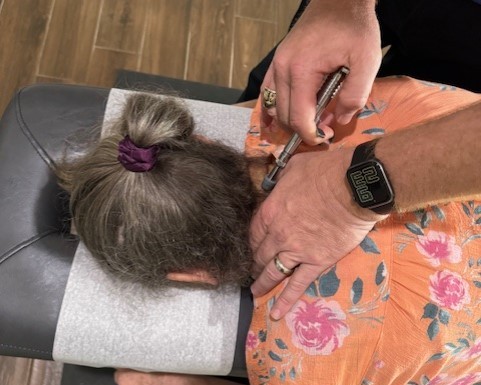
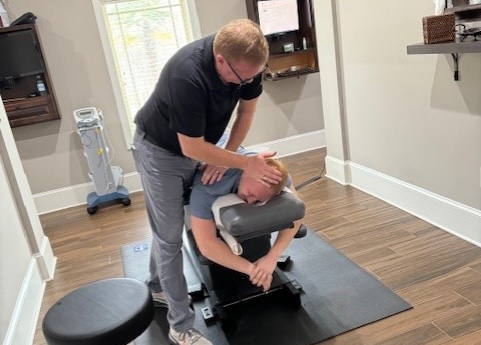
Many people find that seeking professional help is an essential step in managing chronic tension headaches. While self-care strategies like mindfulness and meditation can provide relief, a healthcare professional can offer a more tailored approach to your specific needs. They can help you identify underlying causes and guide you toward effective treatments.
Here are three key reasons to contemplate professional help:
- Diagnosis: A medical professional can help pinpoint the exact type of headache you're experiencing, ruling out other conditions that may be contributing to your pain.
- Treatment Options: Whether it's medications, physical therapy, or alternative treatments like acupuncture, professionals can recommend a variety of strategies that you mightn't have thought about.
- Ongoing Support: Regular consultations with a specialist can provide a support system for managing your headaches. They can track your progress, adjust treatments, and offer advice based on your evolving needs.
Don't hesitate to reach out for help. A healthcare provider can offer valuable resources and insights that can greatly improve your quality of life. You deserve to live without the constant burden of headaches.
Conclusion
By following these tips, you can take control of your chronic tension headaches and improve your quality of life. Start by identifying your triggers and incorporating relaxation techniques into your daily routine. Don't forget to stay hydrated and establish a consistent sleep schedule. Small dietary adjustments can also make a big difference. If your headaches persist, seek professional help to explore further options. You deserve relief and a chance to enjoy life without the burden of pain.