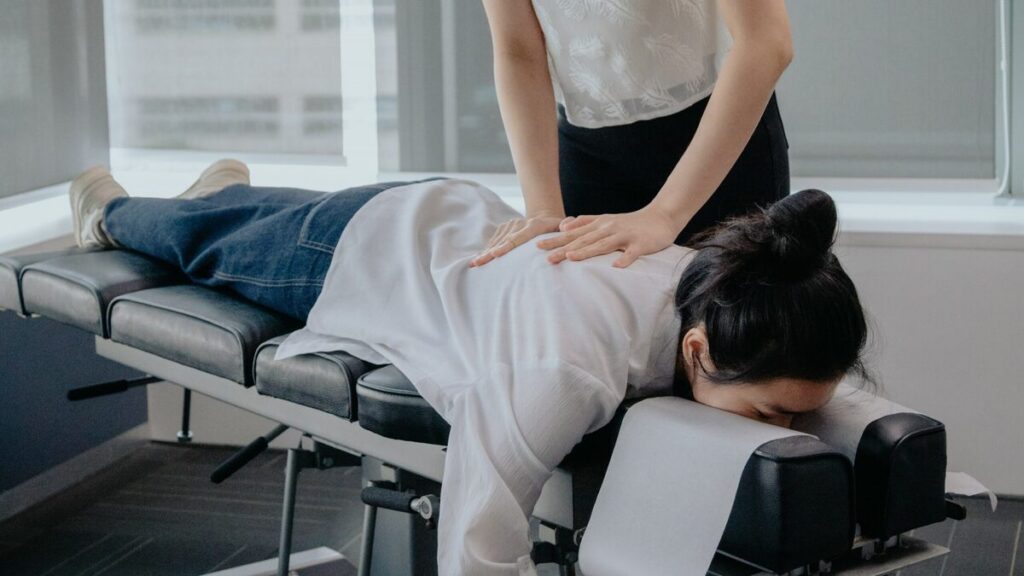

When it comes to enhancing your flexibility, many people don't immediately think of chiropractic care and natural healing. However, as a local chiropractor, I want to share how incorporating various adjustments can significantly improve your overall mobility. From correcting your posture to integrating mindful breathing techniques, each of these adjustments plays a vital role in boosting your flexibility. You might be surprised to learn how simple, natural changes can lead to remarkable improvements in how your body moves. Interested in discovering the specific adjustments that can transform your routine? Let's dive into ten effective ways to elevate your flexibility through chiropractic care.
Dynamic Stretching Techniques
As a chiropractor dedicated to your wellness, I want to emphasize the importance of incorporating dynamic stretching techniques into your routine for improving flexibility. These movements are specifically designed to gently enhance your range of motion through continuous motion, making them perfect for warming up your muscles before any physical activity.
Unlike static stretches, which hold positions, dynamic stretches actively engage your muscles, preparing them for movement and helping to reduce the risk of injury.
Let's start with a simple yet effective exercise: leg swings. Stand beside a wall or some support, and swing one leg forward and backward while keeping your upper body stable. This dynamic movement not only opens up your hip flexors but also helps warm up your hamstrings and quadriceps, which is essential for maintaining proper alignment in your body.
Another valuable dynamic stretch is arm circles. By rotating your arms in large circles—first forward, then backward—you can effectively loosen your shoulders and upper body. This is particularly beneficial for those of you who may spend long hours sitting or working at a desk.
I also recommend incorporating walking lunges into your routine. Step forward with one leg and lower your hips until both knees are bent at approximately a 90-degree angle. This movement dynamically stretches your hip flexors, quadriceps, and glutes, while also engaging your core, which is vital for overall body stability.
Don't overlook the importance of torso twists either. Stand with your feet shoulder-width apart and gently rotate your upper body from side to side. This stretch enhances spinal flexibility and warms up your core muscles, which can help alleviate tension and improve your overall posture.
By integrating these dynamic stretching techniques into your daily regimen, you not only enhance your flexibility but also support your overall athletic performance and well-being.
Incorporating Foam Rolling
As a local chiropractor, I want to share with you the benefits of incorporating foam rolling into your wellness routine.
Foam rolling can significantly enhance your flexibility by targeting tight muscles and alleviating tension that may be affecting your overall health.
By mastering effective foam rolling techniques, you can maximize these benefits, which in turn can improve your performance in daily activities and exercise.
Let's take a closer look at how you can seamlessly integrate foam rolling into your routine for optimal results and support your journey towards natural healing.
Benefits of Foam Rolling
As a local chiropractor, I want to share the incredible benefits of incorporating foam rolling into your wellness routine. Many people are unaware of how this simple practice can significantly enhance flexibility and overall performance.
Foam rolling is an effective technique for releasing muscle tightness and knots, which in turn increases blood flow to your muscles. Improved circulation not only aids in recovery but also optimally prepares your muscles for physical activity, allowing for more effective stretching.
By making foam rolling a regular part of your routine, you can expand your range of motion, which is particularly beneficial before workouts. It helps prime your muscles for the movements they'll be performing, reducing the risk of injury.
Furthermore, many of my patients have reported that foam rolling after workouts can dramatically decrease soreness, making it easier for them to recover and maintain consistency in their training.
Foam rolling also promotes better alignment and posture by addressing muscle imbalances. When your muscles are functioning harmoniously, you're likely to experience less discomfort and strain during your daily activities and exercise.
Another often overlooked benefit is the mental aspect of foam rolling. Taking time to foam roll can serve as a form of active recovery, giving you the chance to connect with your body and alleviate stress.
If you're looking to enhance your flexibility and elevate your performance, I highly recommend incorporating foam rolling into your fitness regimen. It's a valuable tool that complements the holistic approach to health that we advocate in chiropractic care.
Techniques for Effective Use
As a local chiropractor dedicated to promoting natural healing, I want to share some effective foam rolling techniques that can greatly enhance your wellness routine. Foam rolling is a fantastic tool for alleviating muscle tension and improving mobility.
Here are some important strategies to get the most out of your foam rolling experience:
- Target One Muscle Group at a Time: Rather than rolling across your whole body indiscriminately, focus on one specific muscle group, like your calves or quads. This targeted approach allows for deeper pressure, which can help release tension more effectively.
- Adjust Your Body Positioning: Proper body positioning is crucial for ensuring that you apply the right amount of pressure to the area you're working on. For example, when rolling your back, place the foam roller beneath your shoulder blades and gently lift your hips. This technique will help you apply optimal pressure to relieve tightness.
- Control Your Movement Speed: It's important to roll slowly, dedicating about 30 seconds to each tight area. This allows your muscles to relax and release built-up tension. If you encounter a particularly tight spot, take a moment to pause and engage in deep breathing, which can further facilitate relaxation.
Incorporating these techniques into your foam rolling routine can promote better muscle health and aid in your overall well-being.
If you have any questions or need personalized advice, don't hesitate to reach out during your next visit!
Adjusting Your Posture
As a local chiropractor, I often emphasize the importance of posture in achieving overall flexibility. You mightn't realize it, but maintaining proper posture is more than just standing tall; it enables your muscles and joints to function optimally. When your posture is poor, it can lead to tightness and tension in specific areas, limiting your range of motion. By being mindful of your alignment, we can work together to alleviate that tension and enhance your flexibility throughout your body.
Let's start with your everyday habits. Take note of how you sit, stand, and move. When seated, ensure that your back is straight, your shoulders are relaxed, and your feet are flat on the floor. This posture helps distribute your weight evenly, reducing stress on your muscles. If you catch yourself slouching, don't hesitate to realign. A simple adjustment can yield significant improvements.
When standing, keep your head up, shoulders back, and hips aligned. This not only enhances your balance but also activates the muscles in your legs and back properly. By regularly practicing good posture, we can help lengthen tight muscles while strengthening weaker ones, ultimately leading to better flexibility.
Incorporating mindful movement into your daily activities is also essential. Whether you're stretching or engaging in different physical pursuits, pay attention to your posture. This awareness allows your body to operate more effectively, significantly increasing your flexibility.
Using Resistance Bands
As a local chiropractor dedicated to promoting natural healing and overall wellness, I want to highlight the benefits of incorporating resistance bands into your fitness routine.
These bands aren't only versatile but can significantly enhance your flexibility and strength, which are essential components of a healthy body. Whether you're just starting your fitness journey or have been active for some time, using resistance bands can lead to remarkable improvements in your physical health.
Here are three effective ways you can utilize resistance bands to boost your flexibility:
- Dynamic Stretching: Resistance bands are excellent tools for dynamic stretches that prepare your muscles for physical activity. For example, while lying on your back, you can loop a band around your foot and gently pull it to lift your leg. This stretch targets your hamstrings and hip flexors, increasing flexibility while activating the muscles, which is crucial for injury prevention.
- Assisted Stretching: Many patients find certain stretches challenging to perform on their own. Resistance bands can provide the support you need. Take, for instance, shoulder stretches; by holding one end of the band in each hand and gently pulling it apart as you lift your arms overhead, you can deepen the stretch and improve your range of motion. This assistance can be particularly beneficial in enhancing mobility and reducing muscle tension.
- Strengthening Exercises: Integrating resistance bands into strengthening exercises can also promote flexibility. During movements like squats or lunges, the bands add resistance that challenges your muscles while encouraging proper form. This dual focus not only builds strength but also fosters flexibility as you transition through various positions.
By incorporating these techniques into your routine, resistance bands can become valuable allies in your journey towards improved flexibility, strength, and overall well-being.
Practicing Yoga Regularly
As a local chiropractor, I want to emphasize the importance of incorporating yoga into your wellness routine. Practicing yoga regularly can significantly enhance your flexibility and contribute to your overall well-being.
By committing to a consistent practice, you may notice positive changes not just in your physical body but also in your mental state.
Daily yoga offers numerous benefits, such as improving posture, reducing stress, and promoting a greater range of motion, which can complement the chiropractic adjustments you receive. It's a natural way to support spinal health and enhance your body's ability to heal itself.
If you're new to yoga, here are some tips to help you get started: consider beginning with gentle classes that focus on foundational poses, listen to your body and progress at your own pace, and try to integrate breathing exercises to enhance relaxation and mindfulness.
Benefits of Consistent Practice
As a chiropractor, I often emphasize the importance of consistent practices like yoga to enhance not only your physical health but also your overall well-being. Engaging in yoga regularly can offer remarkable benefits that complement chiropractic care.
Here are three key advantages of maintaining a consistent yoga practice:
1. Increased Flexibility: Regularly practicing yoga can significantly improve the pliability of your muscles and connective tissues. This increased flexibility is crucial in preventing injuries and can enhance your range of motion, which is often a focus in chiropractic adjustments.
By incorporating yoga into your routine, you can better support your spine and joints.
2. Enhanced Strength: Many yoga poses require you to bear your body weight in various positions. This builds strength in essential muscle groups, which not only supports your flexibility but also contributes to your overall physical stability.
A strong body is less prone to misalignments, making it easier for chiropractic care to maintain your health.
3. Improved Mental Clarity: Yoga promotes mindfulness and deep breathing techniques that help reduce stress and improve focus. This mental clarity can be beneficial not just for your daily tasks but also for your recovery process following chiropractic treatments.
By reducing stress, you create a more conducive environment for healing and overall balance in your life.
Incorporating yoga into your wellness routine can be a powerful complement to the care you receive in our chiropractic office. Together, they can enhance your physical and mental health, leading to a more fulfilling life.
Tips for Daily Yoga
Incorporating yoga into your daily routine can significantly enhance your overall well-being, especially when it comes to supporting your spinal health and promoting natural healing. As a chiropractor, I encourage my patients to set aside a specific time each day for their practice—whether that's in the morning to energize your body or in the evening to relax and unwind. Consistency is essential for reaping the benefits.
Creating a dedicated space in your home for yoga practice can also be beneficial. This area should be free from distractions, allowing you to mentally prepare and focus on your body's needs. Even dedicating just 10-15 minutes a day can lead to remarkable improvements in flexibility and spinal health.
For those new to yoga or seeking guidance, using online resources or apps can provide you with structured sessions. These tools can keep you motivated and help you learn the correct techniques. Remember, it's perfectly okay to modify poses to fit your individual level—yoga is about making progress in your own journey, not striving for perfection.
Pay close attention to how your body feels during and after each session. Listening to your body is crucial, and I often recommend keeping a journal to track your experiences and improvements. This can help you stay committed to your practice and highlight the positive changes you encounter.
Most importantly, don't forget to breathe deeply and enjoy the process. Embracing a regular yoga routine can't only enhance your flexibility but also contribute to your overall health and well-being.
Engaging in Active Recovery
Active recovery isn't just a pause from your regular workouts; it's a crucial component for boosting your flexibility and overall physical performance. As a chiropractor, I often emphasize the importance of allowing your body to recuperate while still engaging in low-intensity activities. This approach promotes blood circulation, alleviates muscle soreness, and helps maintain your range of motion.
Here are some effective ways to incorporate active recovery into your daily routine:
- Gentle Stretching: Allocate 10-15 minutes to perform light stretching exercises. Make sure to target all major muscle groups, particularly those that may feel tense. This practice keeps your muscles long and flexible, which is essential for injury prevention.
- Walking or Cycling: Engage in low-impact activities such as walking or leisurely cycling for about 20-30 minutes. These activities elevate your heart rate without placing excessive strain on your body, allowing a gradual recovery while enhancing your flexibility.
- Foam Rolling: Utilize a foam roller on any tight or sore areas. This self-myofascial release technique is excellent for breaking up muscle knots, improving blood flow, and increasing your overall flexibility.
Incorporating active recovery into your routine not only helps your body recover more efficiently but also prepares your muscles for upcoming workouts.
By adopting these practices, you'll likely notice a significant improvement in your flexibility over time, which can lead to enhanced performance in more demanding training sessions.
Don't overlook the importance of active recovery—consider making it a consistent part of your fitness regimen, and you'll be amazed at how your flexibility can improve!
If you have any questions about how this ties into chiropractic care or natural healing, feel free to reach out.
Modifying Exercise Routines
As a local chiropractor, I want to emphasize the importance of modifying your exercise routines to support your body's natural healing and accommodate its ever-changing needs. Many people are unaware that our bodies require regular adjustments to enhance flexibility and strength, especially as we progress on our fitness journeys.
It's essential to start by evaluating the exercises you're currently performing. If you experience any discomfort or find certain movements too challenging, it may be time to reassess your approach. Consider incorporating variations of the exercises you're doing or exploring new movements that still target the same muscle groups. For example, if traditional lunges cause strain, you might try reverse lunges or step-ups, which can be gentler on your joints.
Additionally, be mindful of how often and how long you're working out. If you notice that your body isn't recovering adequately between sessions, consider scaling back on intensity or introducing lighter days dedicated to stretching and mobility work. This strategy allows your body to adapt and helps prevent the risk of overtraining, which can lead to injury.
Listening to your body is crucial. If you observe tightness or stiffness in specific areas, tailor your modified routine to focus on those regions. Incorporating dynamic stretches before your workouts and static stretches afterward can significantly enhance your flexibility over time, promoting a more balanced and healthy body.
Lastly, always keep your personal fitness goals in mind. If you're looking to improve flexibility for a specific activity, it's beneficial to tailor your routines to include exercises that align with that goal.
Focusing on Breath Control
As a local chiropractor, I want to share how integrating breath control into your flexibility training can significantly enhance your overall well-being and performance. Many of my patients are unfamiliar with the connection between breath and movement, so let's explore how focusing on your breath can benefit your body during flexibility exercises.
1. Enhances Relaxation: Deep, mindful breathing activates your body's relaxation response, calming the nervous system. This relaxation is crucial for allowing your muscles to release tension, which can lead to a greater range of motion.
By incorporating breath control, you can reduce the risk of injuries while improving your flexibility.
2. Improves Focus: When you concentrate on your breath, it helps anchor your mind in the present moment. This mindfulness allows you to become more aware of your body's alignment and any areas of tension.
By staying focused, you can engage more effectively in your stretching routine and avoid the common tendency to rush through exercises.
3. Boosts Endurance: Practicing controlled breathing ensures your body receives sufficient oxygen, which is vital for any physical activity. As you enhance your endurance through proper breath control, you'll find that you can hold stretches for longer periods, gradually pushing your limits safely.
To implement breath control in your routine, try inhaling deeply as you prepare for each stretch, and then exhaling slowly as you ease into the pose.
Establishing this rhythm can help you stay engaged and maximize the benefits of your flexibility training. Remember, tuning into your breath is as important as the physical movements themselves.
Consulting a Professional
When it comes to enhancing flexibility, seeking the expertise of a chiropractor can significantly elevate your progress. Whether you're new to flexibility training or have been active for years, a licensed chiropractor can provide personalized guidance tailored to your specific needs. They'll assess your current flexibility levels, pinpoint areas that require attention, and develop a customized plan to help you achieve your flexibility goals.
Chiropractors possess a deep understanding of anatomy and biomechanics, which enables them to teach you safe and effective techniques to prevent injury. They'll demonstrate specific stretches and exercises that work best for your unique body type, ensuring you maintain the correct form. This focused, individualized care can lead to quicker results compared to following a self-directed routine.
In addition, a chiropractor can play a crucial role in keeping you accountable. Regular visits not only motivate you but also help you stay committed to improving your flexibility. They can modify your routine as you progress, ensuring you continually face new challenges and avoid hitting a plateau.
Moreover, chiropractic care can introduce you to a variety of techniques that go beyond traditional stretching. We might incorporate elements from yoga, Pilates, or sport-specific training, all of which can further enhance your flexibility and overall physical well-being.
By integrating expert chiropractic advice into your routine, you can transform your approach to flexibility. Not only will you improve your range of motion, but you'll also gain a deeper understanding of your body's capabilities.
Setting Realistic Goals
When you set realistic health goals, you're creating clear objectives that help guide your journey toward wellness.
As a chiropractor, I encourage you to track your progress regularly. This not only keeps you motivated but also allows us to make necessary adjustments to your treatment plan.
By doing so, we can develop a flexible roadmap that leads to better health and overall success in your healing process.
Establish Clear Objectives
Setting clear objectives is crucial for your journey toward better health and wellness through chiropractic care. When you define specific and realistic health goals, you create a pathway that guides your decisions and actions in your healing process. This clarity helps you adapt when challenges arise, whether it's pain management or enhancing your overall well-being.
Here are three tips to help you establish clear health objectives:
- Be Specific: General health goals can lead to confusion. Clearly articulate what you want to achieve with your chiropractic care. For instance, instead of saying "I want to feel better," specify "I want to reduce my lower back pain to a manageable level within six weeks."
- Make Them Measurable: Setting quantifiable health goals allows you to monitor your progress effectively. Rather than saying "I want to improve my posture," try "I want to practice my posture exercises five times a week for the next month." This gives you a concrete target to work towards.
- Set a Deadline: Establishing a timeline creates a sense of urgency and helps you stay committed to your health journey. Assign a deadline to each objective, such as "I want to be able to touch my toes comfortably within eight weeks," to ensure you remain motivated and accountable to your healing process.
Track Progress Regularly
Tracking your progress regularly is crucial for staying motivated and ensuring you're moving in the right direction with your health goals, especially when it comes to chiropractic care and natural healing. When you establish realistic health objectives, you create a clear path that allows you to monitor your success.
Start by identifying specific milestones you wish to achieve, whether that involves improving your flexibility, enhancing your strength, or increasing your endurance.
It's important to break these goals down into smaller, achievable steps and keep a detailed record of your accomplishments. Consider using a journal or a wellness app to document your chiropractic sessions, stretching exercises, and other relevant activities.
This practice not only highlights how far you've come, but also helps pinpoint areas where you might need to adjust your treatment or routine.
As you progress, be sure to celebrate the small victories along the way. These milestones can significantly boost your motivation and keep you engaged in your healing journey.
Conclusion
As a local chiropractor, I want to emphasize how incorporating adjustments into your flexibility routine can significantly enhance your mobility. Focusing on dynamic stretching, foam rolling, and maintaining proper posture are essential components of this journey. Utilizing resistance bands and practicing yoga regularly can also make a noticeable difference, allowing you to modify your exercises based on your individual needs.
One of the keys to improving flexibility is breath control, which can help facilitate deeper stretches and relaxation. I encourage you to consult with a professional, such as myself, to receive personalized advice tailored to your specific situation. Setting realistic goals is crucial; with the right approach, you'll not only enhance your flexibility but also reduce your risk of injury. Remember, progress takes time, so keep pushing forward, and together we can work towards your optimal health and mobility!