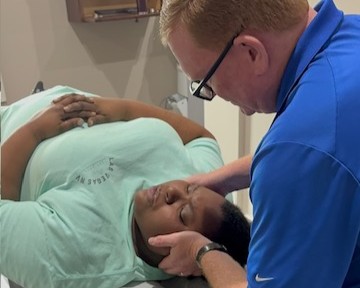

As a local chiropractor dedicated to helping you manage and alleviate back pain, I'd like to share three effective techniques that can greatly enhance your comfort. First, stretching is essential; it not only improves flexibility but also helps to relieve tension in your muscles. Incorporating regular stretches into your routine can lead to noticeable improvements in your mobility.
Next, heat therapy is a fantastic option for soothing tight muscles. Applying heat can increase blood flow to the affected area, promoting relaxation and reducing discomfort. Whether it's a warm towel or a heating pad, this simple method can be very effective for pain relief.
Lastly, strengthening your core is crucial for supporting your spine. A strong core helps maintain proper posture and reduces the strain on your back. I can guide you through specific exercises designed to build strength in this area, which can lead to long-term relief from back pain.
Each of these techniques plays an important role in holistic pain management, and understanding how to implement them effectively is key. If you're interested in learning more about specific exercises and practices that can help you achieve lasting relief, I'm here to support you on your journey to better health. Let's work together to explore these techniques further!
Stretching Exercises
As a chiropractor, I want to emphasize the importance of incorporating stretching exercises into your daily routine, especially if you're experiencing back pain. Stretching is a natural way to relieve tension in your muscles, enhance flexibility, and improve your overall mobility.
It's particularly beneficial to focus on stretches that engage the muscles surrounding your spine, as well as those in your hips and hamstrings.
To begin, I recommend starting with simple stretches, such as the cat-cow pose. Position yourself on all fours, arch your back upward like a cat, and then lower it, lifting your head and tailbone as if mimicking a cow. This dynamic movement is excellent for warming up your spine and promoting flexibility.
Another great option is the child's pose. Kneel on the floor, sit back on your heels, and extend your arms forward while lowering your torso. This gentle position stretches your lower back and encourages relaxation.
It's also essential to include hip flexor stretches in your routine. Stand tall, step back with one foot, and bend your front knee while keeping your back leg straight. You'll feel a beneficial stretch in your hip flexor, which can help alleviate any lower back tension you may have.
Aim to hold each stretch for at least 15-30 seconds and repeat them several times.
Always pay attention to what your body is telling you. If you experience pain during a stretch, it's important to ease off or modify the movement.
Consistency is crucial, so I encourage you to stretch daily. With time, you should notice improved flexibility and a reduction in back pain, enabling you to participate in the activities you love without discomfort.
Heat and Cold Therapy
As a local chiropractor, I often emphasize the importance of incorporating heat and cold therapy into your back pain management routine. These natural methods can provide significant relief and foster healing, and understanding when to use each can be transformative for your recovery.
Heat therapy is particularly beneficial for relaxing tight muscles and enhancing circulation. You might consider using a heating pad, a warm towel, or even indulging in a warm bath to alleviate discomfort. I recommend applying heat for about 15-20 minutes at a time. This approach can help ease stiffness and increase blood flow to the affected area.
However, be cautious with the temperature; you want to feel comfort, not risk burns.
Conversely, cold therapy is an excellent option for reducing inflammation and numbing sharp pain. Ice packs or even a bag of frozen vegetables wrapped in a cloth can work wonders. Applying cold therapy for 15-20 minutes, especially after any physical activity that aggravates your back, can help diminish swelling and provide a soothing effect on your nerves.
To maximize the benefits, you might consider alternating between heat and cold therapy. Start with cold therapy to tackle inflammation, then switch to heat therapy to help relax the muscles.
Listen to your body's responses to each treatment and adjust accordingly.
Strengthening Core Muscles
As a local chiropractor committed to your well-being, I want to emphasize the importance of building a strong foundation through core muscle strengthening, especially after addressing pain with heat and cold therapy. Many people think of their core as just their abdominal muscles, but it's actually a complex group of muscles that includes your back, hips, and pelvis. Strengthening these areas can significantly alleviate back pain and prevent future issues.
To get started, I recommend basic exercises such as planks and bridges. Planks are fantastic for engaging multiple muscle groups, which helps to stabilize your spine. Begin by holding a plank position for 20-30 seconds, and as you become stronger, gradually increase the duration.
Bridges are also excellent; they target your glutes and lower back, providing crucial support. Simply lie on your back with your knees bent, lift your hips toward the ceiling, hold for a few seconds, and then lower back down.
Once you feel comfortable with these exercises, consider adding bird dogs and side planks to your routine. Bird dogs are great for working your lower back, glutes, and shoulders all at once, enhancing stability. Start from a tabletop position and extend one arm and the opposite leg, hold briefly, and then switch sides.
Side planks are particularly beneficial for your obliques, which are essential for spinal support. To perform a side plank, lie on your side, prop yourself up on your elbow, and lift your hips off the ground.
I suggest incorporating these core exercises into your routine two to three times a week. Consistency is crucial for seeing results. By strengthening your core, not only will you find relief from existing back pain, but you'll also build resilience against future discomfort.
Conclusion
As a local chiropractor, I want to share with you some effective techniques that can help relieve back pain and enhance your overall well-being. Incorporating stretching exercises into your daily routine allows for increased flexibility and can alleviate tension in your back muscles. Additionally, heat therapy is a wonderful way to soothe discomfort and promote blood flow to the affected areas.
Strengthening your core muscles is equally crucial; a strong core provides better support for your spine, reducing the likelihood of future pain. I encourage you to stay consistent with these practices, as they not only help alleviate current discomfort but also lay the groundwork for a healthier back in the long run.
It's essential to listen to your body and make adjustments to your routine as necessary. With commitment and the right approach, you can take charge of your back pain and greatly improve your quality of life. Remember, natural healing through chiropractic care can be a valuable part of your journey to better health.