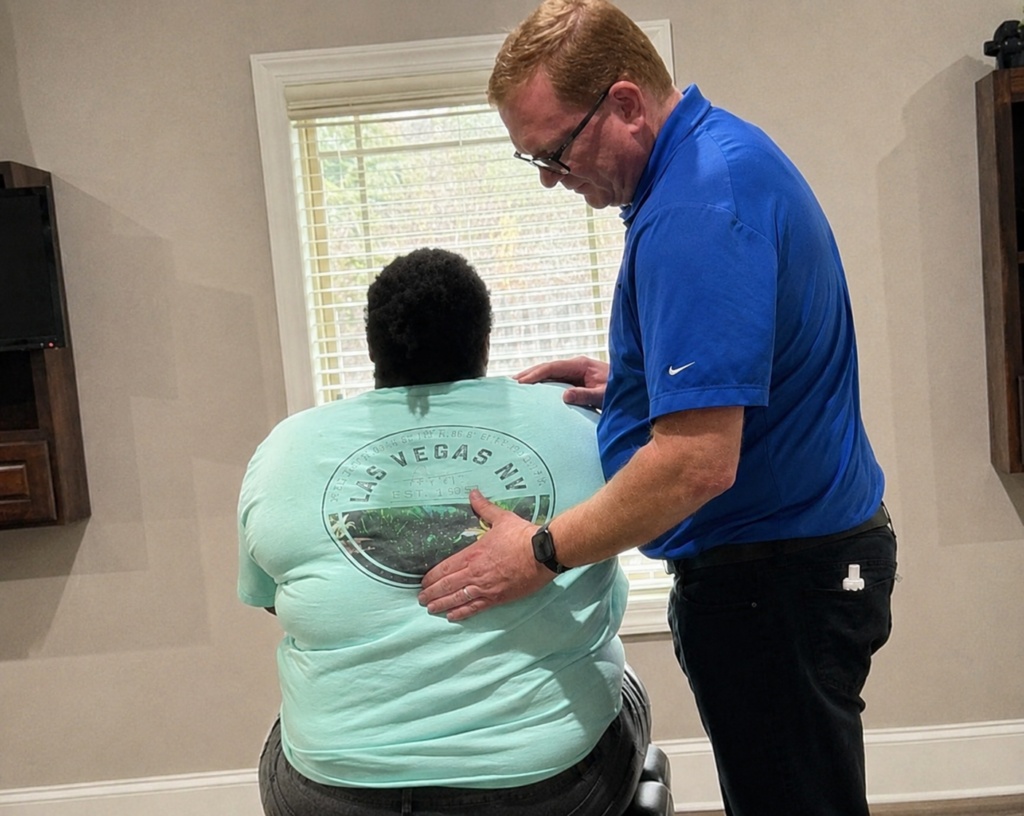

If you're experiencing back pain, know that you're not alone, and I want to share some straightforward adjustments that can provide significant relief. As a local chiropractor, I emphasize the importance of consistent stretching, maintaining proper posture, and incorporating mindfulness practices into your daily life. These three techniques lay a solid foundation for better back health, and each offers unique benefits that can work in harmony to promote lasting comfort.
Let's delve into these techniques. First, stretching helps to keep your muscles flexible and can alleviate tension in your back. Next, proper posture is crucial; it supports your spine and reduces strain on your back muscles. Finally, mindfulness practices, such as deep breathing or meditation, can help you manage stress, which often contributes to muscle tightness and discomfort.
I encourage you to start implementing these techniques into your routine. By doing so, you may find greater relief from your back pain, and I'm here to support you on this journey toward better health. If you have any questions or need personalized guidance, feel free to reach out!
Stretching Exercises
As a chiropractor, I often see patients who are struggling with back pain, and I want to emphasize the importance of incorporating stretching exercises into your daily routine. These exercises can have a transformative effect on your back health by relieving tension, enhancing flexibility, and improving circulation in your back muscles. Just a few minutes of stretching each day can lead to significant relief and help you move more freely.
To get started, I recommend gentle stretches that focus on the major muscle groups in your back. One of my favorites is the cat-cow stretch. Begin on all fours, and as you breathe in, arch your back, allowing your spine to extend. As you exhale, round your spine, tucking your chin toward your chest. This fluid motion is excellent for loosening tightness and encouraging proper spinal alignment.
Another beneficial stretch is the seated forward bend. While sitting with your legs extended in front of you, gently reach for your toes, ensuring that you keep your back straight. This stretch is particularly effective for easing tension in your lower back and hamstrings while promoting overall flexibility. Aim to hold each stretch for 20-30 seconds, and remember to breathe deeply throughout.
Don't forget to include the child's pose in your stretching routine. Start by kneeling on the floor, sitting back on your heels, and reaching your arms forward as you lower your chest towards the ground. This position provides a gentle stretch for your back and can help foster relaxation.
Always listen to your body during these stretches; if you experience pain, it's important to ease back and modify the stretch as needed. Consistency is vital, so I encourage you to incorporate these stretches into your daily life.
Over time, you may find that your back pain diminishes and your overall comfort improves. Stretching isn't just a temporary solution; it's an essential component of maintaining a healthy back and supporting your overall well-being.
Proper Posture Techniques
As a local chiropractor, I want to emphasize the importance of maintaining proper posture to prevent and alleviate back pain. Many of my patients are surprised to learn how much correct alignment can impact their overall health. By adopting good posture habits in your daily activities, you can significantly reduce strain on your back muscles and spine.
Here are some simple techniques to incorporate into your routine:
- Sit Correctly: When you're seated, make sure your feet are flat on the floor or on a footrest to provide stability. Your knees should be at or below hip level to promote proper alignment. Choose a chair that supports your lower back, and remember to sit up straight—avoid slouching, as it can lead to discomfort over time.
- Stand Tall: It's important to distribute your weight evenly on both feet when standing. Keep your shoulders back and relaxed, and engage your core muscles. A helpful visualization is to imagine a string pulling you up from the top of your head; this can assist you in maintaining an upright posture.
- Lift Smart: Lifting heavy objects can be a common source of injury. To do this safely, bend at your knees rather than your waist. Keep the object close to your body and rely on your legs to lift, not your back. This technique can significantly reduce the risk of strain or injury.
- Take Breaks: If you find yourself sitting for extended periods, it's crucial to take breaks. Stand up and stretch every 30 to 60 minutes to alleviate muscle tension and encourage better alignment. Movement is key to maintaining a healthy spine.
By incorporating these posture techniques into your daily life, you can support your natural healing process and enhance your overall well-being.
If you have any questions about how posture affects your spinal health, feel free to reach out—I'm here to help!
Mindfulness and Relaxation
As a local chiropractor, I often emphasize that while proper posture is crucial for maintaining back health, it's equally important to embrace mindfulness and relaxation techniques as part of your wellness routine. Many of my patients are surprised to learn that stress and tension can significantly contribute to back pain. By managing your mental state, you can often find relief from physical discomfort.
To begin, I recommend practicing mindfulness. This technique helps you focus on the present moment without judgment, which can be incredibly beneficial for your overall well-being. A simple way to incorporate mindfulness into your daily life is through breathing exercises. Find a comfortable position, whether sitting or lying down, close your eyes, and direct your attention to your breath. Inhale deeply through your nose, hold it for a moment, and then exhale slowly through your mouth. Repeat this for several minutes. Many of my patients report that concentrating on your breath can help release tension built up in your back and throughout your body.
In addition to mindfulness, I encourage you to try relaxation techniques such as progressive muscle relaxation. This practice involves tensing and then relaxing different muscle groups, starting from your toes and working your way up to your head. As you release tension in each muscle group, envision your stress dissipating.
Meditation is another powerful tool that I often recommend. Spending just 10-15 minutes each day in quiet reflection can allow your thoughts to flow freely without attachment. This practice fosters a sense of calm that can directly reduce tension in your back.
Lastly, don't overlook the benefits of gentle yoga or stretching. These movements not only promote flexibility but also encourage relaxation, which can be instrumental in alleviating pain.
Conclusion
As a local chiropractor, I want to share some effective techniques that can help alleviate back pain and improve your overall wellness. By incorporating consistent stretching, maintaining proper posture, and practicing mindfulness into your daily routine, you can experience significant relief. These methods work synergistically to relieve tension, prevent strain, and reduce stress on your back.
It's important to take a proactive approach to your back health. Regular stretching can keep your muscles flexible, while proper posture supports your spine's alignment. Mindfulness techniques can help you manage stress, which often contributes to muscle tension and discomfort.
By making these practices a part of your everyday life, you not only address your current back pain but also enhance your flexibility and posture. This holistic approach leads to a healthier, more balanced life. I encourage you to start implementing these techniques today and see the positive changes for yourself!