
Elbow pain might not grab headlines the way a torn ACL or rotator cuff injury does, but for athletes — from weekend warriors to competitive players — it can be just as disabling. Whether you’re swinging a tennis racket, throwing a baseball, lifting weights, or cycling, your elbows absorb a tremendous amount of stress day after day. When that stress builds up faster than your body can recover, pain sets in. And once it does, it has a way of interfering with just about everything. Here at Calhoun Spine Care and Wellness Center in Calhoun, GA, we see athletes of all ages come through our doors frustrated by elbow pain that won’t seem to go away — and the good news is that most cases respond very well to conservative, non-invasive care.
What Is Athlete’s Elbow Pain?
Athlete’s elbow pain refers to discomfort, stiffness, or inflammation around the elbow joint resulting from repetitive motion, overuse, or sports-related strain. It is not a single condition — rather, it’s an umbrella term for several well-documented problems affecting the tendons, muscles, bursae, and nerves surrounding the elbow. Understanding the root cause is the first step toward lasting relief.
Common Causes of Elbow Pain in Athletes
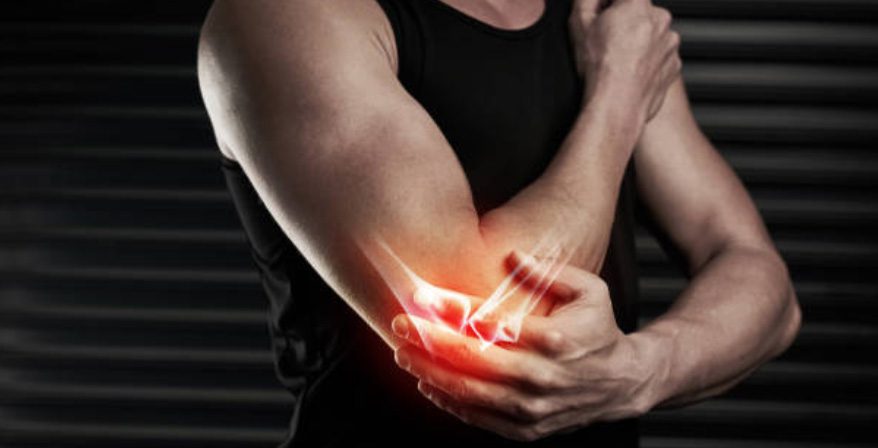
The elbow is a hinge joint, but it does far more than hinge. It rotates, stabilizes, and transfers force between the shoulder and the wrist. When repetitive movements exceed what the surrounding soft tissues can tolerate, the result is often one of a few very common conditions.
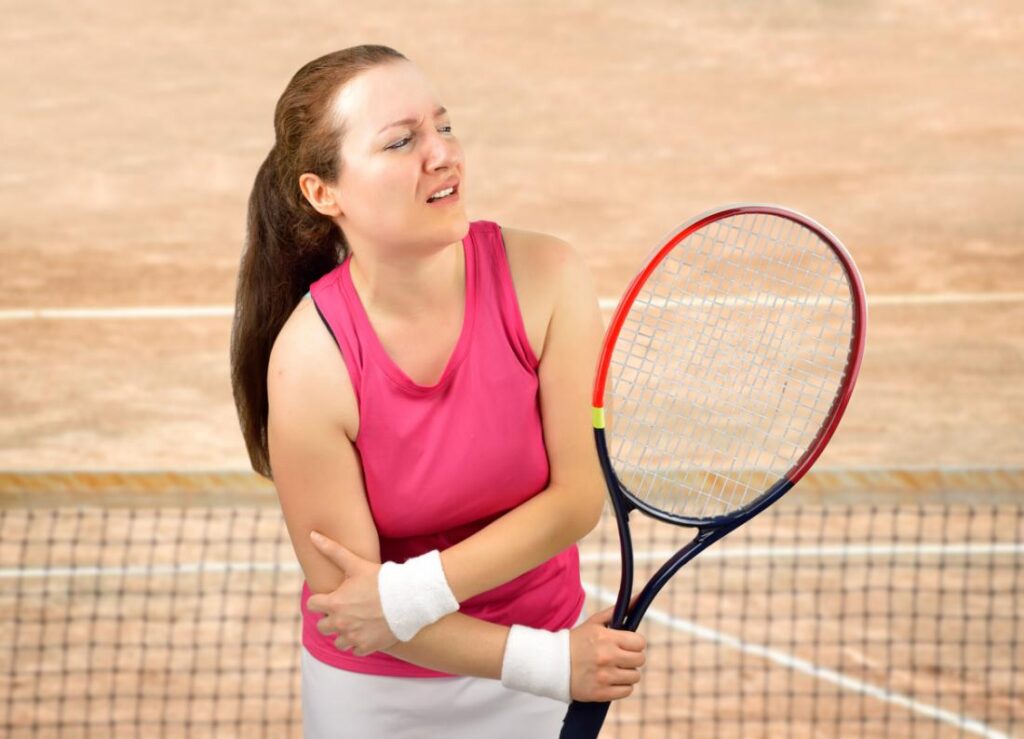
Lateral Epicondylitis (Tennis Elbow) is perhaps the most well-known cause of elbow pain in athletes. It involves irritation and micro-tearing of the tendons that attach on the outer side of the elbow — specifically those connected to the muscles that extend the wrist and fingers. Despite the name, you don’t have to play tennis to develop it. Golfers, weightlifters, rowers, and even desk workers can experience it.
Medial Epicondylitis (Golfer’s Elbow) affects the tendons on the inner side of the elbow. It’s especially common in throwing athletes, golfers, and those who do a lot of gripping or swinging. The pain tends to radiate down the forearm and can be accompanied by hand weakness.
Olecranon Bursitis occurs when the small fluid-filled sac at the back of the elbow becomes inflamed, often from repeated pressure or direct trauma. Athletes who frequently rest on their elbows — cyclists and wrestlers, for example — are particularly prone to this.
Ulnar Nerve Irritation, sometimes called “cubital tunnel syndrome,” causes tingling and numbness along the inner forearm and into the ring and pinky fingers. Throwing athletes and those who keep their elbows bent for extended periods are at higher risk. This one is worth watching closely, as nerve involvement requires a thorough evaluation.
Signs and Symptoms to Watch For
Elbow pain in athletes doesn’t always start with a dramatic injury. More often, it creeps in gradually — a little soreness after practice that gets worse over time. That gradual onset is actually a sign that the body has been accumulating stress for a while, and it’s sending you a message worth listening to.
Pain on the outer side of the elbow, especially when gripping or lifting, points strongly toward lateral epicondylitis. Pain on the inner side — particularly during throwing or gripping motions — suggests medial epicondylitis. Swelling or a noticeable bump at the tip of the elbow may indicate bursitis. Numbness or tingling radiating into the forearm or fingers suggests nerve involvement.
Other signs worth noting include stiffness in the morning, a weakened grip, discomfort when shaking hands, or pain that worsens with specific movements like backhand swings, lifting with the palm down, or repetitive wrist extension. If any of these sound familiar, you’re not alone — Dr. Blake Derrick works with athletes at Calhoun Spine Care and Wellness Center in Calhoun, GA who describe these exact patterns regularly.
How Biomechanics Play a Role
Here’s something that surprises many athletes: elbow pain doesn’t always originate at the elbow. The way your shoulder moves, how tight your thoracic spine is, whether your wrist and forearm muscles are balanced — all of these factors directly influence how much load your elbow has to absorb.
When shoulder mobility is restricted, the elbow compensates. When the cervical spine (your neck) has misalignments or restricted movement, the nerves that travel down the arm can become sensitized, making the elbow more vulnerable to irritation. Poor throwing mechanics, an improper grip on a racket, or even how you position your arm while cycling can create imbalances that silently build over time until pain becomes unavoidable.
This is why a full-body biomechanical assessment is such an important part of evaluating elbow pain. Looking at the elbow in isolation often misses the bigger picture. Dr. Blake Derrick takes this whole-body approach seriously at Calhoun Spine Care and Wellness Center, because finding the root cause — not just treating the symptom — is what leads to durable recovery.
Muscle imbalances also play a major role. If the forearm flexors are significantly tighter or stronger than the extensors, the tendons on one side of the elbow bear disproportionate strain during activity. Over time, that unequal loading causes tissue breakdown faster than the body can repair it.
How Chiropractic Care Fits In
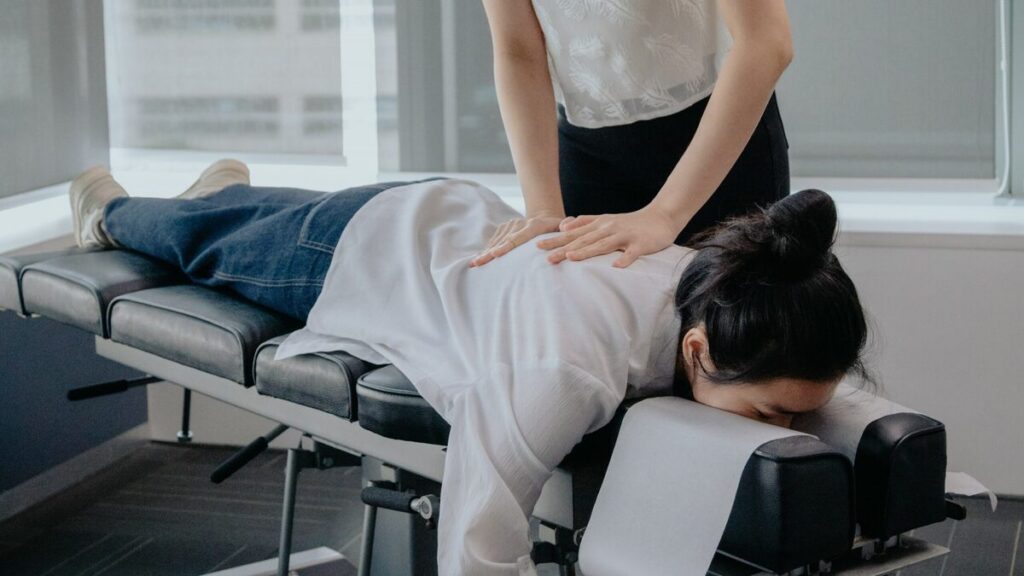
Chiropractic care offers a non-invasive, drug-free approach to evaluating and managing elbow pain in athletes. Rather than masking symptoms, the goal is to identify structural and functional contributors — whether those are in the elbow itself, the wrist, the shoulder, the neck, or the mid-back — and address them systematically.
At Calhoun Spine Care and Wellness Center, Dr. Blake Derrick may use a combination of approaches depending on what the evaluation reveals. Soft tissue work to reduce muscle tension and adhesions in the forearm muscles is often part of the plan. Joint mobilization techniques can help restore normal movement to the elbow, wrist, and surrounding joints. Cervical and thoracic spine adjustments may be appropriate when nerve irritation or referred pain is part of the picture.
Research suggests that conservative care — including manual therapy and rehabilitative exercise — is effective for conditions like lateral and medial epicondylitis, particularly when addressed early. The evidence supports a graduated, individualized approach rather than a one-size-fits-all solution. That’s exactly the philosophy at our practice here in Calhoun, GA.
In addition to hands-on treatment, Dr. Blake Derrick will typically guide athletes through corrective exercises designed to rebalance the forearm muscles, strengthen the rotator cuff, and improve joint stability. Education around load management — understanding how to modify training without stopping it entirely — is also a key part of the process. The goal is to get athletes back to doing what they love, as safely and quickly as possible.
Practical Tips to Protect Your Elbows
While professional evaluation is important when pain is already present, there are meaningful steps athletes can take to reduce their risk and support recovery. These aren’t quick fixes, but practiced consistently, they make a real difference.
Warm up with purpose. A proper warm-up increases blood flow to tendons and prepares soft tissues for load. Spend at least 8-10 minutes on dynamic movement before intense activity — shoulder circles, wrist rotations, and light cardio help prime the entire kinetic chain, including the elbows.
Check your equipment. Racket grip size, club weight, and even handlebar position on a bike can significantly influence elbow stress. If equipment isn’t fitted properly, even perfect technique won’t protect you. Ask a coach or equipment specialist for guidance, and bring up equipment concerns with Dr. Blake Derrick during your visit — it’s more relevant than many athletes realize.
Build balanced forearm strength. Most athletes naturally develop stronger flexors than extensors because of how sports movements are structured. Deliberately training wrist extension and supination can go a long way toward balancing the forces that the elbow tendons must absorb.
Respect recovery time. Tendons have a limited blood supply compared to muscles, which means they heal more slowly. Pushing through persistent elbow soreness is one of the most common ways athletes turn a minor issue into a chronic one. Building rest days into your training schedule isn’t a weakness — it’s smart athletic management.
When to See a Chiropractor
Many athletes wait far too long before seeking help, hoping the pain will resolve on its own. Sometimes it does — but often, without addressing the underlying cause, it keeps coming back or worsens over time. A good rule of thumb: if elbow pain has persisted for more than two weeks, is affecting your performance, or is changing the way you move or grip, it’s time to get it evaluated.
Chiropractic care is especially well-suited for elbow pain that is musculoskeletal in origin — meaning it stems from tendons, muscles, joints, or nerves rather than from a fracture or systemic disease. Dr. Blake Derrick at Calhoun Spine Care and Wellness Center is trained to differentiate between these possibilities and will refer out when a situation calls for imaging, orthopedic consultation, or other medical care.
There are certain red flags that warrant prompt medical attention rather than chiropractic care as a first step. These include sudden, severe swelling after an injury, visible deformity or instability of the joint, complete inability to bend or straighten the arm, or elbow pain accompanied by fever. These situations may indicate a fracture, dislocation, or infection and require immediate evaluation by a physician or emergency care provider.
Elbow Pain Conditions at a Glance
|
Condition |
Location of Pain |
Common in Which Athletes |
Key Symptom |
|---|---|---|---|
|
Lateral Epicondylitis (Tennis Elbow) |
Outer elbow |
Tennis players, weightlifters, rowers |
Pain with gripping, lifting palm-down |
|
Medial Epicondylitis (Golfer’s Elbow) |
Inner elbow |
Golfers, baseball pitchers, climbers |
Pain with wrist flexion, gripping |
|
Olecranon Bursitis |
Back of elbow (tip) |
Cyclists, wrestlers, contact sport athletes |
Swelling and tenderness at elbow tip |
|
Cubital Tunnel Syndrome |
Inner elbow, forearm, ring/pinky fingers |
Throwing athletes, overhead athletes |
Numbness, tingling in ring and pinky fingers |
Myths vs. Facts About Elbow Pain in Athletes
Myth: Tennis elbow only happens to tennis players.
Fact: The name is misleading. Lateral epicondylitis affects a wide range of athletes and non-athletes alike — including golfers, weightlifters, and even painters or mechanics. The common thread is repetitive wrist extension and gripping, not any single sport.
Myth: Rest is always the best treatment.
Fact: Complete rest is rarely the ideal solution for tendon-related elbow pain. Evidence indicates that tendons respond well to controlled, progressive loading during the recovery process. Total inactivity can actually slow tissue remodeling. The key is modifying activity intelligently — not stopping it entirely.
Myth: If there’s no swelling, the injury isn’t serious.
Fact: Many significant tendon issues, nerve irritations, and joint problems present without visible swelling. Pain, weakness, and movement limitations can all indicate meaningful underlying issues that deserve evaluation, regardless of whether the elbow looks swollen from the outside.
Myth: Elbow pain in athletes always requires surgery or injections.
Fact: The vast majority of sports-related elbow conditions respond well to conservative care. Research from organizations like the American College of Physicians supports non-invasive approaches as appropriate first-line treatment for many musculoskeletal conditions. Surgery and injections, when appropriate, are typically considered after conservative options have been explored.
Myth: Elbow pain only comes from the elbow itself.
Fact: As explained above, the shoulder, neck, thoracic spine, and forearm all influence how much stress the elbow experiences. Treating only the elbow without addressing contributing factors elsewhere in the kinetic chain is one of the most common reasons elbow pain becomes chronic or keeps returning.
Final Thoughts
Elbow pain doesn’t have to sideline you indefinitely. With the right evaluation, a thoughtful care plan, and some patience, most athletes can recover well and return to the activities they love. The community here in Calhoun, GA is full of dedicated athletes — high school sports players, recreational golfers, weekend cyclists, and serious competitors — and helping them move better and hurt less is exactly what we’re here for.
At Calhoun Spine Care and Wellness Center, Dr. Blake Derrick brings a thorough, whole-body perspective to every athlete who walks through the door. Whether you’re dealing with a nagging ache that’s been building for months or a more recent flare-up that’s throwing off your game, you deserve answers — not just guesswork. Conservative chiropractic care is a smart, evidence-informed first step for most sports-related elbow conditions, and our team is committed to helping you understand what’s happening and what can be done about it.
If elbow pain has been on your mind, don’t keep waiting for it to go away on its own. Reach out to Calhoun Spine Care and Wellness Center in Calhoun, GA and let us help you get back to doing what you do best.
Frequently Asked Questions
How long does tennis elbow typically take to heal?
Recovery time varies depending on severity and how long the condition has been present. Mild cases may improve in a few weeks with proper care, while chronic cases can take several months. Early intervention generally leads to faster recovery, which is why it’s worth getting evaluated sooner rather than later.
Can a chiropractor treat elbow pain without adjusting the elbow?
Yes, absolutely. Chiropractic care for elbow pain often involves addressing the neck, shoulder, and mid-back, as well as soft tissue work in the forearm. The elbow itself may or may not be directly adjusted depending on what the evaluation reveals. Care is always tailored to the individual.
Is it safe to keep playing sports if I have elbow pain?
That depends on the nature and severity of the pain. Mild soreness that doesn’t worsen during or after activity may allow for modified training. However, if pain is significant, worsening, or affecting your mechanics, continuing at full intensity can make things worse. A chiropractor can help you determine what level of activity is appropriate during recovery.
What’s the difference between golfer’s elbow and tennis elbow?
Both are overuse tendon conditions, but they affect different sides of the elbow. Tennis elbow (lateral epicondylitis) involves the outer elbow tendons related to wrist extension. Golfer’s elbow (medial epicondylitis) involves the inner elbow tendons related to wrist flexion and gripping. Both respond well to conservative care when addressed appropriately.
Can elbow pain come from my neck?
Yes, it can. Nerve roots in the cervical spine (neck) travel all the way down the arm to the elbow and hand. When these nerves are irritated or compressed at the neck level, pain, numbness, or weakness can be felt along that nerve pathway. This is one reason a thorough evaluation that includes the spine is important for persistent elbow pain.
How do I know if my elbow pain needs imaging like an X-ray or MRI?
Most soft tissue elbow conditions — like tendinitis or bursitis — don’t require imaging for initial diagnosis. However, if there’s a history of trauma, suspected fracture, significant swelling, or symptoms that don’t respond to conservative care, imaging may be appropriate. Dr. Blake Derrick will assess your situation and refer for imaging when it’s clinically warranted.
TL;DR
-
Athlete elbow pain most commonly stems from overuse conditions like tennis elbow, golfer’s elbow, bursitis, or nerve irritation — not dramatic injuries.
-
Biomechanics matter: the shoulder, neck, and thoracic spine all influence how much stress the elbow absorbs during sport, so the source of pain isn’t always at the elbow itself.
-
Chiropractic care offers a non-invasive, whole-body approach to evaluating and managing sports-related elbow pain without relying on medication or surgery.
-
Practical steps like warming up properly, balancing forearm strength, and checking equipment fit can significantly reduce elbow injury risk.
-
If elbow pain has lasted more than two weeks or is affecting your performance, it’s worth getting evaluated by Dr. Blake Derrick at Calhoun Spine Care and Wellness Center in Calhoun, GA.