

Your spinal discs are some of the hardest-working structures in your body, yet they rarely get the attention they deserve until something goes wrong. These small, cushion-like pads between your vertebrae absorb shock, allow movement, and protect your spinal cord every single day. When disc health declines, you might experience pain, stiffness, reduced mobility, and interference with everyday activities you used to take for granted. The good news? Many lifestyle changes can support and protect your spinal discs, helping you maintain comfort and function for years to come. Here in Calhoun, GA, Dr. Blake Derrick and the team at Calhoun Spine Care and Wellness Center work with patients every day to build healthier habits that support long-term spinal health.
This article will walk you through evidence-based lifestyle modifications that can make a real difference in how your discs age, heal, and perform. Whether you’re dealing with current disc-related discomfort or simply want to protect your spine as you age, these strategies offer practical, actionable steps you can start implementing today.
What Are Spinal Discs and Why Do They Matter?
What exactly are spinal discs? Spinal discs are fibrocartilage structures located between the vertebrae of your spine. Each disc has a tough outer layer called the annulus fibrosus and a gel-like inner core called the nucleus pulposus. Together, they act as shock absorbers, allow spinal movement, and distribute mechanical stress evenly across your spine.
Healthy discs are essential for pain-free movement, proper posture, and protection of the delicate spinal nerves. When discs degenerate, bulge, or herniate, the result can be localized back pain, radiating nerve pain, numbness, tingling, or weakness in the arms or legs. Understanding how your daily habits affect disc health is the first step toward prevention and recovery.
Table of Contents
- What Are Spinal Discs and Why Do They Matter?
- How Spinal Discs Degenerate Over Time
- Hydration: The Foundation of Disc Health
- Nutrition That Supports Spinal Disc Health
- Movement and Exercise to Strengthen the Spine
- Posture and Ergonomics in Daily Life
- Sleep Position and Mattress Quality
- Weight Management and Spinal Load
- Stress Reduction and Nervous System Health
- Avoiding Harmful Habits That Damage Discs
- How Chiropractic Care Fits In
- When to See a Chiropractor
- Myths vs. Facts About Spinal Disc Health
- Final Thoughts
How Spinal Discs Degenerate Over Time
Spinal discs do not have a direct blood supply after early adulthood. Instead, they rely on a process called imbibition, where nutrients and water are absorbed through movement and pressure changes. This means that your daily habits directly influence whether your discs stay hydrated, nourished, and resilient, or whether they dry out, weaken, and degenerate prematurely.
Disc degeneration is a natural part of aging, but the rate and severity can vary dramatically based on lifestyle factors. Poor posture, lack of movement, dehydration, poor nutrition, excess weight, smoking, and chronic stress can all accelerate disc breakdown. Conversely, healthy lifestyle choices can slow degeneration and even support repair processes.
Research suggests that degenerative disc changes begin as early as the second or third decade of life, but symptoms may not appear until much later. By the time pain or dysfunction becomes noticeable, significant structural changes may have already occurred. This is why prevention and early intervention are so important.
Hydration: The Foundation of Disc Health
Water is the single most important nutrient for your spinal discs. The nucleus pulposus, the gel-like center of each disc, is made up of roughly 80 percent water in a healthy young adult. As we age and become less active, that percentage can drop significantly, leading to disc thinning, reduced shock absorption, and increased risk of injury.
When you are well-hydrated, your discs can maintain their height and elasticity. When you are dehydrated, the discs lose volume, become stiffer, and are more vulnerable to tears and herniations. Dehydration also reduces the efficiency of nutrient transport to the disc tissue, further accelerating degeneration.
Aim to drink at least half your body weight in ounces of water each day. For example, if you weigh 160 pounds, try to consume around 80 ounces of water daily. Increase this amount if you exercise, spend time in hot weather, or consume caffeine or alcohol, which can be dehydrating. Here in Calhoun, where the climate can be warm and humid, staying hydrated is especially important for maintaining spinal health.
Nutrition That Supports Spinal Disc Health
Beyond hydration, the foods you eat play a direct role in the health of your spinal discs. Discs are made of collagen, proteoglycans, and other structural proteins that require specific nutrients to remain strong and functional. A diet rich in anti-inflammatory foods, antioxidants, and essential vitamins can support disc repair and slow degeneration.
Focus on whole, unprocessed foods that provide a range of nutrients. Leafy greens, colorful vegetables, berries, nuts, seeds, fatty fish, and lean proteins should form the foundation of your meals. Foods high in omega-3 fatty acids, such as salmon, walnuts, and flaxseeds, have been shown to reduce inflammation and support connective tissue health.
Vitamin C is essential for collagen synthesis, which is critical for maintaining the structural integrity of your discs. Citrus fruits, bell peppers, strawberries, and broccoli are excellent sources. Vitamin D and calcium support bone health around the discs, while magnesium helps relax muscles and reduce tension on the spine. If you are unsure whether your diet is meeting these needs, consider speaking with a healthcare provider about supplementation.
Avoid excessive sugar, refined carbohydrates, and trans fats, which promote systemic inflammation and can contribute to disc degeneration. Processed foods, sugary drinks, and fried foods should be minimized or eliminated whenever possible.
Movement and Exercise to Strengthen the Spine
Movement is medicine for your spinal discs. Because discs rely on mechanical loading and unloading to draw in nutrients and expel waste, prolonged sitting or inactivity starves them of the movement they need to stay healthy. Regular exercise supports disc hydration, reduces inflammation, strengthens supporting muscles, and improves circulation to spinal tissues.
Low-impact aerobic exercise, such as walking, swimming, or cycling, is particularly beneficial. These activities increase blood flow without placing excessive stress on the spine. Aim for at least 30 minutes of moderate activity most days of the week. Even short walks throughout the day can make a difference if you have a sedentary job.
Core strengthening exercises are equally important. Your abdominal muscles, back muscles, and pelvic floor work together to stabilize your spine and reduce the load on your discs. Exercises like planks, bridges, bird dogs, and modified crunches can build core strength safely. Avoid exercises that involve heavy twisting, excessive forward bending, or jarring impacts unless you have been cleared by a healthcare provider.
Stretching and flexibility work also play a role in disc health. Tight muscles in the hips, hamstrings, and lower back can alter spinal mechanics and increase disc stress. Gentle stretching, yoga, or tai chi can improve flexibility and reduce tension. Dr. Blake Derrick often recommends specific stretches and exercises tailored to each patient’s unique needs and movement patterns.
Posture and Ergonomics in Daily Life
Your posture throughout the day has a direct impact on the pressure placed on your spinal discs. Poor posture, especially during prolonged sitting, increases disc compression and accelerates wear and tear. Slouching forward, rounding your shoulders, or craning your neck forward can increase pressure on the lumbar and cervical discs by as much as 50 percent or more.
When sitting, your hips should be slightly higher than your knees, your feet should be flat on the floor, and your lower back should have gentle support. Your computer monitor should be at eye level to prevent forward head posture. If you work at a desk, consider using a lumbar support cushion or an ergonomic chair designed to maintain the natural curves of your spine.
Take frequent breaks from sitting. Stand up, walk around, and change positions every 30 to 45 minutes. Even a few minutes of standing or light movement can relieve disc pressure and restore circulation. Many patients at Calhoun Spine Care and Wellness Center report significant improvements in comfort simply by adjusting their workstation setup and taking regular movement breaks.
When lifting objects, use proper body mechanics. Bend at the hips and knees, keep the object close to your body, and avoid twisting while lifting. Never round your back or jerk the weight upward, as this places enormous stress on the lumbar discs and increases the risk of injury.
Sleep Position and Mattress Quality
You spend roughly one-third of your life sleeping, which means your sleep position and mattress quality have a significant impact on spinal disc health. A mattress that is too soft or too firm, or a pillow that does not support proper alignment, can place uneven stress on your discs and lead to stiffness, pain, and degeneration over time.
The best sleep position for most people is on your back with a pillow under your knees, or on your side with a pillow between your knees. These positions help maintain the natural curves of your spine and reduce disc compression. Sleeping on your stomach is generally discouraged, as it forces your neck into rotation and flattens the lumbar curve, increasing stress on the discs.
Your mattress should provide firm support while contouring gently to your body. Medium-firm mattresses are often recommended for spinal health, but individual preferences vary. If your mattress is more than seven to ten years old, sagging, or causing you to wake up stiff, it may be time to replace it.
Your pillow should keep your neck in a neutral position, aligned with the rest of your spine. Side sleepers typically need a thicker pillow, while back sleepers benefit from a thinner one. Avoid using multiple pillows that prop your head too high, as this can strain the cervical discs.
Weight Management and Spinal Load
Excess body weight places additional mechanical stress on your spinal discs, particularly in the lumbar region. For every extra pound of body weight, your spine may experience up to four additional pounds of pressure during certain movements. Over time, this increased load can accelerate disc degeneration, increase the risk of bulging or herniation, and contribute to chronic back pain.
Maintaining a healthy weight through balanced nutrition and regular physical activity is one of the most effective ways to protect your discs. Even modest weight loss can significantly reduce spinal stress and improve symptoms in individuals with disc-related pain. Evidence indicates that weight loss combined with exercise and chiropractic care can lead to meaningful improvements in function and quality of life.
Focus on sustainable, gradual weight loss rather than extreme diets or rapid changes. A combination of portion control, nutrient-dense foods, and consistent physical activity is the most effective and healthy approach. If you are struggling with weight management, consider working with a healthcare provider, nutritionist, or wellness coach who can provide personalized guidance.
Stress Reduction and Nervous System Health
Chronic stress has a profound impact on the body, including the health of your spinal discs. When you are under stress, your muscles tense up, your posture changes, and your nervous system becomes overactive. This can lead to muscle imbalances, increased disc compression, and reduced circulation to spinal tissues.
Stress also promotes systemic inflammation, which can interfere with tissue repair and accelerate degeneration. Research suggests that individuals with chronic stress are more likely to experience back pain and slower recovery from musculoskeletal injuries.
Incorporating stress-reduction techniques into your daily routine can support both mental and physical health. Practices such as deep breathing, meditation, mindfulness, gentle yoga, and spending time in nature have all been shown to reduce stress and improve nervous system function. Even five to ten minutes of focused relaxation each day can make a difference.
At Calhoun Spine Care and Wellness Center, Dr. Blake Derrick often emphasizes the connection between nervous system health and spinal function. Chiropractic care aims to restore proper nervous system communication, which can help the body respond more effectively to stress and promote healing.

Avoiding Harmful Habits That Damage Discs
Certain habits can directly harm your spinal discs and should be minimized or eliminated entirely. Smoking is one of the most damaging. Nicotine and other chemicals in cigarettes reduce blood flow to spinal tissues, impair nutrient delivery, and accelerate disc degeneration. Studies have consistently shown that smokers are more likely to experience back pain and slower healing from spinal injuries.
Excessive alcohol consumption can also contribute to inflammation, dehydration, and poor nutritional status, all of which negatively impact disc health. If you choose to drink alcohol, do so in moderation and ensure you are staying well-hydrated and eating a balanced diet.
Prolonged use of high heels or poorly designed footwear can alter your gait and spinal alignment, increasing stress on the lumbar discs. Opt for supportive shoes with a low heel and good arch support whenever possible. If you must wear heels for work or special occasions, limit the duration and give your feet and spine a break as soon as possible.
Repetitive heavy lifting, especially with poor form, can also damage discs over time. If your job or hobbies involve frequent lifting, bending, or twisting, make sure you are using proper body mechanics and taking regular breaks to rest and stretch.
How Chiropractic Care Fits In
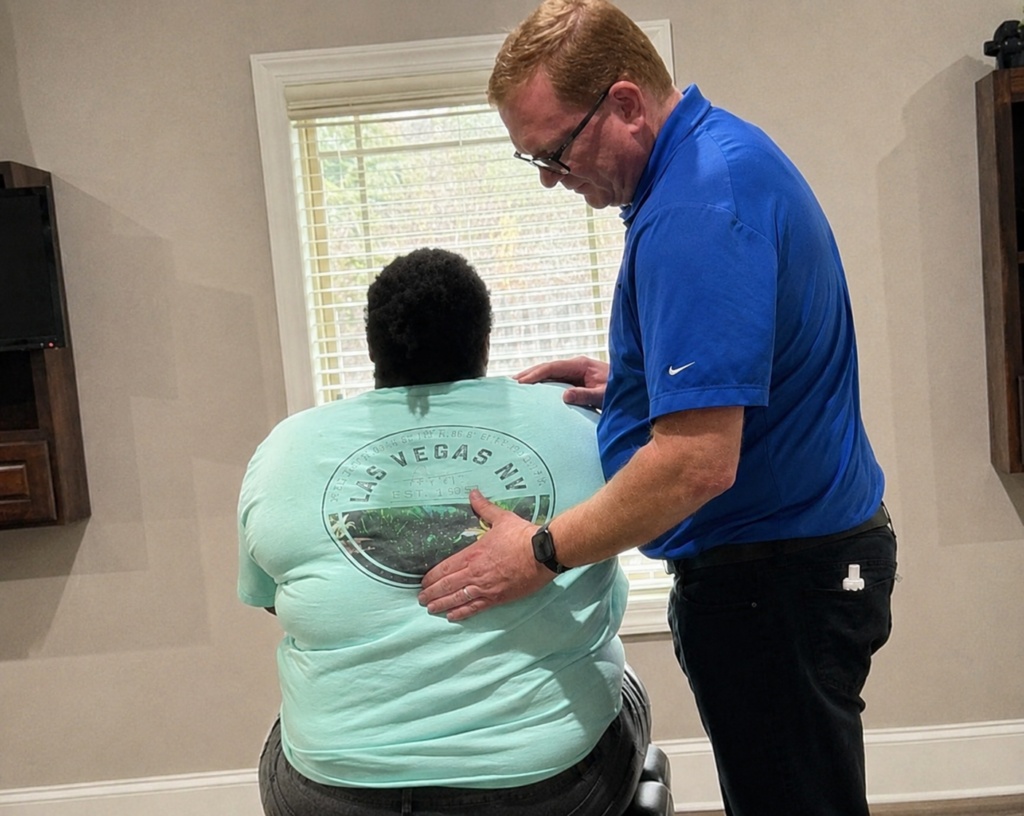
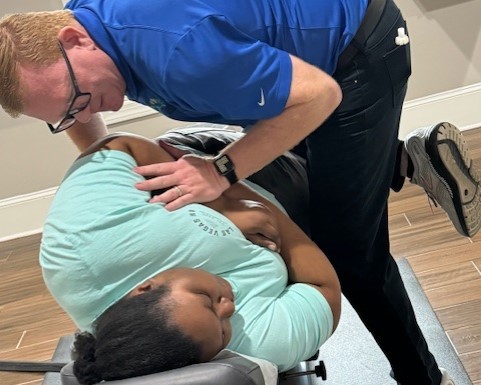
Chiropractic care offers a natural, non-invasive approach to supporting spinal disc health. Through specific spinal adjustments, chiropractors aim to restore proper alignment, reduce nerve interference, and improve overall spinal function. When the spine is properly aligned, pressure on the discs is more evenly distributed, reducing the risk of injury and degeneration.
At Calhoun Spine Care and Wellness Center, Dr. Blake Derrick takes a comprehensive approach to disc health. Each patient receives an individualized assessment to identify areas of misalignment, muscle imbalance, or movement dysfunction. Treatment plans may include spinal adjustments, soft tissue therapy, corrective exercises, and lifestyle counseling.
Chiropractic care does not claim to cure disc degeneration or reverse severe structural damage, but research suggests it can be effective for managing pain, improving mobility, and enhancing quality of life in patients with disc-related conditions. Evidence indicates that chiropractic care, particularly when combined with exercise and lifestyle modifications, can lead to meaningful improvements in function and symptom relief.
In addition to hands-on care, chiropractors provide education and coaching to help patients make sustainable changes in their daily habits. From ergonomic recommendations to exercise guidance, this holistic approach empowers patients to take an active role in their own spinal health.
When to See a Chiropractor
You do not need to wait until you are in severe pain to seek chiropractic care. In fact, early intervention can often prevent minor issues from becoming chronic problems. Consider scheduling an evaluation if you experience any of the following:
Persistent or recurring back pain or neck pain, even if it is mild. Stiffness or reduced range of motion in your spine. Pain, tingling, or numbness that radiates into your arms or legs. Frequent headaches or tension in the neck and shoulders. Difficulty maintaining good posture or discomfort after prolonged sitting or standing.
If you have been involved in an accident, suffered a fall, or experienced a sudden onset of severe pain, seek professional evaluation as soon as possible. Red flags that warrant immediate medical attention include loss of bowel or bladder control, progressive weakness in the legs, severe pain that does not improve with rest, or pain accompanied by fever or unexplained weight loss. These symptoms may indicate a more serious condition that requires urgent care.
For most patients, chiropractic care is safe and effective when provided by a licensed, experienced practitioner. Dr. Blake Derrick and the team at Calhoun Spine Care and Wellness Center are here to help you navigate your options and develop a personalized care plan that fits your needs and goals.
Lifestyle Habits and Their Impact on Spinal Disc Health
| Lifestyle Habit | Impact on Spinal Discs | Recommended Action |
|---|---|---|
| Adequate Hydration | Maintains disc height and elasticity, supports nutrient transport | Drink at least half your body weight in ounces of water daily |
| Anti-Inflammatory Diet | Reduces systemic inflammation, supports tissue repair | Focus on whole foods, omega-3s, and colorful vegetables |
| Regular Movement | Promotes nutrient flow to discs, strengthens supporting muscles | Aim for 30 minutes of low-impact exercise most days |
| Proper Posture | Reduces uneven disc compression and mechanical stress | Maintain neutral spine alignment, take frequent breaks from sitting |
| Healthy Weight | Decreases mechanical load on lumbar discs | Combine balanced nutrition with consistent physical activity |
| Smoking | Impairs blood flow, accelerates disc degeneration | Quit smoking and seek support if needed |
| Quality Sleep | Allows discs to rehydrate and repair overnight | Use a supportive mattress and maintain proper sleep position |
| Stress Management | Reduces muscle tension and systemic inflammation | Practice relaxation techniques, mindfulness, or gentle yoga |
Myths vs. Facts About Spinal Disc Health
Myth: Disc Degeneration Is Inevitable and Cannot Be Slowed
Fact: While some degree of disc degeneration is a natural part of aging, the rate and severity can be significantly influenced by lifestyle choices. Staying hydrated, eating well, exercising regularly, maintaining good posture, and avoiding harmful habits can all slow the progression of degeneration and support long-term spinal health.
Myth: Bed Rest Is the Best Treatment for Disc Problems
Fact: Prolonged bed rest can actually worsen disc health by reducing nutrient flow and weakening supporting muscles. Research suggests that staying active, within your comfort level, is more beneficial for recovery and pain management. Gentle movement, stretching, and low-impact exercise are generally recommended over extended inactivity.
Myth: You Should Only See a Chiropractor When You Have Pain
Fact: Chiropractic care is not just for pain relief. Many patients benefit from regular chiropractic visits as part of a proactive wellness routine. Early intervention and maintenance care can help identify and address minor issues before they become serious problems, supporting optimal spinal function and overall health.
Myth: Disc Herniations Always Require Surgery
Fact: The majority of disc herniations can be managed conservatively without surgery. Chiropractic care, physical therapy, exercise, and lifestyle modifications are often effective for reducing symptoms and improving function. Surgery is typically reserved for cases where conservative care has not provided relief or when there are severe neurological symptoms.
Myth: Cracking Your Own Back Is Harmless
Fact: Self-manipulation can be risky and may lead to muscle strain, ligament damage, or worsening of spinal misalignment. Chiropractic adjustments are specific, controlled movements delivered by trained professionals. If you feel the need to crack your back frequently, it may be a sign of underlying dysfunction that should be evaluated by a chiropractor.
Final Thoughts
Your spinal discs are essential to your overall health, mobility, and quality of life. By making thoughtful lifestyle changes, you can support their health, slow degeneration, and reduce your risk of pain and injury. Hydration, nutrition, movement, posture, sleep, weight management, and stress reduction all play important roles in protecting your spine.
Here in Calhoun, GA, Dr. Blake Derrick and the team at Calhoun Spine Care and Wellness Center are dedicated to helping patients understand and take control of their spinal health. Whether you are dealing with current discomfort or simply want to maintain a healthy spine as you age, we are here to provide personalized care, education, and support every step of the way.
Remember, small changes add up over time. Start with one or two habits that feel manageable, and build from there. Your spine will thank you for it.
Frequently Asked Questions
Can spinal discs heal on their own?
Spinal discs have limited capacity for self-repair due to their lack of direct blood supply. However, with proper care, rest, and lifestyle modifications, many disc injuries can improve significantly over time. Chiropractic care, exercise, and supportive habits can help optimize healing and reduce symptoms.
How long does it take to see improvements in disc health?
The timeline varies depending on the severity of the issue and the consistency of lifestyle changes. Some patients notice improvements in pain and mobility within a few weeks, while more significant structural changes may take several months. Consistency is key to seeing lasting results.
Is it safe to exercise if I have a disc problem?
In most cases, gentle, low-impact exercise is safe and beneficial for disc health. However, it is important to avoid high-impact activities, heavy lifting, or movements that cause sharp pain. Always consult with a chiropractor or healthcare provider before starting a new exercise program if you have a known disc issue.
What is the best sleeping position for disc health?
Sleeping on your back with a pillow under your knees or on your side with a pillow between your knees is generally best for maintaining spinal alignment. Stomach sleeping is typically discouraged, as it places strain on the neck and lower back.
Can diet really make a difference for my spine?
Absolutely. A nutrient-dense, anti-inflammatory diet supports tissue repair, reduces inflammation, and provides the building blocks your discs need to stay strong. Hydration is especially critical, as discs rely on water to maintain their cushioning properties.
How often should I see a chiropractor for disc health?
The frequency of visits depends on your individual needs and goals. Some patients benefit from weekly adjustments during active care, while others maintain wellness with monthly or quarterly visits. Dr. Blake Derrick will work with you to develop a schedule that fits your situation and supports your long-term health.
TL;DR: Key Takeaways
- Spinal discs rely on hydration, movement, and proper nutrition to stay healthy and functional.
- Lifestyle changes such as drinking more water, eating an anti-inflammatory diet, exercising regularly, and maintaining good posture can slow disc degeneration and reduce pain.
- Avoiding harmful habits like smoking, prolonged sitting, and poor sleep positions is critical for protecting your discs.
- Chiropractic care offers a safe, non-invasive way to support spinal alignment, reduce nerve interference, and improve overall disc health.
- Early intervention and proactive care are more effective than waiting until symptoms become severe.